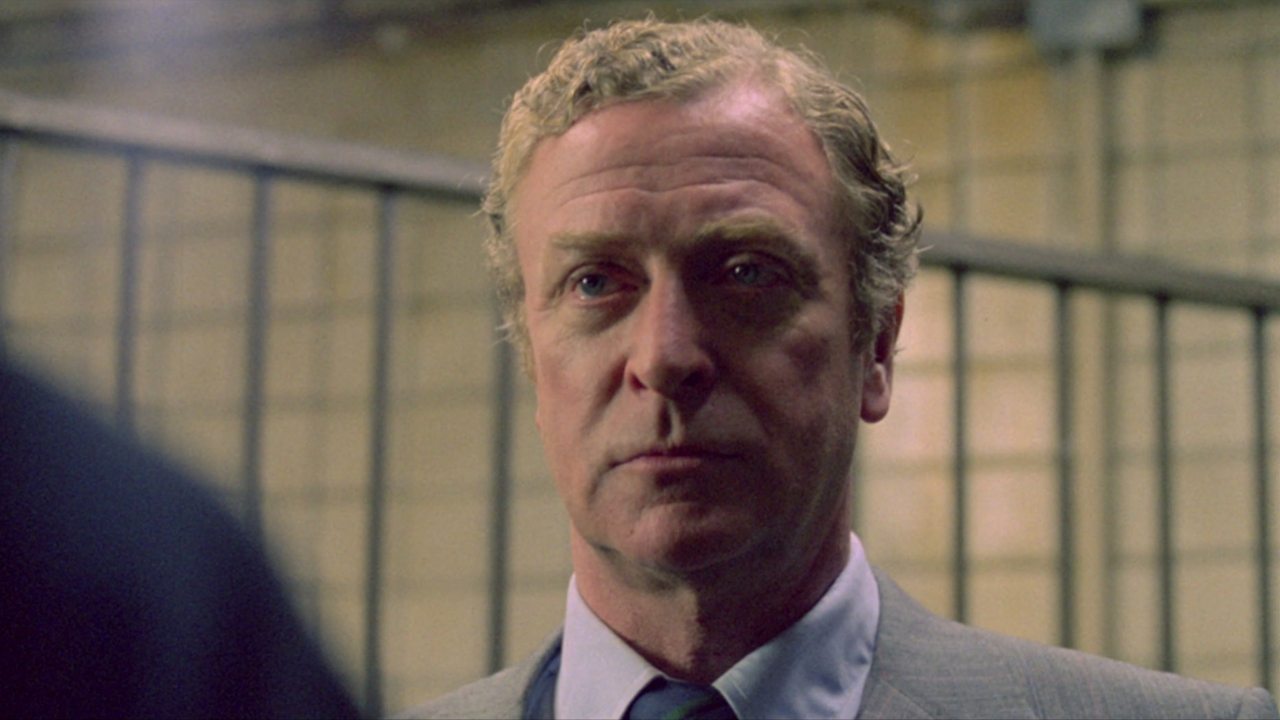
It begins not with a bang, but with the slow, simmering resentment of a man convinced the world owes him more. A Shock to the System doesn't announce its darkness; it lets it seep in, like a stain spreading on expensive carpet. What lingers most, perhaps, is the unsettling ease with which Graham Marshall, played with chilling precision by Michael Caine, transitions from overlooked advertising executive to calculating killer. It forces a question upon the viewer, one that might echo uncomfortably in the quiet moments after the credits roll: how thin is the line between civilized frustration and utter amorality?
The Unremarkable Path to Murder
We meet Graham Marshall on the precipice. Stuck in middle management, saddled with a perpetually complaining wife (played with sharp, if one-note, irritation by Swoosie Kurtz), and watching a younger, less deserving colleague (Peter Riegert as the smarmy Robert Benham) poised to snatch the promotion Graham feels is rightfully his. His life is a tapestry of muted disappointments, beige offices, and commuter train purgatory. It’s a relatable kind of quiet desperation, the kind that festers in countless workplaces and strained marriages. The film, based on a novel by Simon Brett (though the protagonist was changed for the screen adaptation by Andrew Klavan), captures this late-80s corporate malaise with unnerving accuracy. It’s less about grand ambition and more about the gnawing fear of becoming irrelevant.
Then comes the 'shock' – a literal jolt on a crowded subway platform leads to an accidental death. But for Graham, it's not an accident; it's an epiphany. The jolt isn't just electrical; it's existential. He discovers not only that he can kill, but that he can get away with it. And, more terrifyingly, that it feels... good. Liberating, even. This becomes the catalyst for a meticulously planned series of actions designed to reshape his world, one eliminated obstacle at a time.

Caine: The Affable Monster
The absolute linchpin of this film is Michael Caine. Coming off significant acclaim, including his second Oscar for Hannah and Her Sisters (1986) just a few years prior, Caine dives headfirst into Graham Marshall's complex psyche. He weaponizes his inherent charm, that avuncular warmth and refined British manner, twisting it into something deeply sinister. We watch him meticulously plot murder with the same focused energy he might apply to an ad campaign. His internal monologues, delivered with Caine's impeccable timing, are masterpieces of dark irony, revealing the chilling logic he constructs to justify his actions. It's a performance that relies on subtlety; a flicker in the eyes, a slight tightening of the lips, conveying the monstrous thoughts swirling beneath the calm exterior. Caine reportedly relished the chance to play such a departure from his more heroic or charmingly roguish characters, and that enjoyment translates into a captivatingly repellent portrayal. He makes Graham disturbingly understandable, even if never truly sympathetic.
Corporate Culture as Killing Floor
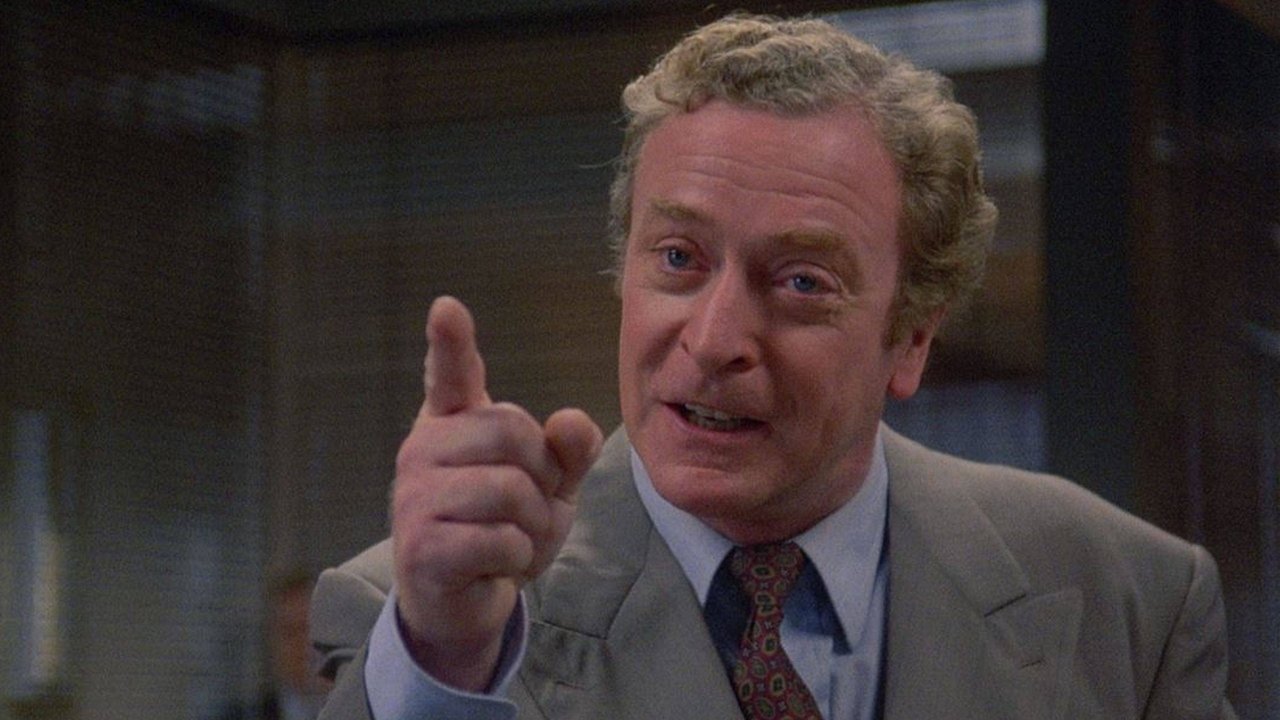
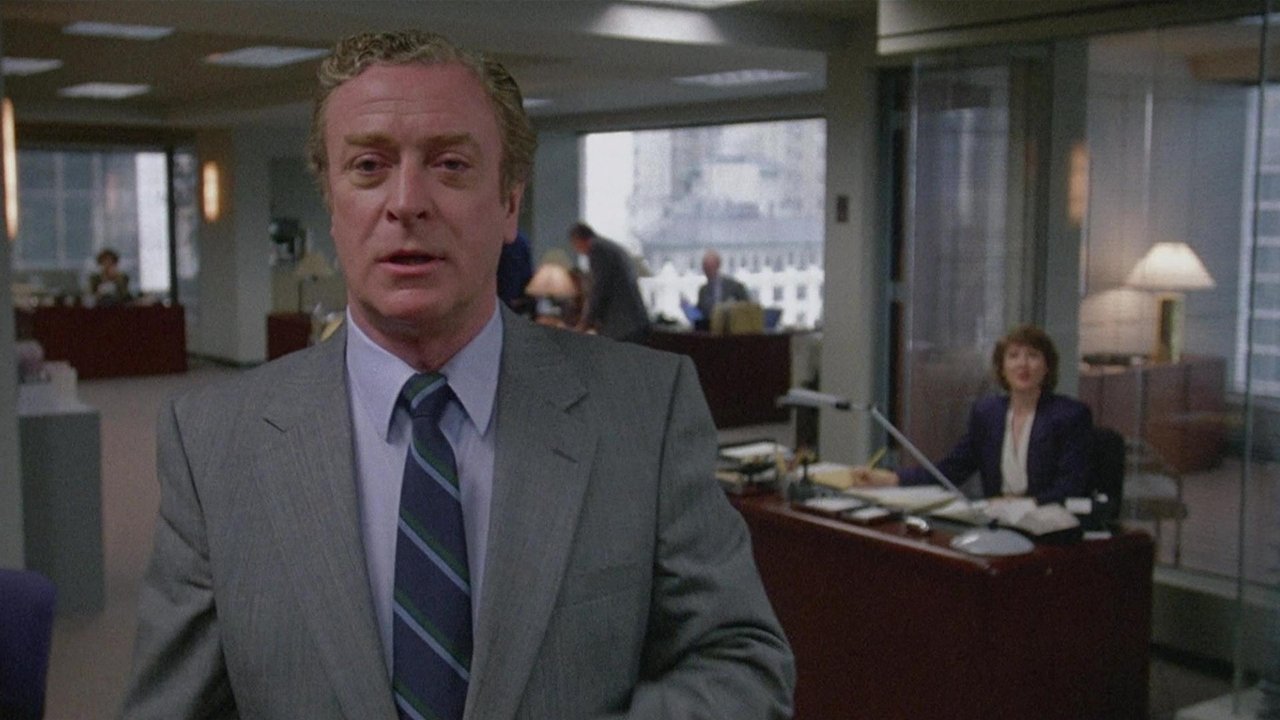
Beyond the central performance, A Shock to the System works as a sharp satire of the cutthroat corporate world of the era – a theme that still bites today. The office here isn't just a setting; it's a character in itself, sterile and dehumanizing. Graham’s ambition isn't just personal; it’s a product of an environment that rewards ruthlessness. Elizabeth McGovern shines as Stella Anderson, the ambitious younger colleague who becomes entangled with Graham. Her character is complex – drawn to Graham's newfound confidence and power, yet perhaps not fully grasping its dark source. Their interactions crackle with a dangerous energy, highlighting the transactional nature of relationships within this sphere. Peter Riegert, who many might remember fondly from comedies like Animal House (1978) or the charming Local Hero (1983), plays the office rival Benham with just the right amount of smug entitlement, making him an obstacle you almost understand Graham wanting to remove, before remembering the method. Director Jan Egleson maintains a steady, almost detached tone, letting the horror unfold in brightly lit offices and comfortable suburban homes, making the violence feel even more jarring against the mundane backdrop. Filmed primarily on location in New York City, the film effectively uses the city's imposing architecture and bustling energy to underscore Graham's journey through the corridors of power and amorality.
Retro Fun Facts: Behind the Shock
For us VHS hunters, A Shock to the System might have been one of those intriguing finds on the rental shelf, perhaps overshadowed by bigger blockbusters but offering something darker and more thought-provoking. It’s fascinating to note that despite Caine’s star power and the film’s intriguing premise, it wasn't a major box office success, grossing only around $3.4 million against its $9 million budget. This likely contributed to its 'cult classic' status – a film discovered and appreciated by those looking beyond the mainstream hits. The marketing tried to capture its dark wit, with taglines emphasizing the moral tightrope Graham walks. It’s a film that feels like a deliberate inversion of the triumphant yuppie narrative prevalent in many 80s films; here, climbing the ladder involves kicking the rungs out from under everyone else, permanently.
Holding Up the Mirror
Does A Shock to the System still resonate? Absolutely. The specific anxieties of late 80s/early 90s corporate culture might have shifted, but the underlying themes – resentment, the seductive nature of power, the ease with which justification follows transgression – feel timeless. Watching it now, perhaps on a format far clearer than the well-worn VHS tape I first saw it on, Caine’s performance remains magnetic and deeply unsettling. The film doesn't offer easy answers or moral pronouncements. It simply presents Graham's descent, forcing us to confront the uncomfortable thought that perhaps the capacity for such darkness isn't as alien as we'd like to believe. What truly separates a frustrated commuter from a calculating killer? The film suggests, chillingly, perhaps only opportunity and a jolt to the system.
Rating: 8/10
This score reflects the film's success largely due to Michael Caine's masterclass performance, which elevates the material significantly. The sharp satire, unsettling tone, and tight script make it a compelling watch, effectively capturing a specific cultural moment while exploring enduring human darkness. It might lack the visual flair of some contemporaries, and some secondary characters feel a bit underdeveloped, but its core premise and central performance are unforgettable.
Final Thought: A Shock to the System lingers not because of its violence, but because of its quiet, chilling portrayal of how easily the veneer of normalcy can crack, revealing the potential monster lurking just beneath the surface of an ordinary man.