Okay, picture this: you're browsing the comedy section of your favorite video store, circa 1991. Tucked between the broader slapstick and rom-coms, you find a box with Kevin Kline mugging, Tracey Ullman looking murderous, and the frankly unbelievable title I Love You to Death. You might chuckle, maybe raise an eyebrow, but something about the sheer audacity makes you grab that tape. And what unfolds is one of the early 90s' most bizarre, hilarious, and surprisingly star-studded black comedies – a film so strange it had to be based on a true story. And guess what? It was.

### Truth Stranger Than (Comedic) Fiction
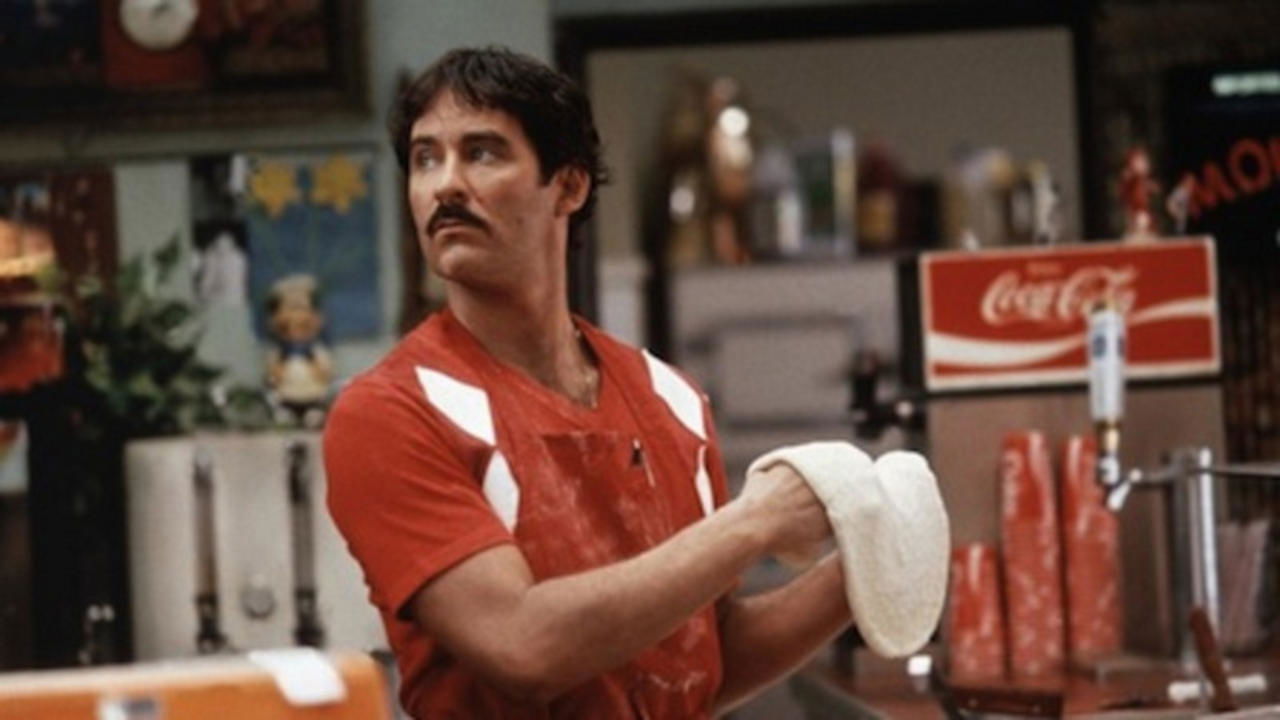
The core premise, delivered with director Lawrence Kasdan’s typically assured hand (though a far cry tonally from his work on The Big Chill or Silverado), feels almost like a Coen Brothers warm-up act. Joey Boca (Kevin Kline, operating at peak lovable sleazeball frequency) runs a pizza parlor in Tacoma, Washington. He adores his wife, Rosalie (Tracey Ullman, absolutely nailing bewildered fury), but Joey's definition of adoration includes sleeping with seemingly every other woman in town. When Rosalie finally learns the truth, she doesn't just get mad; she decides, with the unwavering support of her Yugoslavian mother Nadja (Joan Plowright, stealing every single scene she’s in with deadpan brilliance), that divorce is too good for him. Murder is the only answer.
What elevates this beyond a simple revenge flick is the staggering incompetence of everyone involved in the "hit." This isn't some slick thriller; it's a farce built on failure. And it’s precisely here that the film leans into its jaw-dropping real-life inspiration: the 1983 case of Frances Toto, who, with her mother and assorted accomplices, tried (and failed, spectacularly) multiple times to kill her cheating husband, Tony. They tried poisoning him with barbiturate-laced soup, hiring inept hitmen who shot him multiple times (he survived!), and even tried bombing his car. The film, penned by John Kostmayer, captures this escalating absurdity perfectly, turning potentially horrifying events into pitch-black punchlines. Knowing that the core events actually happened adds a layer of surreal hilarity that's hard to shake.
### An Ensemble of Inspired Ineptitude
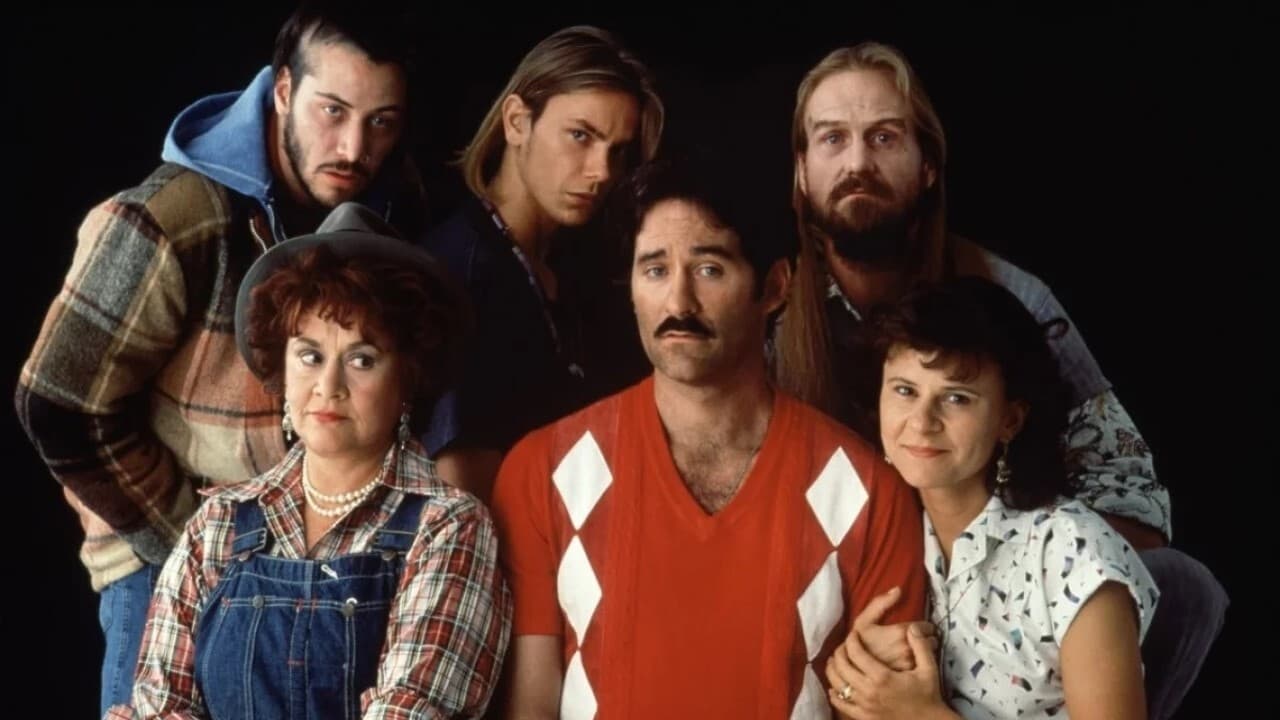
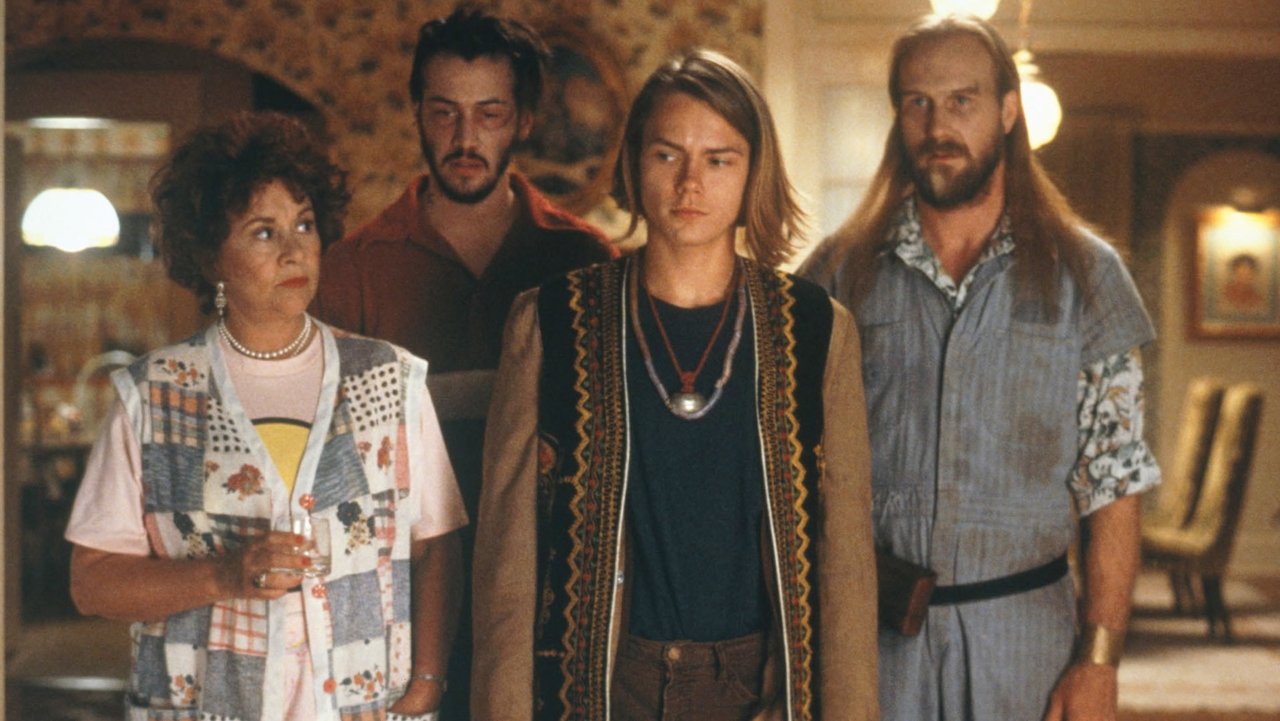
While Kline is magnetic as the oblivious, charmingly repulsive Joey (a role that feels tailor-made for his physical comedy and operatic pronouncements), and Ullman provides the wounded, determined heart of the film, it's the supporting cast that truly sends I Love You to Death into the stratosphere. Joan Plowright as Nadja is the pragmatic engine of the murder plot, delivering lines about offing her son-in-law with the same gravity one might discuss grocery shopping. Her performance is a masterclass in understatement, earning her numerous accolades at the time.
Then there are the "hitmen." Forget seasoned professionals; Rosalie and Nadja enlist the help of Harlan and Marlon, two perpetually stoned, blissfully inept cousins played by River Phoenix and Keanu Reeves. Watching these two future superstars bumble their way through the assassination attempt, more concerned with philosophical musings and the quality of their weed than the task at hand, is pure comedic gold. It’s a fascinating snapshot of both actors early in their careers, showcasing a goofy chemistry you wouldn’t necessarily expect. Adding to the chaos is a brief but memorable turn by William Hurt as Harlan, the other spaced-out hitman they try to hire. Rumor has it Hurt did the small role basically as a favor to Kasdan, with whom he'd worked several times before, adding another layer of "how did this cast happen?" to the film's quirky legacy.
### The Kasdan Touch, Twisted
Lawrence Kasdan wasn't necessarily known for broad, dark comedy, making his involvement here intriguing. He handles the tonal tightrope walk deftly, grounding the absurdity in believable (if heightened) character motivations. Tacoma, Washington, provides a fittingly mundane backdrop for the bizarre events, making the contrast even funnier. The film doesn't shy away from the darkness inherent in attempted murder, but it filters it through a lens of farcical incompetence and surprisingly resilient affection. It cost around $16 million to make and barely squeaked past that number at the box office initially – translating to maybe $35 million today, definitely not a blockbuster. Yet, like so many unique films of the era, it found a dedicated audience on home video, becoming precisely the kind of oddball discovery that made late-night VHS rentals so rewarding.
The pacing can feel a little uneven, especially as the attempts on Joey’s life become increasingly desperate and drawn out. Some might find the humor doesn't quite land consistently, veering close to uncomfortable territory. But the commitment of the cast, particularly Plowright, Kline, and the Phoenix/Reeves duo, carries it through. It’s a film that understands the thin line between love and hate, devotion and homicidal rage, and finds rich comedic territory in that precarious balance.
### Final Verdict & Rating
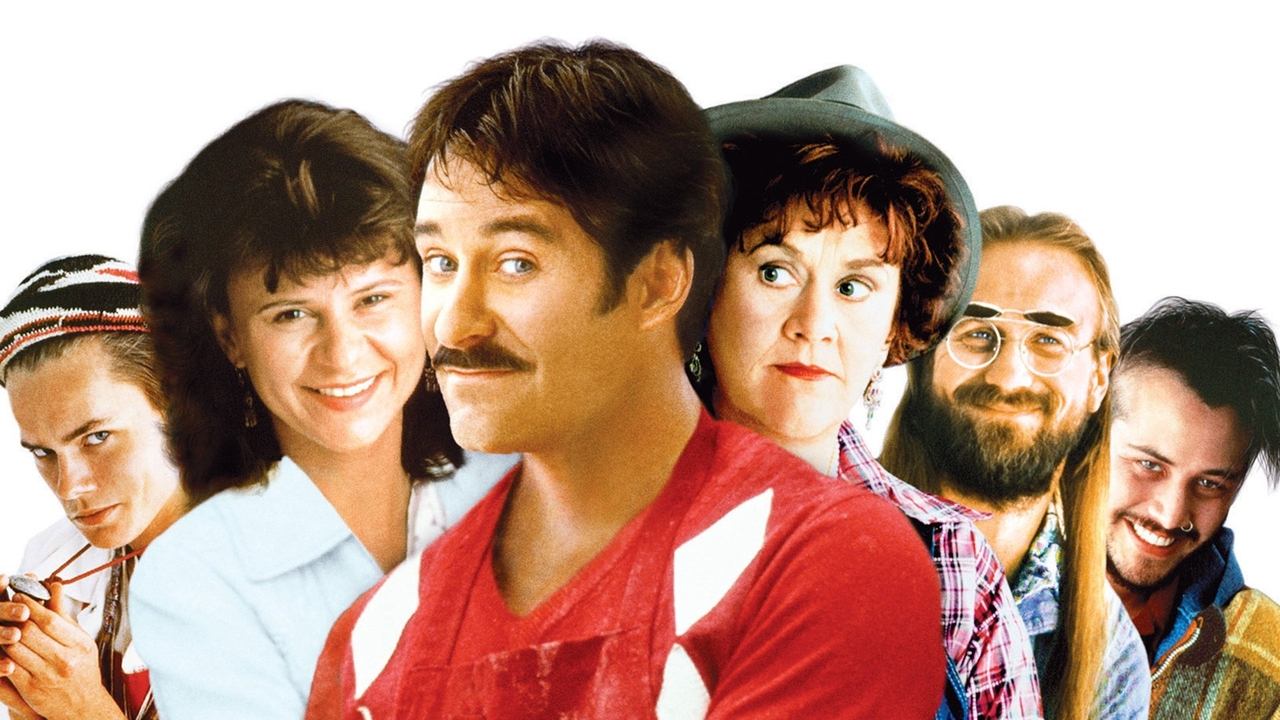
I Love You to Death is a strange beast – a black comedy fueled by an unbelievable true story and elevated by a killer ensemble cast clearly having a blast. It revels in the absurdity of its premise, finding humor in staggering incompetence and the bizarre resilience of both the human body and marital bonds (however twisted). While not perfect, its unique blend of farce, dark wit, and standout performances makes it a memorable gem from the turn of the decade.
Rating: 7.5 / 10
Justification: The film earns its score primarily through the strength of its ensemble cast (especially Plowright, Kline, Ullman, Phoenix, and Reeves), its genuinely funny handling of an incredibly dark true story, and Kasdan's skillful direction in balancing farce and character. It loses a few points for occasional pacing issues in the latter half and humor that, while generally effective, might not land for everyone due to its dark nature. However, its sheer oddity and memorable performances make it a standout piece of early 90s comedy.
Final Thought: Forget slick assassinations; this is the glorious, messy, hilarious proof that sometimes, when it comes to offing your cheating spouse, finding good help really is impossible – and infinitely funnier to watch when it fails this spectacularly. A perfect slice of early 90s weirdness.