It begins not with a bang, nor even a whimper, but with an itch. A persistent, maddening irritation on the neck of Dennis Dimbleby Bagley, a high-flying advertising executive drowning in the vapid excesses of late-80s London. But this is no mere stress rash. This is the germ of something monstrous, a physical manifestation of a psyche cracking under the strain of selling lies. This is How to Get Ahead in Advertising (1989), Bruce Robinson's corrosively funny and genuinely unsettling follow-up to the cult phenomenon Withnail & I (1984), and it remains one of the most audacious satires ever committed to celluloid – a film many of us likely stumbled upon in the 'weird and wonderful' section of the video store, drawn in by a bizarre cover or the promise of more Richard E. Grant brilliance.

Birth of a Nightmare
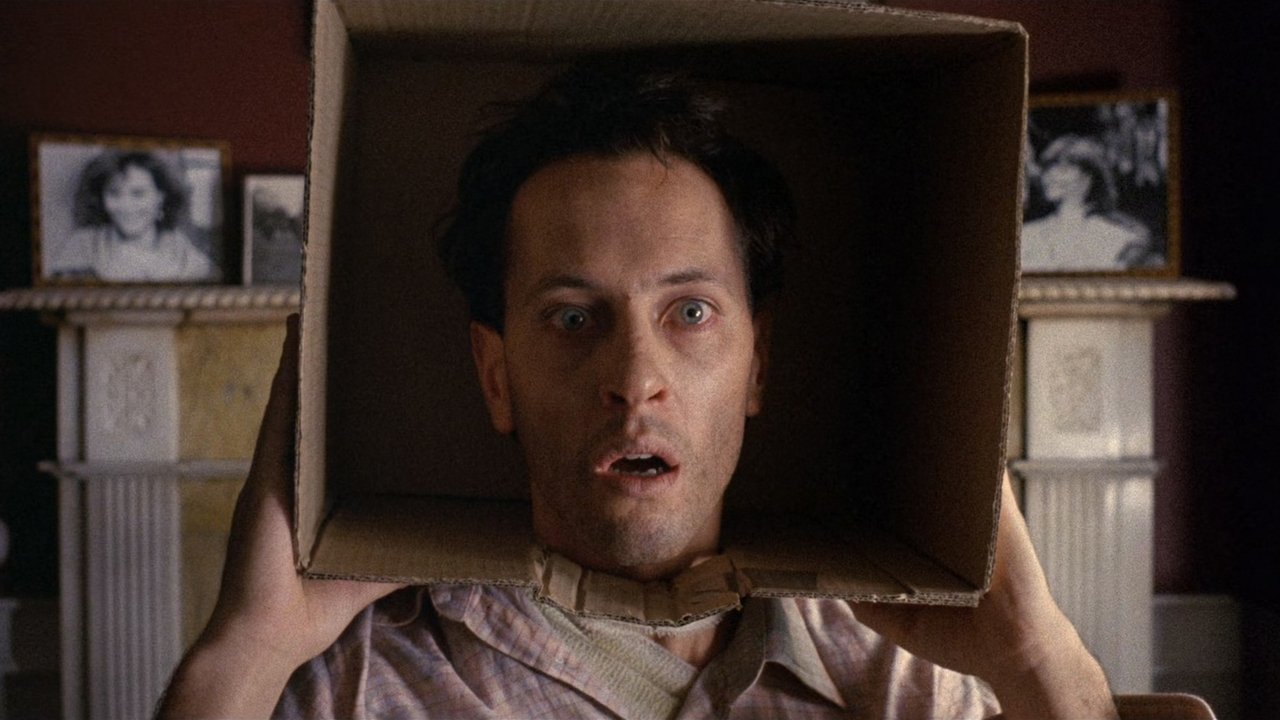
The premise alone is unforgettable: Bagley (Richard E. Grant), agonising over a campaign for a new pimple cream, develops a large, sentient boil on his shoulder. This boil, initially a voiceless lump, soon grows eyes, a mouth, and a personality – a cynical, ruthless alter-ego embodying the rapacious, amoral spirit of the advertising world Bagley secretly despises. It's a concept so outrageous it borders on the comedic, yet Robinson, who both wrote and directed, plays it with a terrifying straight face, allowing the absurdity to curdle into genuine body horror and psychological dread. The boil isn't just a plot device; it's a festering symbol of capitalist consumption, repressed guilt, and the soul-selling compromises demanded by the modern world.
Grant Unleashed, Again
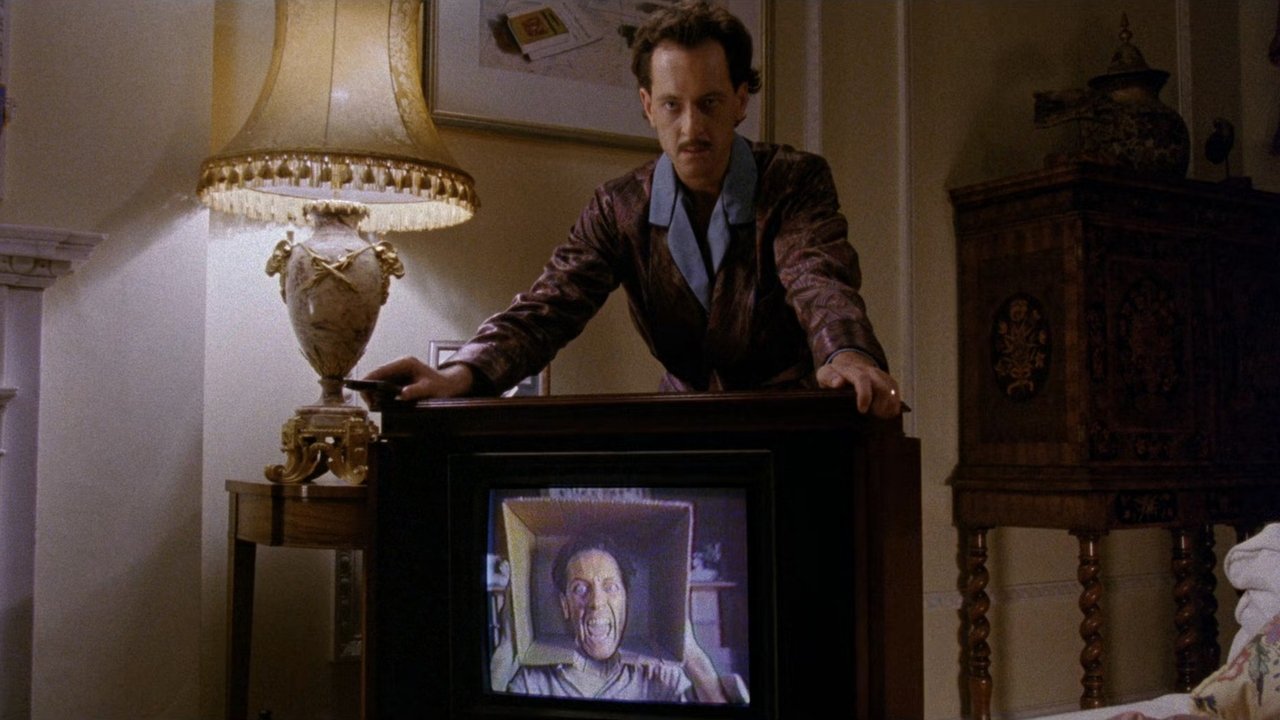
Central to the film's savage power is, unquestionably, Richard E. Grant. Fresh from his iconic, generation-defining turn as the perpetually drunk and despairing Withnail, Grant dives headfirst into Bagley's disintegration. It's a performance of astonishing physical and verbal dexterity. He charts Bagley’s descent from slick, confident ad-man to frantic, paranoid wreck with harrowing conviction. The nervous energy, the rapid-fire delivery laced with rising panic, the sheer sweaty desperation – it's exhausting and exhilarating to watch. What elevates it further is Grant’s other role: he masterfully provides the voice of the boil, a smug, manipulative baritone that drips with contempt. This dual performance is a tour-de-force, solidifying Grant as an actor capable of plumbing the depths of human frailty and fury like few others. I remember seeing this shortly after Withnail on a grainy VHS tape, and being struck by how Grant could embody such different, yet equally intense, forms of psychological collapse.
Robinson's Razor Edge
Having penned the screenplay for the Oscar-nominated The Killing Fields (1984) and directed the beloved Withnail, Bruce Robinson was riding high, yet How to Get Ahead proved a more challenging beast. He famously found the production difficult, clashing with producers and battling the technical demands of bringing the boil effect to life (a complex piece of puppetry for its time). This tension perhaps bleeds onto the screen; the film feels angry, less melancholic than Withnail and more overtly aggressive in its satire. Robinson skewers the advertising industry with vicious precision, exposing its manipulative tactics and the emptiness behind the slogans. Watching Bagley wrestle with selling a product designed to eradicate the very thing consuming him offers layers of profound irony. Robinson reportedly envisioned this as the second part of a thematic trilogy beginning with Withnail (the third, focusing on Hollywood, sadly never materialized), exploring different facets of societal decay and artistic compromise.

Beyond the Boil: Atmosphere and Anxiety
While Grant dominates, the supporting cast provides essential grounding. Rachel Ward as Bagley's increasingly bewildered and concerned wife, Julia, offers a relatable anchor amidst the escalating madness. Her quiet panic and desperate attempts to understand her husband’s affliction provide necessary emotional weight. And spotting Richard Wilson, just before he became the eternally grumpy Victor Meldrew in One Foot in the Grave, adds a certain retro charm.
Robinson crafts an atmosphere thick with paranoia and unease. The sleek, sterile environments of the advertising agency contrast sharply with the claustrophobic confines of Bagley's home as his condition worsens. The cinematography often frames Bagley in tight, uncomfortable close-ups, emphasizing his physical and mental confinement. It’s not an easy watch; the blend of savage wit and grotesque imagery is deliberately confrontational. This wasn't a film designed for broad appeal; its relatively modest box office performance compared to its budget (reportedly around £3 million) cemented its path towards cult status rather than mainstream hit. It became one of those whispered-about video rentals, a badge of honor for those who dared to watch it.
Still Relevant After All These Years?
Does How to Get Ahead in Advertising still land its punches today? In an era saturated with targeted ads, influencer marketing, and the relentless pressure to consume, Bagley's breakdown feels less like surreal fantasy and more like a disturbingly prescient allegory. The film forces us to question the narratives we're sold and the psychological toll of participating in, or even just observing, a system built on manufactured desire. What starts as a physical affliction becomes a profound moral and existential crisis. What happens when the poison you peddle starts poisoning you? The questions it raises about integrity, identity, and the corrosive nature of unchecked capitalism feel sharper than ever.
---
Rating: 8/10
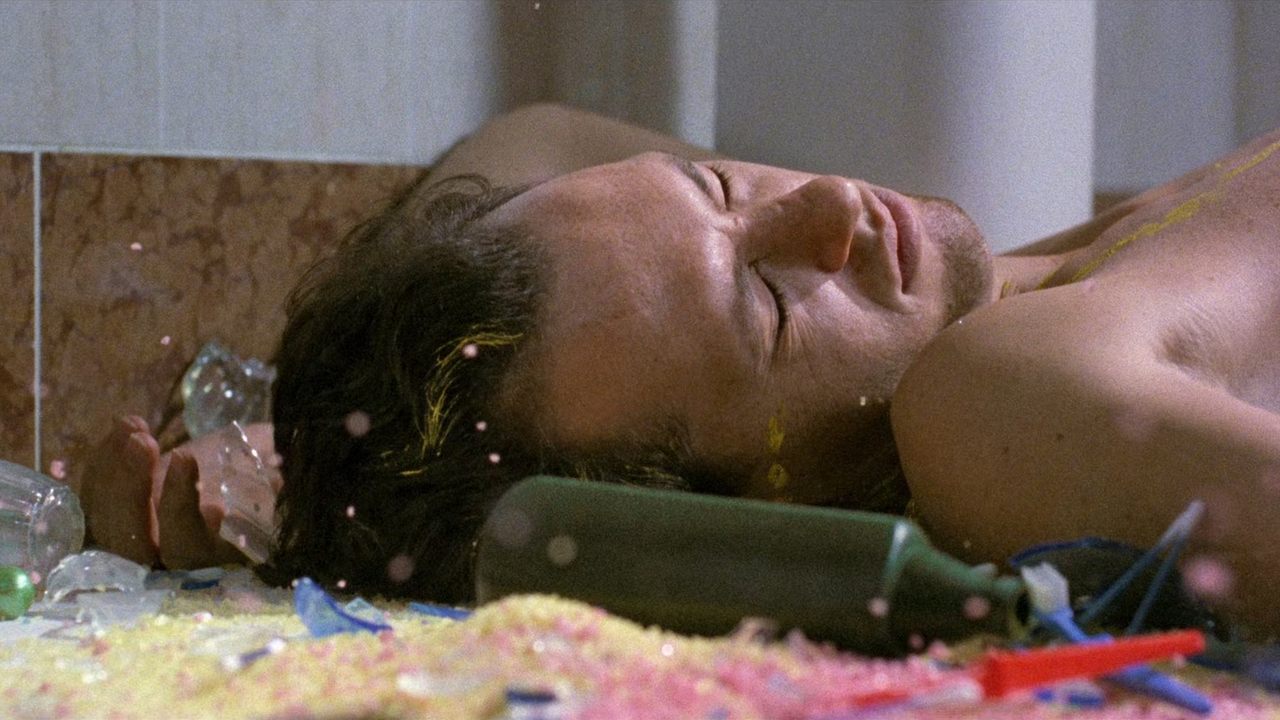
Justification: While its abrasive tone and grotesque elements might not be for everyone, How to Get Ahead in Advertising is a searingly original and fiercely intelligent piece of filmmaking. Richard E. Grant's monumental dual performance is worth the price of admission alone, and Bruce Robinson's uncompromising satirical vision remains potent. It's challenging, unforgettable, and darkly hilarious – a true cult classic that perfectly captured a specific kind of late-80s anxiety and still resonates with uncomfortable truth today.
It leaves you pondering not just the madness on screen, but the subtler insanities we accept in our own hyper-commodified world. Definitely one for the adventurous VHS hunter.