Some tapes felt different in your hand. Heavier, somehow. Not physically, but with the weight of the images contained within. Discovering Jan Švankmajer's Food (Jídlo) back in the day felt like unearthing a forbidden object, something smuggled from a dimension operating on dream logic and decay. This wasn't your typical late-night creature feature; this 1992 Czech short film burrowed under the skin with a chilling, almost clinical observation of humanity's most basic urge, twisting it into a grotesque mechanical ballet. Forget jump scares; this is the kind of unease that lingers, a psychic indigestion caused by witnessing something profoundly wrong.
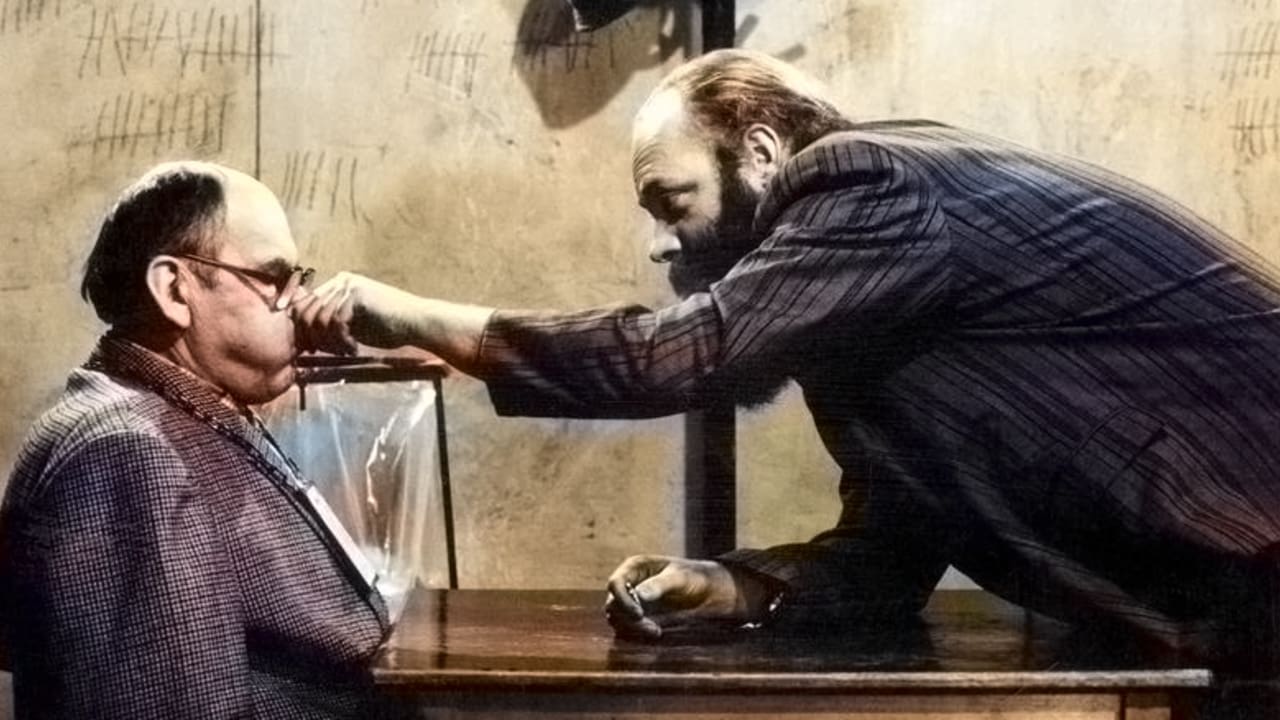
The Austerity of Breakfast
The film opens not with warmth, but with stark, cold ritual. A man sits, patiently waiting. Another enters, inserts a coin into the first man's chest, and proceeds to operate him like a vending machine, slapping his face to produce food, kicking his shin for utensils. Then, the roles reverse. There's no dialogue, only the scrape of cutlery, the clink of the coin, the hollow thud of flesh being struck. Švankmajer, a master surrealist whose influence echoes in the works of Terry Gilliam and the Quay Brothers, uses stop-motion here with unsettling precision. The movements are jerky, puppet-like, stripping the actors (Ludvík Šváb, Bedrich Glaser) of their humanity until they are mere cogs in a bizarre digestive apparatus. It sets the tone immediately: this isn't about nourishment; it's about consumption as a cold, loveless transaction. The starkness of the setting, the utilitarian clothing – it all screams alienation.
A Gluttonous Lunch
If Breakfast was mechanical, Lunch descends into chaotic, upper-class gluttony. Two diners sit at a lavishly set table, eagerly awaiting a meal that never seems to arrive from the beleaguered waiter. Frustrated, they begin consuming everything else: the flowers, their plates, their shoes, their clothes, ultimately turning on the table and chairs themselves. The animation here becomes more frantic, the sound design a symphony of crunching, tearing, and slurping. Švankmajer, who often explored themes of societal breakdown and the absurdity of ritual in works like Dimensions of Dialogue (1982) and Alice (1988), pushes the satire further. Is this a critique of bourgeois decadence, or simply a surreal depiction of insatiable hunger? The tactile nature of the stop-motion, the way fabric shreds and porcelain cracks, feels disturbingly real, a testament to the painstaking craft involved. You can almost feel the textures, smell the decay.
The Cannibalism of Dinner
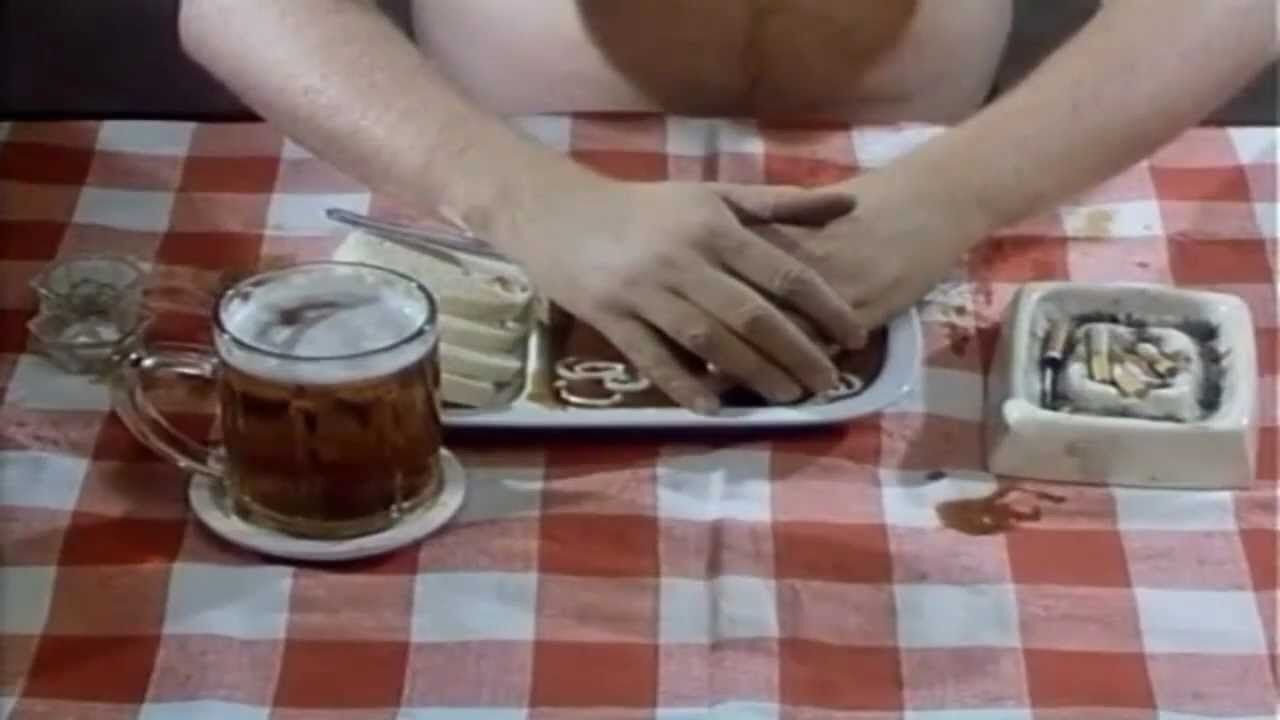
The final segment, Dinner, takes the film's themes to their most visceral and literal conclusion. A man sits at a table, meticulously seasoning and preparing... his own arm. He carves slices, forks them into his mouth, occasionally pausing to consult a recipe book for self-preparation. This sequence, blending live-action with Švankmajer's signature stop-motion flourishes, is pure nightmare fuel. The act is presented with such matter-of-factness, such culinary focus by actor Jan Kraus, that it transcends simple gore into something profoundly unsettling about self-consumption, both literal and metaphorical. It's rumored that Švankmajer often faced bureaucratic hurdles under Czechoslovakia's communist regime; while direct political allegory might be elusive, the themes of consuming oneself, of society feeding on its own, feel potent and darkly relevant. The practical effects, the way flesh gives way to the knife, hold a disturbing physicality that CGI rarely achieves. Doesn't that image just stick with you, even now?
A Masterclass in Unease
Food isn't a narrative film in the traditional sense. It’s a triptych of dread, a moving painting of grotesque consumption. Švankmajer uses the medium of animation not for whimsy, but to dissect and distort reality, forcing us to confront the uncomfortable truths hidden within everyday actions. The lack of dialogue amplifies the experience, making the sounds of eating – usually comforting – into something alien and menacing. It’s a film that relies entirely on its visuals and atmosphere, creating a palpable sense of discomfort that’s hard to shake. Finding this on a grainy VHS tape, perhaps tucked away in the 'Foreign' or 'Cult' section of the rental store, felt like discovering a secret handshake into a darker, weirder world of cinema. I distinctly remember the silence after it ended, the screen flickering to static, leaving behind only those disturbing images.
The Verdict
Food is not entertainment in the conventional sense; it's a challenging, confrontational piece of art cinema. It’s brilliantly crafted, deeply unsettling, and utterly unforgettable. For fans of surrealism, experimental animation, or films that genuinely disturb rather than merely startle, this is essential viewing. Its power lies in its stark, uncompromising vision and its masterful use of stop-motion to create a world both familiar and terrifyingly alien.
Rating: 9/10
Justification: The score reflects Food's mastery of atmosphere, its technical brilliance in animation, its chilling thematic resonance, and its undeniable power to disturb and provoke thought. It’s a near-perfect execution of Švankmajer's unique surrealist vision, losing perhaps a single point only for its sheer impenetrability for some viewers, though that is arguably part of its strength.
Final Thought: Decades later, Jan Švankmajer's Food remains a potent and indigestible morsel of cinematic brilliance – a reminder that sometimes the most terrifying meals are the ones served by ourselves.