What happens in the quiet moments, behind the closed doors of seemingly ordinary lives? Jan Švankmajer's 1996 film, Spiklenci slasti (better known to us video hounds as Conspirators of Pleasure), doesn't just peek behind those doors; it meticulously, almost clinically, observes the strange ceremonies unfolding within. This isn't a film you stumble upon lightly, even back in the deeper cuts of the video store aisles, but finding it felt like unearthing a secret – a bizarre, tactile, and utterly unforgettable dispatch from the fringes of human desire.
Worlds Behind Walls
Without a single word of spoken dialogue, Švankmajer introduces us to a handful of disconnected individuals dwelling in a muted, almost drab Prague. A tobacconist, a lonely postal worker, a newsreader, her husband, a seemingly proper businesswoman, and a neighbour – each is consumed by the intricate preparation and execution of highly specific, deeply personal fetishes. The film unfolds not through plot in the conventional sense, but through the quiet, dedicated assembly of objects, the construction of elaborate contraptions, and the solitary pursuit of pleasure that borders on the ritualistic. It's a viewing experience that demands patience, immersing you in the potent atmosphere of anticipation and obsession that hangs heavy in these isolated spaces.
The Alchemist of Objects
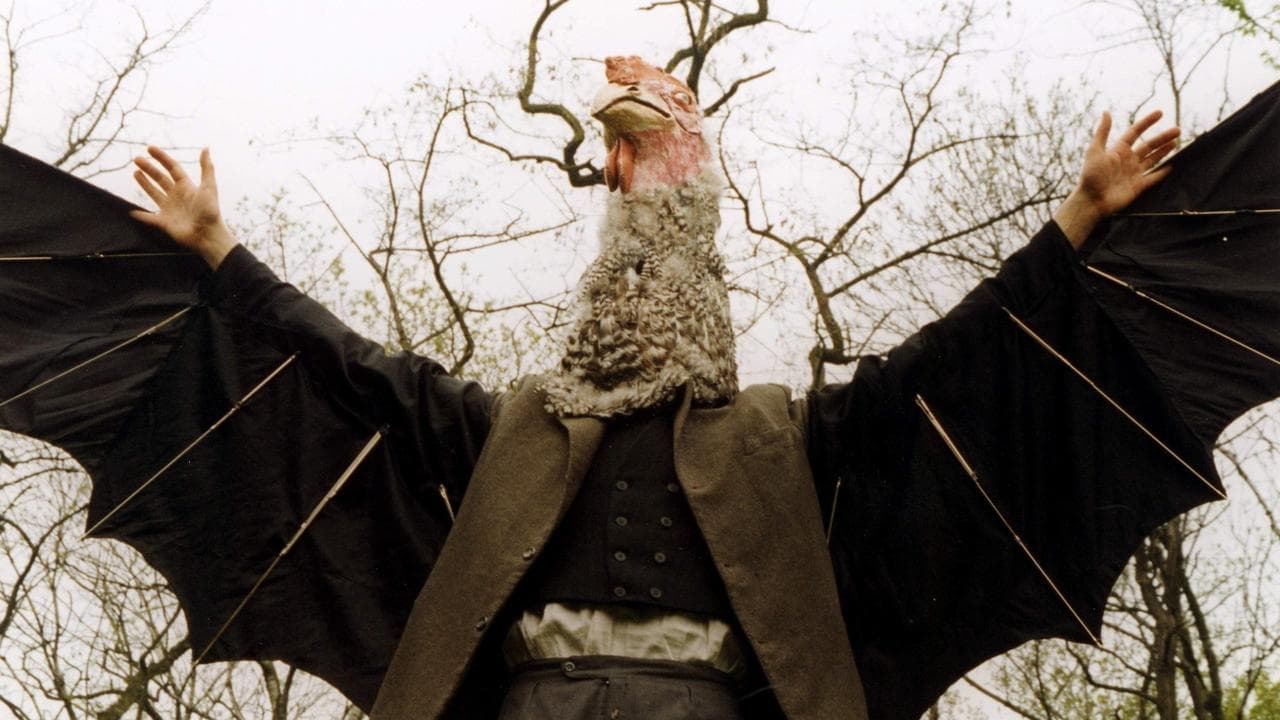
If you know Jan Švankmajer – the Czech surrealist master whose influence can be felt far beyond the animation world (think Alice or his unsettling shorts) – you know his unique alchemy. Conspirators of Pleasure is pure Švankmajer, blending live-action with his signature stop-motion animation in a way that feels entirely organic, if deeply strange. Objects take on a life of their own: bread dough writhes, effigies are painstakingly crafted, chickens become bizarre collaborators. This isn't animation for whimsy; it's animation used to externalize the internal, to give physical form to hidden compulsions. The film is intensely tactile. The sound design, amplified by the lack of dialogue, focuses us on the textures – the squish of dough, the scrape of wood, the rustle of paper – drawing us into the sensory world of these rituals. Švankmajer, deeply rooted in the Prague Surrealist Group and having navigated creative constraints under authoritarian regimes, uses this focus on the physical, the tangible, to explore the untamed territories of the subconscious.
Silent Obsessions
In a film devoid of speech, the burden falls entirely on the physical performances. Petr Meissel, Gabriela Wilhelmová, and Barbora Hrzánová, among the small ensemble cast, deliver remarkable portrayals of intense preoccupation. Their faces often remain impassive, their focus absolute as they engage in their meticulous preparations. It’s in their movements, their precise handling of objects, their moments of quiet contemplation before the act, that we glimpse the depth of their unique compulsions. There’s a strange dignity, almost a solemnity, to their actions, even as the acts themselves are profoundly unconventional. They aren’t presented as mere deviants, but as individuals driven by needs that society offers no outlet for, forcing them into these elaborate, solitary expressions.
Finding the Forbidden on Tape
Discovering Conspirators of Pleasure back in the VHS era was a specific kind of thrill. It wasn’t nestled between the latest blockbusters; you’d find it tucked away, perhaps in the ‘Foreign Films’ section, its plain cover art giving little hint of the surreal journey within. Renting it felt like an act of cinematic exploration, a deliberate step off the beaten path. It’s the kind of film that fueled late-night discussions with fellow movie buffs, trying to unpack its strange logic and unsettling imagery. Švankmajer himself drew inspiration from figures like the Marquis de Sade and Sigmund Freud, plumbing the depths of psycho-sexual theory, but the film never feels academic. It’s visceral, immediate, and often darkly funny in its sheer audacity. The meticulous stop-motion sequences, we now know, took painstaking effort – a testament to Švankmajer’s unwavering artistic vision, often achieved despite challenging circumstances. It certainly wasn't afraid of controversy, provoking walkouts and debate wherever it screened, precisely because it holds a mirror up to the parts of human nature we rarely acknowledge.
Beyond Words
What lingers most after watching Conspirators of Pleasure? It’s the profound sense of isolation that permeates each character’s world, even as they pursue connection through these bizarre, indirect means. Is this a commentary on the failure of conventional communication, or a celebration of the infinite, strange variety of human desire? Švankmajer offers no easy answers. He simply presents these meticulously crafted rituals, these secret ceremonies of the self, and allows us to observe. The film challenges our notions of normalcy, forcing us to confront the possibility that beneath the most mundane exteriors, truly elaborate inner worlds can thrive. It’s unsettling, yes, but also strangely poignant in its depiction of people finding release, however unconventional, in a world that often feels disconnected.
Rating: 8/10
Conspirators of Pleasure earns its high marks for sheer originality, masterful execution of a unique artistic vision, and its power to provoke thought long after the tape clicks off. It’s not an easy watch, nor is it meant to be. Its dialogue-free, observational style and challenging subject matter demand engagement. However, for viewers willing to surrender to Švankmajer’s surreal frequency, it offers a profound, unsettling, and unforgettable look at the hidden rituals that drive us.
It remains a potent reminder that sometimes, the most complex stories are told not with words, but with dough, feathers, and the quiet intensity of a secret obsession.