What truly happens after the unthinkable? So many Cold War thrillers built tension towards the pushing of the button, the launch of the missiles, the moment diplomacy failed. But By Dawn's Early Light, the gripping 1990 HBO movie, dares to start almost exactly there, plunging us headfirst into the chaotic, terrifying hours following the initial nuclear exchange. It’s less about preventing the apocalypse and more about navigating its immediate, horrifying aftermath, asking questions about command, control, and human fallibility under the most extreme pressure imaginable.
The Nightmare Scenario Unfolds
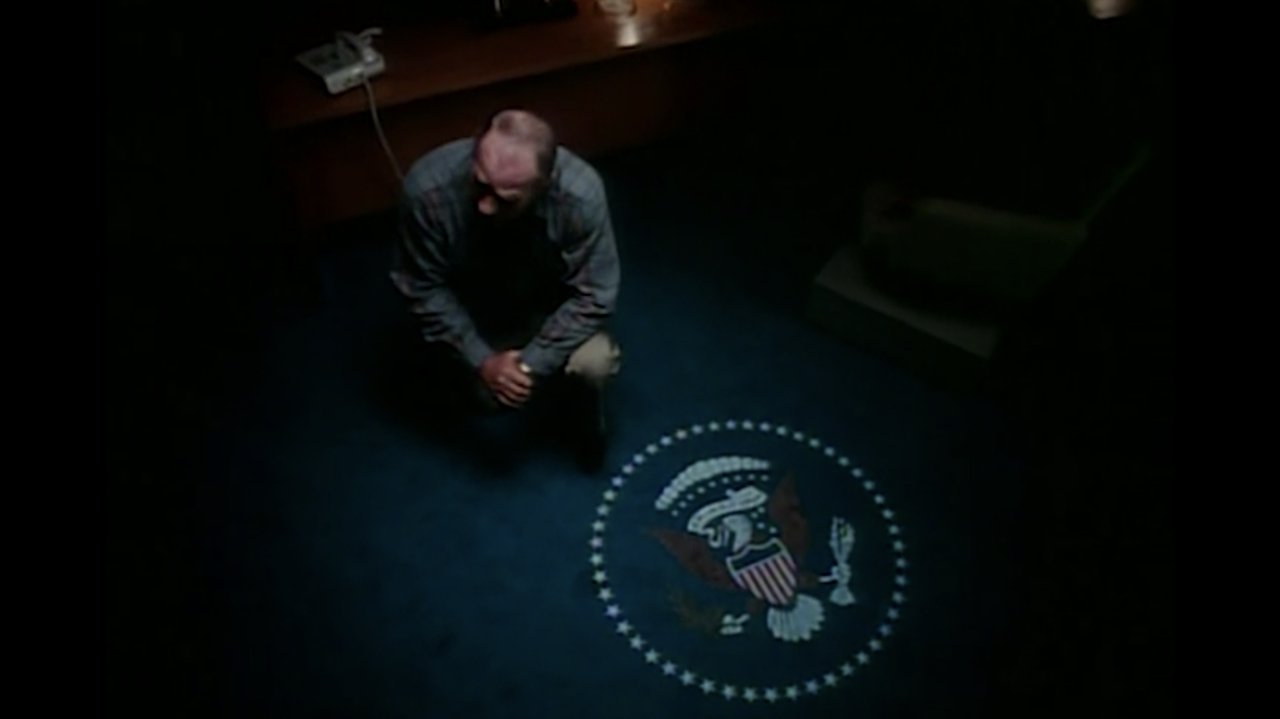
Based on William Prochnau’s novel Trinity's Child, the film posits a chillingly plausible scenario: rogue Soviet elements launch a single nuclear missile at the US, triggering an automated, large-scale American retaliatory strike before the President can intervene. The President is presumed dead aboard Air Force One, and the chain of command fractures amidst contradictory reports and escalating panic. We aren't watching diplomats debate; we're trapped in the cockpits of B-52 bombers hurtling towards their targets, huddled in the airborne command post known as "Looking Glass," and witnessing the terrifying breakdown of certainty. Directed by Jack Sholder, known for quite different fare like A Nightmare on Elm Street 2: Freddy's Revenge (1985) and the cult sci-fi actioner The Hidden (1987), this film showcases his knack for generating unbearable tension within confined spaces.
Faces in the Firestorm

The weight of the unfolding catastrophe rests heavily on the shoulders of its key players. Powers Boothe, radiating his signature steely intensity (remember him from Red Dawn (1984) or Southern Comfort (1981)?), plays Major Cassidy, a B-52 pilot forced to confront the reality of his mission orders. Beside him, Rebecca De Mornay, moving beyond roles like Risky Business (1983), brings a focused composure as Captain Moreau, his co-pilot, grappling with the horrifying implications of their duty. Their dynamic, simmering with unspoken history and professional friction under duress, forms one of the film's compelling human cores. Did you know Boothe and De Mornay actually spent time in B-52 flight simulators to prepare? It lends a layer of strained authenticity to their cockpit interactions.
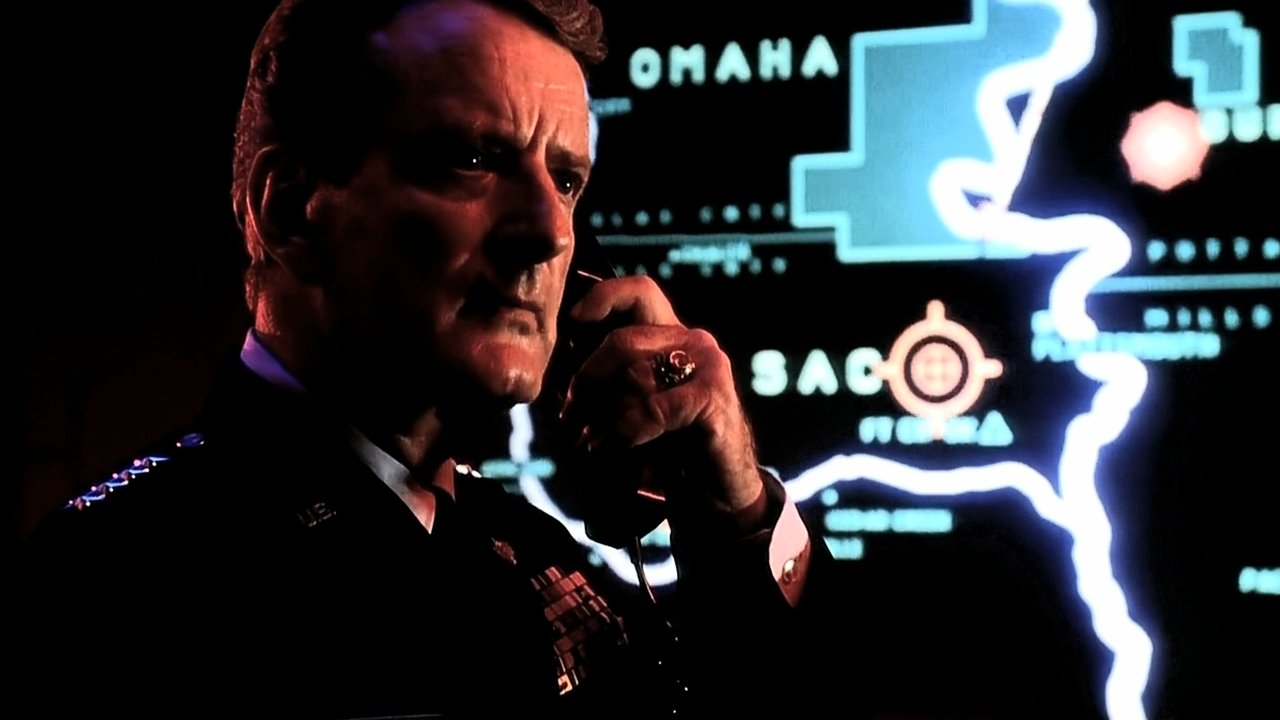
Meanwhile, aboard the Looking Glass aircraft – essentially the backup Pentagon in the sky – James Earl Jones delivers a performance of immense gravity as General "Alice" Crowe, the SAC commander. It’s impossible not to recall his iconic voice in similar high-stakes military roles, notably General Buck Turgidson's advisor in Dr. Strangelove (1964) or Admiral Greer in The Hunt for Red October (released the same year, 1990!), but here, his portrayal is etched with weariness and the crushing burden of impossible decisions. He embodies the terrifying logic of the system, even as it threatens global annihilation. Watching him, you feel the immense isolation of command when the rulebook goes out the window.
HBO Takes Flight
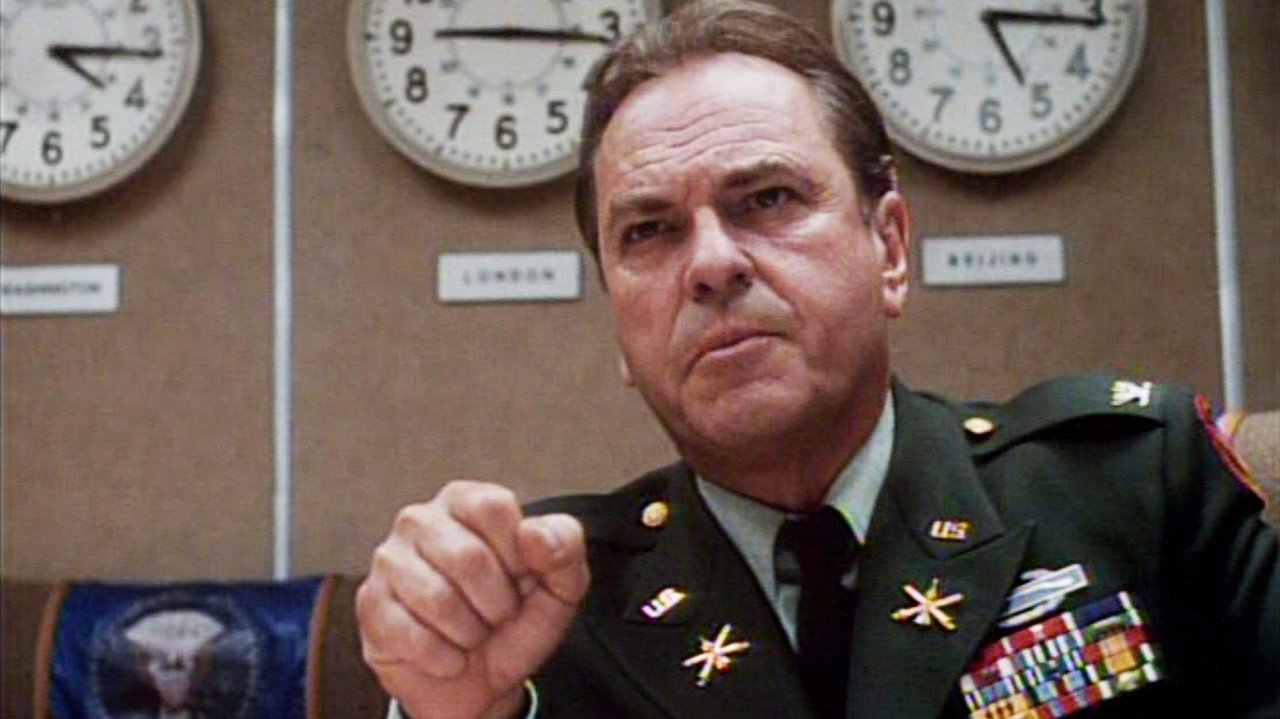

Made for HBO, By Dawn's Early Light exemplifies the high-quality, mature drama the cable network was becoming known for in the late 80s and early 90s. It lacks the budget-busting spectacle of a theatrical blockbuster, but it compensates with tight scripting, procedural realism (apparently military consultants were heavily involved, lending authenticity to the command center and aircraft protocols), and a palpable sense of claustrophobia. Sholder uses the confines of the B-52 cockpit and the Looking Glass command center to brilliant effect, amplifying the psychological pressure. The film even snagged an Emmy Award for its sound editing – a testament to how effectively it used audio cues to build atmosphere and tension, crucial when much of the "action" involves terse radio communications and radar screens.
It’s fascinating to consider this film was produced just as the actual Cold War was thawing. The Berlin Wall had fallen the year before. Yet, the anxieties it tapped into – the fear of accidental war, of systems spiraling out of control, of the human element failing within the terrifying calculus of Mutually Assured Destruction – still felt incredibly potent. Does the sheer arbitrary nature of the initial attack feel almost more terrifying than a calculated, ideologically driven one? It highlights a different kind of dread – the possibility of annihilation through pure blunder.
Echoes in the Aftermath
What sticks with you after watching By Dawn's Early Light isn't just the suspense, but the gnawing questions it raises about authority and responsibility. When the established order collapses, who do you trust? Who gets to decide the fate of the world? The film doesn't offer easy answers, presenting flawed characters making impossible choices under unimaginable strain. Boothe's Cassidy, in particular, faces a profound moral dilemma that grounds the high-concept scenario in relatable human conflict.
It might not have the visual bombast of WarGames (1983) or the overt political commentary of Dr. Strangelove, but this 90s thriller possesses a unique, chilling power. It felt intensely real watching it back then, a plausible nightmare scenario broadcast directly into our living rooms via that trusty HBO signal. Finding this on a dusty VHS tape now feels like unearthing a potent time capsule of late Cold War anxiety.
Rating: 8/10
This score reflects the film's incredibly effective tension-building, strong central performances (especially Boothe and Jones), and its chillingly plausible exploration of nuclear command breakdown. It overcomes its TV movie constraints through smart direction and a tight script, delivering a truly gripping experience. While perhaps less widely remembered than some theatrical contemporaries, its focus on the immediate aftermath gives it a unique and unsettling edge that justifies its place as a standout thriller of the era.
It leaves you pondering not just the mechanics of war, but the fragility of the systems – and the people – meant to prevent it. A chilling reminder, even decades later.