Here we go, another trip down the rabbit hole of the video store shelves, dusting off a title that always felt a little… different. Some films announce their intentions loudly, others whisper strange secrets. Tony Richardson's 1984 adaptation of John Irving's sprawling novel, The Hotel New Hampshire, definitely belongs in the latter category. It’s a film that unfolds less like a conventional narrative and more like flipping through a dense, peculiar, and often deeply moving family photo album, filled with moments both inexplicably bizarre and heartbreakingly real.
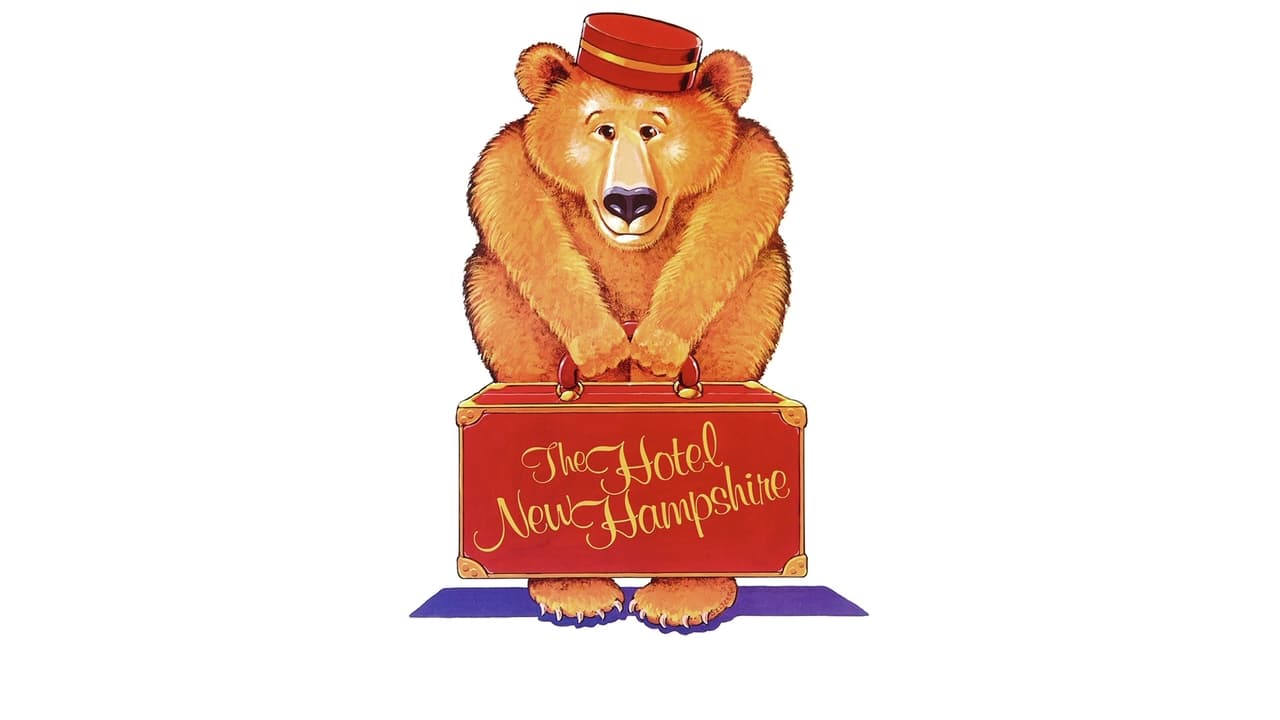
A World Crammed with Life (and Bears)
Adapting John Irving is no small feat. His novels are brimming with eccentric characters, tangential plots, recurring motifs, and a unique blend of whimsy and darkness. The Hotel New Hampshire, perhaps even more so than The World According to Garp (released two years prior), feels like trying to bottle a whirlwind. Richardson, who co-wrote the screenplay with Irving himself – a fascinating detail suggesting a shared vision, or perhaps a shared struggle with the material – doesn't shy away from the novel's density. The result is episodic, sometimes jarringly so, as we follow the Berry family through their tumultuous attempts to run hotels, first in New Hampshire, then in Vienna, and finally back in Maine.
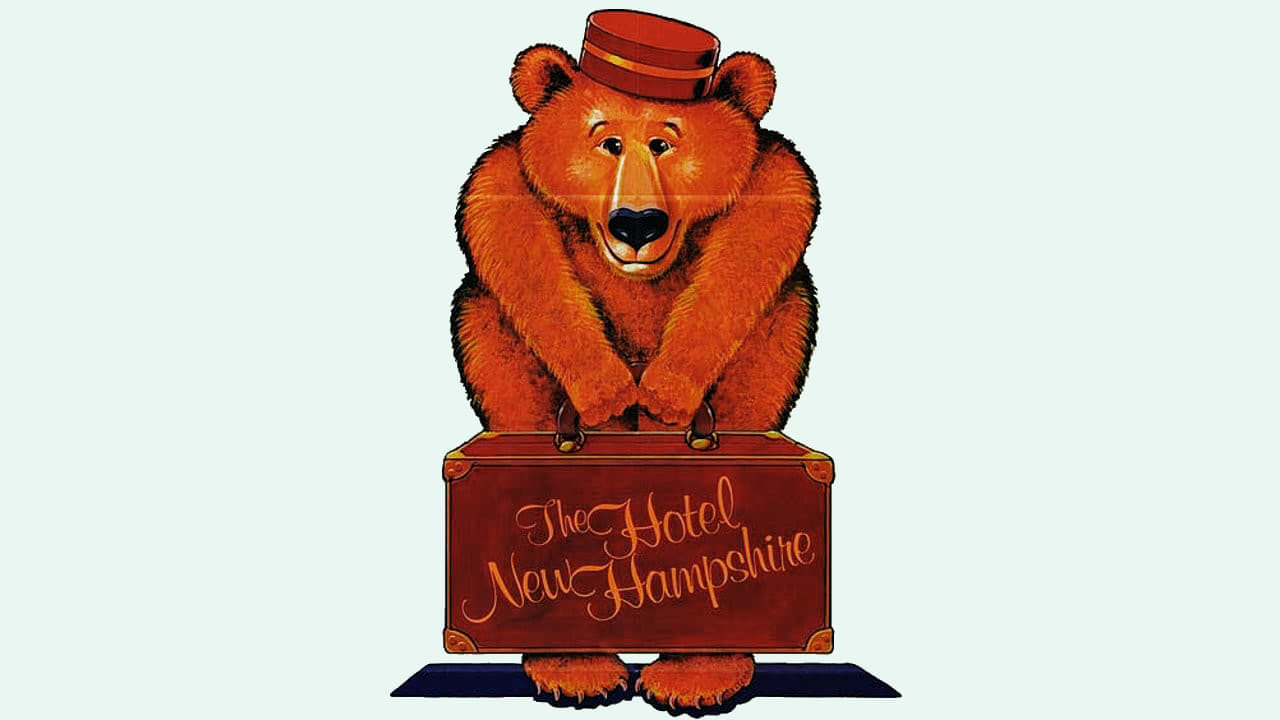
The sheer volume of stuff that happens is almost overwhelming: dreams of bears, actual bears (one played rather iconically, if briefly, by Nastassja Kinski, who reportedly studied mime for the non-speaking role), tragic accidents, radical terrorists, family secrets, sexual awakenings, profound loss, and the ever-present, slightly melancholic optimism embodied by the family patriarch, Win Berry. Played with a gentle, unwavering dreamer quality by Beau Bridges, Win is the glue attempting to hold this chaotic universe together, often through sheer force of hopeful, slightly naive will. I remember renting this, probably nestled between a slasher flick and a high-concept comedy, and feeling utterly unprepared for the strange journey it offered.
The Berry Bunch: Portraits of Resilience
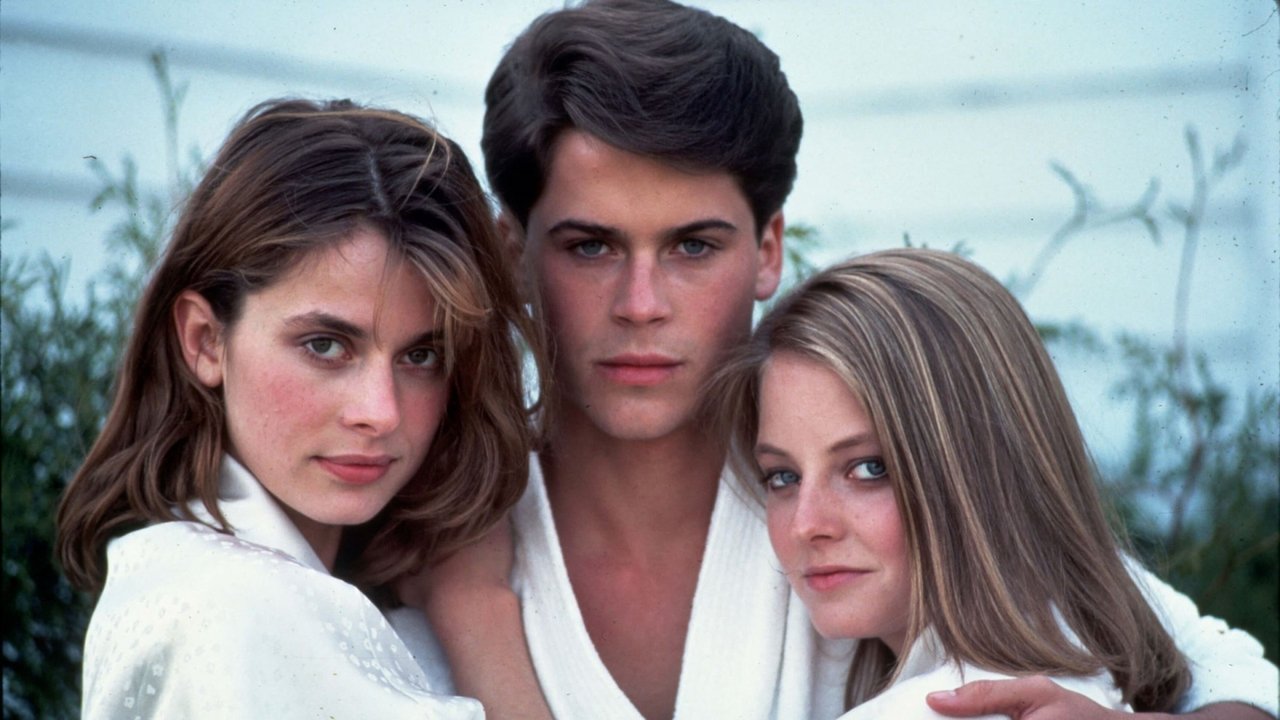
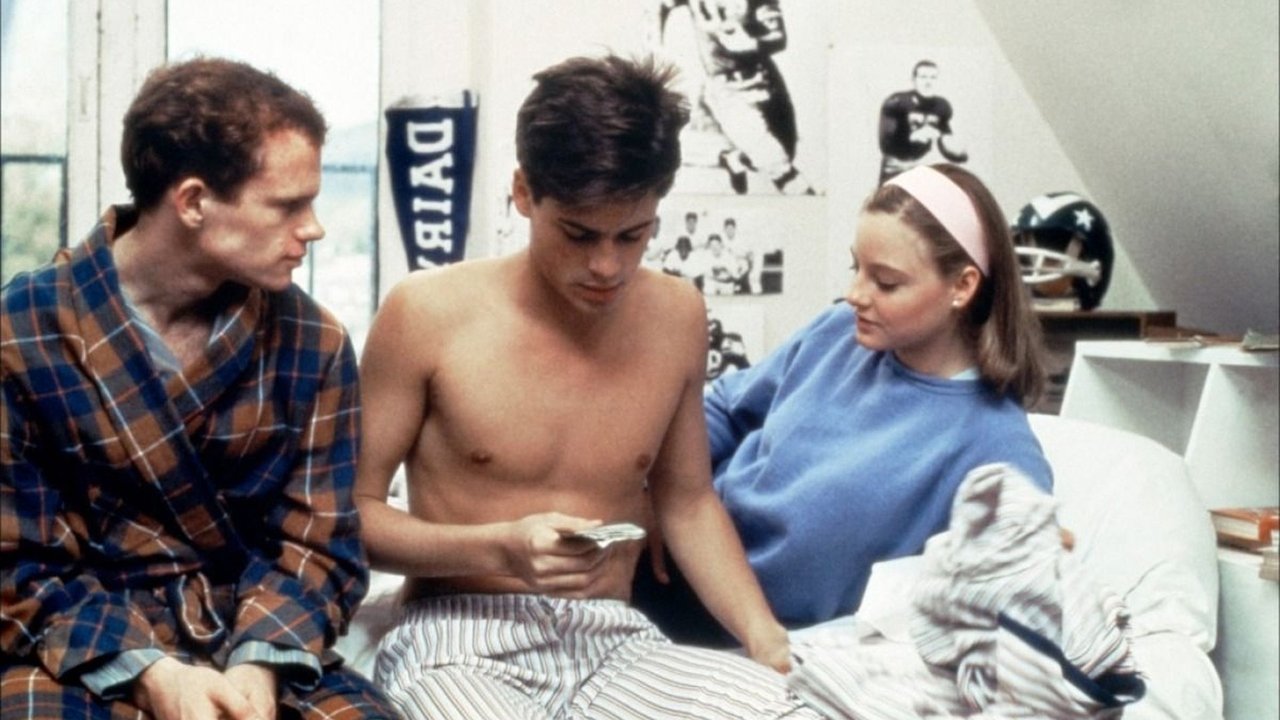
Where the film truly finds its footing is in its performances. Jodie Foster, as the fiercely intelligent and protective Franny Berry, is captivating. Even then, relatively early in her post-child-star career, she possessed an unnerving maturity and intensity. Franny navigates the story's most challenging currents, including incestuous undertones and the aftermath of assault, with a resilience that feels both earned and exhausting. Her bond with her brother John, played with earnest sensitivity by Rob Lowe (a role Matthew Modine also auditioned for), forms the emotional core. Their shared looks and unspoken understandings often convey more than the sometimes-cluttered dialogue.
The supporting cast is equally memorable, each contributing to the tapestry of oddity. There’s Wilford Brimley as Iowa Bob, the gruff grandfather figure, and the various denizens of their hotels, each adding another layer to the Berrys' strange world. It’s a testament to the actors and Richardson's direction that these characters, despite their often extreme circumstances, feel grounded in some recognizable human emotion – be it love, grief, confusion, or the simple desire to belong.

Weaving Whimsy and Woe
The film's tone is its most distinctive, and perhaps most divisive, feature. It swings wildly between lighthearted absurdity (a man in a bear suit, the family motto "Keep passing the open windows") and sudden, stark tragedy. This tonal tightrope walk mirrors Irving's prose but can feel uneven on screen. The Vienna section, involving prostitutes, radicals, and bombs, feels particularly jarring, almost like stepping into a different film entirely. Yet, there's a deliberate quality to this strangeness. Life, the film seems to suggest, is this chaotic mix of the mundane, the magical, and the horrific, often arriving without warning or explanation.
Finding this film on VHS felt like discovering something slightly outside the mainstream currents of the early 80s. Its frankness about sexuality and violence, earning it an R rating, combined with its quirky sensibility, likely contributed to its mixed reception and modest box office performance (grossing just over $5 million against a budget estimated around $8-10 million). Filmed mostly in Quebec, with the imposing Hotel Tadoussac standing in for the titular establishment, the production itself seems to mirror the Berrys' own peripatetic journey.
Legacy of an Oddity
The Hotel New Hampshire isn't a perfect film. Its episodic nature can feel disjointed, and its sheer eccentricity might alienate some viewers. It doesn't quite achieve the cohesive magic of Garp, perhaps because it tries to cram even more novel into its runtime. Yet, its ambition is undeniable, and its core performances, particularly Foster's, are incredibly strong. It lingers in the memory precisely because of its strangeness, its willingness to embrace life's messy contradictions without easy answers. It’s a film about the fierce, often unconventional ways families stick together, about surviving the unsurvivable, and about the ghosts – and bears – that haunt our personal histories. It asks us, implicitly, how we navigate the absurd tragedies life throws our way, and how we find moments of grace amidst the chaos.
Rating: 7/10
Justification: While the narrative sometimes stumbles under the weight of its source material and the tonal shifts can be jarring, The Hotel New Hampshire boasts truly compelling performances, particularly from Jodie Foster and Beau Bridges. Its unique blend of whimsy and darkness, its courage in tackling difficult themes, and its sheer, unforgettable oddity make it a standout piece of 80s filmmaking. It’s a flawed gem, but a gem nonetheless, capturing a specific, strange magic that feels emblematic of ambitious, personal filmmaking from the era – the kind of film you might have stumbled upon in the video store and never quite forgotten.
Final Thought: It’s a film that reminds you that sometimes the strangest stories feel the most true, leaving you pondering the resilience of the human heart long after the tape has rewound.