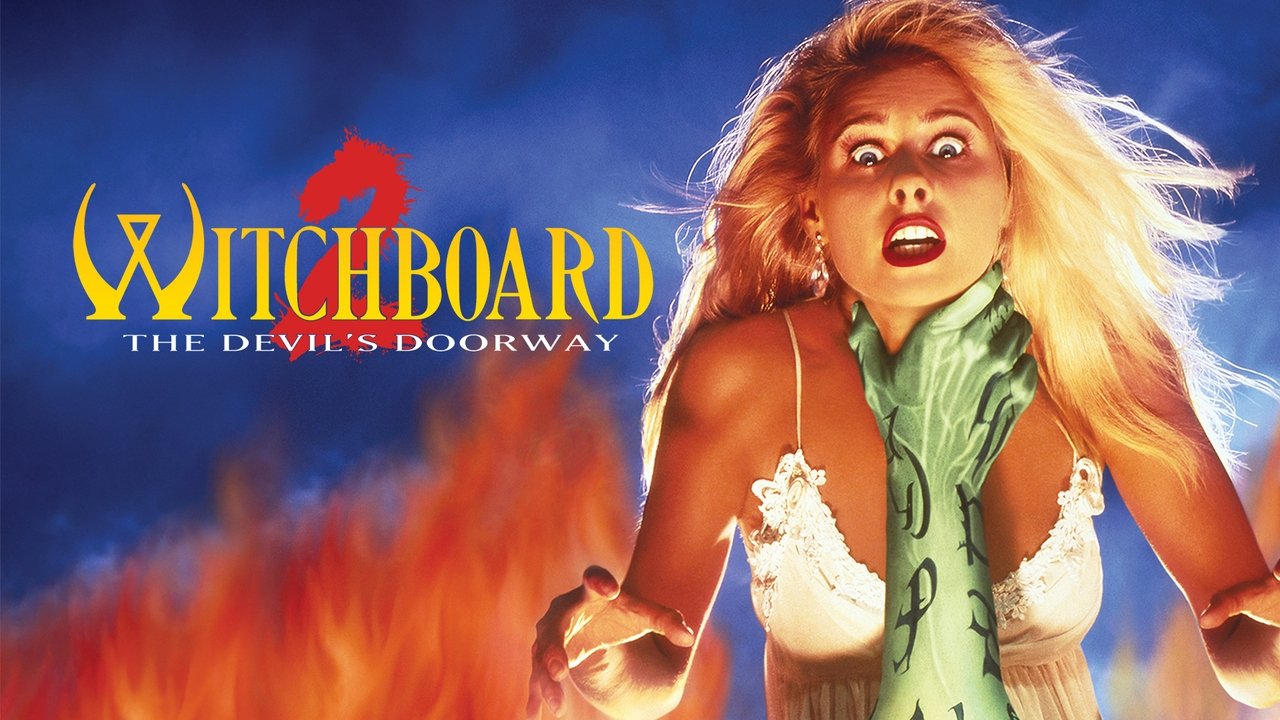
Witchboard 2: The Devil's Doorway
The hiss of the VCR starting up, the slightly fuzzy tracking lines... and then, the familiar sight of that planchette gliding across the polished wood. There's an undeniable, almost primal pull to the Ouija board, isn't there? A sense of tapping into something forbidden, something just beyond the veil. It’s that very feeling that Kevin S. Tenney taps into again, seven years after his original sleeper hit, with Witchboard 2: The Devil's Doorway (1993). This isn't just a rehash, though; it’s a distinctly early 90s affair, swapping the sun-drenched California haze of the first film for a moodier, apartment-bound haunting.
### An Invitation Across the Threshold
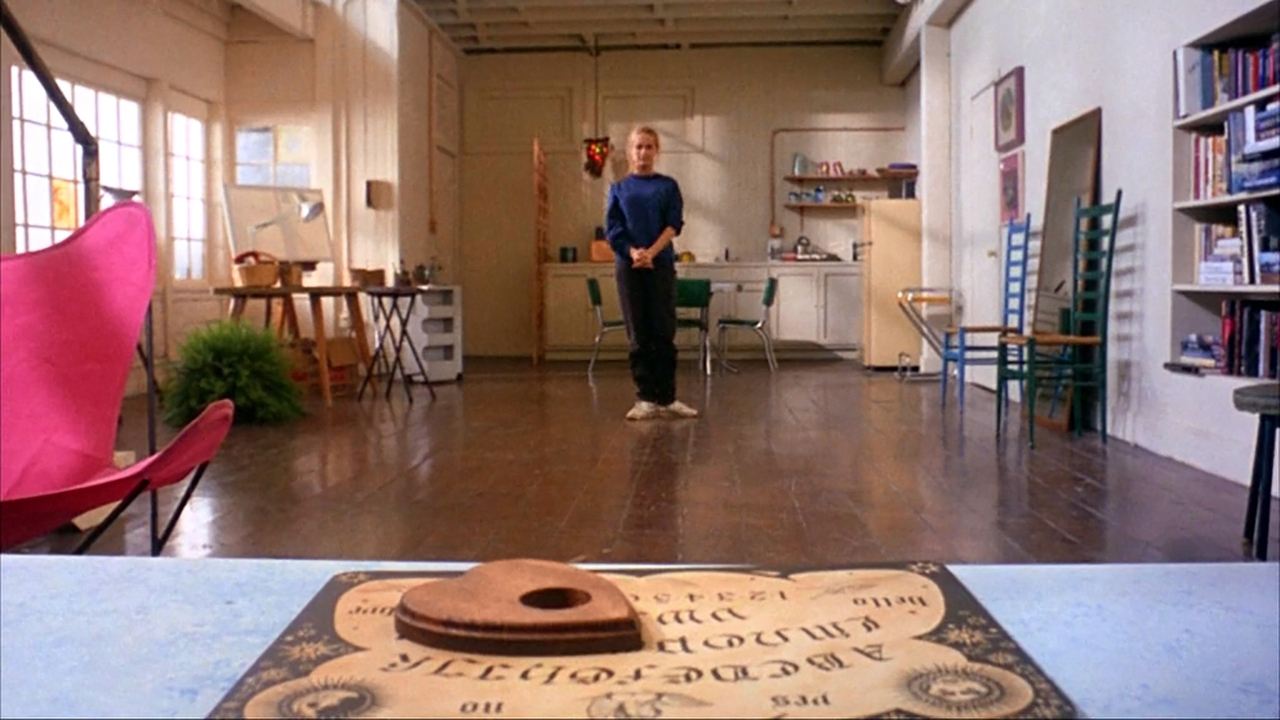
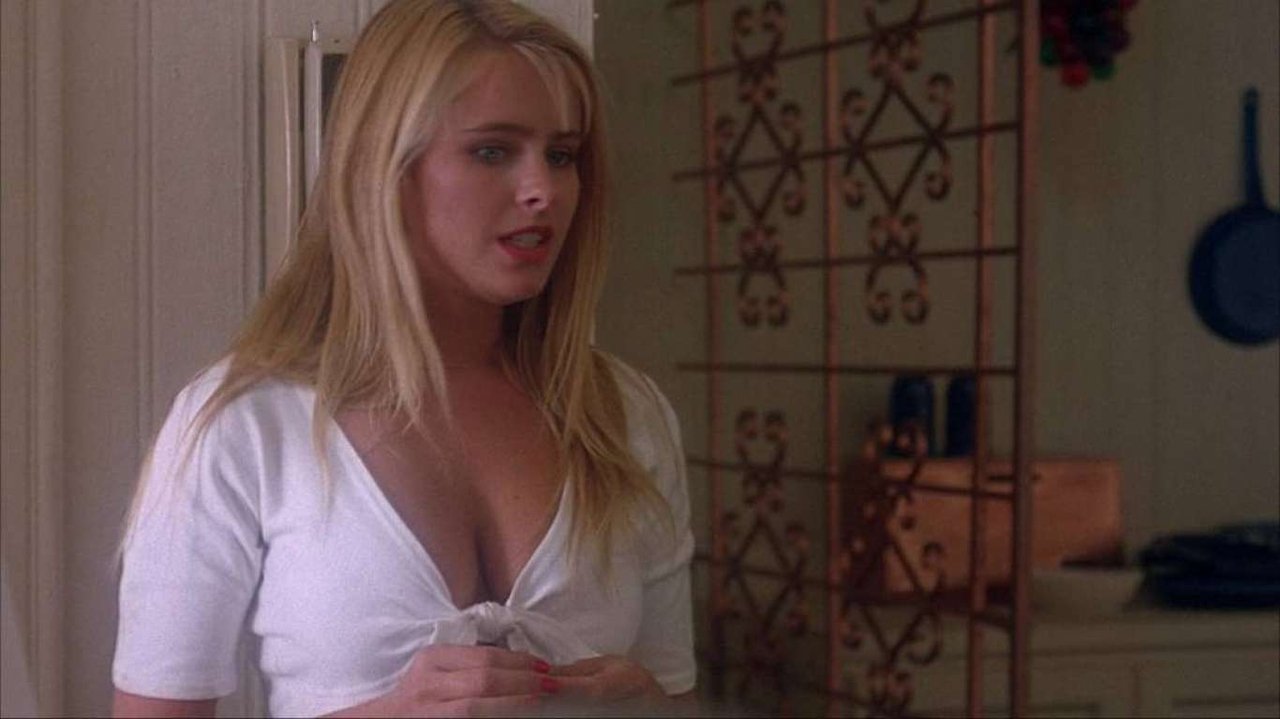
We meet Paige Forrester (Ami Dolenz, instantly recognizable to many from She's Out of Control and yes, daughter of The Monkees' Micky Dolenz), an aspiring artist trying to make a fresh start after a breakup. She lands a spacious, suspiciously cheap loft apartment – the kind that only exists in movies, practically begging for supernatural trouble. Sure enough, tucked away in a closet is the titular witchboard, seemingly left behind by a previous tenant. Paige, initially skeptical but intrigued, can't resist giving it a try. And wouldn't you know it, she makes contact. A spirit named Susan enters the picture, initially helpful, offering Paige advice and even inspiration for her art. But as anyone who’s ever seen a horror movie knows, spirits contacted via Ouija rarely stay benign for long.
What Witchboard 2 captures effectively is that slow-burn creepiness, the gradual escalation from seemingly innocent contact to something far more sinister. Dolenz carries the film admirably, portraying Paige's journey from curiosity to dependence, and finally to outright terror. She sells the vulnerability and the growing unease, making her a relatable anchor amidst the escalating paranormal phenomena. It’s a performance that grounds the film, even when the plot takes some familiar turns. Remember seeing her face on that VHS cover back at the local video store? It definitely stood out amongst the action heroes and masked killers.
### Echoes in a Rented Room
Kevin S. Tenney, pulling double duty as writer and director just like on the original Witchboard (1986) and the cult classic Night of the Demons (1988), clearly knows this territory. He understands the inherent suspense of the Ouija board itself. The scenes where Paige communicates with "Susan" are often the most effective, relying on atmosphere, sound design, and Dolenz's reactions rather than overt scares. The slight scraping sound of the planchette, the ambiguous answers, the growing sense that something isn't right – it’s classic supernatural fare done with a certain workmanlike efficiency that defined many direct-to-video horror sequels of the era.
There's a distinct feel to early 90s horror, isn't there? A transition period moving away from the slasher boom but before the Scream-era meta-commentary fully took hold. Witchboard 2 fits neatly into that niche. The production design feels authentic to the time – Paige’s art, her wardrobe, the look of the loft. It doesn't have the budget for extravagant set pieces, often relying on more subtle, suggestive chills. Reportedly filmed on a modest budget (as many sequels aiming for the home video market were), Tenney makes the most of his resources, focusing on building tension within the confines of the apartment. It’s a testament to how effective simple suggestion could be back then, perhaps even more so on a grainy CRT screen late at night.
### Familiar Spirits, Fresh Faces
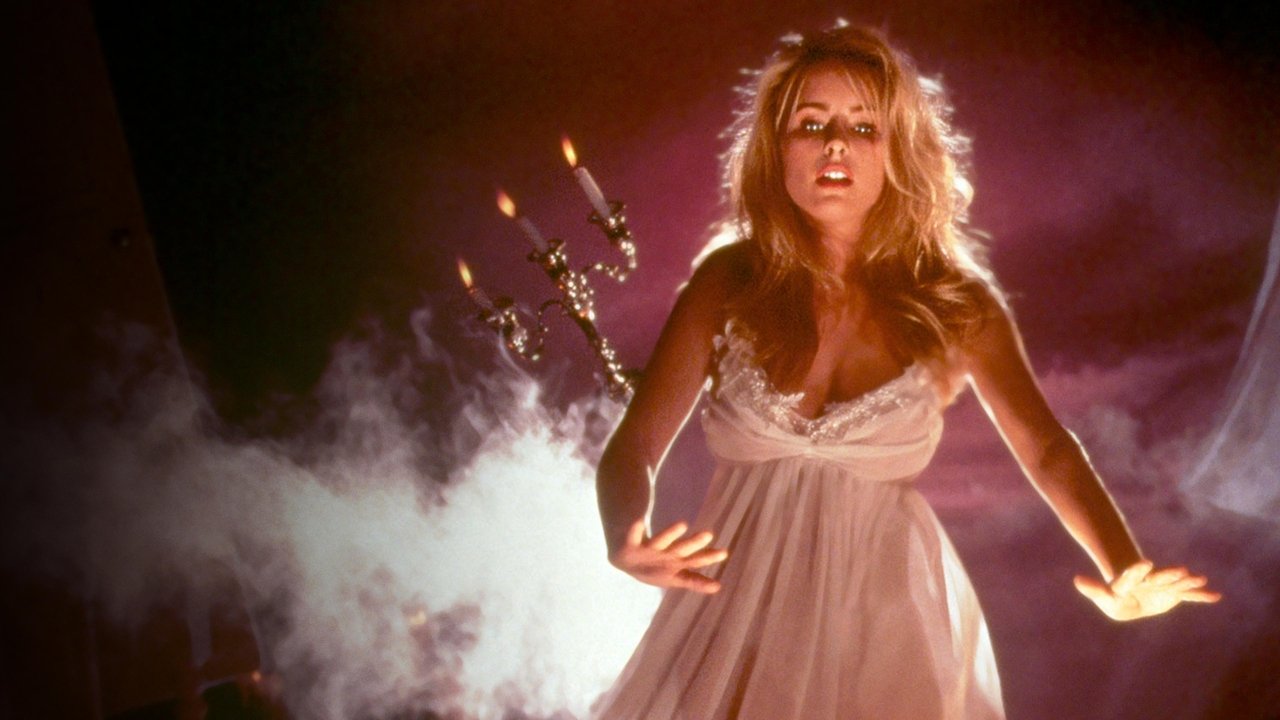
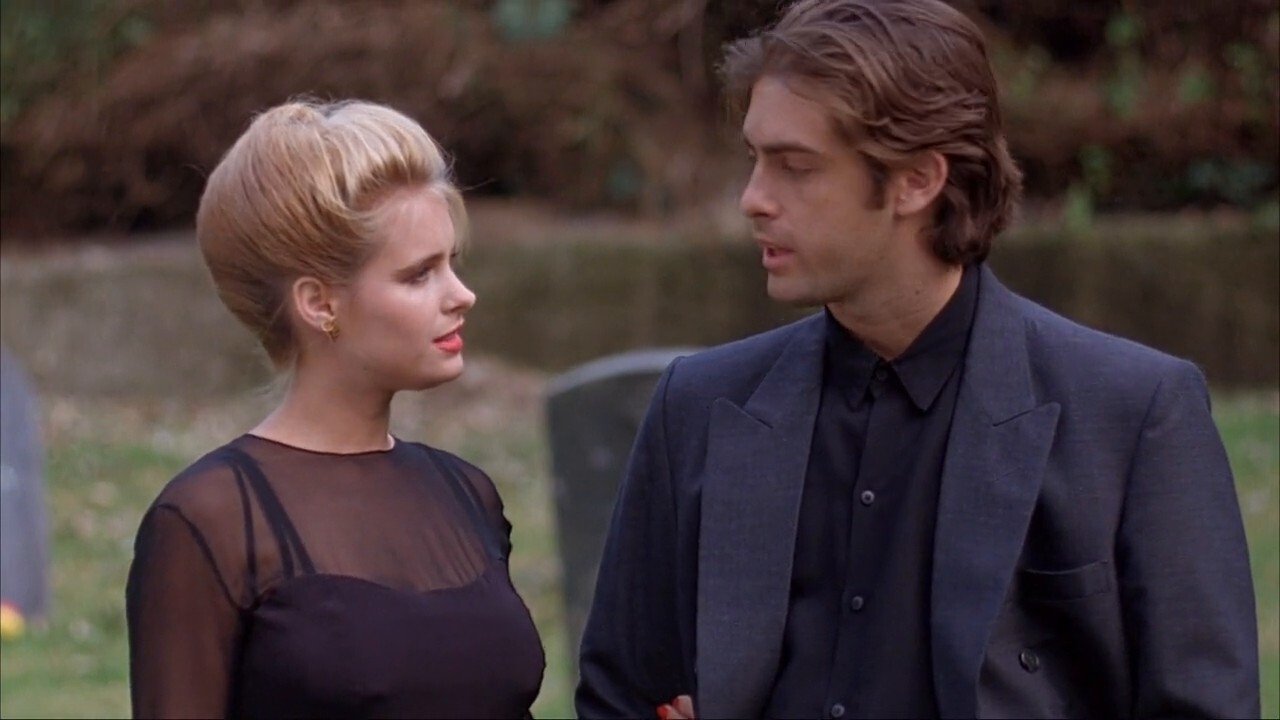
While Tawny Kitaen’s presence loomed large over the original, Witchboard 2 benefits from Ami Dolenz’s different energy. Supporting players like Timothy Gibbs as Paige's concerned ex-boyfriend Mitch and John Gatins (who would later write films like Real Steel and Flight) as Russell, Susan's supposed brother, fill out the cast adequately. There are twists and turns, ghostly apparitions, and the inevitable investigation into the board's history and the apartment's dark past. Does it break new ground? Not particularly. The plot mechanics feel somewhat well-trodden, especially if you're familiar with the first film or Ouija board horror in general.
Yet, there’s an undeniable charm here. Maybe it's the straightforward nature of the storytelling, the lack of cynicism, or just the sheer nostalgia factor. This was the kind of movie you’d grab off the shelf on a Friday night, maybe alongside a pizza and some friends, ready for some spooky entertainment. It delivered exactly what it promised: a supernatural thriller with a few decent jumps and a pervasive sense of unease centered around that iconic board. The practical effects, while perhaps looking a bit dated now, had a tangible quality back then – the levitating objects, the ghostly manifestations felt present in a way CGI often struggles to replicate.
### Final Thoughts on the Board
Witchboard 2: The Devil's Doorway isn't a game-changer, nor does it reach the cult status of its predecessor or Tenney's Night of the Demons. It’s a solid, atmospheric sequel that understands its limitations and plays to its strengths. Ami Dolenz gives a committed performance, and Tenney delivers enough spooky atmosphere and Ouija-centric suspense to make it a worthwhile watch for fans of 90s direct-to-video horror. It feels very much of its time, a comfortable, slightly predictable slice of supernatural spookiness that likely graced many a VCR back in the day. It might not leave you sleepless, but it still conjures that specific chill associated with dabbling in things best left undisturbed.
VHS Heaven Rating: 6/10
Justification: The score reflects a film that is competently made, effectively atmospheric in places, and anchored by a strong lead performance from Ami Dolenz. It delivers on the promise of its premise within the familiar framework of 90s DTV horror. However, it loses points for a degree of predictability in its plot and for not quite reaching the memorable heights or scares of the best in the genre, feeling more like a comfortable echo than a bold new statement.
Final Word: A perfect example of a 90s video store staple – familiar, slightly creaky, but still capable of delivering a satisfyingly spooky evening, especially if you have a soft spot for practical effects and Ouija-board chills.