Okay, settle in. Let's talk about a tape that might not have been the Friday night blockbuster rental, but offered something far more potent, something that still buzzes with a raw, almost unsettling energy nearly thirty years later: the 1993 documentary The War Room. This wasn't escapism; it was immersion. Plunging us headfirst into the chaotic, high-stakes nerve center of Bill Clinton's 1992 presidential campaign, it felt less like watching a film and more like being granted a clandestine security pass. What lingers most, perhaps, isn't just the outcome we all know, but the dizzying, almost intoxicating feeling of being inside the machine as it grinds towards history.
Behind the Closed Doors
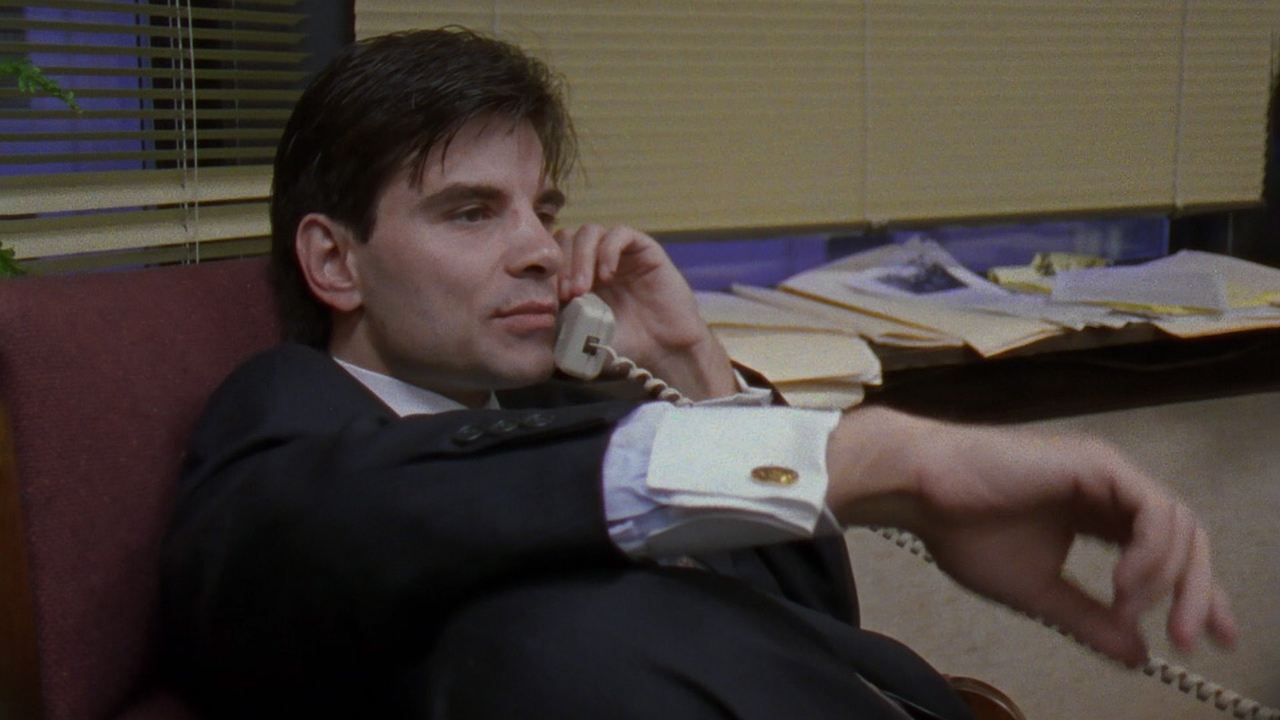
Directed by the formidable duo of Chris Hegedus and D. A. Pennebaker – the latter a titan of direct cinema known for capturing lightning in a bottle with films like Dont Look Back (1967) featuring Bob Dylan – The War Room employed their signature cinéma vérité style. No narration, no overt guiding hand, just observation. They became flies on the wall in the Little Rock, Arkansas headquarters, capturing the frantic pace, the strategic maneuvering, and the palpable tension. It's a style that feels incredibly immediate, even viewed through the nostalgic fuzz of a CRT screen. You can almost smell the stale coffee and nervous energy. Getting this level of access was a coup, a testament to the filmmakers' reputation and perhaps a calculated risk by the campaign itself, banking on transparency (or the appearance of it) as a winning strategy.
The Unexpected Stars
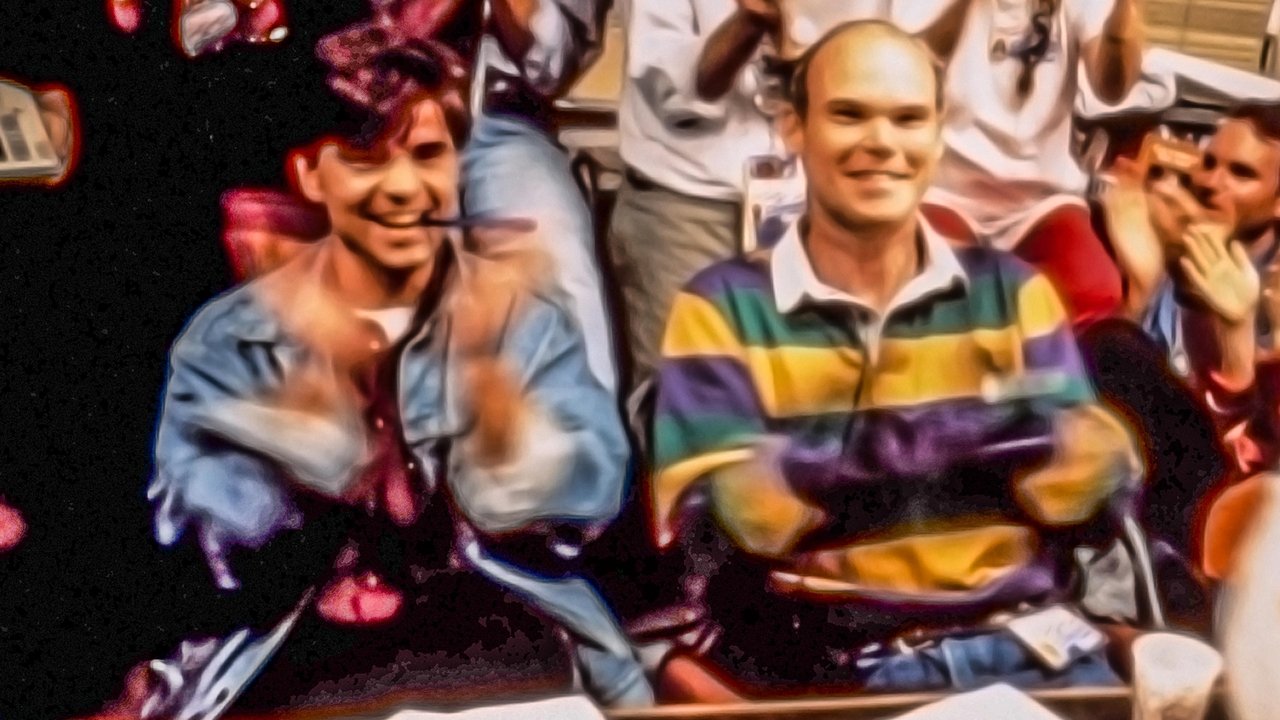
While Bill Clinton himself appears, the film’s undeniable heart beats within two figures who became unlikely household names: lead strategist James Carville and communications director George Stephanopoulos. Carville, the fiery "Ragin' Cajun," is a force of nature – passionate, profane, relentlessly focused, pacing like a caged tiger fueled by righteous indignation and strategic brilliance. His famous mantra, "It's the economy, stupid," scrawled on a whiteboard, became the defining slogan not just of the campaign, but arguably of the era's political discourse. Watching him work is like witnessing a master strategist playing high-stakes chess at lightning speed. I remember being utterly captivated by his raw energy back then; it felt revolutionary compared to the often staid political figures we were used to seeing.
In stark contrast is the younger, cooler, almost impossibly composed Stephanopoulos. He’s the smooth operator, handling the media onslaught, prepping for debates, maintaining an air of calm amidst the storm. The dynamic between these two – the hot-blooded veteran and the cool-headed wunderkind – forms the film's central relationship. Their interactions, their shared pressure, their moments of triumph and frustration are utterly compelling. These aren't actors delivering lines; they are real people navigating immense pressure, and their authenticity is riveting. You see the exhaustion behind their eyes, the flicker of doubt, the surge of adrenaline. It’s a masterclass in human behaviour under duress.
Capturing Lightning
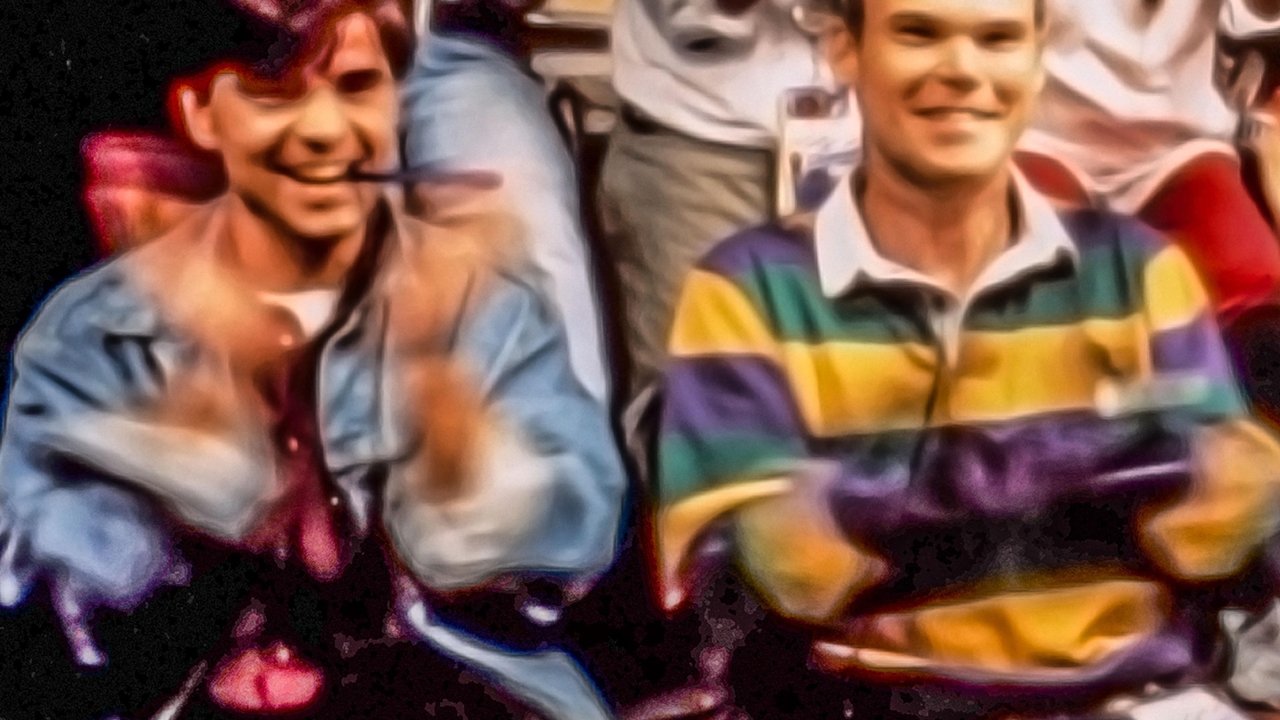

The filmmakers reportedly shot over 100 hours of footage, eventually distilling it into a tight 96 minutes. Think about that – the sheer volume of moments witnessed, the decisions made in the editing room that shaped our perception of this pivotal campaign. They captured key moments: the rapid response to Gennifer Flowers' allegations, the strategic handling of the draft controversy, the intense debate preparations. It's fascinating to see how crises were managed in a pre-internet, pre-24/7 news cycle world – relying on pagers, fax machines, and relentless cable news appearances. The technology might look ancient now (part of that VHS charm, isn't it?), but the human drama, the strategic chess game, feels timeless. It wasn't just about winning; it was about shaping the narrative, controlling the message – a battle fought minute by minute.
One fascinating tidbit is that Pennebaker initially wanted to focus on the candidate himself, but found the real drama, the raw energy, resided within the strategy team. Shifting focus to Carville and Stephanopoulos proved to be a stroke of genius, turning a potentially dry political procedural into a gripping character study. The film earned an Academy Award nomination for Best Documentary Feature, cementing its place not just as a political document, but as a significant piece of filmmaking.
Does It Still Resonate?
Watching The War Room today raises unavoidable questions. How has campaigning changed in the digital age? Has the relentless news cycle and social media made this kind of intense, focused "war room" obsolete, or simply transformed it? There's a certain purity, perhaps, to the 1992 battle captured here – intense, yes, but perhaps less fragmented, less drowned in the noise of perpetual online outrage. The film serves as a vital time capsule, showing the mechanics of modern campaigning just as they were solidifying, before the internet blew everything wide open. Does the relentless focus on strategy and spin feel depressingly familiar, or quaintly analogue compared to today's landscape?
It forces us to consider the nature of political communication itself. Is the "war room" mentality – the constant battle footing, the focus on opposition research and rapid response – ultimately beneficial for democracy, or does it detract from substantive debate? The film doesn't offer easy answers, but presents the reality with startling clarity.
---
Rating: 9/10
This score reflects the film's exceptional achievement in cinéma vérité, its unparalleled access, the captivating real-life "performances" of Carville and Stephanopoulos, and its enduring value as both a historical document and a compelling human drama. It loses a single point perhaps only because its tight focus inherently excludes wider perspectives, but what it does capture, it captures brilliantly.
Final Thought: The War Room remains a potent reminder that behind the slogans and soundbites, politics is intensely, messily human – a high-wire act performed under immense pressure, captured here with an immediacy that still feels breathtaking. A vital watch from the VHS vaults.