Okay, settle in, fellow tape-heads. Sometimes, nestled between the explosive action flicks and neon-drenched sci-fi on those beloved rental shelves, you’d find something… different. Something quiet, talkative, maybe even deceptively simple. Remember pulling a tape off the shelf purely based on an intriguing title or unfamiliar cover art? That’s how I imagine many of us first encountered Éric Rohmer's The Tree, the Mayor and the Mediatheque (L'Arbre, le maire et la médiathèque - 1993). It wasn't your typical Friday night blockbuster fare, yet finding this gem felt like discovering a secret wavelength of cinema, a thoughtful counterpoint humming beneath the usual roar.
A Very French Affair
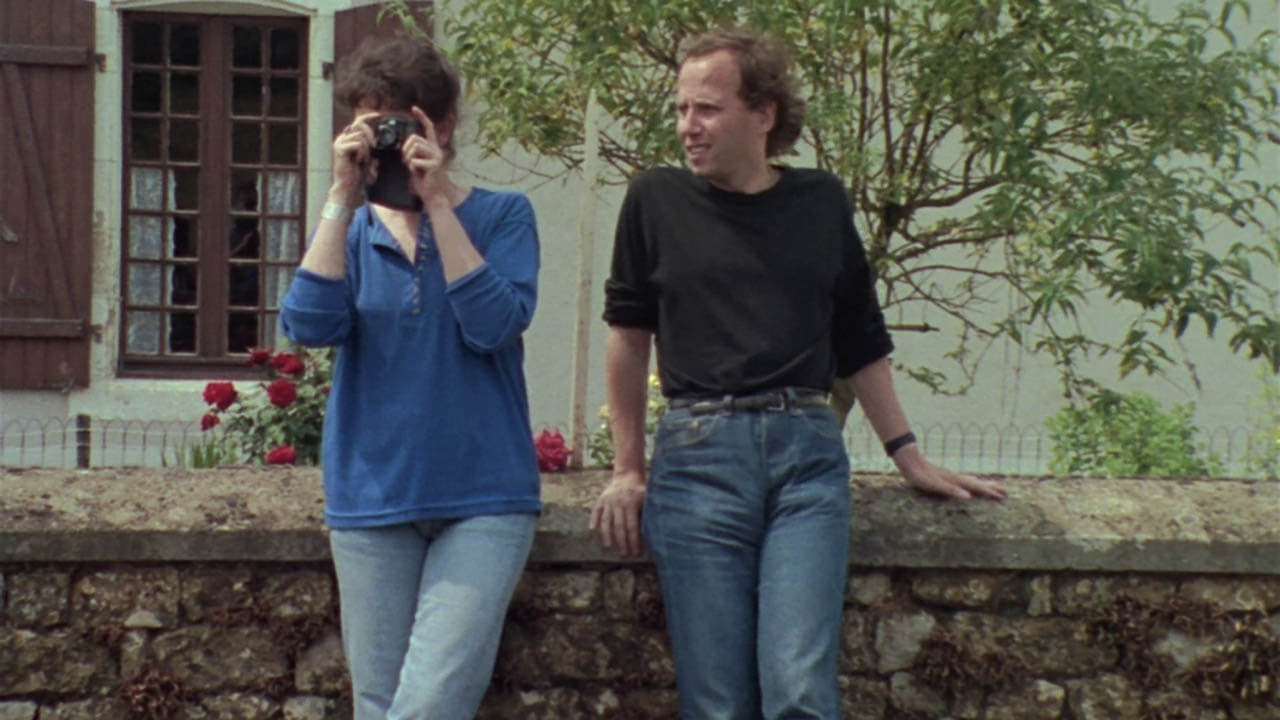
The premise sounds almost quaint: Julien Dechaumes (Pascal Greggory), the young socialist mayor of a small rural village, Saint-Juire-Champgillon (the actual village where it was filmed, lending an immediate layer of authenticity), hatches an ambitious plan. He wants to build a state-of-the-art multimedia library – the médiathèque – believing it will revitalize his community. Standing quite literally in his way is a beautiful, century-old willow tree. And so, the stage is set for a very Rohmer-esque conflict, one fought not with explosions, but with words, ideas, and the subtle shifts of local opinion, all observed with the director's characteristically patient, keen eye.
Rohmer, a key figure of the French New Wave known more for intimate dramas like My Night at Maud's (1969) or his later delightful "Tales of the Four Seasons" series, takes a fascinating detour here into political satire and social commentary. Yet, his methods remain consistent. Forget rapid cuts and swelling scores; this is a film built on conversation. Long takes allow discussions about progress, tradition, ecology, and the very nature of culture to unfold naturally, almost like eavesdropping on the villagers themselves. Rohmer trusts his audience to lean in, to listen not just to what is said, but how it's said, and what remains unspoken between the lines.
Characters as Viewpoints
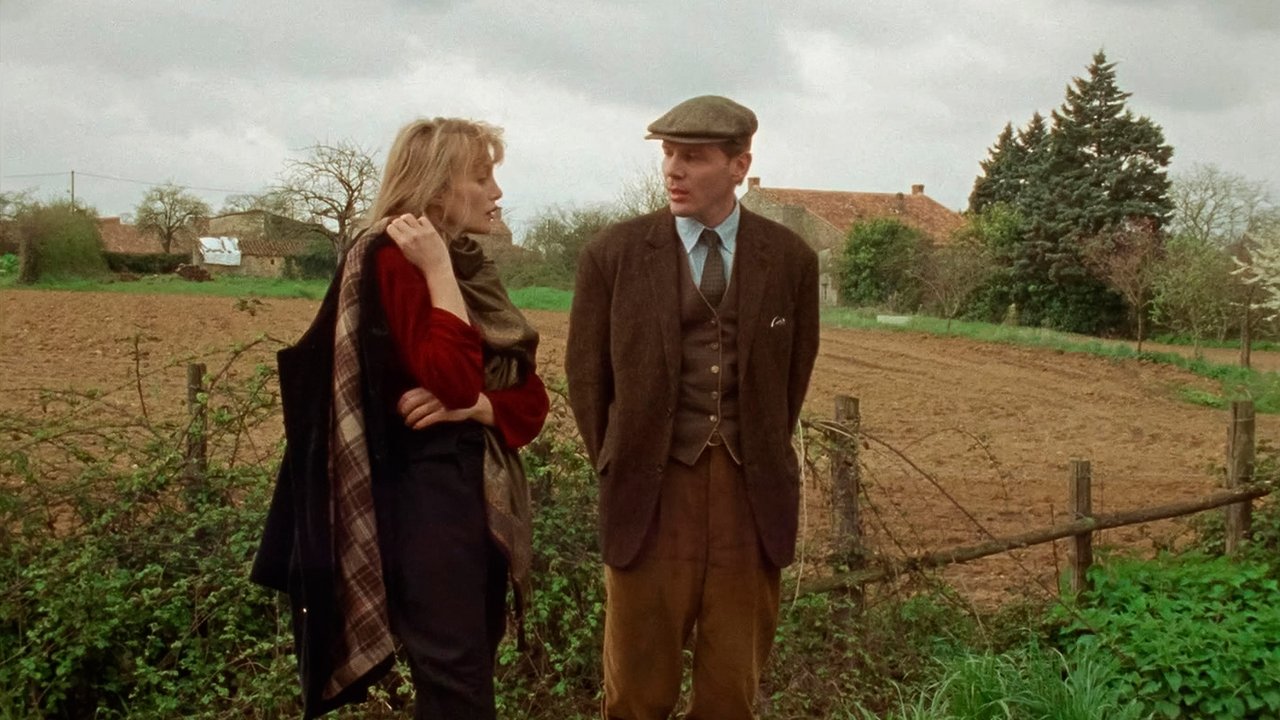
The film cleverly structures itself around different perspectives, giving voice to the various players in this small-town drama. Pascal Greggory, a Rohmer regular, perfectly embodies the mayor's well-meaning, perhaps slightly naive, idealism. He genuinely believes in his project, seeing it as a force for undeniable good. Contrasting him is the village schoolteacher, Marc Rossignol, played with delightful cynicism and intellectual provocation by the wonderful Fabrice Luchini (another Rohmer veteran, unforgettable in Full Moon in Paris (1984)). Rossignol questions everything, poking holes in the mayor's arguments and highlighting the potential pitfalls of imposing Parisian ideals on rural life. Does progress always mean paving over the past? Is a high-tech library what this village truly needs, or just what the mayor thinks it needs?
Adding another layer of playful complexity is Berenice Beaurivage, a novelist played with eccentric flair by Arielle Dombasle (also a frequent Rohmer collaborator). She drifts through the narrative, offering observations that are sometimes profound, sometimes amusingly detached, embodying an artistic sensibility that seems almost alien to the pragmatic concerns of local politics. Then there's Blandine Lenoir (Clémentine Amouroux), the pragmatic journalist chronicling the affair, whose reporting itself becomes part of the story, subtly influencing the debate. What responsibility does the media have in shaping these local narratives? It’s a question that feels remarkably prescient from our vantage point today.
More Than Just Talk
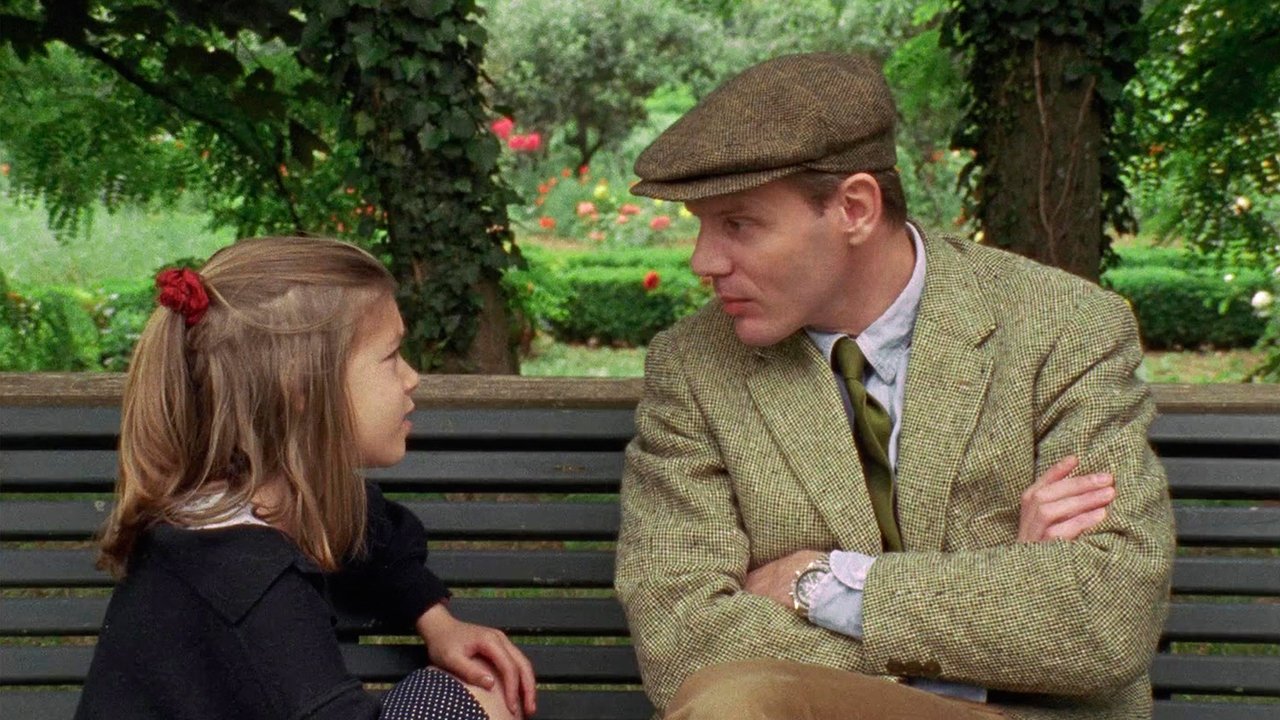
It might sound dry, all this talk, but Rohmer films it with a gentle, observational beauty. Shot on 16mm, the film has a texture, a softness that suits the pastoral setting and the intimacy of the conversations. The colours feel natural, the light unforced. It feels less like a movie set and more like we've simply dropped into this village for a few weeks. The debates touch on themes that were particularly resonant in early 90s France – decentralization, the role of government funding in culture, burgeoning environmental consciousness – but they echo far beyond that specific time and place. Aren't we still grappling with balancing development and heritage, ambition and community needs?
Watching The Tree, the Mayor and the Mediatheque on VHS back in the day was perhaps an exercise in patience compared to flashier neighbours on the shelf. The subtitles demanded attention, the pace required settling in. Yet, there was a unique reward. It felt intelligent, adult, treating its audience with respect. It didn’t offer easy answers but instead presented a complex situation through multiple, equally valid viewpoints. You weren't just passively watching; you were invited to consider the arguments, to form your own opinion about the tree, the mayor, and the mediatheque.
Finding solid behind-the-scenes "Retro Fun Facts" for Rohmer is often tricky, as he favoured small crews and naturalism over spectacle. However, knowing it was filmed in the actual village it depicts adds significant weight. These weren't elaborate sets, but real streets and fields. Rohmer’s commitment to location and often letting the script evolve through discussion with his actors (Luchini's character feels particularly alive with this possibility) gives the film its grounded, almost documentary-like feel, despite the carefully constructed arguments. It’s a testament to his unique brand of cinematic realism.
The Verdict
The Tree, the Mayor and the Mediatheque is perhaps not the Rohmer film most people reach for first, but it’s a deeply rewarding, witty, and surprisingly relevant piece. It’s a film of ideas disguised as a gentle village comedy-drama. It showcases Rohmer's mastery of dialogue, his nuanced understanding of human motivations (and hypocrisies), and features pitch-perfect performances from Greggory, Luchini, and Dombasle. It requires a different kind of engagement than most 90s fare, but rewards that engagement handsomely.
Rating: 8/10
Justification: This score reflects the film's success on its own terms. It's a masterclass in dialogue-driven storytelling, intellectually stimulating, subtly witty, and beautifully performed. While its deliberate pacing might not appeal to everyone expecting typical 90s energy, it perfectly achieves Éric Rohmer's specific artistic goals. It's a high-quality example of thoughtful, character-focused European cinema from the era.
Final Thought: It lingers not because of grand pronouncements, but because of the quiet hum of unresolved questions about community, progress, and what truly matters – questions that feel just as thorny today as they did when that willow tree first stood in the way.