There's a particular kind of melancholy that settles in when artistry brushes up against the relentless machine of commerce. It's a feeling captured with poignant accuracy in Federico Fellini's late-career offering, Ginger and Fred (1986). Watching it again, decades after first encountering its slightly worn VHS cover on a rental shelf, evokes not just nostalgia for the era, but a deeper reflection on what endures when the spotlight fades and the world changes around us. This isn't the whirlwind surrealism of 8½ (1963) or the decadent sprawl of La Dolce Vita (1960); instead, Fellini offers something quieter, more grounded, yet still unmistakably his – a bittersweet dance between memory and modernity.
A Last Dance in the Neon Glow
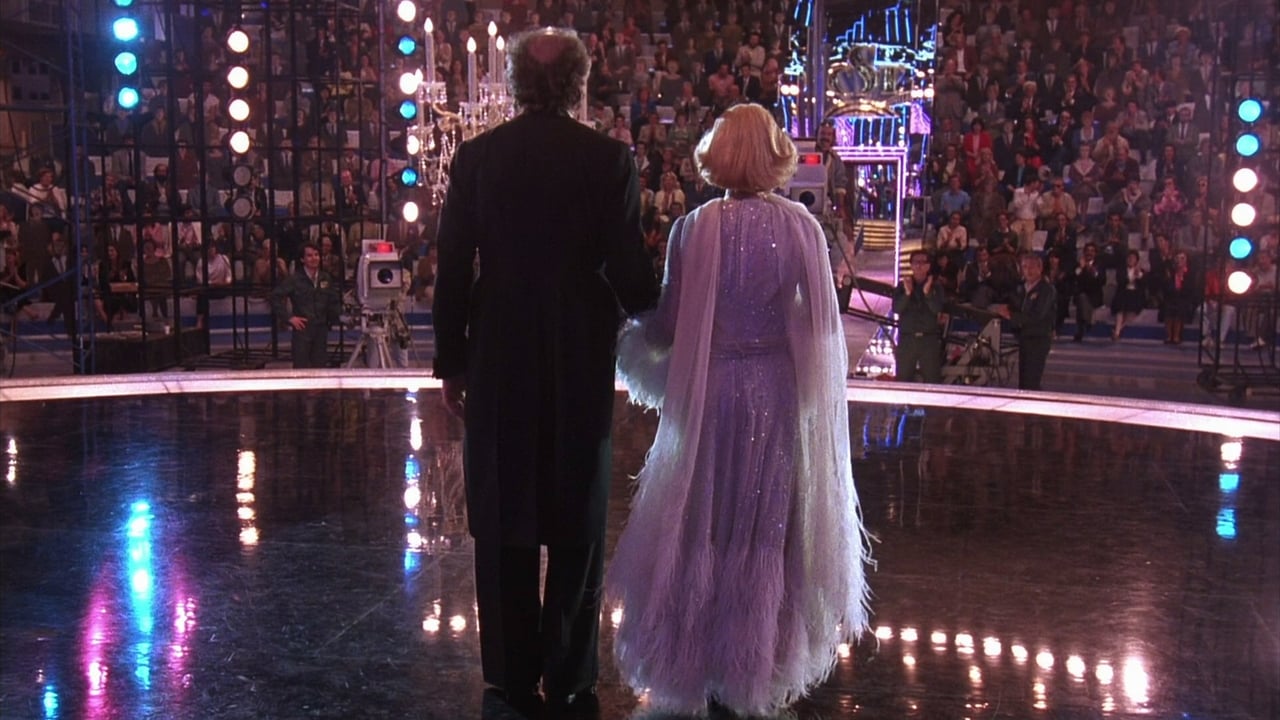
The premise is deceptively simple: Amelia Bonetti (Giulietta Masina) and Pippo Botticella (Marcello Mastroianni) were once "Ginger and Fred," a popular dance duo who found modest fame imitating the legendary American pair. Thirty years after parting ways, they are coaxed out of retirement for a reunion performance on a spectacularly gaudy and chaotic television variety show, "We Are Proud To Present." The film unfolds largely within the confines of the television studio and the hotel housing its bizarre menagerie of guests – celebrity lookalikes, questionable talents, and attention-seekers – all curated for maximum distraction and minimal substance.
Fellini, ever the masterful ringmaster, uses this setting not just for backdrop, but as the film's central satirical target. The television show is a relentless barrage of commercials, superficiality, and manufactured emotion. It’s a noisy, often vulgar spectacle that stands in stark, deliberate contrast to the gentle, faded elegance of Amelia and Pippo. It’s impossible not to see Fellini's commentary on the burgeoning, Berlusconi-fueled commercial television landscape that was transforming Italy – and indeed, much of the world – in the 1980s. The constant interruptions, the focus on fleeting sensation over genuine connection, the elevation of the trivial… doesn't it echo, perhaps even more loudly, in our own hyper-mediated age?
Two Legends Hold the Floor
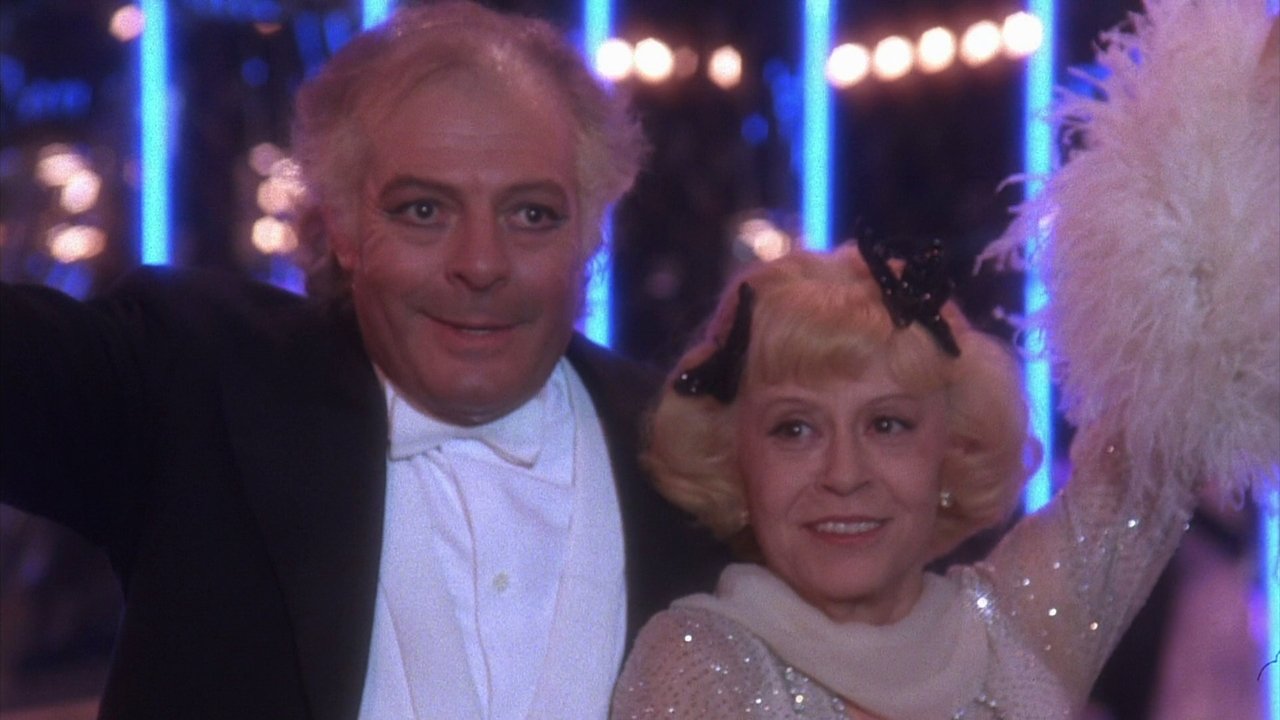
Amidst the orchestrated chaos, the film finds its heart in its legendary leads. Seeing Giulietta Masina, Fellini’s wife and muse (La Strada, Nights of Cabiria), reunited on screen with Marcello Mastroianni, his iconic leading man, is an event in itself. They embody their roles with a profound sense of shared history and weary tenderness. Masina, as Amelia/Ginger, radiates a quiet resilience and practicality, her expressive eyes conveying disappointment and apprehension beneath a veneer of professionalism. She’s the anchor, the one who still carries the torch, however flickering, for their past artistry.
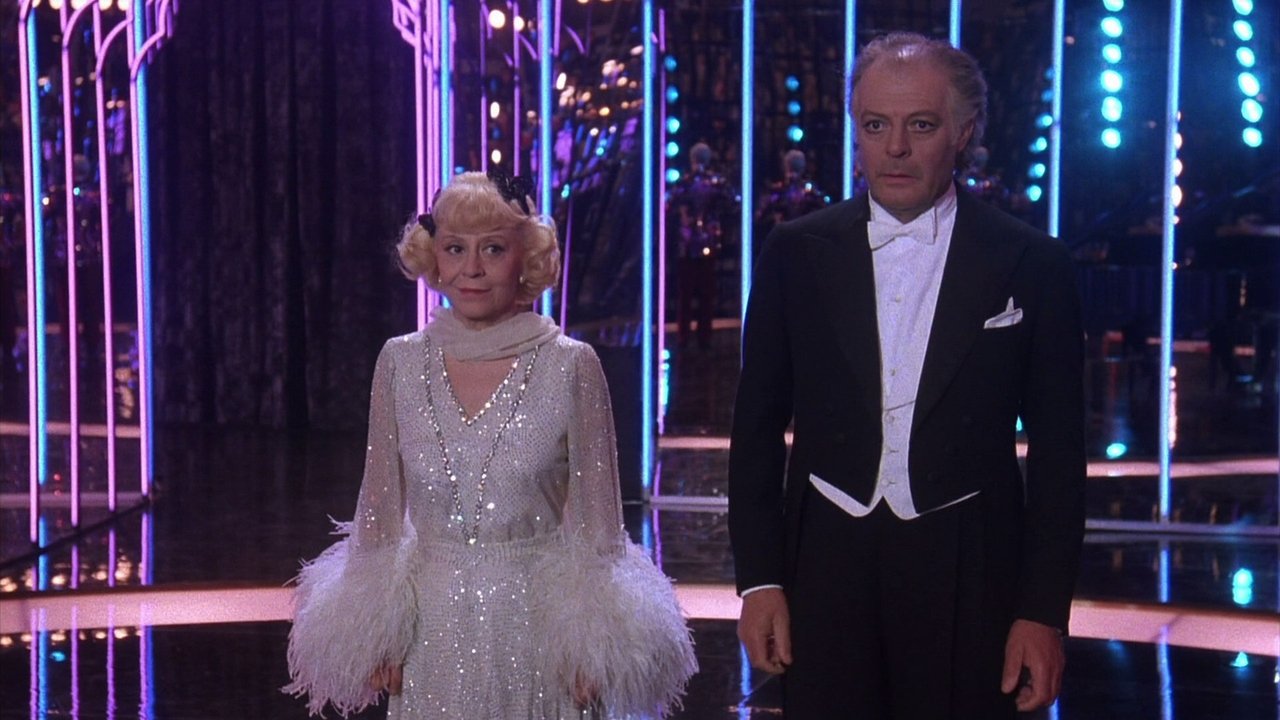
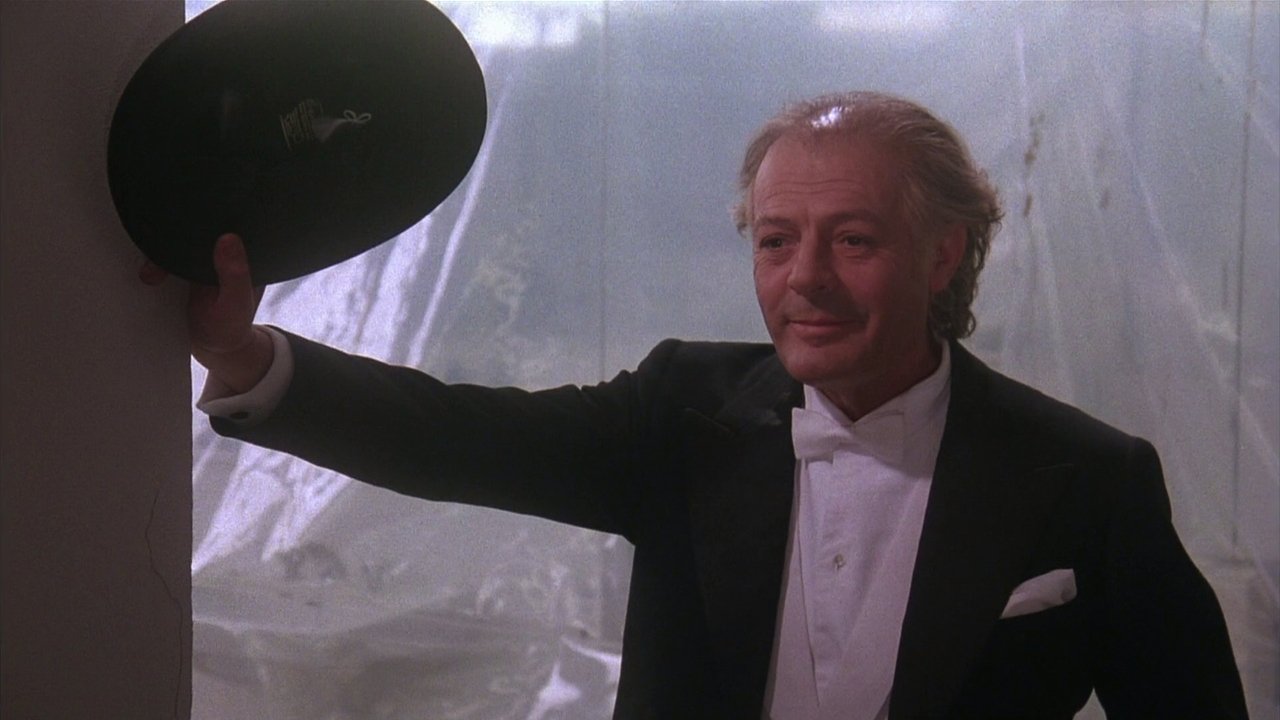
Mastroianni, as Pippo/Fred, is perhaps more visibly weathered by time. He arrives late, slightly dishevelled, his initial bravado masking vulnerability and perhaps a touch of desperation. His charm is still there, but it's frayed around the edges. The chemistry between them is undeniable, built not on grand romantic gestures, but on the subtle language of long acquaintance – knowing glances, shared sighs, the comfortable silences that speak volumes. Their interactions are the film's anchor, reminding us of the human connection struggling to survive amidst the television static. Their final dance, when it eventually arrives after navigating the show's absurdities, is less about technical perfection and more about a fragile, fleeting recapture of grace.
A Lawsuit and Legacy
It's fascinating to remember the real-world ripple effect this seemingly gentle film caused. The actual Ginger Rogers took offense, suing Fellini and the producers for defamation and misappropriation of her name and likeness. The case went through the courts, with Fellini ultimately prevailing on grounds of artistic expression and parody – a small but significant footnote highlighting the very clash between artistic intent and commercial image the film explores. Knowing this adds another layer to the viewing; it wasn't just an abstract critique, but one that touched real nerves. Fellini wasn’t just observing the changing media tide; he was actively commenting on – and, ironically, becoming entangled with – the nature of fame and image in the modern world.
The production itself mirrored some of the film's themes. Shot primarily within the expansive Cinecittà studios in Rome, Fellini recreated the overwhelming sensory overload of a live TV broadcast. The budget, while not astronomical for a Fellini film, was channeled into creating that specific atmosphere of controlled chaos, contrasting the intimate scenes between Masina and Mastroianni with the garish spectacle surrounding them.
Fading Signals, Enduring Echoes
Ginger and Fred might not be the first Fellini film that springs to mind, lacking the phantasmagorical flights of fancy of his earlier masterpieces. Yet, its power lies in its quieter observations and its deeply felt humanity. It’s a film about aging, about the bittersweet pang of looking back, and about the struggle to maintain dignity and meaning in a world increasingly driven by noise and commercialism. Does the elegance of the past stand a chance against the relentless present? Fellini seems uncertain, offering a portrayal that is both critical and deeply affectionate towards his aging dancers.
For those of us who remember discovering films like this on VHS, there’s perhaps an added layer of resonance. The act of choosing a tape, committing to it, felt different from the endless stream of content today. Ginger and Fred, in its critique of ephemeral television culture, perhaps inadvertently speaks to the value of that more focused, deliberate viewing experience we cherished back then. It’s a film that asks us to pause, to look past the noise, and to appreciate the grace notes, however fleeting they may be.
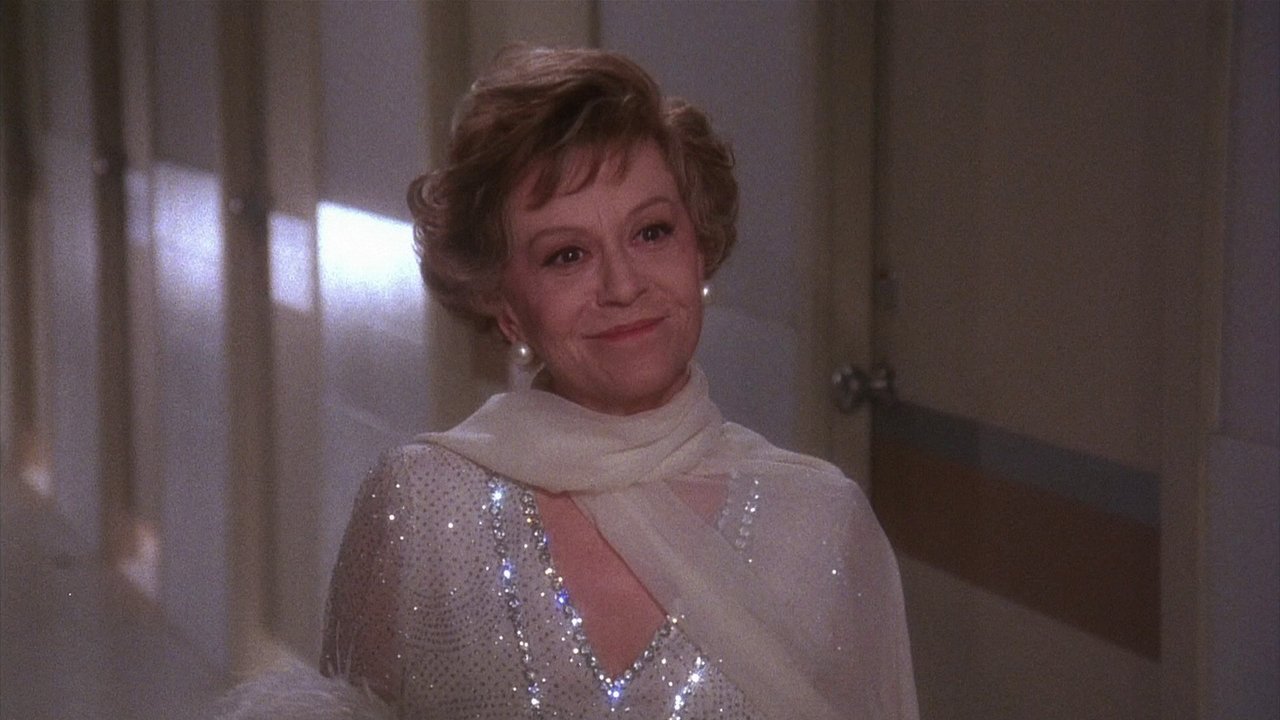
Rating: 8/10
This score reflects the masterful, poignant performances from Masina and Mastroianni, Fellini's sharp (if sometimes heavy-handed) satire, and the film's enduring thematic resonance. It captures a specific cultural moment with artistic insight, even if its pacing and melancholic tone might not appeal to all fans of the director's more exuberant works. It earns its place as a thoughtful, bittersweet gem from the later VHS era.
Ginger and Fred lingers not as a spectacle, but as a quiet question: In a world saturated with fleeting images, what space remains for genuine connection, for remembered grace, for one last dance?