Okay, settle in. Let's talk about a film that feels less like a straightforward movie and more like a captivating, slightly chaotic dream you had after falling asleep with the VCR remote in your hand. I’m talking about Olivier Assayas' 1996 gem, Irma Vep. This wasn't your typical Friday night blockbuster rental, nestled between the action flicks and comedies. No, Irma Vep was more likely found lurking in the "Foreign" or "Independent" section of those more discerning video stores, a sleek black spine promising something… different. And different it certainly was.
Ghosts in the Celluloid
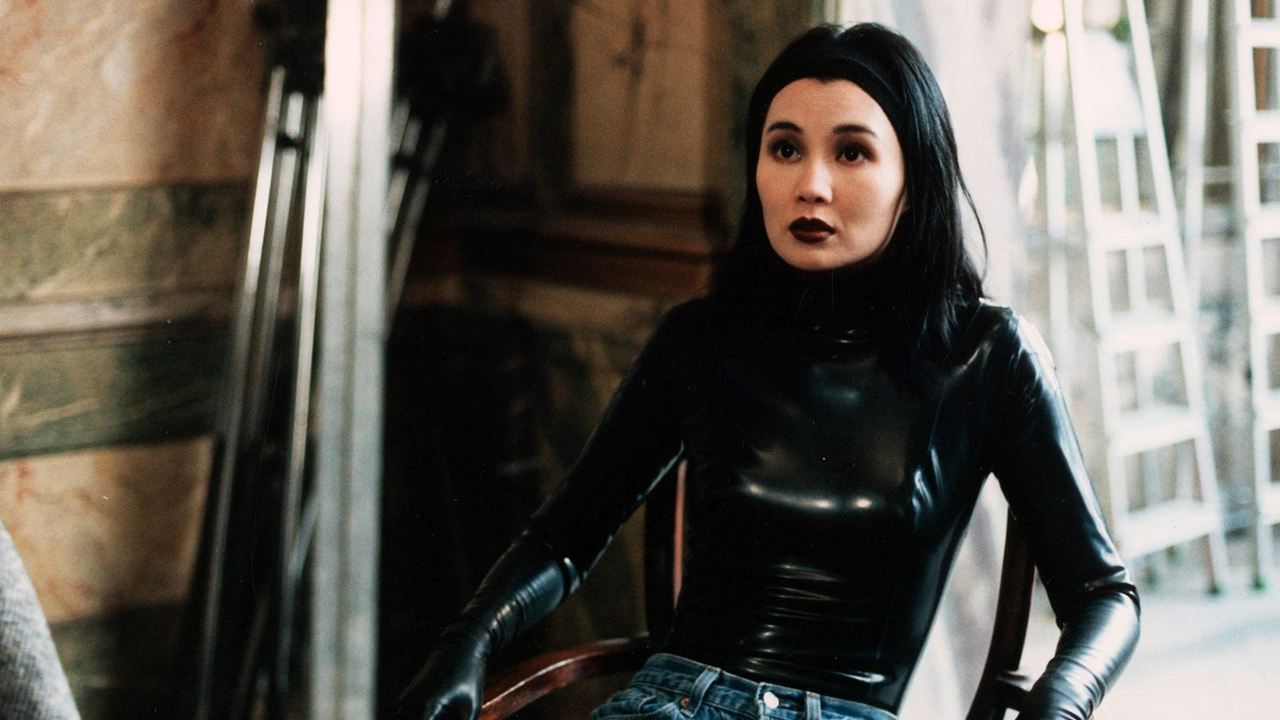
The premise itself is deliciously meta: Hong Kong action star Maggie Cheung (playing, with mesmerizing grace, a fictionalized version of herself) arrives in Paris to star in a remake of Louis Feuillade's classic 1915 silent serial, Les Vampires. She's set to play the iconic cat-suited burglar, Irma Vep (an anagram for 'vampire', naturally). The director, René Vidal, portrayed with a raw, frayed nerve by French New Wave legend Jean-Pierre Léaud (The 400 Blows), is a volatile visionary teetering on the edge of a breakdown. The production is underfunded, disorganized, and simmering with artistic clashes, linguistic barriers, and unspoken desires. It’s less a film set and more a microcosm of creative chaos.
What unfolds isn't so much a plot as an immersion into atmosphere. Assayas, who reportedly wrote the script in just ten days after another project stalled and shot the film in about four weeks on Super 16mm, captures the frantic energy, the misunderstandings, and the strange magic of filmmaking with an almost documentary-like immediacy. The handheld camera work throws you right into the middle of arguments in rapid-fire French, hushed conversations in English, and the quiet moments of Cheung's character trying to find her footing in a world utterly alien to her. This wasn't a slick Hollywood production; it felt like eavesdropping on something intensely real, messy, and utterly compelling. The low budget (around $1 million, a pittance even then) becomes part of the aesthetic, forcing a raw ingenuity that feels perfectly suited to the subject matter.
The Allure of the Suit
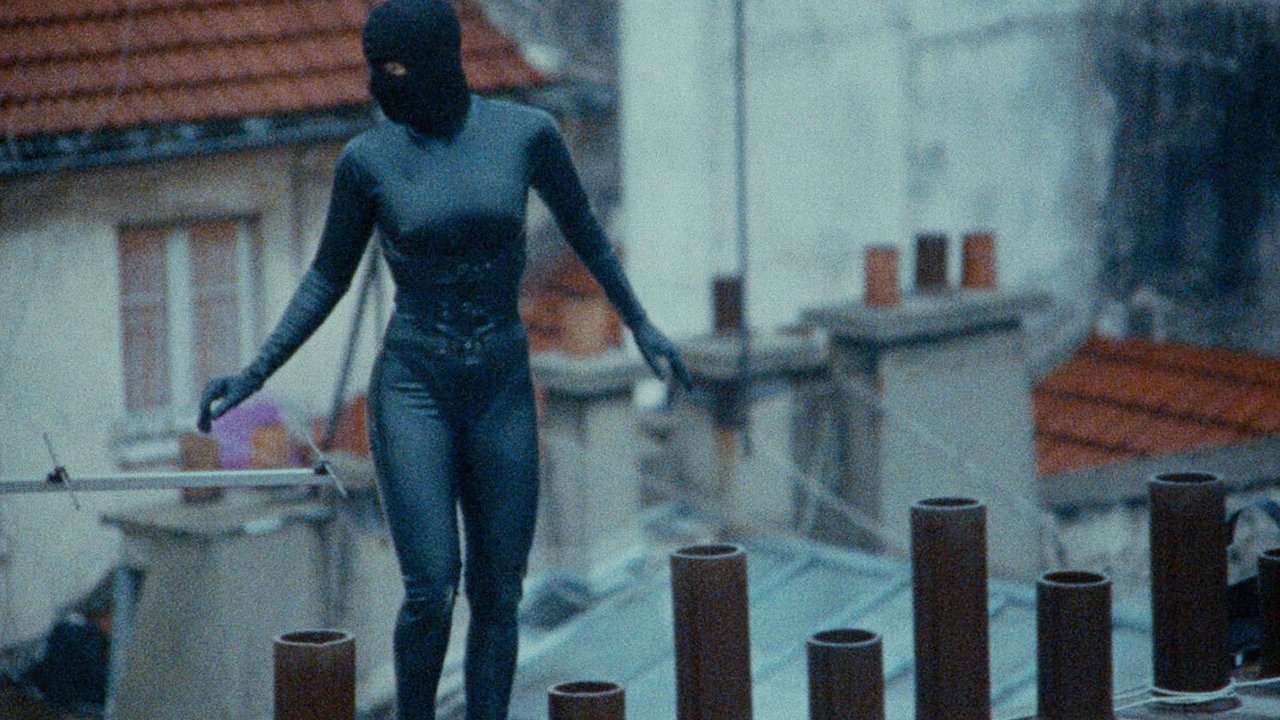
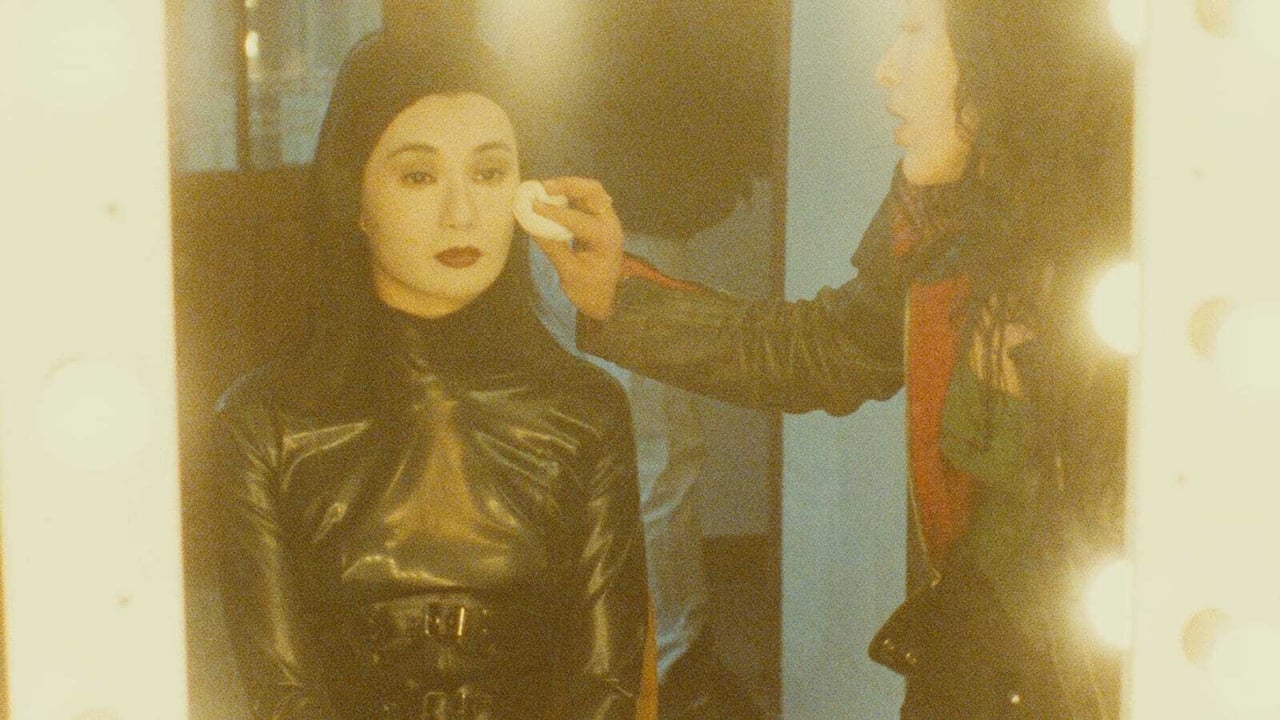
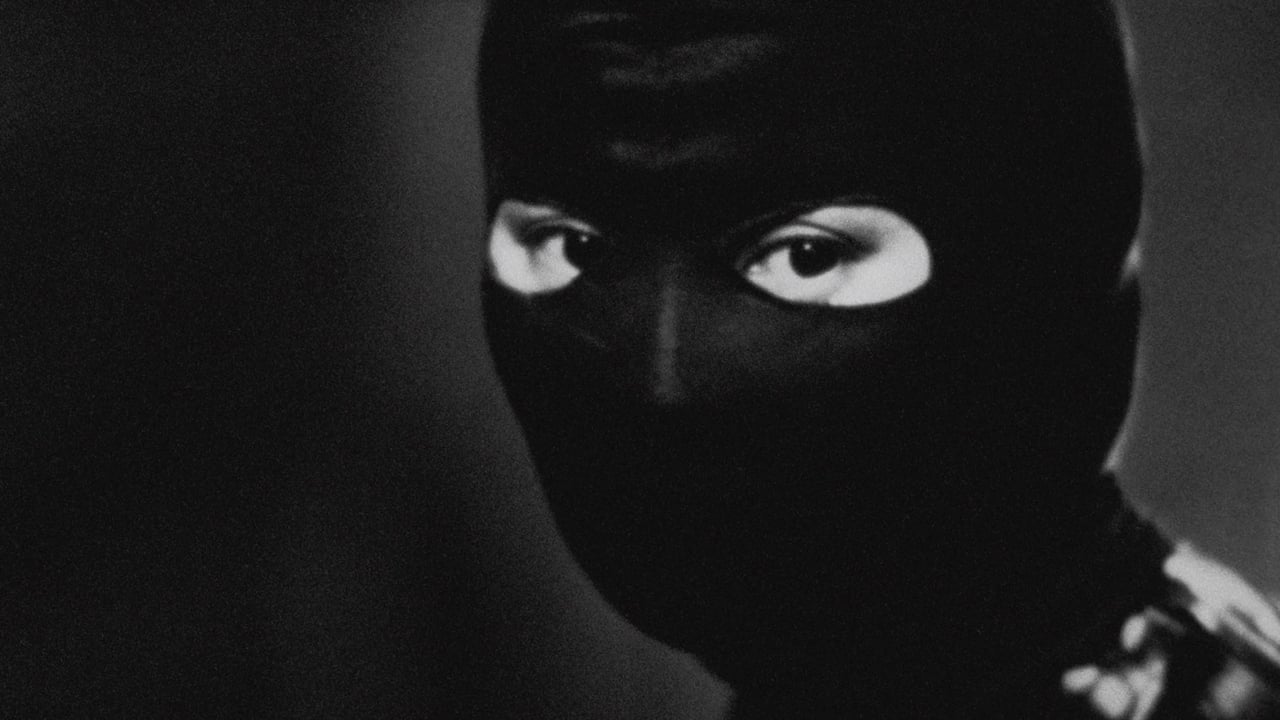
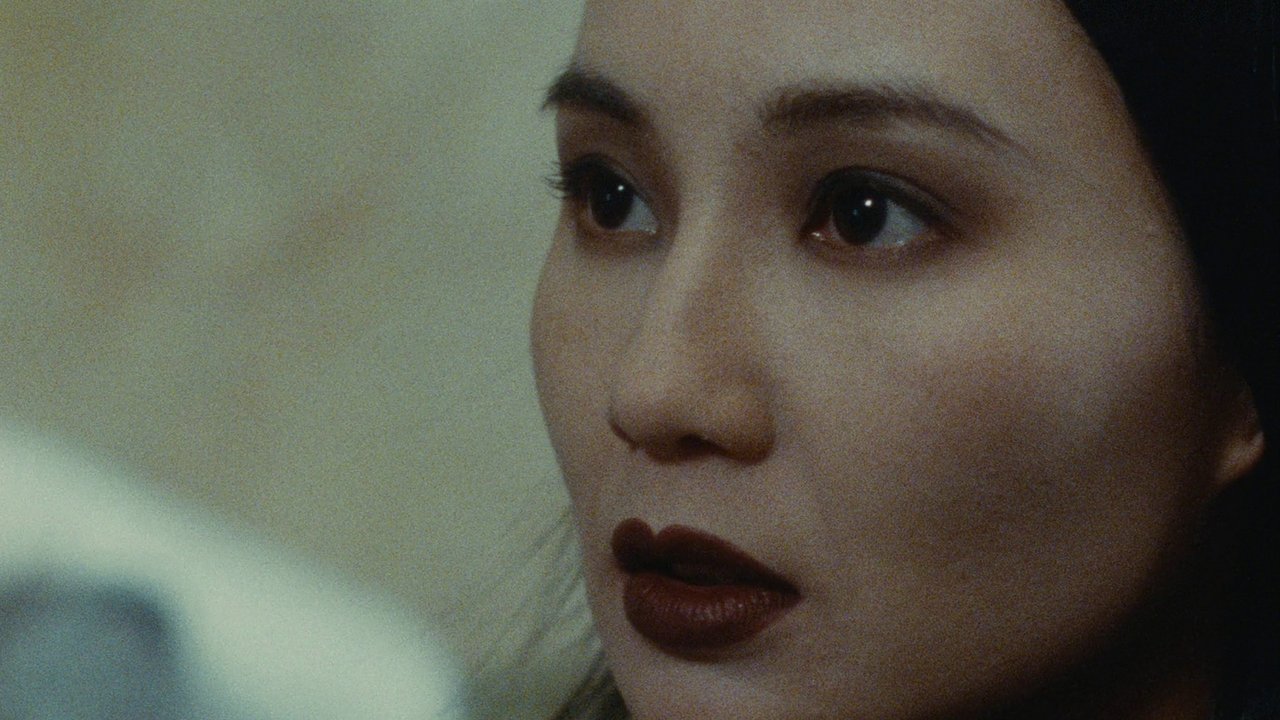
At the heart of it all is Maggie Cheung. Her performance is a masterclass in understated presence. She navigates the film's linguistic and cultural minefield with a quiet dignity, embodying the displacement and fascination of an outsider looking in. We see Paris, and the chaotic film industry, through her eyes. She’s not just an actress playing a role; she is the stranger in a strange land, a detail enhanced by the fact that Cheung spoke little French at the time, adding a layer of genuine reality to her interactions. When she dons the iconic black latex catsuit – sourced not from a high-end costume house, but reportedly from a sex shop, adding another layer of transgressive energy – something shifts. The sequence where she silently explores the hotel rooftops, embodying the stealth and mystery of Irma Vep, is pure cinematic hypnosis. It’s a moment where the lines blur between the actress, the character she plays, and the ghost of the original silent film star, Musidora. Is she becoming Irma Vep, or is Irma Vep possessing her?
The supporting cast orbits Cheung's magnetic center perfectly. Léaud is riveting as the tortured director, channeling decades of French cinema history into his performance. He’s not just playing a character; he feels like an embodiment of the anxieties plaguing French cinema at the time – its relationship with its own past, its struggle against commercial pressures, its place in a globalized world. And Nathalie Richard as Zoé, the costume designer who develops a fascination with Cheung, adds another layer of complex desire and connection. Their late-night conversations are some of the film's most intimate and revealing moments.
More Than Just a Movie About Movies
Sure, Irma Vep is a "film about filmmaking," a genre that can sometimes feel navel-gazing. But Assayas uses the framework to explore so much more. It's about communication, or the lack thereof. It’s about cultural identity and the feeling of being adrift. It delves into the nature of remakes – why do we retell old stories? What gets lost and gained in translation? It even touches upon fetishism, the power of costume, and the seductive allure of the cinematic image itself. The pulsating soundtrack, notably featuring tracks from Sonic Youth, perfectly complements the film's edgy, vibrant energy.
Finding this on VHS back in the day felt like uncovering a secret. It wasn’t aggressively marketed; it spread through word-of-mouth, festival buzz (it premiered at Cannes in the Un Certain Regard section), and its sheer, undeniable coolness. It didn’t offer easy answers or neat resolutions. Instead, it left you buzzing with its energy, its intelligence, and the haunting image of Cheung gliding through the Parisian night. It asked questions about art, identity, and obsession that lingered long after the tape clicked off.
Rating: 9/10
This score reflects Irma Vep's sheer audacity, its intelligent deconstruction of filmmaking, Maggie Cheung's luminous central performance, and its enduring status as a key independent film of the 90s. It’s not necessarily an "easy" watch, lacking a conventional narrative drive, but its atmospheric pull and thematic depth are undeniable. It perfectly captures a specific moment in indie filmmaking – ambitious, raw, and intellectually stimulating – and rewards viewers willing to surrender to its unique rhythm and seductive strangeness.
It’s a film that reminds you of the thrill of discovering something vital and unexpected on those video store shelves, a testament to cinema's power to transport, confuse, and ultimately fascinate. The fact that Assayas revisited this territory with the excellent 2022 HBO series starring Alicia Vikander only underscores the original film’s enduring power and the richness of the ideas it first unleashed. What is it about Irma Vep that keeps calling filmmakers, and us, back into the shadows?