Here we are again, fellow travellers in time, pulling another gem from the shelves of memory. Sometimes, the most profound cinematic experiences aren't found in the crash-bang-wallop of exploding helicopters or laser battles, but in the quiet observation of human hearts navigating the complexities of ordinary life. Such is the case with Éric Rohmer's quietly luminous A Tale of Autumn (1998), the final piece in his masterful "Tales of the Four Seasons" cycle. Forget the bombast that often defined the late 90s multiplex; this film offers something far richer, a gentle exploration of loneliness, friendship, and the tentative possibility of love arriving when you least expect it, perhaps even orchestrated by those who care most.
### Harvest of the Heart
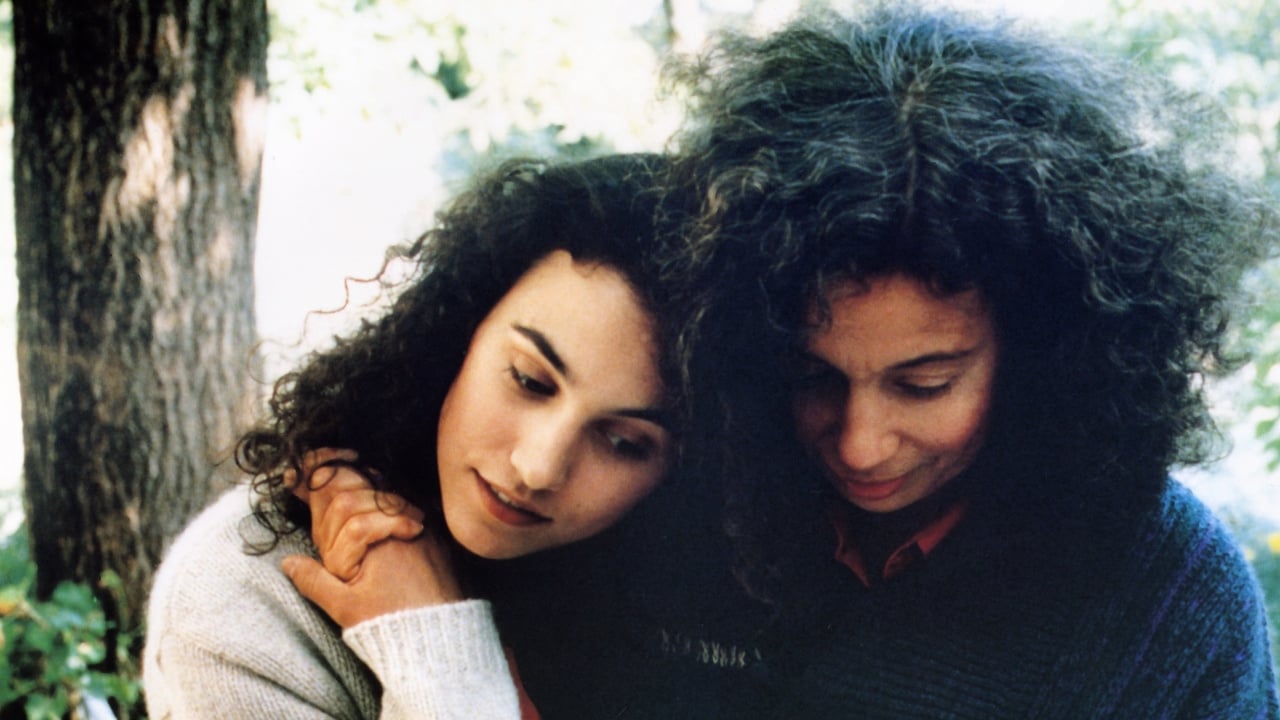
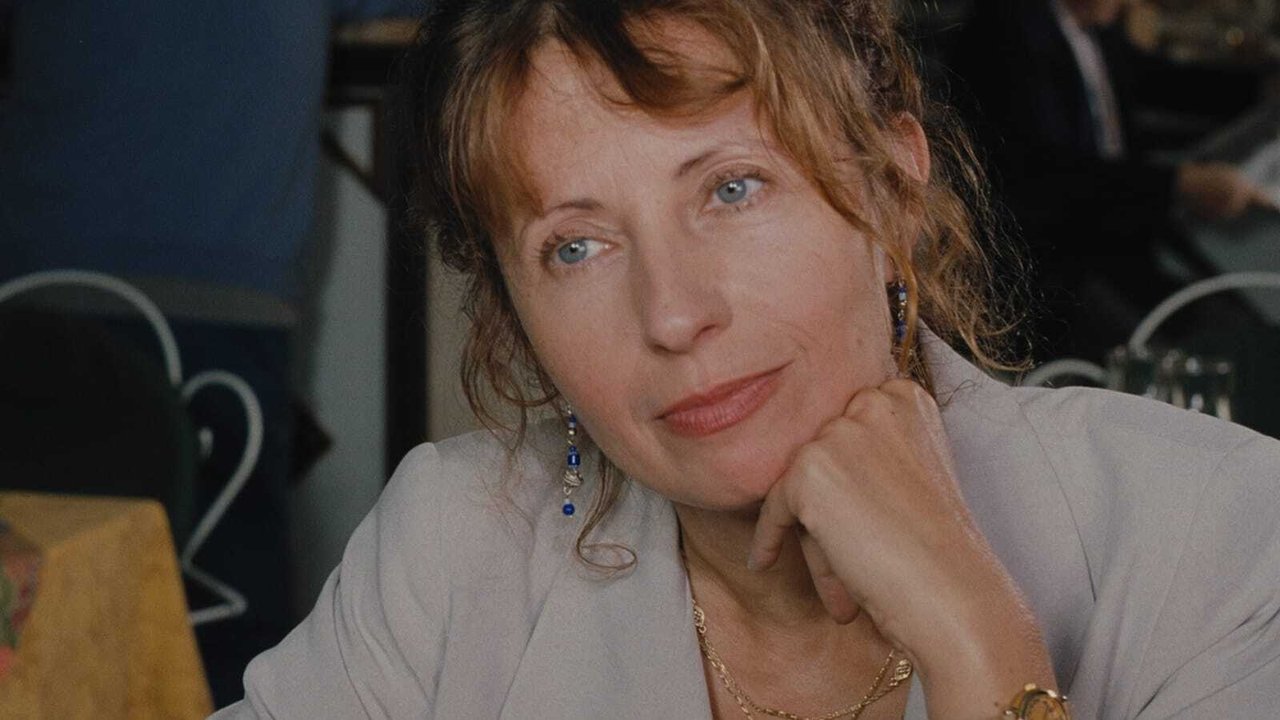
The film centres on Magali (Marie Rivière), a widowed winegrower in the sun-drenched Rhône Valley. She loves her work, tending the vines that yield the region's famous Côtes du Rhône, but as her children edge towards independence, a quiet melancholy settles in. She confides this loneliness to her best friend, Isabelle (Béatrice Romand), a happily married bookseller. Isabelle, deeply concerned for her friend, takes matters into her own hands, placing a discreet personal ad on Magali’s behalf and meticulously vetting the responses. Simultaneously, Rosine (Alexia Portal), the young girlfriend of Magali's son, hatches her own plan: to introduce Magali to her former philosophy professor (and ex-lover), the somewhat aloof Étienne (Didier Sandre). Neither matchmaker knows of the other's scheme, setting the stage for a convergence of well-intentioned deceptions at Isabelle's daughter's upcoming wedding party – a classic Rohmer setup where conversation and coincidence intertwine.
### The Rohmerian Landscape
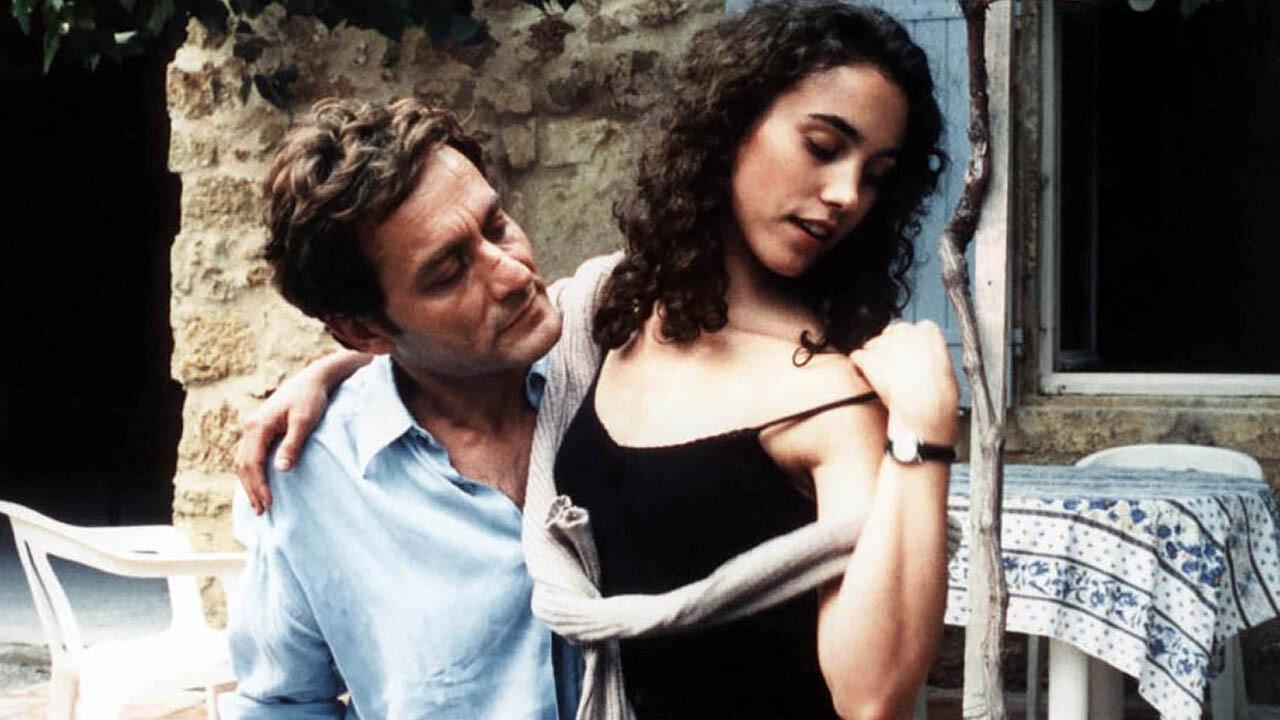
If you stumbled upon this tape in the 'Foreign Films' section back in the day, perhaps nestled between more overtly dramatic European titles, you entered the unique world of Éric Rohmer. A key figure of the French New Wave who carved his own distinct path, Rohmer wasn't interested in stylistic pyrotechnics. His genius lay in restraint, in dialogue that felt utterly real yet carried profound thematic weight, and in actors who seemed less like performers and more like people you might actually know. A Tale of Autumn, like much of his work, unfolds with a deceptive simplicity. He uses the stunning natural beauty of the Rhône Valley not just as a backdrop, but as an integral part of the story's fabric. It's a world bathed in the warm, slightly hazy light of late summer turning to autumn, a visual echo of Magali's own transitional phase in life. Rohmer, famously preferring natural light and location shooting with minimal crews, captures this atmosphere with an authenticity that draws you in completely. There's no dramatic score telling you how to feel; the soundtrack is the buzz of insects, the clinking of glasses, the cadence of conversation.
### Truth in Performance
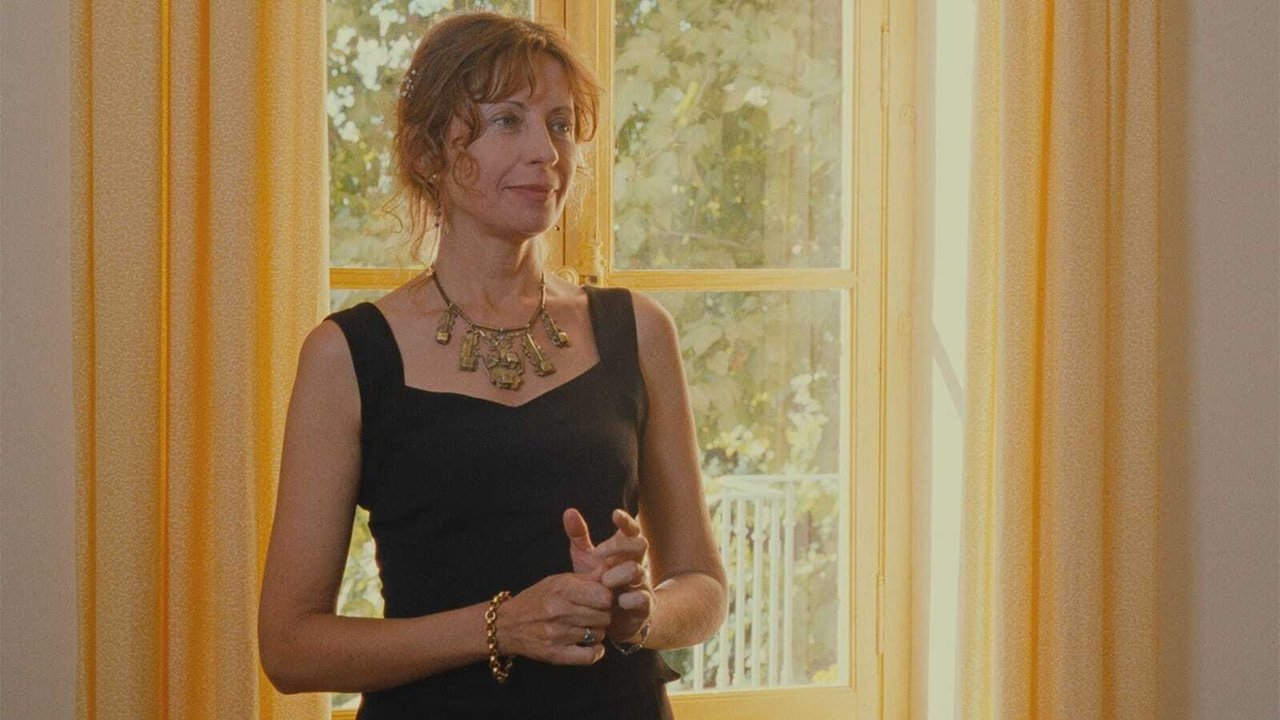
What truly elevates A Tale of Autumn is the extraordinary naturalism of its performances. Marie Rivière, who Rohmer previously directed in the equally brilliant The Green Ray (1986), embodies Magali with such unaffected vulnerability and quiet strength. Her anxieties, her pride in her work, her cautious hope – it all feels utterly genuine. You understand why her friends feel compelled to intervene, even misguidedly. As Isabelle, Béatrice Romand (another Rohmer veteran, recall her youthful turn in Claire's Knee from 1970) provides the perfect counterpoint: bustling, pragmatic, perhaps a little too convinced of her own judgment, but driven by sincere affection. Their shared history with the director undoubtedly contributed to the palpable chemistry and lived-in feel of their friendship. Alain Libolt as Gérald, the main respondent to Isabelle's ad, brings a gentle integrity that makes the central romantic dilemma compelling, while Didier Sandre perfectly captures Étienne's intellectual vanity and subtle awkwardness. Rohmer wasn't just casting actors; he was finding collaborators who could inhabit his precisely written dialogue (every seemingly casual line was meticulously scripted) and make it breathe.
### Schemes and Seasonality
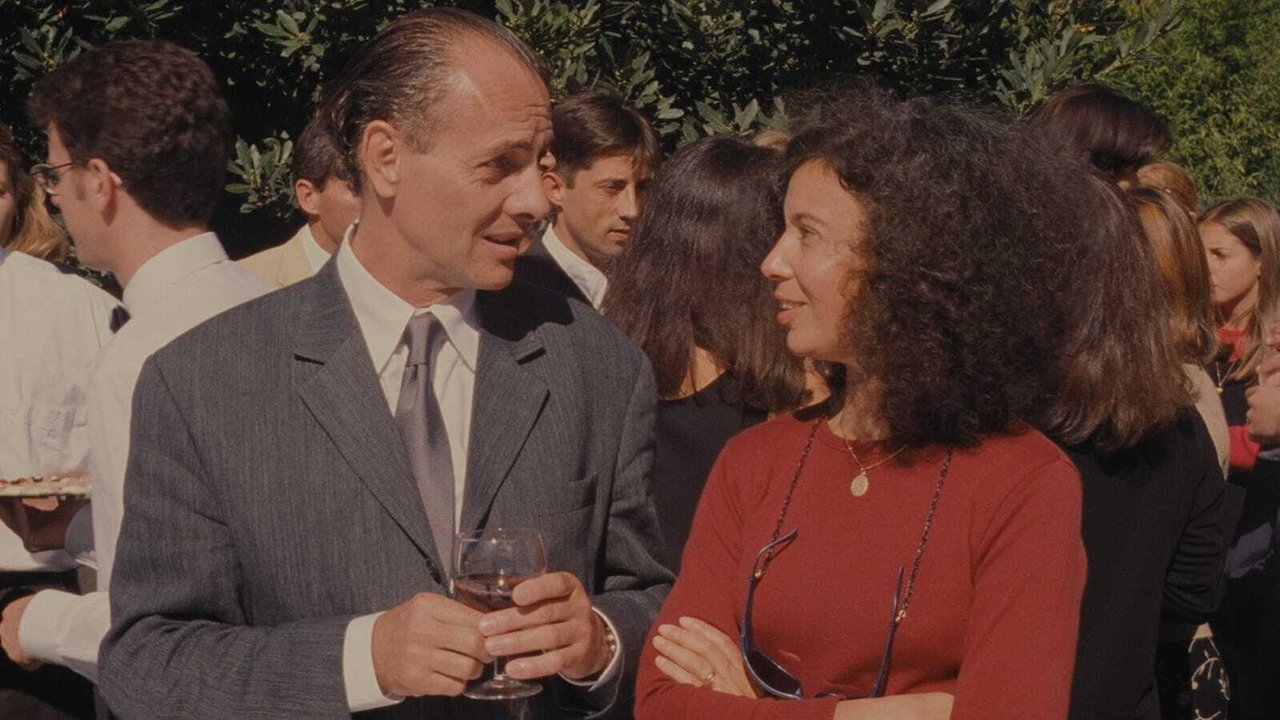
The film delicately explores the ethics of matchmaking. Are Isabelle and Rosine performing acts of kindness, or are they imposing their own desires onto Magali? Rohmer doesn't offer easy answers, letting the ambiguities play out through conversations laced with misunderstandings, half-truths, and revealing silences. It's fascinating to watch the intricate dance of intentions, particularly during the brilliantly staged wedding party sequence where all the players finally converge. It’s a testament to Rohmer's skill that a scene built almost entirely on overlapping conversations and subtle glances can generate such genuine suspense and emotional resonance. This wasn't special effects wizardry; this was meticulous character work and directorial precision, honed over decades. Rohmer reportedly rehearsed extensively, allowing the actors to find the natural rhythm and nuances within his text, contributing immensely to the film's believable feel.
The title itself, of course, is significant. Autumn represents harvest, maturity, a time of reflection before winter. For Magali, it’s about potentially reaping a late harvest of companionship. The film captures that feeling beautifully – the richness of experience that comes with age, but also the poignant awareness of time passing. It’s no surprise the film was lauded critically, winning Best Screenplay at the Venice Film Festival; it felt like a summation of Rohmer’s thematic preoccupations, delivered with warmth and wisdom.
### A Quiet Corner of the Video Store
Finding A Tale of Autumn on VHS back then felt like uncovering a secret. Amidst the louder, more frantic offerings dominating the shelves, here was something thoughtful, patient, deeply human. It was a reminder that cinema could be about the intricate interior lives of ordinary people, about the spaces between the words as much as the words themselves. It didn't shout; it whispered, and its insights resonated long after the credits rolled and the tape automatically rewound with that familiar whir. This film, arriving near the twilight of the VHS era, represents the kind of arthouse discovery that home video made possible for audiences far beyond major cities.
***
Rating: 9/10
This score reflects the film's masterful execution of Rohmer's signature style, the superb, naturalistic performances, and its profound yet understated exploration of universal themes. The dialogue is sharp, the pacing deliberate, and the emotional payoff deeply rewarding. It’s a near-perfect example of character-driven cinema that feels both specific to its French setting and universally relatable in its depiction of loneliness, friendship, and the search for connection.
A Tale of Autumn remains a beautiful, wise film that reminds us that life, like the seasons, continues to offer chances for growth and happiness, sometimes requiring just a nudge – or perhaps, two conflicting nudges – from those who know us best. What lingers most is its gentle understanding of the human heart, offered without judgment, only quiet compassion.