Okay, fellow time-travelers of the tape era, let's rewind to a time when anime movies felt like discovering treasures smuggled from another dimension. Finding one, especially something as cosmically charged as Saint Seiya, tucked away on a video store shelf was an event. And among those gems, 1988's Saint Seiya: The Legend of Crimson Youth (or Shinku no Shōnen Densetsu for the purists) stands out, not just as another adventure, but as arguably the most ambitious and emotionally resonant of the original four theatrical outings. Forget Saturday morning cartoons; this was operatic myth-making splashed across the CRT screen.
### A Sun God's Harsh Judgment
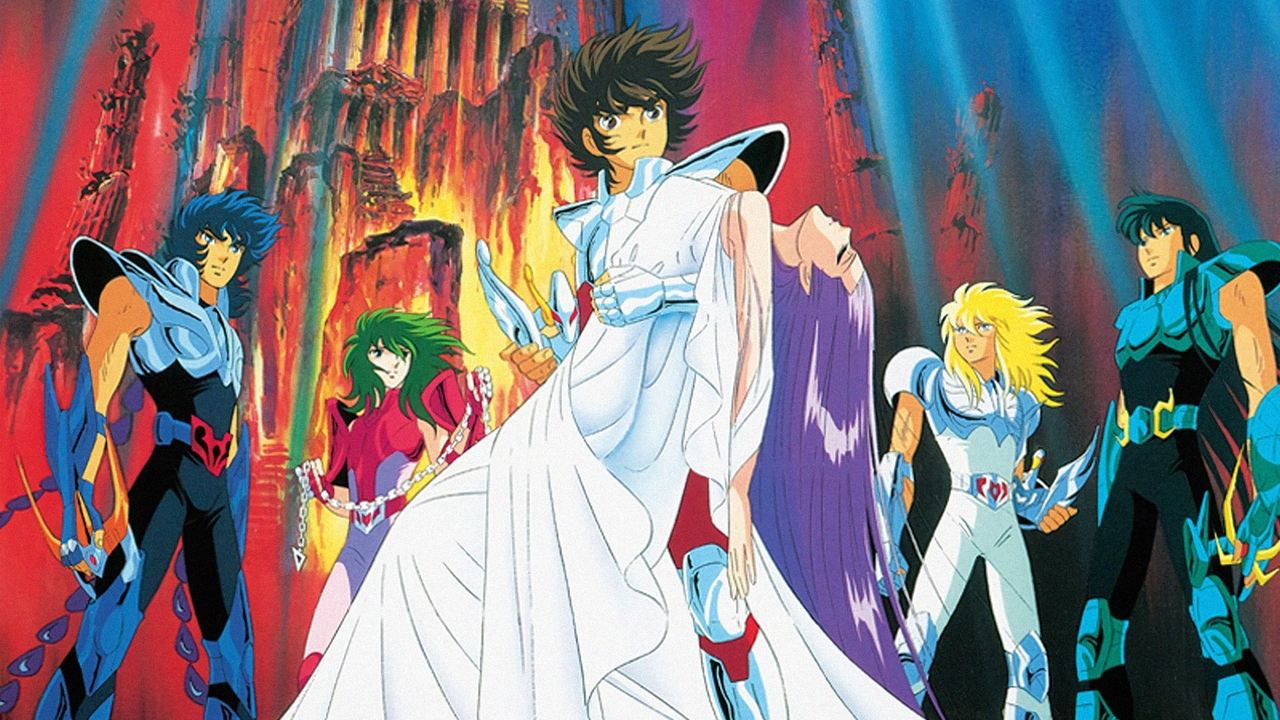
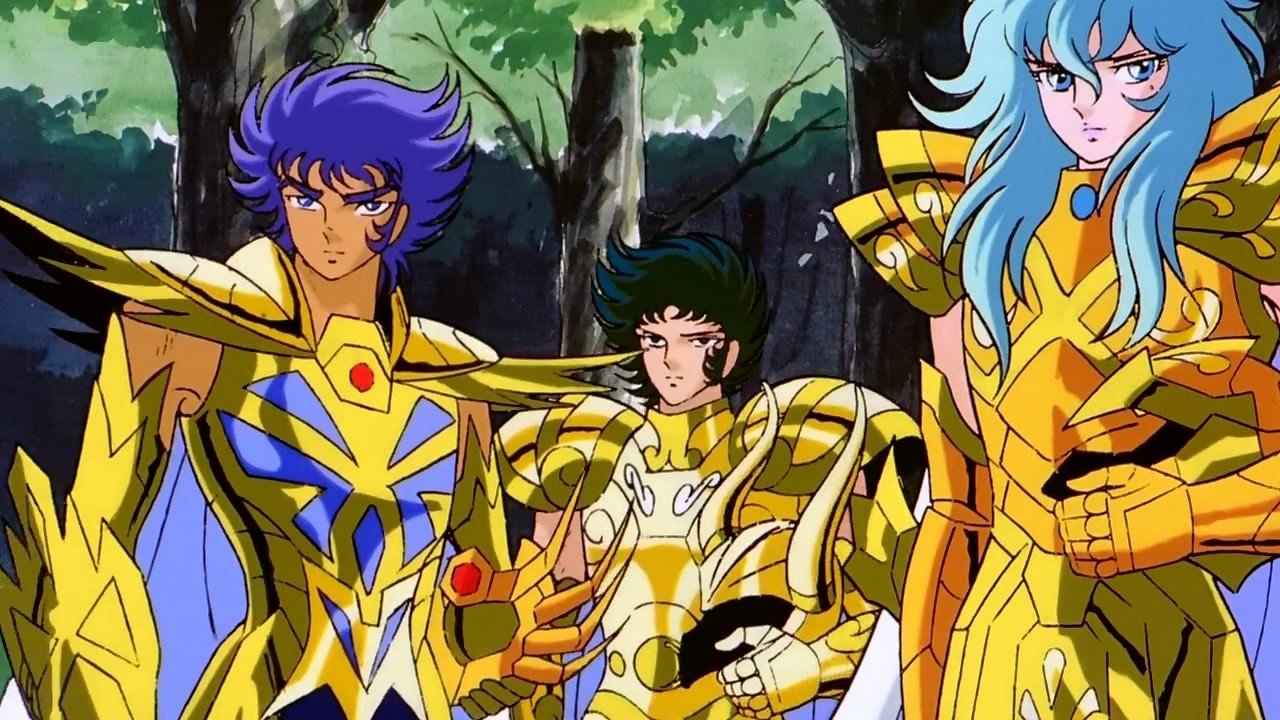
The setup hits with Olympian-level drama: Athena's long-lost brother, Abel, the formidable God of the Sun who was cast out by Zeus himself, returns. Initially, it seems like a joyous reunion, but Abel carries a chilling mandate – humanity has become corrupt, and he plans to wipe the slate clean with cataclysmic floods and earthquakes, returning Earth to the Age of Gods. Adding insult to injury, Athena (Keiko Han reprising her gentle yet firm voice) seemingly agrees with his judgment, abandoning her loyal Bronze Saints. Even more shocking, several fallen Gold Saints are resurrected, pledging allegiance to Abel. It’s a gut-punch scenario that instantly raises the stakes higher than Mount Olympus. Our familiar heroes – Pegasus Seiya (Tōru Furuya, the quintessential shonen hero voice), Dragon Shiryu (Ryō Horikawa, who’d later voice Vegeta in Dragon Ball Z), Cygnus Hyoga, Andromeda Shun, and Phoenix Ikki – are left bewildered, betrayed, and facing not only Abel's elite Corona Saints but also former comrades.
### Burning Cosmo, Breaking Hearts
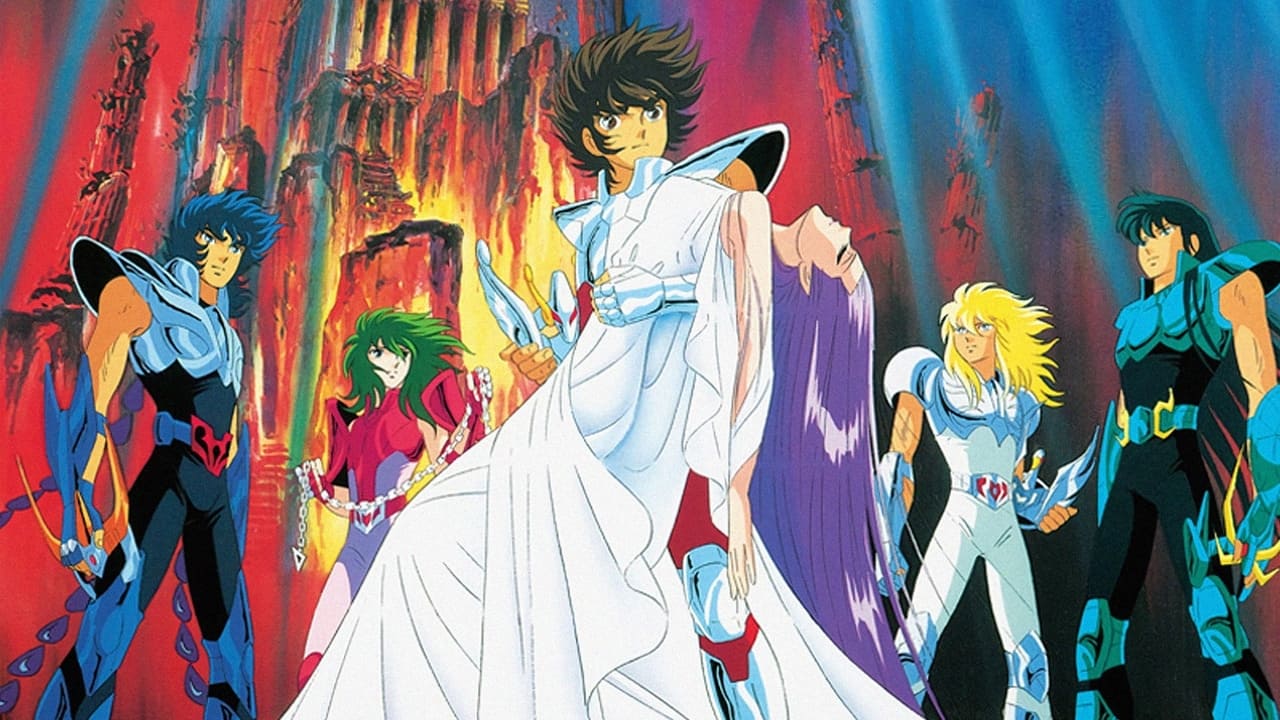
What elevates Crimson Youth beyond a standard "rescue the princess" plot (though, let's be honest, Athena does spend a fair amount of time needing help) is its darker, more mature tone. This film isn't afraid to show our heroes battered, broken, and facing seemingly insurmountable odds, not just physically but emotionally. The despair feels palpable when Athena turns her back, and the resurrected Gold Saints (Camus and Saga among them!) fighting for Abel adds a layer of tragic conflict. It taps directly into the core appeal of Masami Kurumada's original creation: the unwavering loyalty and burning spirit (Cosmo!) of young warriors pushing beyond their limits for friendship and justice, even when the Gods themselves stand against them.
The screenplay, penned by Yoshiyuki Suga (a veteran of the TV series), understands these characters implicitly. Seiya's stubborn refusal to give up, Shiryu's stoic determination, Hyoga's cool resolve tested by his resurrected master Camus – it all resonates deeply. While character arcs aren't profoundly developed within the 75-minute runtime, their established personalities shine through their actions and desperate struggles.
### Visual Grandeur and Epic Sound
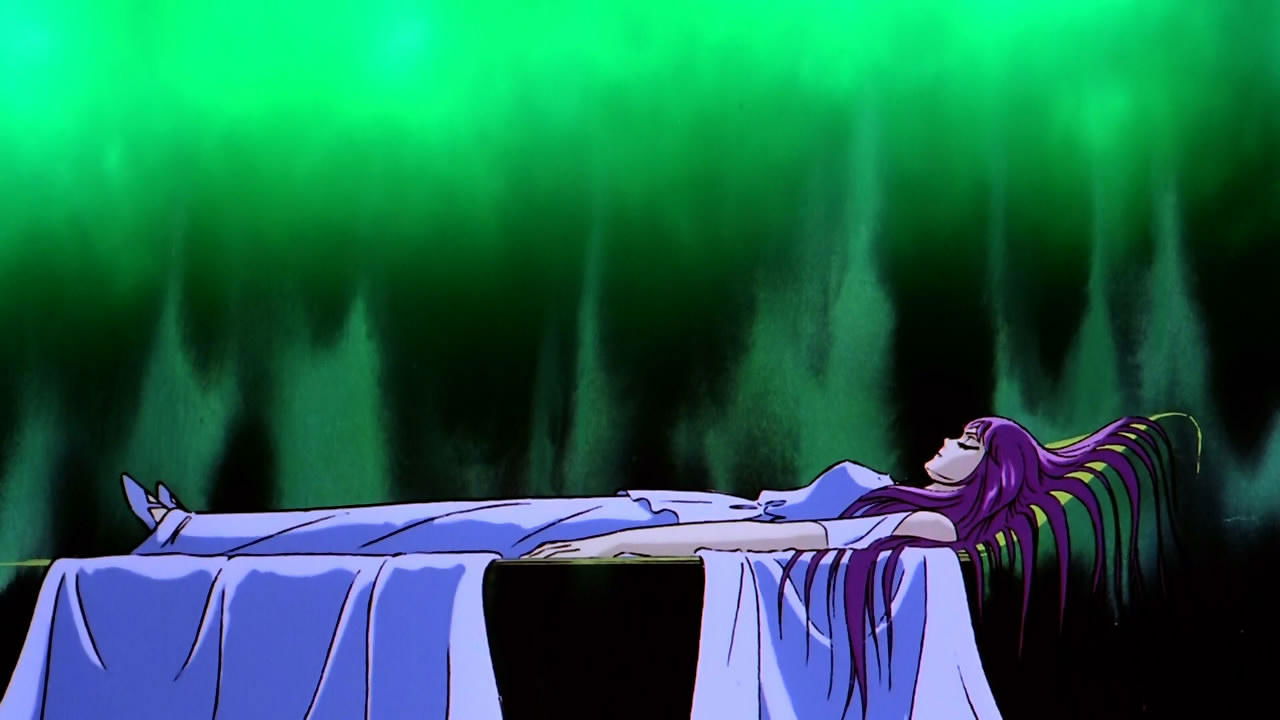
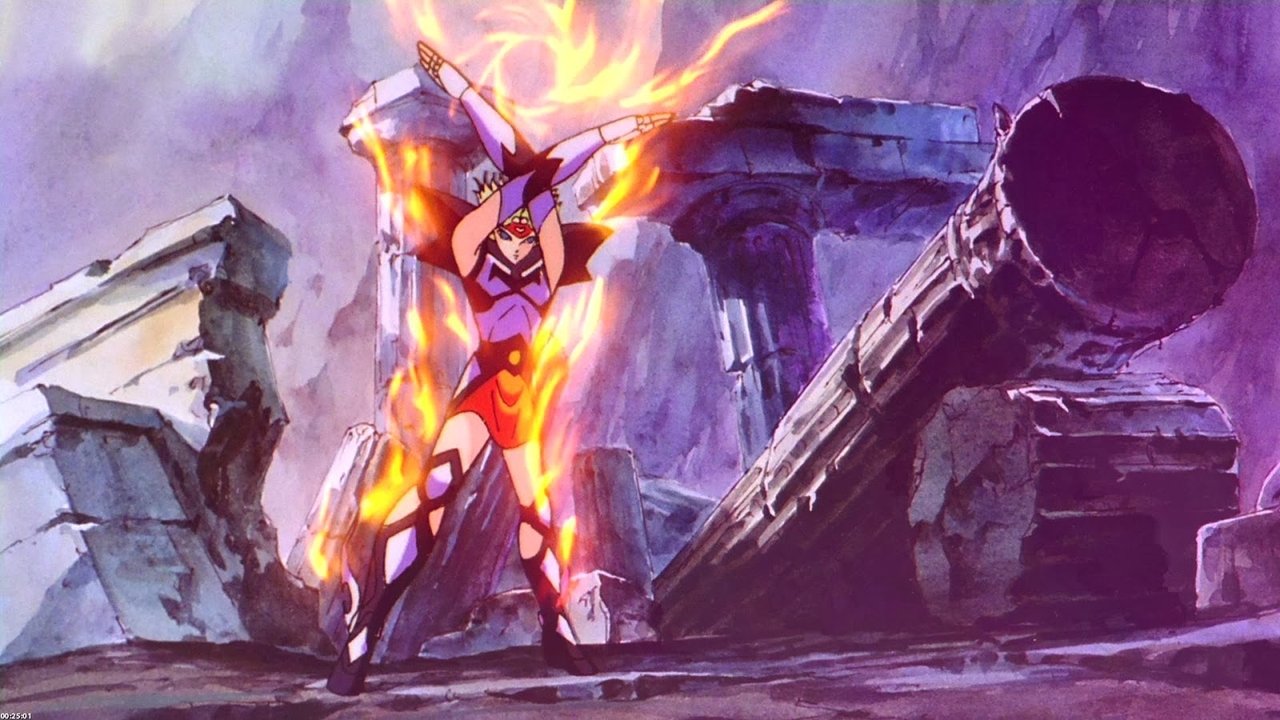
Directed by Shigeyasu Yamauchi, who helmed several other Saint Seiya films and notable Dragon Ball Z movies (Cooler's Revenge, Broly - The Legendary Super Saiyan), Crimson Youth boasts production values that significantly surpassed the weekly TV anime. Released theatrically in Japan, the animation feels more fluid, the character designs sharper, and the backgrounds richer, especially the ornate, sun-drenched temple of Abel. Yamauchi excels at staging dramatic confrontations and visually conveying the immense power unleashed when Saints burn their Cosmo. The attacks – Pegasus Ryu Sei Ken, Rozan Sho Ryu Ha – crackle with an energy that felt genuinely awe-inspiring on fuzzy VHS back in the day. Sure, some animation shortcuts exist by modern standards, but the overall impact remains impressive for its era.
And the music! Seiji Yokoyama’s score is simply legendary. The familiar heroic themes swell at just the right moments, while new compositions for Abel and the Corona Saints perfectly capture the divine menace and tragic grandeur. The soundtrack is inseparable from the Saint Seiya experience, elevating every punch, every sacrifice, every desperate stand into something truly epic. I distinctly remember rewinding certain fight scenes just to re-experience that perfect fusion of dynamic animation and soaring orchestral score.
### Retro Fun Facts & Golden Age Anime Vibes
This third film landed during a golden age for anime OVAs and theatrical features, where creators often had more freedom and budget than television allowed. Crimson Youth feels like a product of that time – ambitious, dramatic, and visually distinct.
- Non-Canon, But Beloved: Like the other original Saint Seiya movies, its story exists outside the main manga/anime continuity. Yet, its darker themes and epic scale made it a fan favorite.
- Abel's Choir: Abel wasn't just a powerhouse; he was often depicted playing a lyre, surrounded by an almost ethereal, melancholic atmosphere, adding a unique flavor to his villainy compared to the more straightforward antagonists of previous films.
- Gold Saint Conflict: The inclusion of resurrected Gold Saints fighting for Abel was a masterstroke, creating deeply personal conflicts, especially Hyoga vs. Camus and Shiryu vs. Saga (sort of, via his Corona Saint underling). This tapped into some of the most compelling relationships from the Sanctuary arc.
- Box Office Burn: While specific global figures are hard to pin down for these older releases, the Saint Seiya films were generally successful theatrical events in Japan, capitalizing on the massive popularity of the franchise during the late 80s.
Watching it now, there's an undeniable charm to its late-80s aesthetic – the character designs, the dramatic freeze-frames, the sheer, unadulterated earnestness of it all. It hails from a time before irony swallowed everything whole. Yes, the plot follows a familiar trajectory for the franchise (Athena is endangered, Saints power up, final boss battle), but the execution here feels particularly potent.
### Still Burning Bright?
Does Legend of Crimson Youth hold up? For fans of classic anime and the Saint Seiya universe, absolutely. It captures the essence of the series – the blend of Greek mythology, intense action, deep friendships, and impossible odds – and dials it up with cinematic flair. Newcomers might find the plot beats a bit repetitive if they binge the films, and the narrative relies heavily on prior knowledge of the characters and their relationships. Some might find the drama occasionally tips into melodrama. But the raw emotion, the visual spectacle (for its time), and that unforgettable score still resonate. It’s a potent shot of pure 80s anime adrenaline and heart.
Rating: 8/10
This score reflects its standing as arguably the strongest of the original Saint Seiya films. It delivers thrilling action, genuine emotional weight thanks to the setup and Yamauchi's direction, higher production values for its era, and an iconic score. While slightly hampered by a familiar structure and limited character development within its runtime, its ambition and darker tone make it a standout entry that truly understood what made the series special.
For those of us who wore out our tapes watching Seiya and his friends defy the heavens, Legend of Crimson Youth remains a shining example of epic, heartfelt 80s anime filmmaking. Go on, burn your Cosmo one more time.