Okay, pop that tape in the VCR, press play, and let the tracking lines settle. Remember that feeling? The hum of the machine, the glow of the CRT… because today on VHS Heaven, we’re diving headfirst into a celestial battlefield with 1989’s Saint Seiya: Warriors of the Final Holy Battle (or Saint Seiya: Saishū Seisen no Senshi-tachi for the purists). This wasn't just another Saturday morning cartoon; this was mythic melodrama cranked up to eleven, delivered with that unmistakable late-80s anime energy.
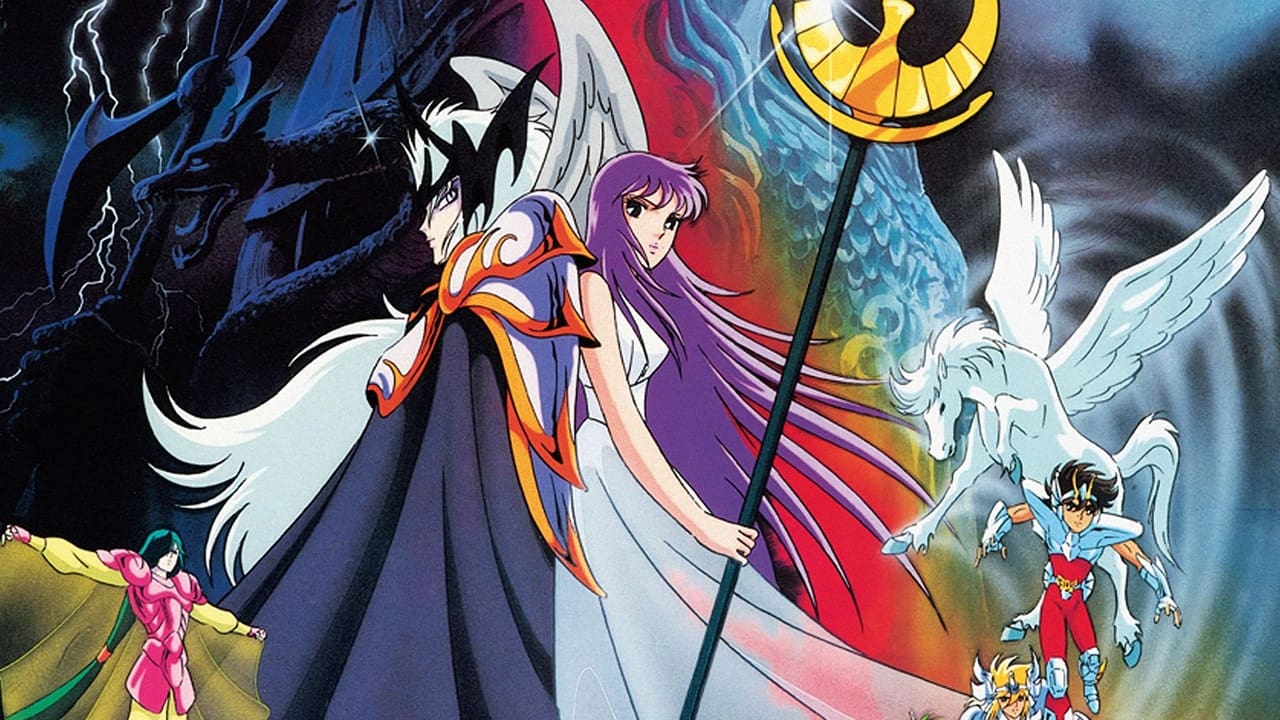
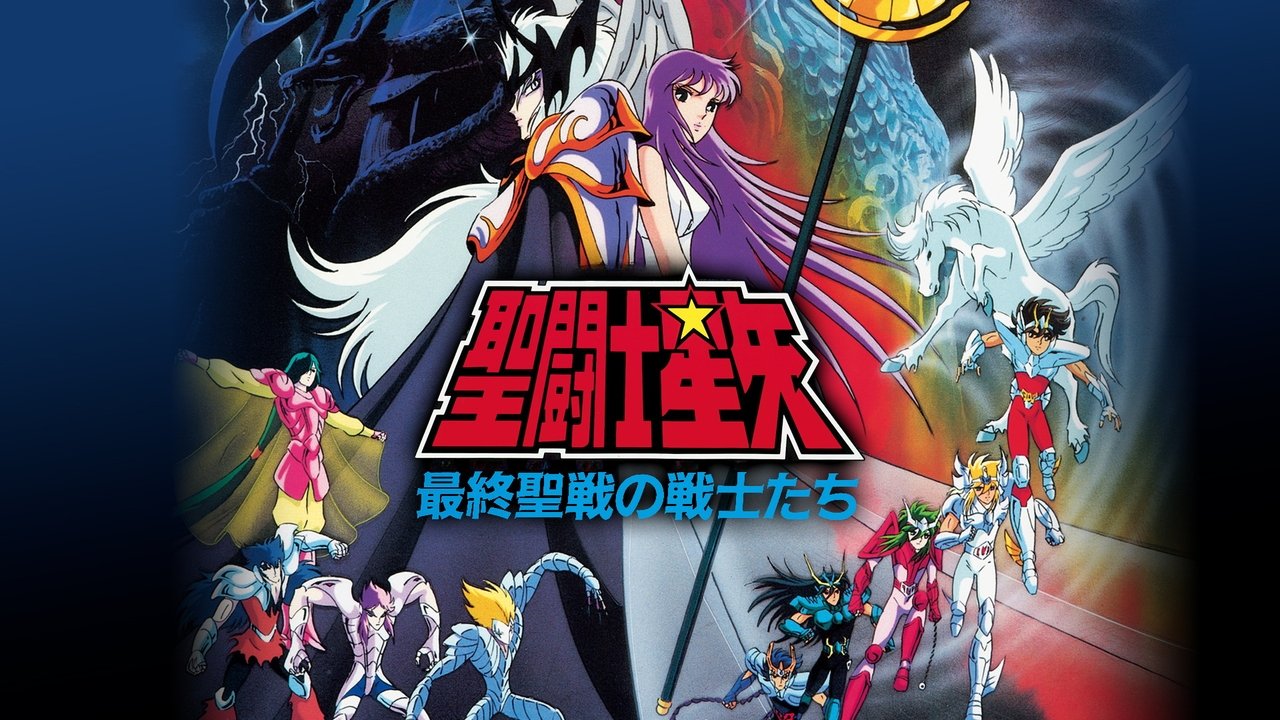
This fourth theatrical outing for the Bronze Saints doesn't pull any punches with its premise. Forget subtle build-up; we open with the literal arrival of Lucifer on Earth. Yes, that Lucifer. Banished by God, resentful, and looking rather stylish in his dark celestial robes, he sets up shop in Pandemonium, right over Sanctuary's ruins. His goal? To dethrone Athena, usurp God, and rule creation. Talk about high stakes! It’s the kind of gloriously over-the-top setup that Masami Kurumada’s universe excels at, brought to the screen under the direction of Masayuki Akehi, who knew exactly how to deliver the operatic intensity fans craved.
### Angels, Demons, and Familiar Foes
Lucifer isn't alone, naturally. He brings his own quartet of Fallen Angels (Tenshi) – Beelzebub, Astaroth, Eligor, and Moa – each embodying a deadly sin and packing a serious cosmic punch. Their designs are suitably menacing, fitting right into the established Saint Seiya aesthetic. But writer Yoshiyuki Suga throws a curveball that, back in the day, felt like the ultimate anime crossover event, contained entirely within its own franchise. Lucifer, flexing his infernal power, resurrects the spirits of previous major antagonists defeated by the Saints: Abel from the third movie (Legend of Crimson Youth), Eris from the first (Evil Goddess Eris), and even channels the sea-god Poseidon through his Fallen Angels.
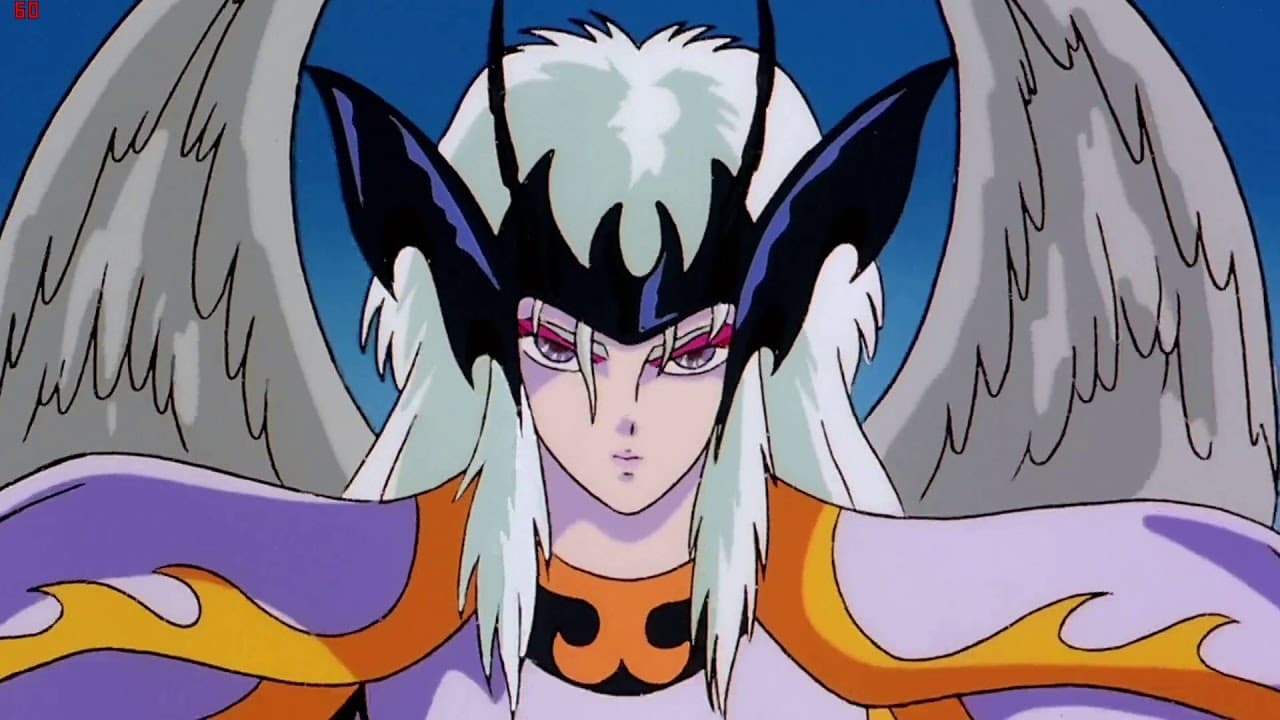
Seeing these formidable past villains essentially pledged to Lucifer added a unique weight to the conflict. Was it pure fan service? Maybe a little! But it undeniably raised the threat level and created a "greatest hits" gallery of formidable foes for our heroes to overcome again, alongside the new demonic threats. It made Warriors of the Final Holy Battle feel distinct, even if cramming it all into a lean 45-minute runtime (typical for these theatrical shorts) meant character development took a backseat to celestial fisticuffs.
### Burning Cosmo: The Saints Assemble
Of course, the heart of any Saint Seiya story is the unwavering loyalty and burning Cosmo of Athena's Saints. Seeing Pegasus Seiya (Tōru Furuya giving his signature passionate performance), Dragon Shiryu, Cygnus Hyoga (Kōichi Hashimoto), Andromeda Shun (Ryō Horikawa), and Phoenix Ikki stride into battle, their iconic Cloths gleaming, always felt like a call to arms. Furuya’s battle cries as Seiya are practically etched into the memories of anyone who followed the series back then. These voice actors were these characters, embodying their courage, doubts, and unbreakable spirit.
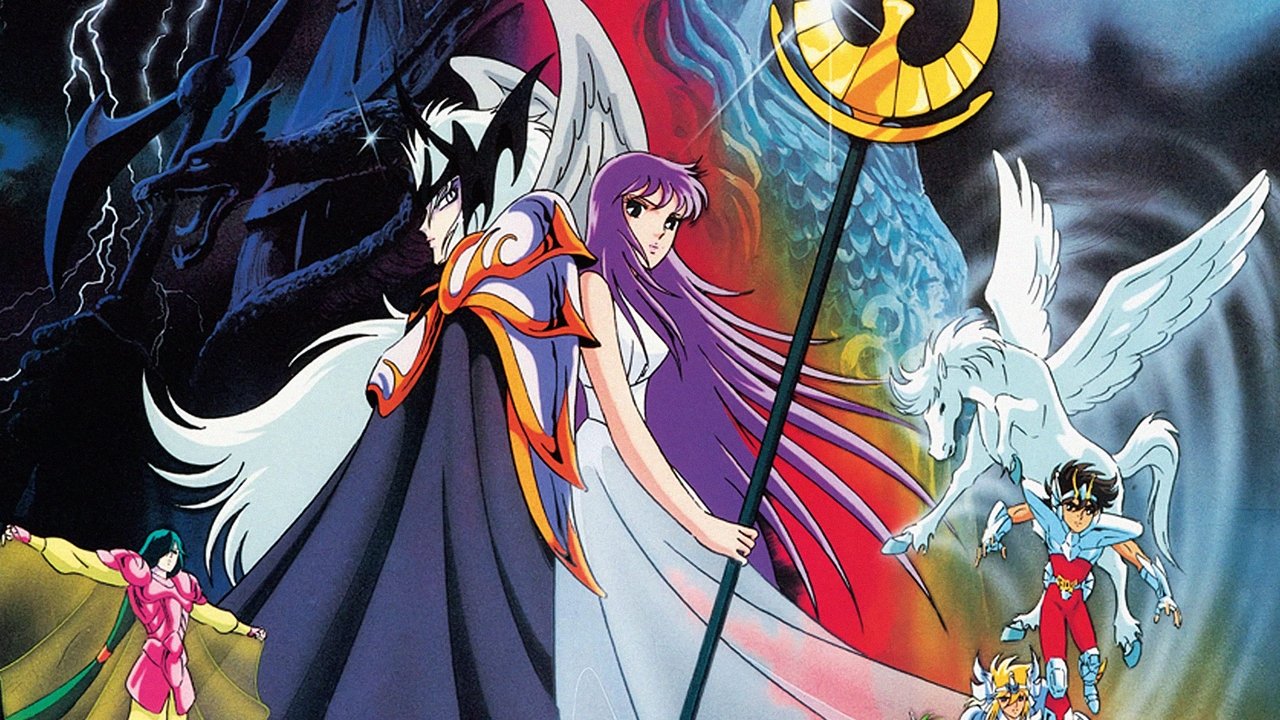
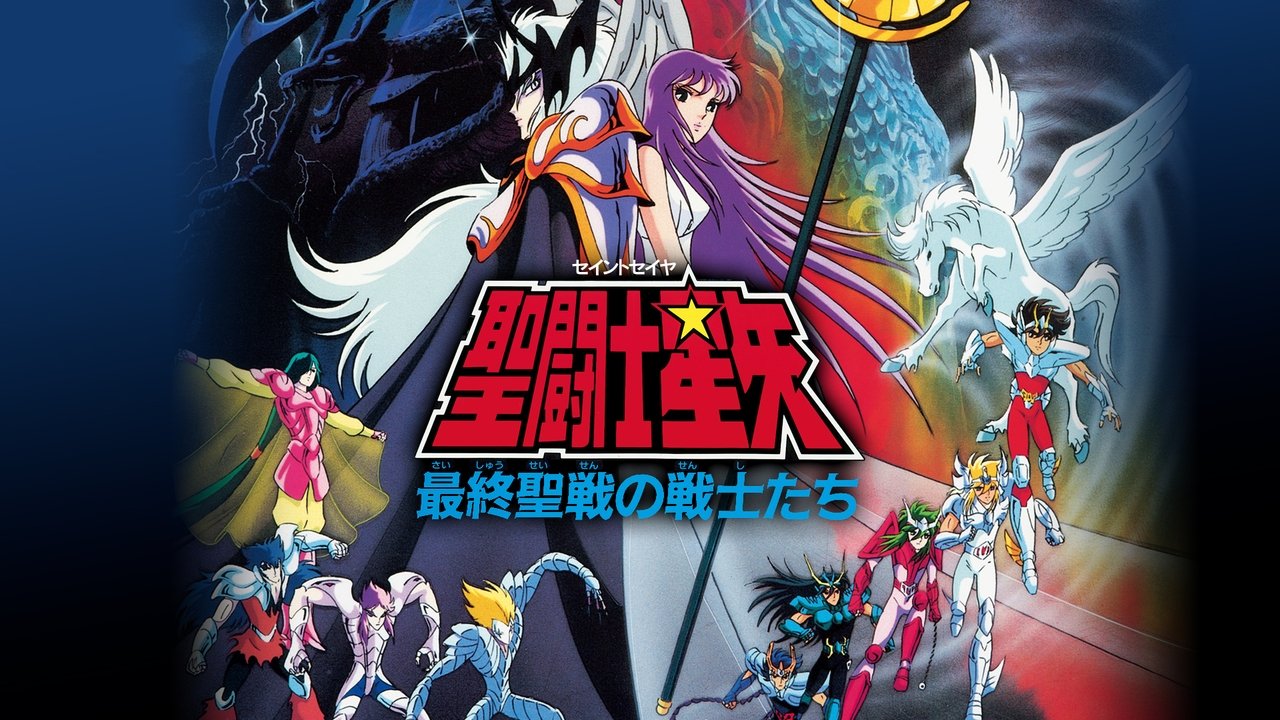
The animation, while perhaps not reaching the dizzying heights of later OVAs, is solid late-80s Toei Animation fare. There's a dynamic energy to the fights, dramatic posing galore, and those dazzling depictions of Cosmo energy lighting up the screen. The character designs, carrying the torch of Shingo Araki’s legendary work on the main series, remain iconic – the sharp lines, the expressive eyes, and those impossibly cool Cloth armors that every kid sketching in their notebook tried (and probably failed) to replicate.
### That Unforgettable Soundtrack
Let’s talk about the music. Seiji Yokoyama’s score is, frankly, half the experience. The soaring orchestral themes, the melancholic melodies associated with sacrifice, the urgent battle tracks – they elevate every scene. Yokoyama’s music is inseparable from Saint Seiya, and even in this shorter film format, his compositions lend an epic, almost operatic quality to the proceedings. Hearing those familiar refrains instantly transports you back, adding layers of emotion that the often-brisk pacing might otherwise skim over. It’s a masterclass in anime scoring.
### Retro Fun Facts & VHS Glory
Being the fourth movie, released in March 1989, Warriors of the Final Holy Battle landed during peak Saint Seiya mania in Japan. Like the other films, it exists somewhat outside the main manga/anime continuity, offering a concentrated dose of what made the series popular: mythological stakes, cool armor, desperate battles, and unwavering heroism. Lucifer being an anime-original creation allowed the writers freedom, though sticking him into the established divine hierarchy felt incredibly bold.
Finding this on VHS back in the day, especially if you were outside Japan where Saint Seiya often arrived through less official channels initially, felt like uncovering treasure. The slightly grainy picture, maybe some slightly off subtitling or a dubious dub track – it was all part of the adventure. This movie, often running back-to-back with another feature on rental tapes, provided a potent shot of anime action that felt worlds away from typical Western animation. It might not have had the budget of a major Disney release, but it had spectacle and heart in spades.
### Final Verdict
Saint Seiya: Warriors of the Final Holy Battle is pure, distilled 80s Saint Seiya. It’s fast-paced, visually striking (within its era's standards), features incredible music, and boasts a premise so grand it borders on the absurd – which is precisely its charm. The plot is straightforward, essentially a boss rush against Lucifer's forces culminating in a final showdown, and character arcs are minimal. But what it lacks in narrative complexity, it makes up for in sheer mythological spectacle and heroic passion. It delivers exactly what fans expected: the Saints facing impossible odds, burning their Cosmo to the limit, and saving Athena yet again.
Rating: 7/10
Justification: The score reflects the film's strengths as a concentrated burst of Saint Seiya action, elevated by Yokoyama's music and the iconic character designs. It captures the spirit of the series effectively within its short runtime. However, the rushed plot, reliance on prior knowledge of the franchise, and somewhat repetitive structure (common to these tie-in films) keep it from reaching the absolute top tier. It's a blast for fans, maybe a bit bewildering for newcomers, but undeniably entertaining.
Final Thought: It might be a non-canon side story, but watching the Saints challenge Lucifer himself felt like witnessing legends unfold on that flickering television screen – a truly heavenly slice of 80s anime adventure preserved forever on magnetic tape.