Here we go, digging into a corner of the video store shelf that wasn't always brightly lit, perhaps tucked away in the 'Foreign Language' or 'Cult Curiosities' section. It’s a place where expectations were often delightfully shattered, and no film exemplifies that quite like Pedro Almodóvar's 1983 offering, Dark Habits (or Entre tinieblas for the purists). What unfolds behind the walls of its central convent isn't quiet contemplation, but a vibrant, chaotic, and surprisingly tender exploration of faith, failure, and finding solace in the most unconventional of communities.
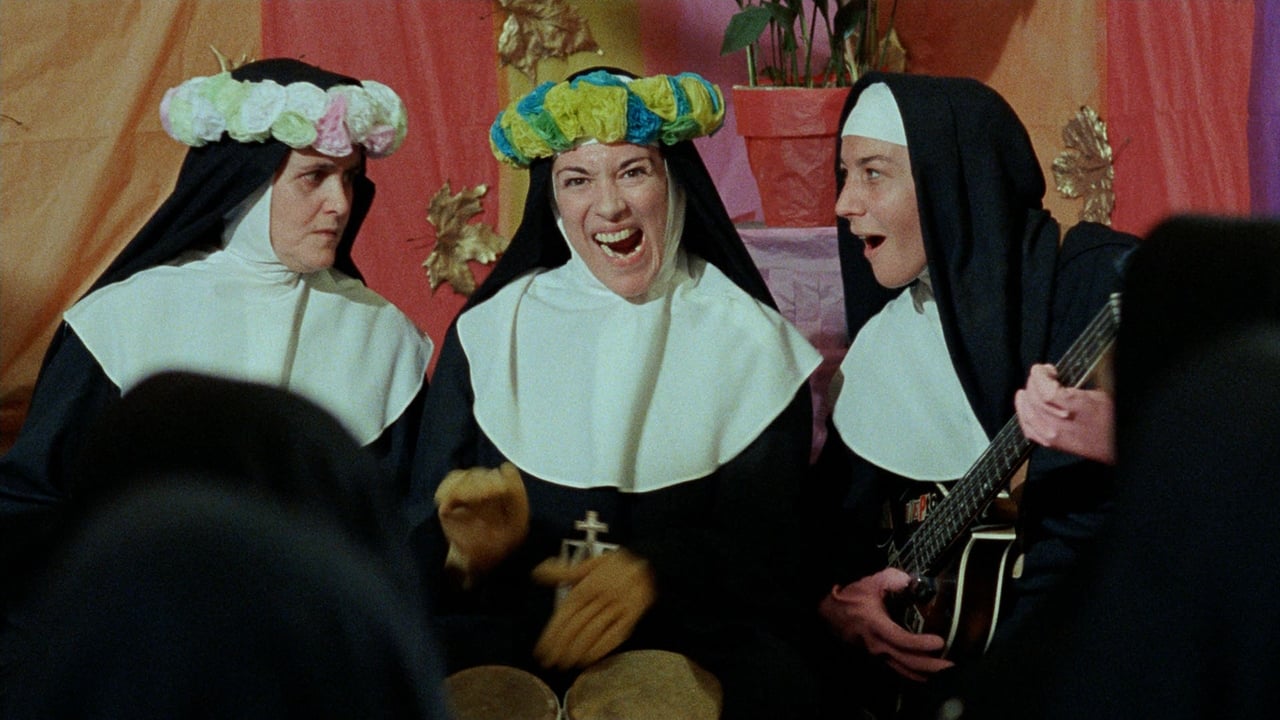
Sanctuary or Something Stranger?
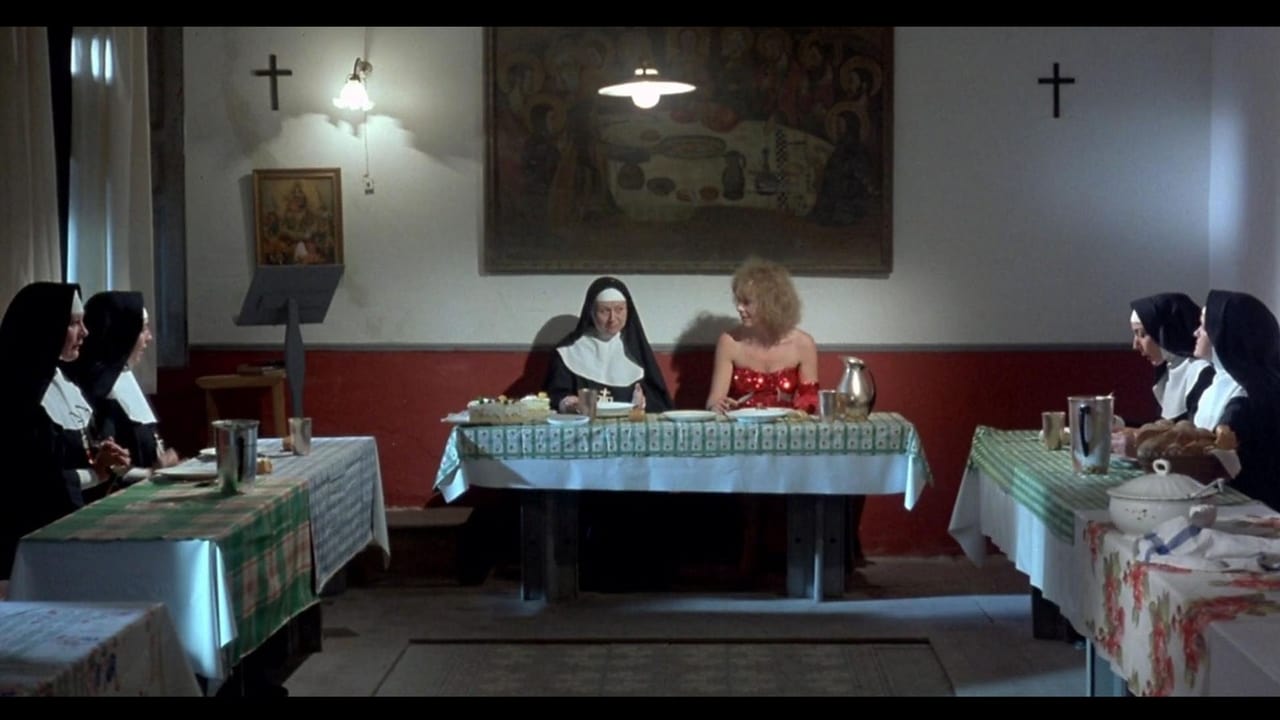
The premise itself feels like a fever dream cooked up during La Movida Madrileña, that explosion of counter-cultural energy in post-Franco Spain that Almodóvar became synonymous with. Yolanda (Cristina Sánchez Pascual), a sultry nightclub singer, witnesses her lover's overdose and flees the police, seeking refuge in the unlikeliest of places: a convent dedicated to rescuing 'fallen women'. But the 'Humble Redeemers' are far from conventional nuns. Their funding is precarious, dependent on a fickle benefactress, and their spiritual practices are... unique. This isn't your typical story of redemption; it's a dive into a world where the sacred and the profane don't just coexist, they embrace.
What immediately strikes you is the atmosphere Almodóvar conjures. Despite the often outrageous happenings, there's a palpable sense of enclosure, almost theatricality. Much of the action is confined to the convent walls, creating a pressure-cooker environment where hidden desires and desperate needs inevitably bubble to the surface. It feels less like a holy sanctuary and more like a last-chance saloon run by women who've traded one set of vows for another, equally complex existence.
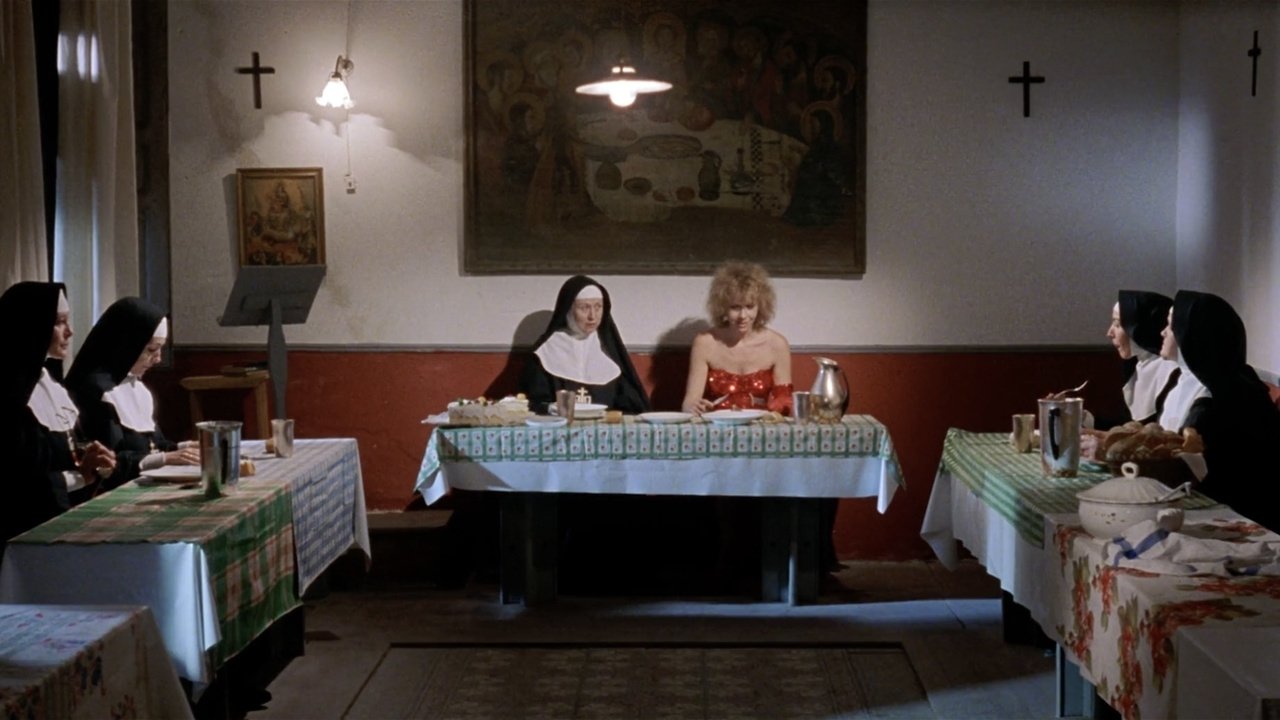
Meet the Redeemers
The heart of the film beats within its eccentric ensemble. Julieta Serrano, an actress who would grace several more Almodóvar films, is unforgettable as the Mother Superior. Far from a figure of stern piety, she’s wracked by doubt, nursing a serious heroin addiction, and develops an intense, borderline obsessive affection for Yolanda. Serrano navigates this tightrope beautifully, finding pathos and vulnerability beneath the shocking surface. Her portrayal is a masterclass in Almodóvar's early style – heightened emotion played with utter conviction. Doesn't her struggle, in its extremity, hint at the universal human search for connection and escape, even within the most rigid structures?
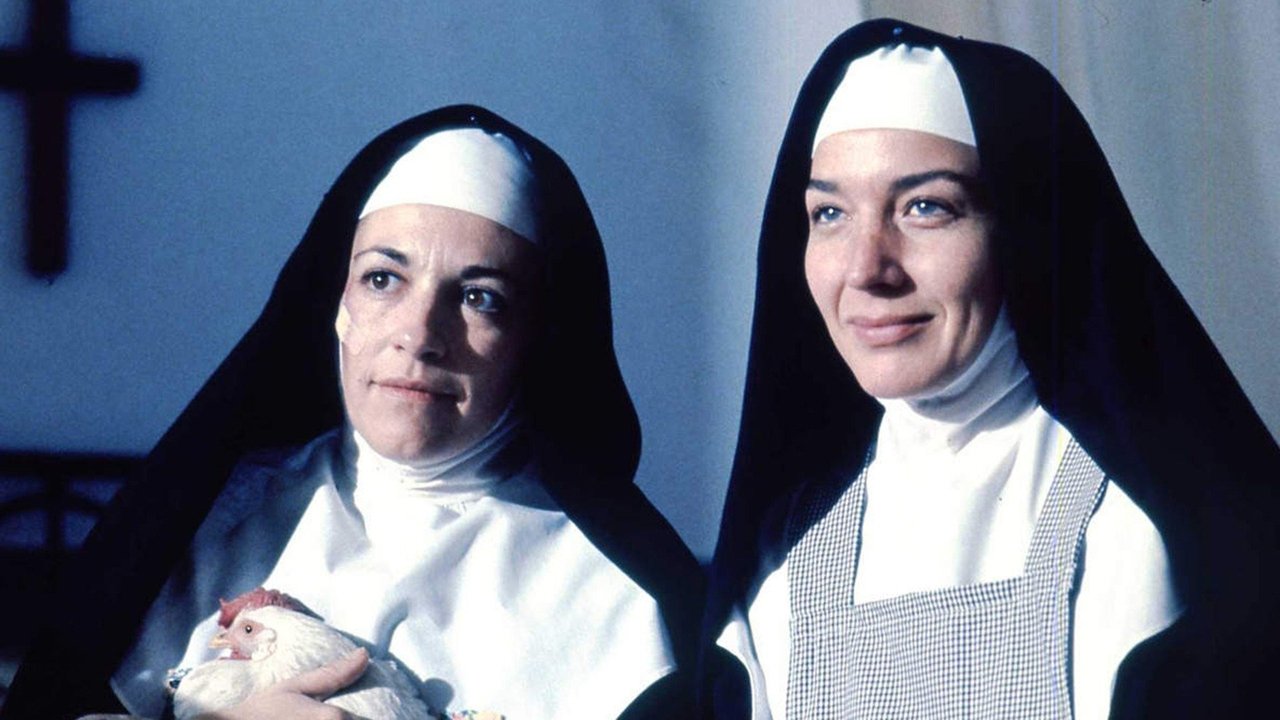
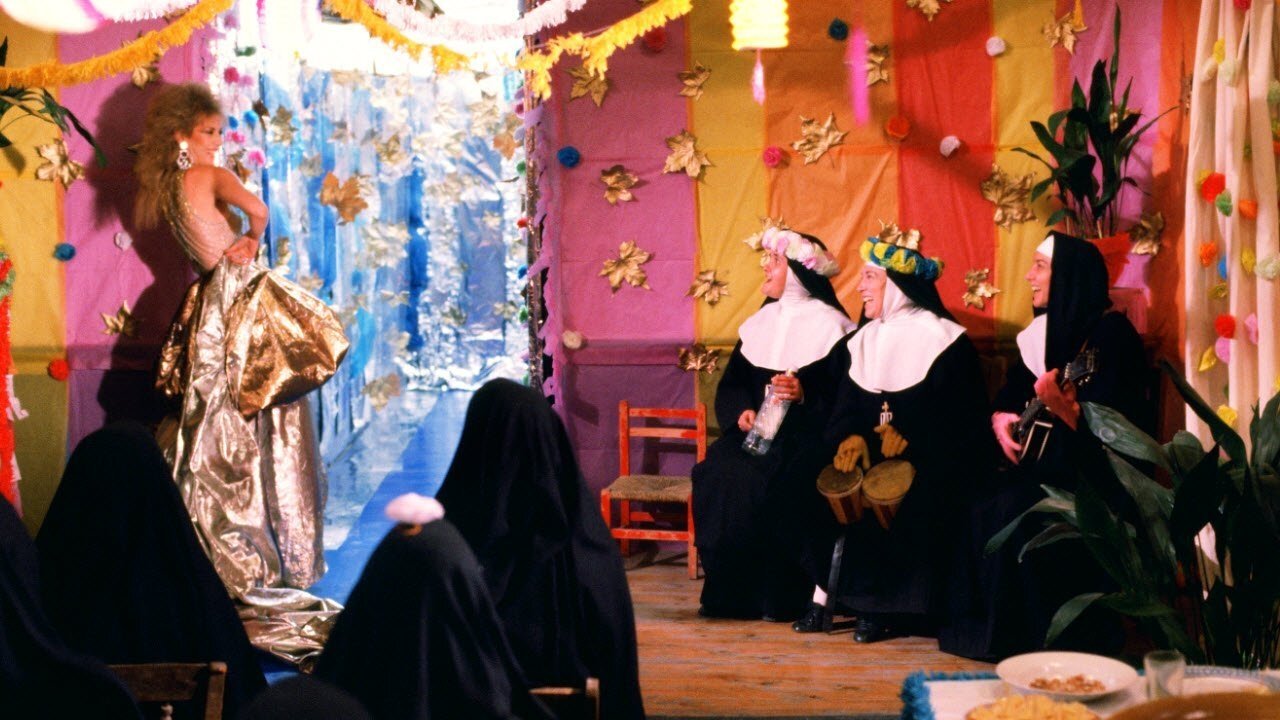
And then there are the other sisters, each a wonderfully bizarre creation. There’s Sister Rat (Chus Lampreave, another Almodóvar regular known for her impeccable comic timing), who secretly writes lurid novels under the pen name 'Concha Torres'. Sister Manure (Marisa Paredes, who would later deliver powerhouse performances in Almodóvar classics like All About My Mother (1999) and The Skin I Live In (2011)) tends the convent's garden and finds religious ecstasy through LSD, occasionally sharing her visions with the convent's casually kept pet tiger, 'Tigrillo'. Sister Snake designs elaborate haute couture, dreaming of dressing the Madonna. It's a gallery of glorious misfits, each nun grappling with her own form of addiction, obsession, or thwarted desire.
Almodóvar Finding His Voice
Watching Dark Habits today feels like witnessing a vital stage in Almodóvar's artistic development. This was only his third feature, reportedly financed partly by selling the rights to his previous film, Labyrinth of Passion (1982), showcasing his fierce determination. You can see the seeds of his later, more polished works: the bold colour palettes (though more muted here than in his later films), the fascination with female relationships, the blending of high melodrama with dark, often campy humour, and the sympathetic portrayal of marginalized characters. It's rougher around the edges than, say, Women on the Verge of a Nervous Breakdown (1988), lacking its narrative sleekness, but it possesses a raw, almost punk energy.
The film certainly wasn't afraid to provoke, tackling drug use and lesbian desire within a religious setting – themes that might have caused significant censorship battles just a few years earlier in Spain. Its reception was initially mixed, perhaps too strange for mainstream tastes, but it quickly cemented its place as a cult favourite, an essential piece of early Almodóvar. Finding this on VHS back in the day, perhaps nestled between more conventional dramas, must have felt like discovering a secret transmission from a wonderfully weirder universe. I recall renting it from a specialist store, the kind with handwritten labels and staff who offered knowing nods, feeling like I'd stumbled onto something genuinely subversive.
Flawed Faith, Human Hearts
While Cristina Sánchez Pascual as Yolanda serves as the audience's entry point, she sometimes feels more like a catalyst for the nuns' stories than a fully fleshed-out character herself. The narrative can meander, occasionally feeling more like a series of connected vignettes than a tightly plotted drama. Yet, these aren't necessarily fatal flaws. The film's power lies less in its plot mechanics and more in its audacious vision and the strange tenderness it finds amidst the chaos.
What lingers after the credits roll? Perhaps it's the image of the Mother Superior shooting heroin while gazing adoringly at a photo of Yolanda, or Sister Manure communing with her tiger under the influence. These moments are shocking, yes, but also strangely humanizing in their absurdity. Almodóvar seems less interested in condemning these women than in understanding their desperate attempts to cope, connect, and create their own meaning in a world – religious or secular – that often fails them. Is it possible that even within profound hypocrisy, genuine flickers of grace and community can be found?
Rating: 7.5/10
This score reflects Dark Habits' status as a fascinating, flawed, but utterly unique piece of early Almodóvar cinema. It lacks the narrative polish and emotional depth of his later masterpieces, and its deliberate provocations might not land for everyone. However, the unforgettable characters, the audacious blend of tones, the fearless performances (especially from Julieta Serrano and Marisa Paredes), and its raw, rebellious energy make it essential viewing for anyone interested in the director's evolution or the wilder side of 80s cult film. It's a film that defiantly refuses easy categorization, much like the peculiar sisters at its heart.
It remains a potent reminder that sometimes the most profound truths about human nature are found not in pious pronouncements, but in the messy, contradictory, and darkly beautiful corners of our 'dark habits'.