There’s a certain bittersweet pang that accompanies the act of return – stepping back into a place saturated with memories of youth. It's more than simple nostalgia; it’s often a quiet reckoning with the people we once were and the unforeseen paths our lives have taken since. Mike Binder's 1993 ensemble piece, Indian Summer, dives headfirst into this feeling, offering a warm, funny, and surprisingly poignant look at a group of friends summoned back to the summer camp that shaped their formative years. For many of us who discovered it nestled on a video store shelf, perhaps sandwiched between brasher comedies or louder dramas, it felt like uncovering a gentle, heartfelt gem.
### The Last Hurrah at Camp Tamakwa
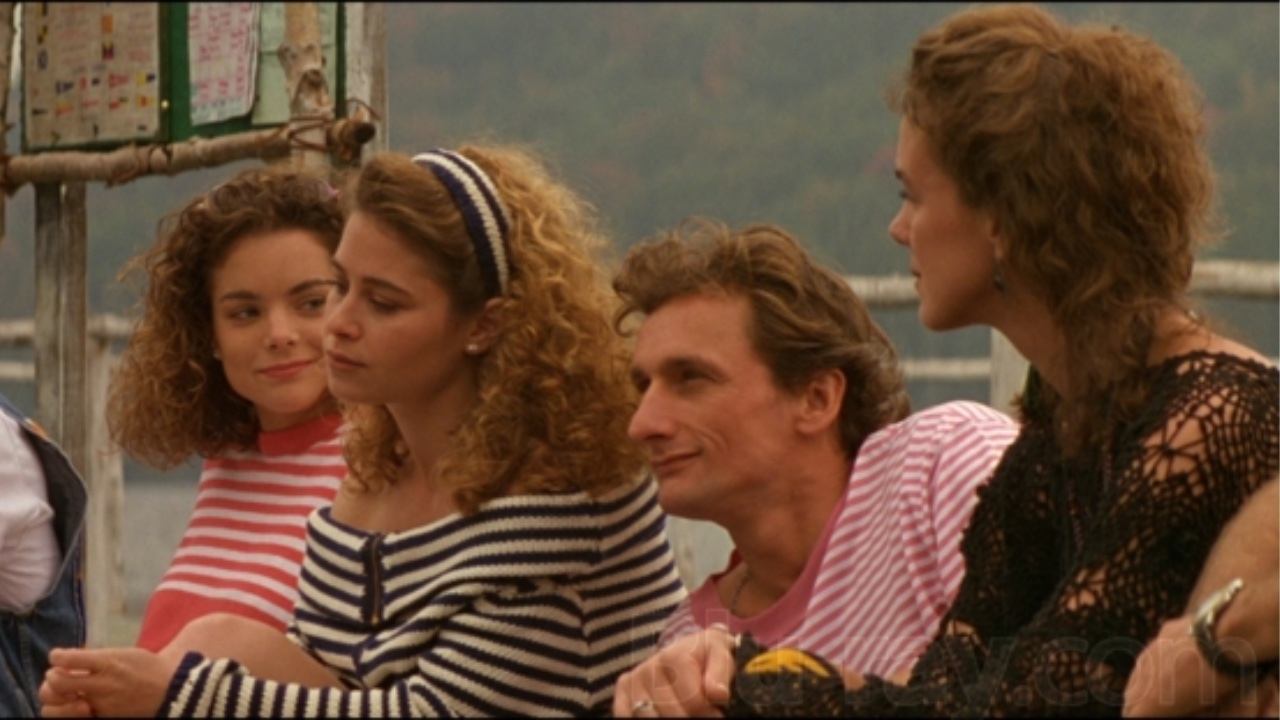
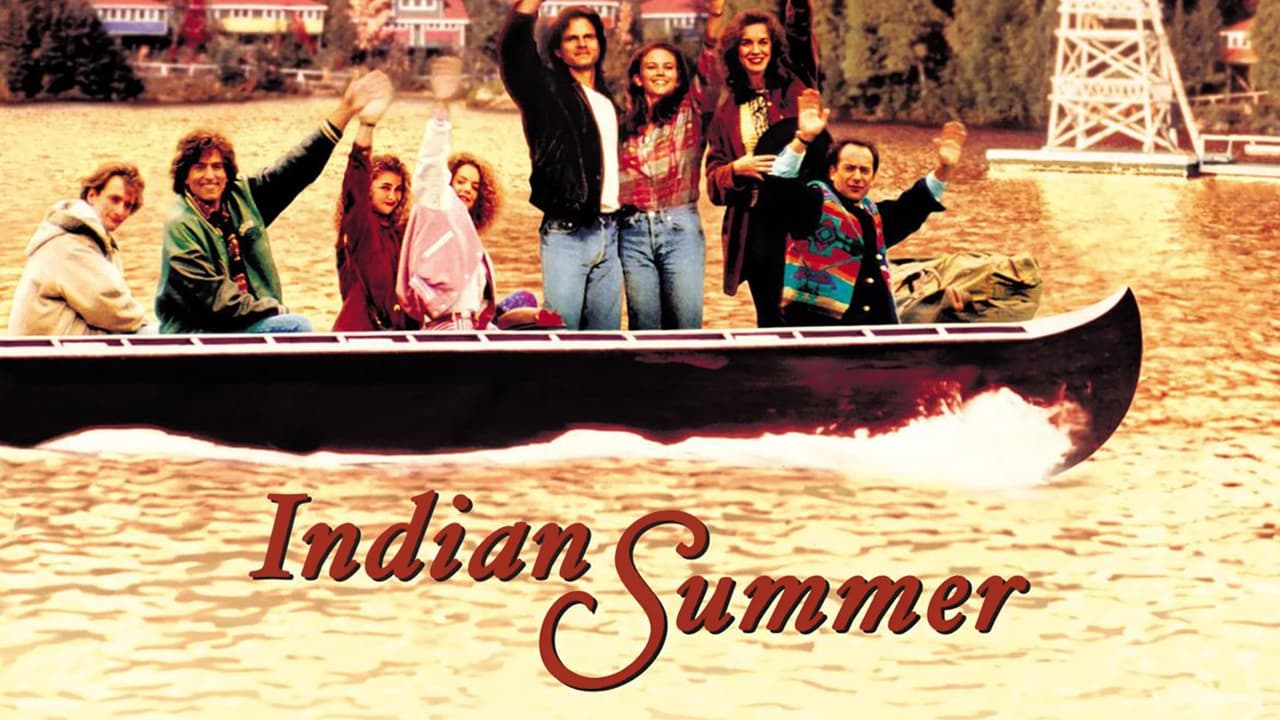
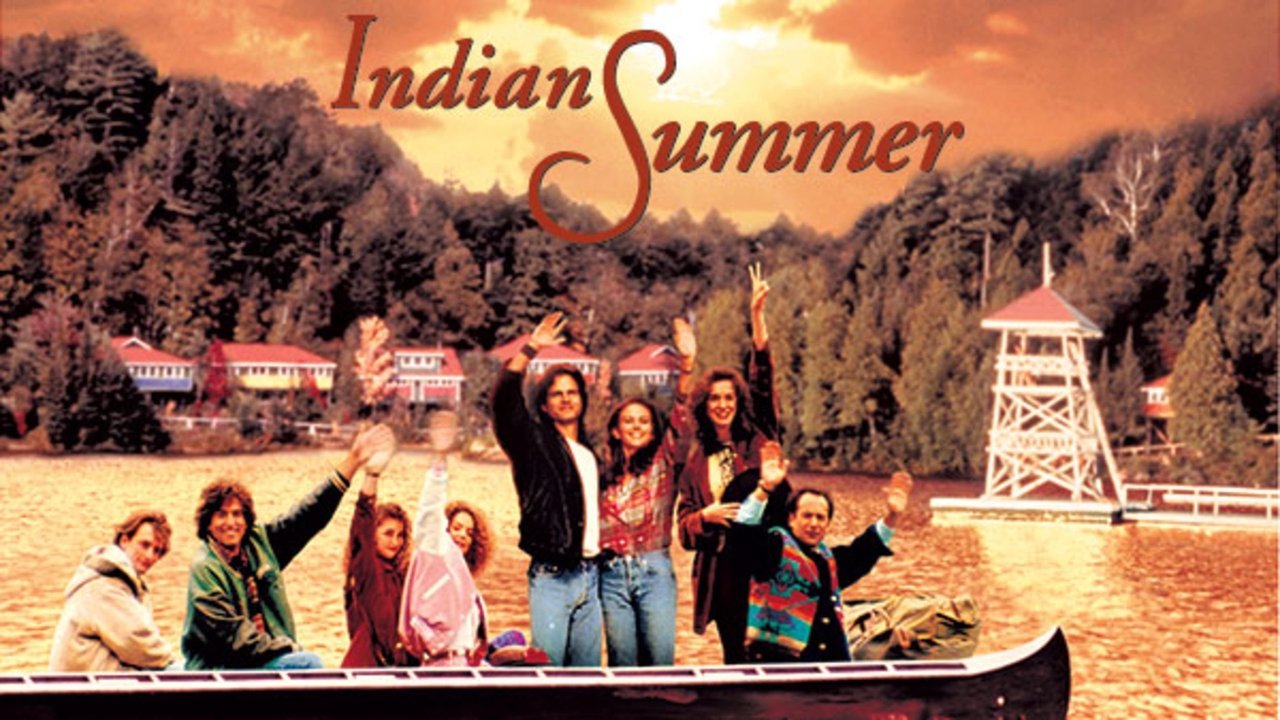
The premise is simple yet resonant: Lou Handler (Alan Arkin), the beloved, long-time owner and director of Camp Tamakwa, invites seven former campers – now adults navigating careers, marriages, divorces, and existential worries – back for a reunion week before he retires and the camp potentially closes its doors forever. The attendees are a perfectly cast snapshot of thirty-something anxieties and unresolved histories: Beth (Diane Lane), bringing her unassuming new husband; Jack (Kevin Pollak), wrestling with business pressures; Jennifer (Elizabeth Perkins), smarting from a recent breakup; Jamie (Matt Craven), harboring a long-held crush; Kelly (Jean Smart), married to Jamie's former best friend Rick (Bill Paxton); and Matthew (Vincent Spano), the quiet observer.
Binder, who also wrote the screenplay, doesn't construct a complex plot. Instead, he lets the film breathe, focusing on the interactions, the rekindled connections, the old rivalries that flare up, and the quiet moments of reflection under the Ontario pines. The film beautifully captures the specific magic of summer camp – the shared rituals, the inside jokes, the feeling of being sequestered away from the 'real world' – but filters it through the lens of adult experience, where nostalgia is tinged with melancholy and regret.
### An Ensemble That Feels Like Old Friends
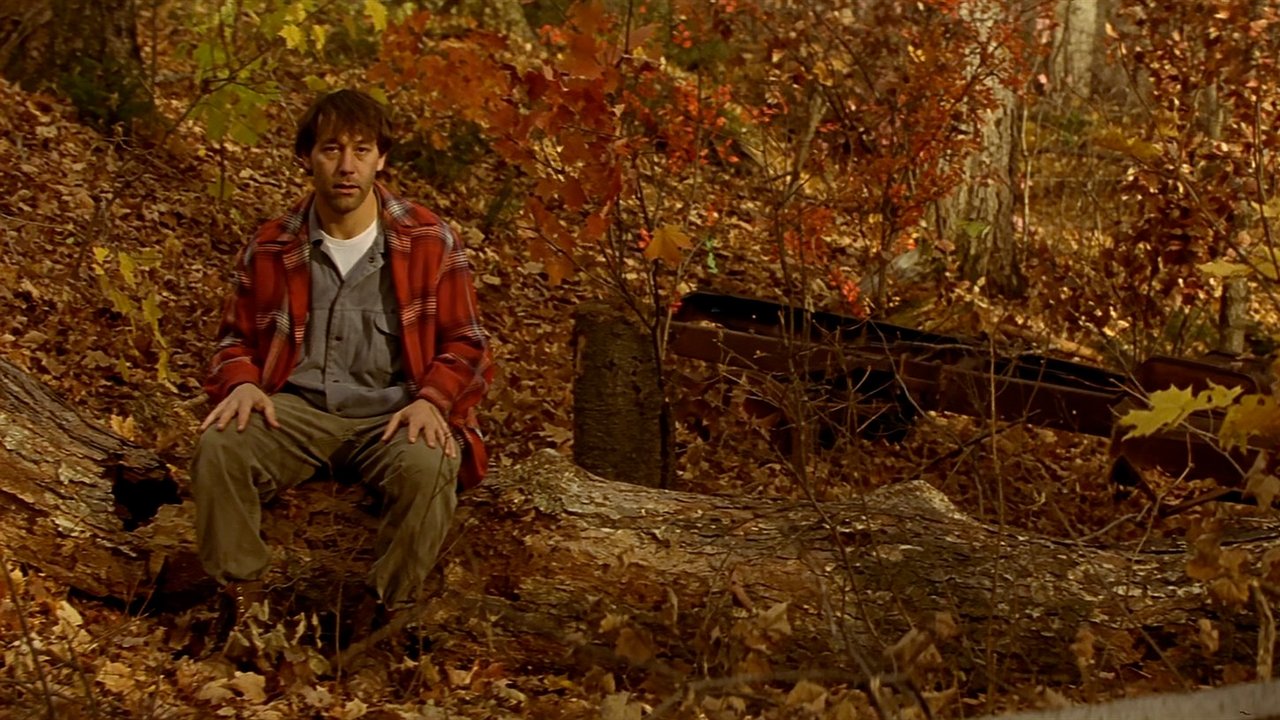
What truly elevates Indian Summer is its exceptional ensemble cast. Alan Arkin, as Unca Lou, is the film's warm, grounding center. He radiates paternal wisdom and a gentle sadness, embodying the spirit of the camp itself. His reflections on time and change provide some of the film's most touching moments. The younger cast members create a believable tapestry of shared history. The chemistry feels lived-in; you believe these people spent transformative summers together two decades prior.
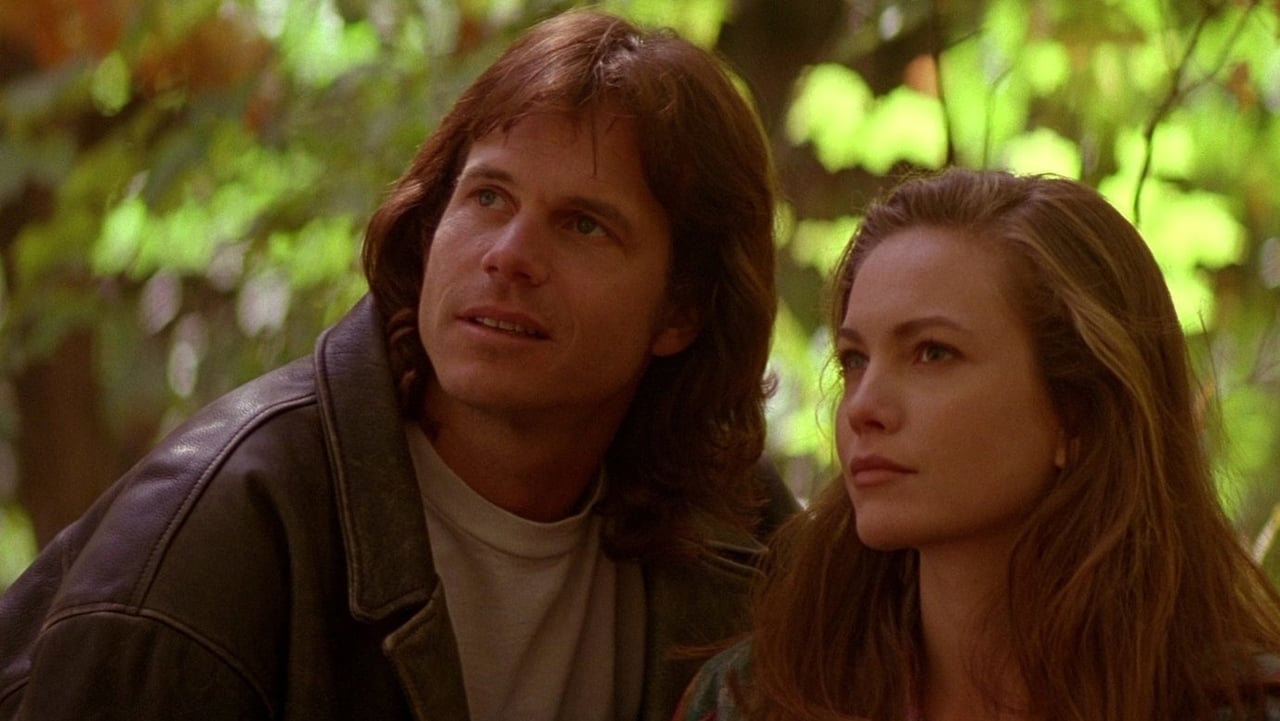
Diane Lane brings her signature understated grace to Beth, navigating the awkwardness of returning with a new partner while old flames flicker nearby. Bill Paxton, always a welcome presence, infuses Rick with a slightly goofy charm that masks deeper insecurities. Elizabeth Perkins perfectly captures Jennifer's prickly vulnerability, while Kevin Pollak offers comic relief that never feels forced, grounding his character's anxieties in relatable pressures. A standout is perhaps Jean Smart as Kelly, whose sharp wit and underlying warmth make her one of the most compelling figures. Watching them bounce off each other – teasing, arguing, confessing – feels remarkably authentic. It’s the kind of easy camaraderie and simmering tension that speaks volumes about long-term friendships.
### Behind the Pines: Binder's Personal Touch
One reason the film resonates so deeply is its autobiographical roots. Mike Binder based Camp Tamakwa on the actual camp of the same name in Canada's Algonquin Park, which he attended as a child. The film was even shot on location there, lending an undeniable authenticity to the setting. You can feel Binder's affection for the place in every frame. This personal connection prevents the film from slipping into cliché; the nostalgia feels earned, the emotions genuine.
It's also worth noting the delightful, slightly left-field casting of director Sam Raimi (yes, that Sam Raimi of Evil Dead and Spider-Man fame) as the camp's endearingly awkward maintenance man, Stick Coder. It’s a quirky, memorable performance that adds another layer to the film's unique charm. Binder apparently wrote the part specifically for his friend Raimi, who wasn't primarily known for acting. Another fun detail: the film was made on a relatively modest budget of around $5.5 million but found a appreciative audience, particularly through VHS rentals, grossing over $14 million – a quiet success story for a film prioritizing character and mood over spectacle.
### Echoes of Summer Past
Does Indian Summer grapple with earth-shattering stakes? No. Its conflicts are internal, personal – the kind that echo in our own lives. It asks us to consider how much we've changed, what dreams we've let go of, and whether it's ever too late to reconnect with core parts of ourselves or each other. What does it mean to revisit the landscapes of our youth? Can we truly go home again, or do we just carry the memories – and the ghosts – with us? The film doesn’t offer easy answers, preferring instead to sit with the questions, much like its characters sitting around a final campfire.
Compared to the often cynical or high-concept comedies of the 90s, Indian Summer stands out for its earnestness and gentle pacing. It trusts its audience to connect with the characters and the atmosphere, allowing moments of quiet reflection to land with surprising weight. It's a film less about big laughs and more about warm chuckles and thoughtful sighs.
---
Rating: 8/10
Indian Summer is a beautifully observed, character-driven piece that earns its emotional resonance through authentic performances and a palpable sense of place. While its low-key nature might not grab everyone, its blend of humor, warmth, and wistful nostalgia feels perfectly pitched. The ensemble cast is superb, and Mike Binder's personal connection to the material shines through, making the fictional Camp Tamakwa feel like a real place filled with genuine history. It might not have been a blockbuster, but finding this tape felt like discovering a hidden path back to a cherished memory.
It’s the kind of film that lingers, like the smell of woodsmoke on a cool autumn evening, prompting reflections on friendships, the passage of time, and those indelible summers that shape us in ways we only understand looking back.