It starts, as these things often do, with a chance encounter. A moment bathed in the soft glow of an art gallery, a meeting that feels almost too perfect, too sculpted by fate. That initial magnetism is the hook of Dream Lover, a film that arrived in 1993, slipping onto video store shelves perhaps a little quieter than some of its flashier erotic thriller contemporaries like Basic Instinct (1992) or Sliver (1993). Yet, there's a particular chill to this Nicholas Kazan-helmed psychodrama, one that lingers long after the tape hiss fades. It asks a question that resonates even now, perhaps more so in our curated digital lives: How well can you ever truly know the person sleeping beside you?

An Architect's Undoing
We meet Ray Reardon, played by James Spader with that specific brand of intellectual intensity he owned in the late 80s and early 90s. Fresh off a painful divorce, Ray's a successful architect, seemingly grounded but emotionally adrift. Spader embodies him not as a fool, but as a man weary of games, yearning for something genuine. He’s vulnerable, and it’s this vulnerability that makes him susceptible when Lena (Mädchen Amick) walks into his life. Amick, familiar to many of us then primarily as the sweet but troubled Shelly Johnson from Twin Peaks, delivers a performance here that’s a revelation. She crafts Lena as the embodiment of Ray’s desires – beautiful, intelligent, passionate, seemingly open. It’s the ‘seemingly’ that becomes the narrative engine. Their whirlwind romance leads to marriage, a beautiful home, children… the idyllic picture. But perfection, as Ray discovers, can be a meticulously constructed façade.
Cracks in the Veneer

Kazan, who also penned the screenplay (having previously written the sharp script for Reversal of Fortune (1990)), takes his time. This isn't a film built on jump scares or overt menace, at least not initially. It thrives on unsettling details, inconsistencies in Lena’s stories, moments where her mask seems to slip ever so slightly. Is Ray becoming paranoid, haunted by his past relationship? Or is Lena truly hiding something profound? The film excels in placing the audience squarely within Ray's increasingly fractured perspective. We question his sanity alongside him. Spader is masterful here, his subtle shifts from confident lover to bewildered husband, then to desperate investigator, feel utterly authentic. His gradual unraveling is the film's dark core.
This slow burn was likely a factor in Dream Lover's modest theatrical run; it reportedly grossed around $4.5 million domestically against a budget estimated near $10 million. It wasn't the explosive hit some might have expected from the genre at the time. Yet, this deliberate pacing is precisely what made it such a potent find on VHS. It allowed the creeping dread and psychological ambiguity to truly seep in during a quiet evening watch, away from the multiplex bustle. It became one of those titles whispered about – "Have you seen Dream Lover? It really gets under your skin."
Performance as Illusion
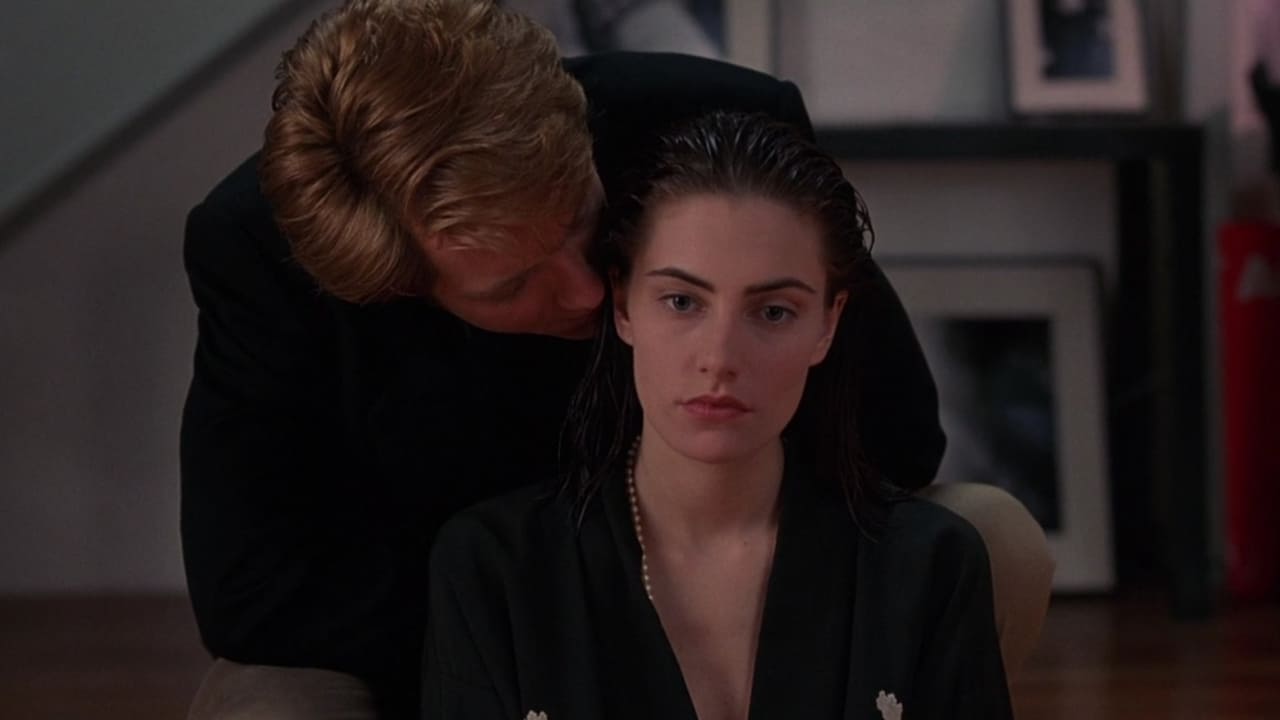
The film rests heavily on its two leads, and both deliver complex, compelling work. Amick's task is particularly challenging. She needs to be convincing as the fantasy, the supportive wife, the loving mother, and potentially something far more calculating and dangerous. She navigates these shifts with a captivating ambiguity. Is she a victim of Ray's paranoia, or a master manipulator? Her performance keeps you guessing, oscillating between vulnerability and an unnerving opacity. It’s a layered portrayal that arguably deserved more attention than it received at the time.
Kazan, in his directorial debut (a rarity for a writer already known for complex character studies), uses the sleek, often sterile environments – Ray's modern house, impersonal offices – to heighten the sense of isolation and psychological entrapment. There’s a coolness to the visuals that mirrors the emotional distance growing between the couple. The camera often lingers on faces, searching for tells, mirroring Ray’s own desperate scrutiny of Lena.
Retro Reflections and Lingering Questions
Watching Dream Lover today evokes that specific 90s thriller feel – the blend of glossy production values with dark, often transgressive themes. It lacks the overt stylization of some contemporaries but possesses a more insidious psychological depth. It touches upon themes of identity, the masks we wear, and the terrifying possibility that the person we love might be a complete stranger. Remember that tagline? "He thought he knew everything about her... He was wrong." Simple, effective, and chillingly accurate to the film's core anxiety.
The film isn't without its flaws. Some might find the pacing too deliberate, and the legal machinations in the third act can feel a bit convoluted. (Spoiler Alert! for the next sentence) The ending itself is notoriously abrupt and somewhat bleak, leaving viewers with questions rather than easy answers – a choice that frustrated some but arguably enhances its unsettling power for others. What truly stays with you isn't necessarily the plot mechanics, but the central performances and the unnerving atmosphere of doubt Kazan sustains. It’s a film that burrows into your thoughts, prompting reflection on trust and perception in our own relationships.
Rating: 7.5 / 10
This score reflects a film that succeeds brilliantly in creating sustained psychological tension and features outstanding lead performances, particularly from Mädchen Amick in a demanding role. James Spader is perfectly cast, embodying the intelligent man undone by desire and doubt. While its deliberate pace and slightly unwieldy third act might not work for everyone, its strength lies in its unsettling atmosphere and the enduring questions it raises about intimacy and deception. It's a prime example of a 90s thriller that maybe didn't set the box office alight but found its true home on video, becoming a memorable discovery for those seeking something more complex than the average genre fare.
Dream Lover remains a potent reminder from the VHS era that sometimes the most terrifying monsters aren't lurking in the shadows, but smiling back at you from across the dinner table. What secrets do we keep, even from ourselves?