The rain. That's what stays with you long after the tape clicks off. Not just a drizzle, but a relentless, almost biblical deluge hammering the roof of a dilapidated police station somewhere remote, somewhere forgotten. It’s the first character we meet in Giuseppe Tornatore’s 1994 psychological chamber piece, A Pure Formality (Una Pura Formalità), and it sets a tone of oppressive mystery that permeates every frame. Finding this on a video store shelf back in the day, perhaps nestled between brightly coloured actioners, felt like uncovering something distinctly different, something demanding your full attention.
A Night of Reckoning
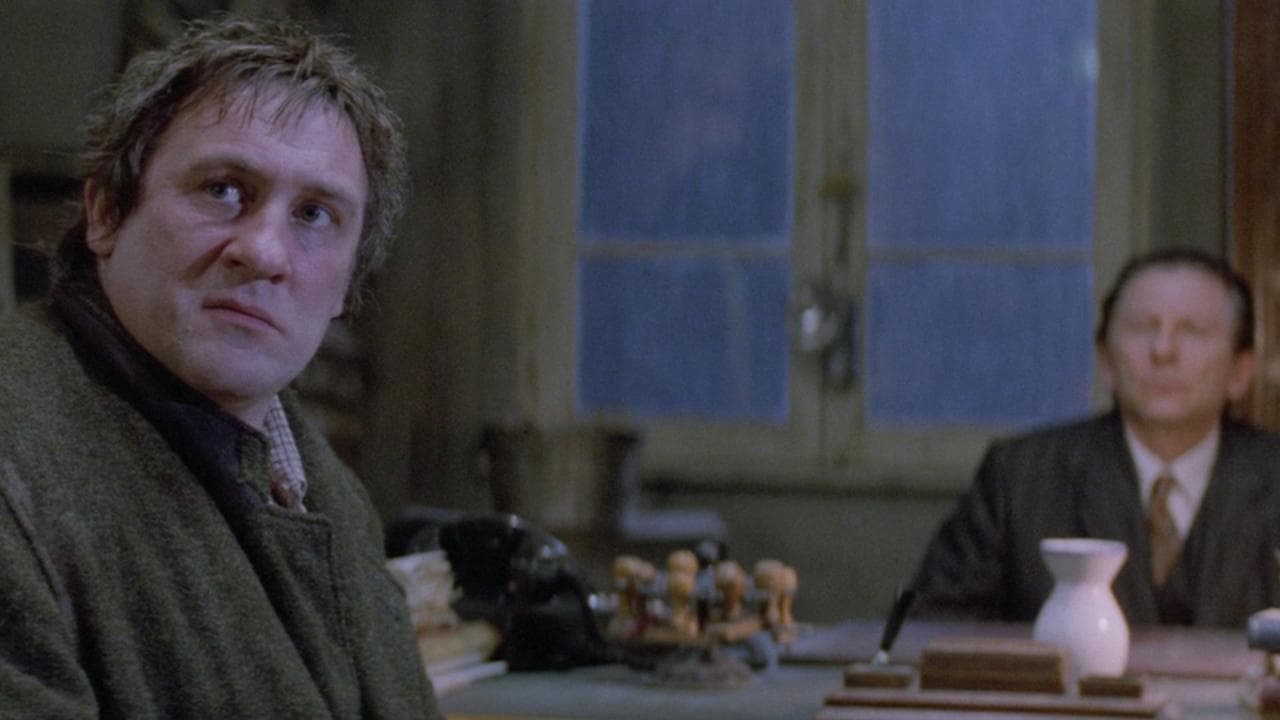
The premise is deceptively simple, yet instantly intriguing. A dishevelled, mud-caked man is apprehended by police during the storm. He carries no identification and claims amnesia. This man, Onoff, played with volatile grandeur by Gérard Depardieu, soon reveals himself – or perhaps is forced to reveal himself – as a celebrated, reclusive writer. Confined to the isolated precinct, he undergoes an intense, night-long interrogation by the meticulous, unnervingly calm Inspector, portrayed by Roman Polanski. What begins as a routine inquiry spirals into a labyrinthine exploration of memory, identity, guilt, and the very nature of truth.
Tornatore crafts an atmosphere thick with tension and existential dread. Fresh off the international acclaim of the heart-warming Cinema Paradiso (1988), this film represented a stark, almost confrontational shift in style. Gone was the sun-drenched nostalgia, replaced by shadow, confinement, and the incessant drumming of rain. The entire film, barring brief, fragmented flashbacks, unfolds within the confines of the police station, a set brilliantly constructed on soundstages at Rome's famed Cinecittà studios. This deliberate confinement isn't just a budgetary choice; it becomes a pressure cooker, forcing the characters – and the audience – inward, into the recesses of Onoff's fractured psyche. The masterful score by the legendary Ennio Morricone, a frequent Tornatore collaborator, further deepens the mood, weaving melancholy and suspense into the very fabric of the film.
Monsters of Cinema Face Off
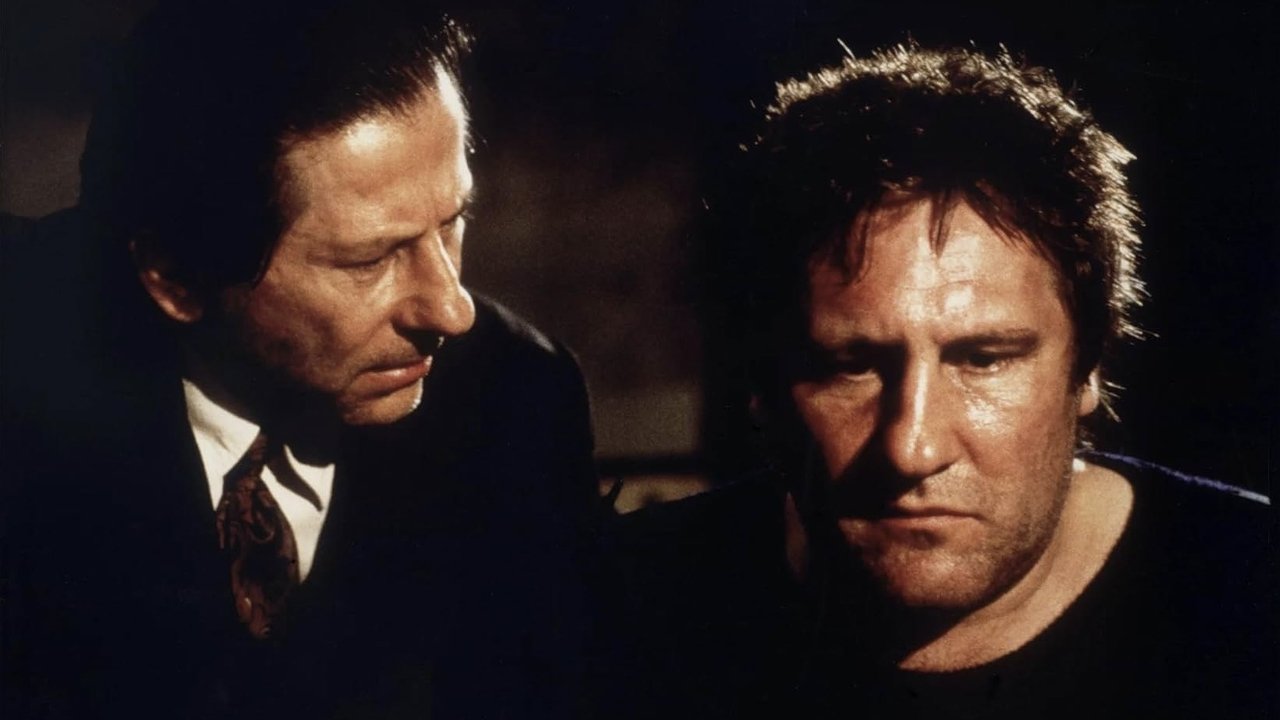
At its core, A Pure Formality is a riveting two-hander, a duel between acting titans. Depardieu, then arguably at the peak of his formidable powers, delivers a performance of raw, wounded enormity. His Onoff is a tempest – raging, vulnerable, evasive, and tragically aware of his own brilliance and failings. Watching him wrestle with fragmented recollections, lashing out one moment and pleading the next, is utterly compelling. It feels less like acting and more like witnessing a soul laid bare.
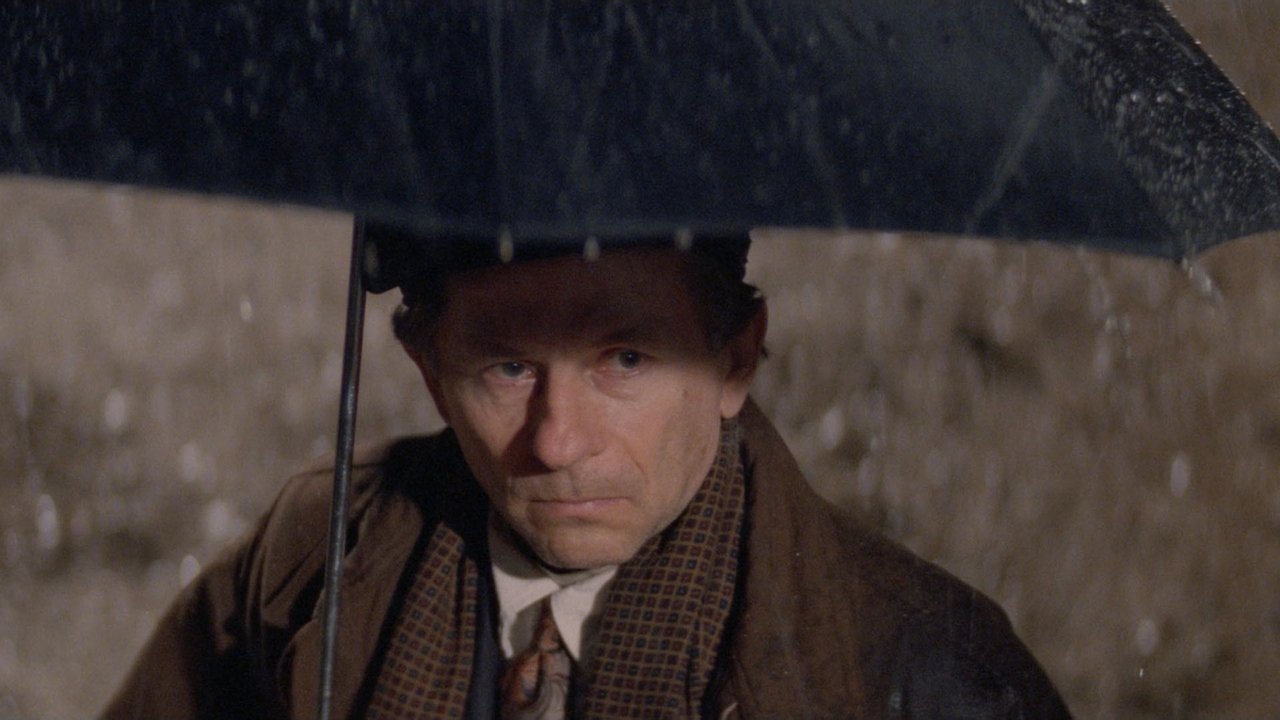
Opposite him, Polanski – known primarily for his directorial genius (Chinatown (1974), Rosemary's Baby (1968)) – is a revelation. His Inspector is the perfect foil: precise, intellectually sharp, almost eerily detached, yet hinting at a deeper understanding, perhaps even empathy, beneath the procedural surface. He listens more than he speaks, his observant eyes missing nothing. Tornatore reportedly sought two "monsters" of cinema for these roles, and the friction and respect between Depardieu and Polanski crackles on screen. Their exchanges aren't just dialogue; they're intricate parries and thrusts in a high-stakes game where the prize is Onoff's very self.
Weaving the Narrative Thread
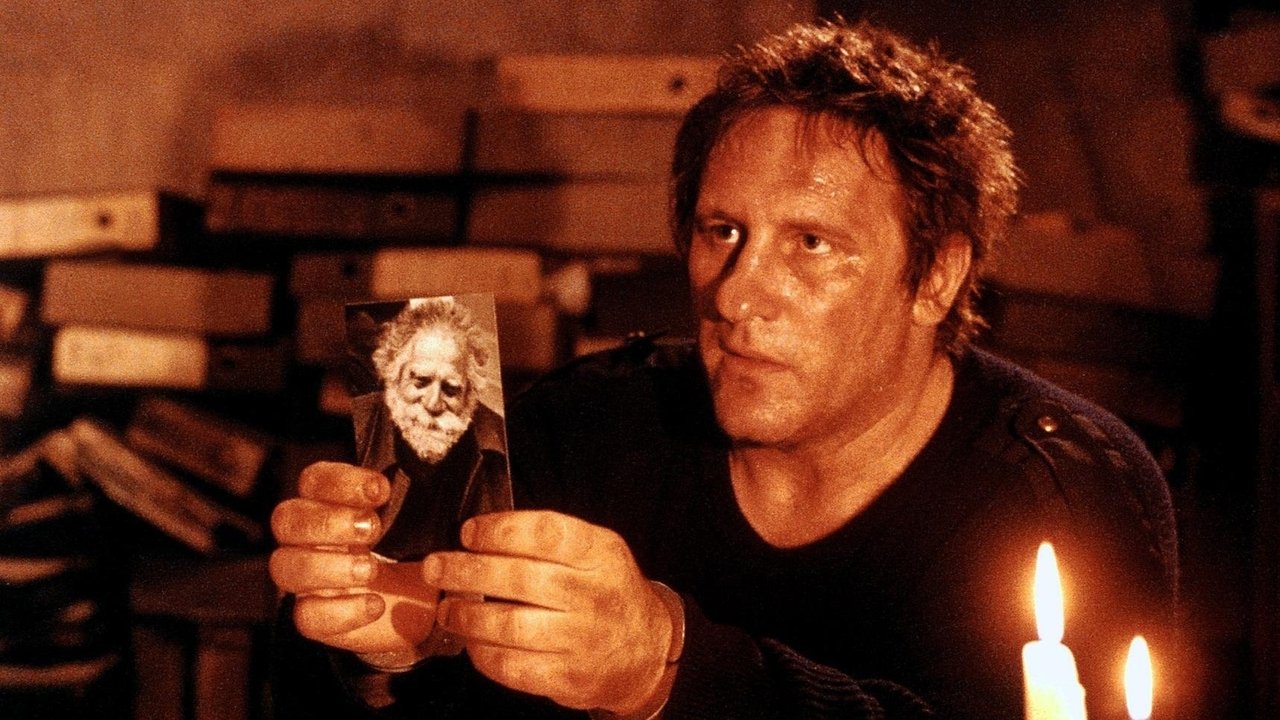
The film masterfully employs a non-linear structure. As the Inspector probes, Onoff's memories surface not in chronological order, but as jarring fragments – triggered by a question, an object, a sound. This mirrors the often chaotic and unreliable nature of memory itself. We piece together Onoff's life, his loves, his artistic triumphs, and his profound regrets alongside the Inspector. It forces us to question: What constitutes identity? Is it the sum of our memories, even if those memories are flawed or incomplete? Can we truly know another person, or even ourselves?
Interestingly, the film premiered in competition for the Palme d'Or at the 1994 Cannes Film Festival, where reactions were somewhat divided. Some critics, perhaps expecting another Cinema Paradiso, found its theatricality and philosophical weight challenging. Yet, viewed decades later, its deliberate pacing and claustrophobic intensity feel purposeful, drawing you into its central enigma. It wasn't designed for easy consumption; it was crafted to linger, to provoke thought. The title itself, A Pure Formality, speaks volumes – suggesting a process, an inevitable procedure that must be undergone, regardless of the human cost.
Lasting Echoes in the Rain
A Pure Formality isn't a film you watch casually. It demands engagement, patience, and a willingness to descend into its murky depths. The performances are monumental, the atmosphere is unforgettable, and the questions it poses about life, death, and the stories we tell ourselves resonate long after the credits roll. While perhaps not a 'feel-good' rental night choice back in the VHS era, discovering it felt like a significant cinematic experience – a reminder that film could be intensely literate, challenging, and deeply philosophical.
Rating: 8.5/10
This score reflects the film's powerhouse performances, its masterful control of atmosphere, and its intellectually stimulating exploration of complex themes. While its deliberate pacing and theatricality might not appeal to all, its artistic ambition and the sheer force of the central duet make it a compelling and rewarding watch. It’s a film that burrows under your skin, leaving you contemplating the fragments of memory and meaning long after the storm outside has passed. What truths lie hidden in the stories we can't quite remember?