Okay, let's rewind the tape. Forget the brooding, one-punch-kills seriousness that often dominated the kung fu genre for a moment. In 1978, a film landed like a perfectly timed, seemingly clumsy, yet devastatingly effective strike, changing the game forever. That film was Drunken Master, and finding its often slightly battered VHS box on the rental shelf felt like unearthing pure, unadulterated gold. It wasn’t just another martial arts flick; it was an electrifying blend of physical comedy and bone-crunching action that felt utterly fresh and ridiculously entertaining.
### A Different Kind of Hero
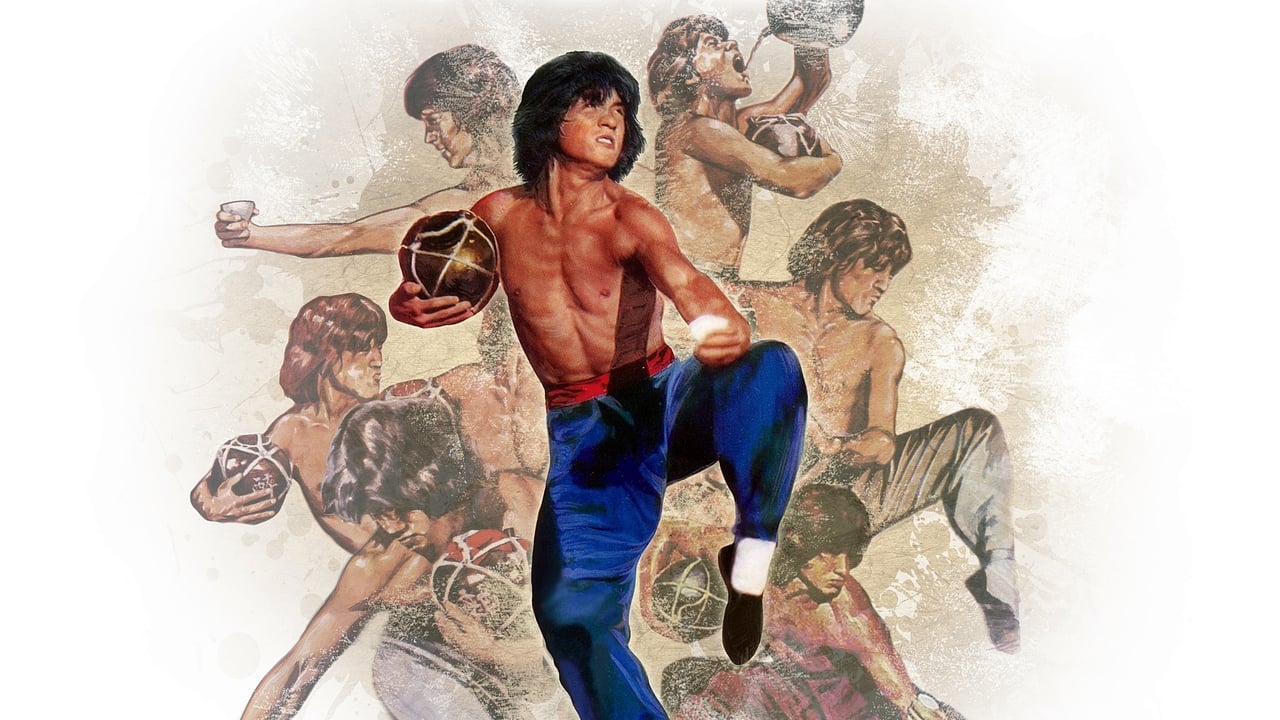
Our protagonist isn't some stoic warrior monk, but the mischievous young Wong Fei-hung, played by a truly magnetic Jackie Chan in the role that cemented his superstar status. This Fei-hung is less concerned with upholding tradition and more interested in pulling pranks, showing off, and generally being a nuisance. His exasperated father, unable to rein him in, hires the notoriously tough Beggar So (also known as Sam Seed) to discipline him. And that’s where the real magic begins.
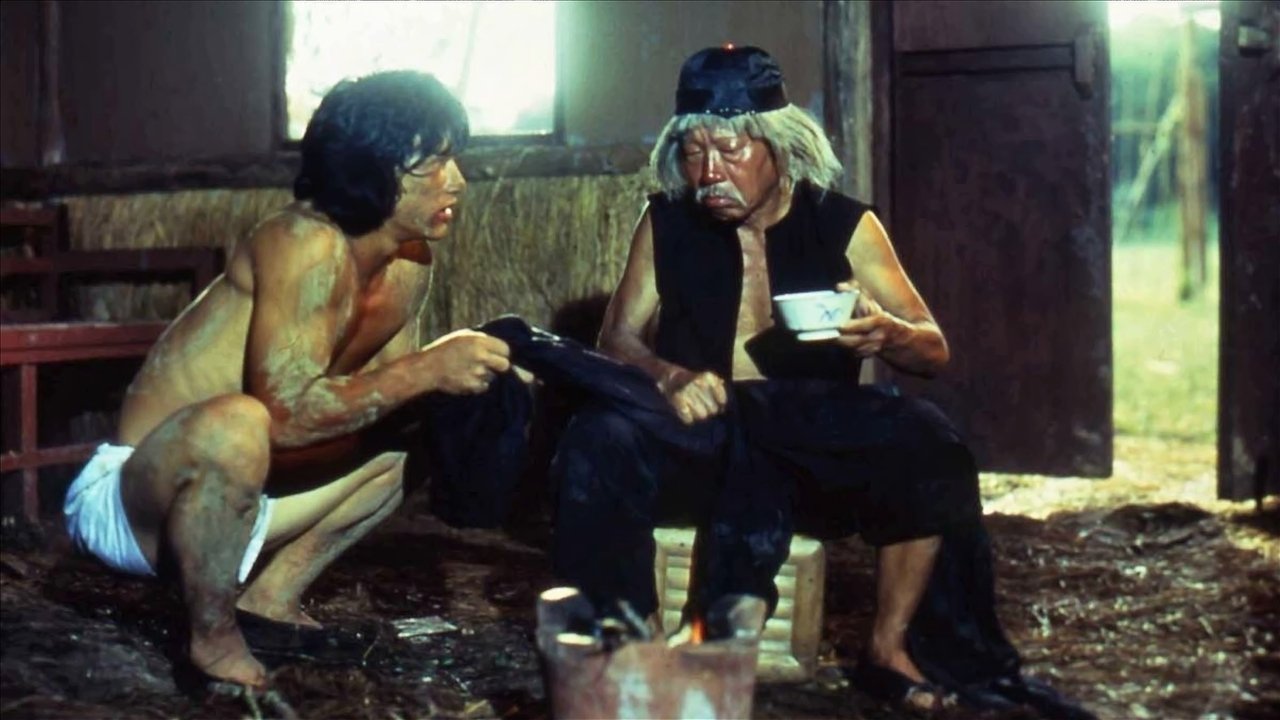
Yuen Siu-tien plays Beggar So, reprising the role he’d played earlier the same year in Snake in the Eagle's Shadow (another collaboration with Chan and director Yuen Woo-ping). He’s not just a teacher; he’s a grizzled, wine-guzzling, seemingly derelict master of the legendary "Eight Drunken Immortals" kung fu style. His training methods are brutal, bizarre, and often hilarious, pushing Fei-hung to his absolute physical and mental limits. Remember those scenes carrying water buckets while maintaining impossible stances? The sheer physical commitment from Chan is palpable, even through the slightly grainy transfer on your old CRT.
### Training Day, The Hard Way
The training sequences are legendary. This isn't a quick montage set to an inspiring 80s rock track; it's a grueling, often comical, display of physical conditioning that showcased Jackie Chan's incredible athleticism and willingness to endure pain for the craft. Yuen Woo-ping, who would later choreograph iconic fights for The Matrix and Crouching Tiger, Hidden Dragon, directs with an inventive energy here, perfectly balancing the slapstick with the wince-inducing impacts. You feel every tumble, every awkward landing, every strained muscle. This was long before extensive wirework and CGI smoothing; the danger felt real because, well, it often was.
This film, alongside Snake in the Eagle's Shadow, really established the kung fu comedy subgenre. It dared to make its hero relatable, fallible, and funny, without sacrificing the skill and intensity of the martial arts. The key was integrating the comedy into the fighting style itself – the weaving, stumbling movements of the Drunken Fist weren't just defensive; they were genuinely disorienting and unpredictable.
### Enter the Thunderleg
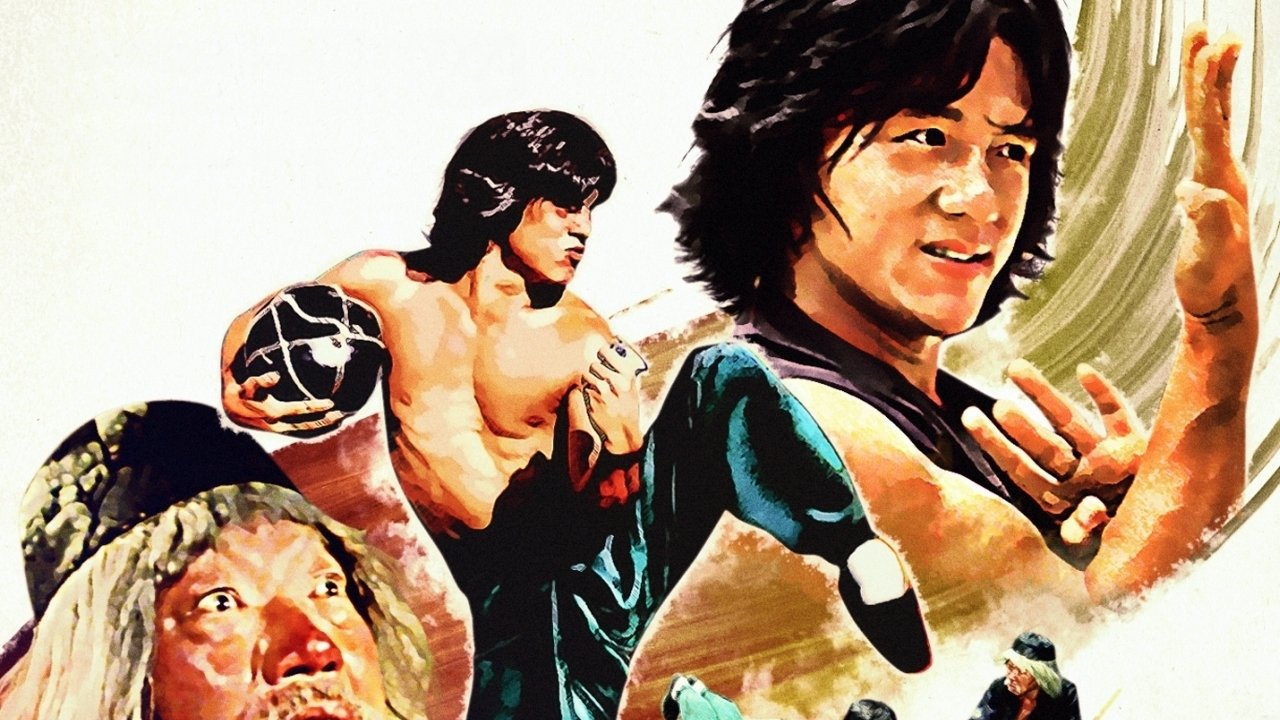
Of course, every great kung fu film needs a truly intimidating villain, and Drunken Master delivers with Yan Ti San, better known as Thunderleg (or Thunderfoot), played with chilling precision by Hwang Jang-lee. Known for his incredible kicking ability (seriously, the man was a kicking machine!), Hwang Jang-lee represents the deadly serious threat that contrasts perfectly with Fei-hung's antics. His movements are sharp, precise, and utterly lethal. The fight scenes involving him are pure, unadulterated Hong Kong action – fast, intricate, and performed with breathtaking skill by all involved.
The final showdown is a masterclass in choreography and physical storytelling. It's long, demanding, and showcases the full spectrum of the Drunken Fist style. It’s during this fight, believe it or not, that Jackie Chan actually had his brow ridge injured and lost a tooth from a kick by Hwang Jang-lee – a painful retro fun fact that underscores the genuine risks involved. Watching Chan cycle through the different "drunken gods," adapting his style mid-fight, is still exhilarating today. There's a raw energy, a sense of genuine physical exertion, that modern, more polished action sequences sometimes lack. Didn't those hits just look incredibly solid back then?
### The Afterglow
Released in 1978, Drunken Master was a massive hit in Hong Kong, solidifying Jackie Chan not just as an action star, but as a comedic leading man audiences adored. It broke box office records and its influence was immediate, spawning countless imitators. While critics at the time might have been divided, audiences couldn't get enough, and its status as a beloved classic has only grown over the decades. My own VHS copy got played so often the tape started to wear thin in the best parts!
The film captured lightning in a bottle: the perfect blend of Yuen Woo-ping's inventive direction, Yuen Siu-tien's iconic portrayal of the irascible master, Hwang Jang-lee's formidable villainy, and crucially, Jackie Chan's unique blend of peak physical prowess, comedic timing, and everyman charm. It’s a film that respects the martial arts tradition while simultaneously poking fun at its conventions.
Rating: 9/10
This score reflects the film's groundbreaking impact, its sheer entertainment value, the incredible physical performances (especially from Chan), and its perfect blend of brutal action and laugh-out-loud comedy. It might look dated in some technical aspects, but the choreography and physical commitment remain astonishing. It loses a single point perhaps only for a slightly formulaic plot structure typical of the era, but honestly, who cares when it's this much fun?
Drunken Master isn't just a kung fu movie; it's a joyous explosion of creativity and physicality that still feels potent. It’s the kind of film that reminds you why practical stunts and committed performers could create pure movie magic, long before digital trickery became the norm – a true VHS treasure worth revisiting anytime.