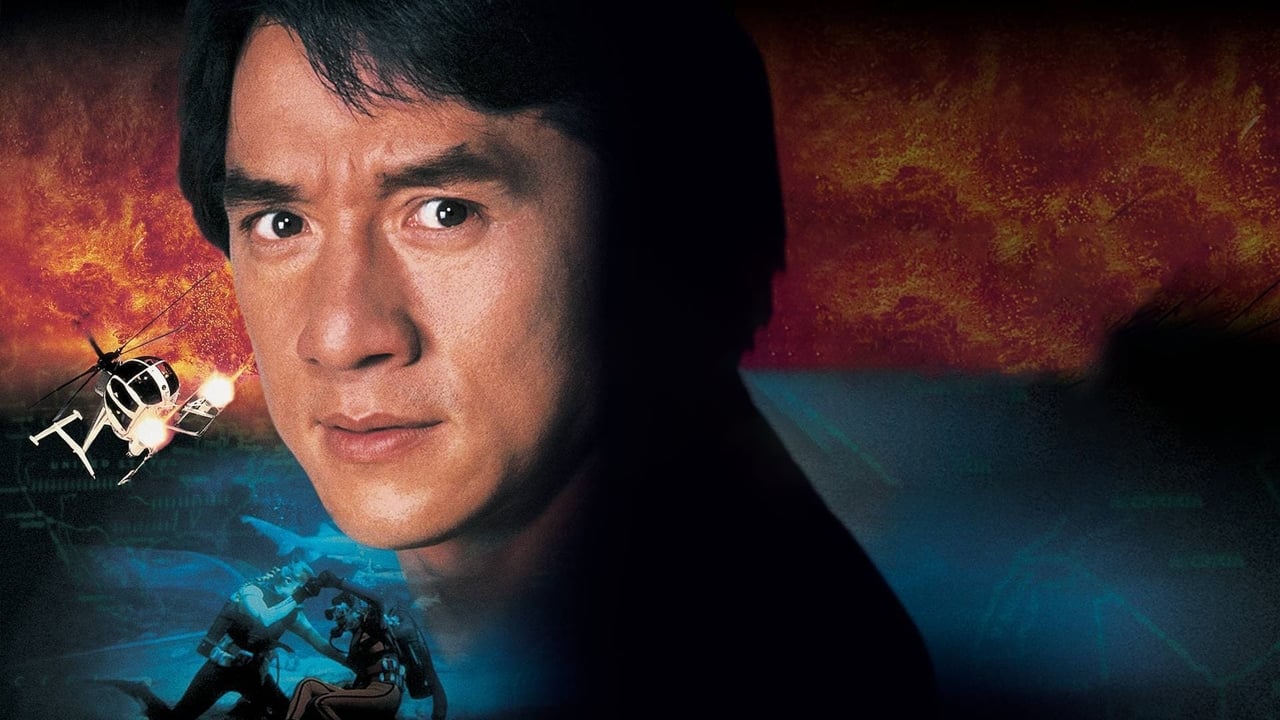
Okay, fellow tapeheads, slide that worn copy of Police Story 4: First Strike into the VCR, maybe give the tracking a little nudge, and get ready. Because while the title might scream gritty Hong Kong thriller like its predecessors, what spooled out in 1996 felt... different. Bigger, maybe? More globe-trotting, certainly. It was Jackie Chan taking his unique brand of mayhem global, blending his astonishing physical comedy and death-defying stunts with a surprising dose of James Bond flair.
### Chan Goes International (Again)
Remember the mid-90s? Jackie Chan was finally, finally breaking big in the West after years of being a colossal star everywhere else. Following the success of Rumble in the Bronx (1995), distributed by New Line Cinema in the US (though actually filmed earlier), the pressure was on. Director Stanley Tong, who also helmed Rumble, re-teamed with Jackie for this one, and you can feel the ambition to create something with broader, international appeal. Forget the cramped alleyways of Hong Kong for a bit; First Strike whisks Inspector Chan Ka-kui off to snowy Ukraine and sunny Australia on the trail of stolen nuclear warheads.
The plot itself? Honestly, it’s serviceable spy-thriller stuff – double-crosses, shadowy organizations, a damsel in distress (Annie Wu as Annie Tsui), and a suitably menacing villain (Jackson Lou as Jackson Tsui). It serves primarily as connective tissue between the real stars of the show: the absolutely jaw-dropping action sequences. And let's be honest, wasn't that why we eagerly snatched this tape off the rental shelf? We knew Jackie Chan meant unparalleled physical commitment.
### The Art of the Practical Stunt
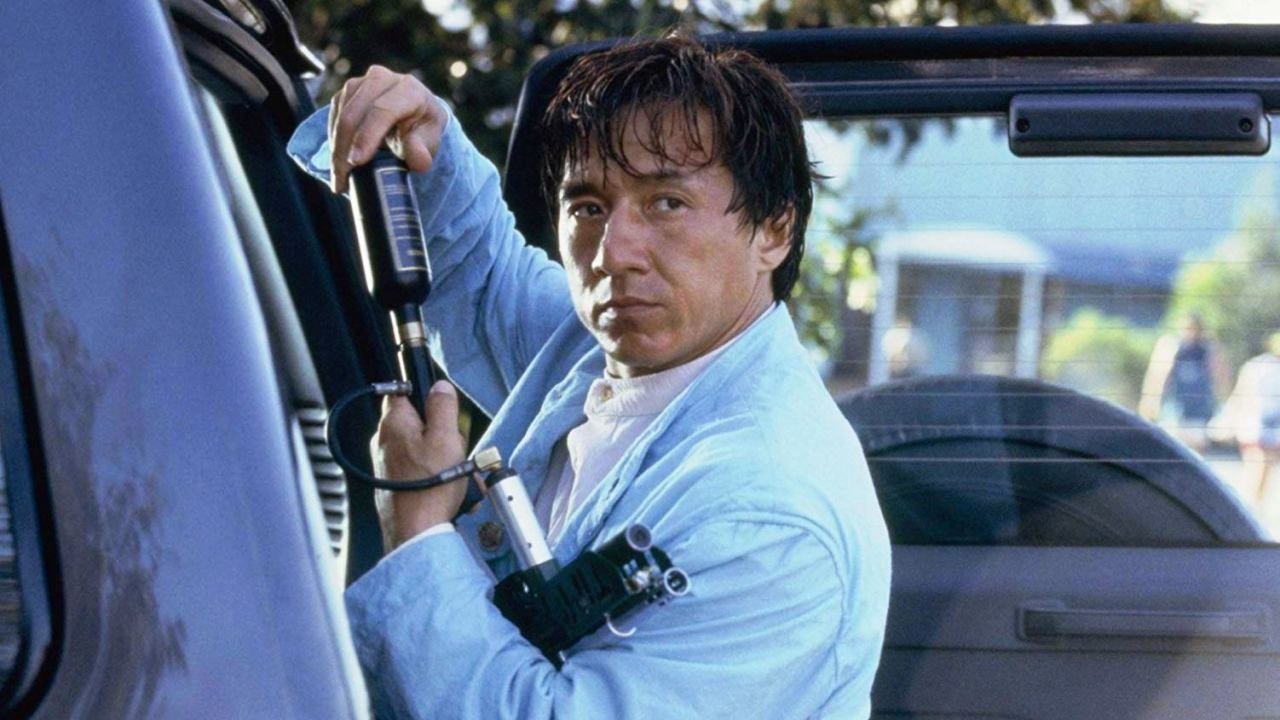
This is where First Strike truly shines and why it feels like such a treasure from the VHS era. The sheer physicality on display is breathtaking, especially viewed now in our age of seamless (and sometimes weightless) CGI. Remember that insane snowboarding sequence down the Ukrainian mountainside, culminating in a leap onto a helicopter skid? That’s pure, unadulterated Jackie Chan, blending incredible athleticism with his trademark comedic timing, even in sub-zero temperatures. Apparently, filming in Ukraine was brutally cold, adding another layer of real-world difficulty to those already bonkers stunts.
And then there's the ladder. Oh, that ladder! Used as both shield and weapon in a chaotic multi-level fight scene, it became an instant classic Chan prop moment. It’s a masterclass in choreography and prop work, demanding incredible precision and strength. Watching it again, you can almost feel the heft of it, the genuine danger involved. This wasn't cooked up on a computer; this was performers putting their bodies on the line. It’s a stark reminder of what made 90s action, particularly Hong Kong action spearheaded by icons like Chan, feel so visceral and real. Those impacts looked like they hurt because, often, they probably did!
### More Bond Than Beat Cop?
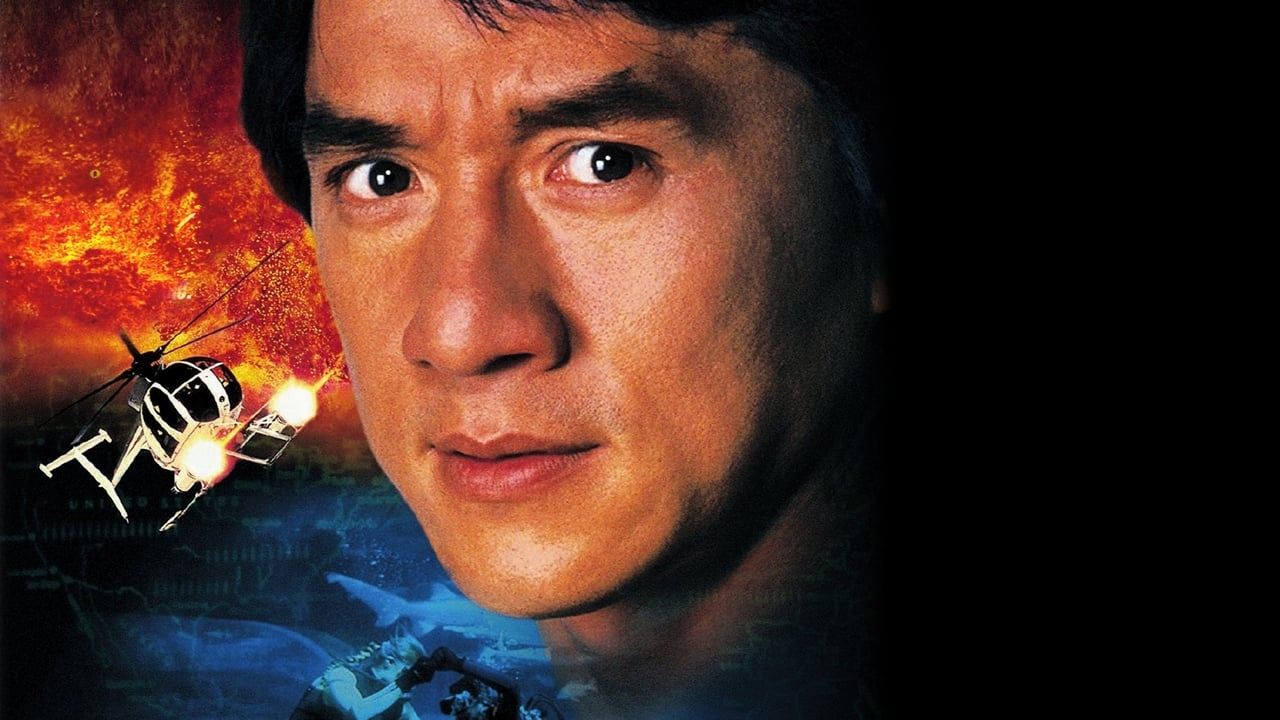
The shift towards a more Bond-like adventure wasn't without its quirks. The film was largely shot in English to facilitate international distribution, which sometimes led to slightly awkward dialogue delivery from the multilingual cast. And yes, there’s the infamous scene where Jackie has to fend off baddies while dressed in a giant koala costume at an Australian sea park. It’s peak Chan silliness, maybe a bit jarring tonally after a nuclear threat plot point, but undeniably memorable. Let's not forget the underwater fight sequence either – notoriously difficult to film, yet Chan and Tong pull off a dynamic and engaging sequence that adds another unique flavour to the film's action smorgasbord. It’s worth noting that the version most of us saw in the West, released by New Line, was shorter than the original Hong Kong cut and featured a different score, a common practice at the time to "Americanize" Chan's films.
Despite the title, First Strike (sometimes known simply as Jackie Chan's First Strike) feels less like a direct sequel to the grittier, more grounded Police Story films (like the 1985 original directed by Chan himself) and more like a standalone vehicle designed for maximum international spectacle. It proved successful, particularly in Asia, grossing significantly more than its estimated budget (around HK$175 million, roughly US$22 million then – a hefty sum for a Hong Kong production!). While some purists might have missed the raw intensity of the earlier entries, audiences largely embraced the high-octane fun.
### The Verdict
Police Story 4: First Strike might not be the most coherent Police Story entry, and its plot occasionally feels like an excuse to string together incredible set pieces. But what set pieces they are! It's a snapshot of Jackie Chan at the height of his physical prowess, pushing the boundaries of practical stunt work in ways that still boggle the mind. The blend of spy thriller elements with his unique comedic action style makes it a standout, even if it feels slightly different from his Hong Kong roots. The sheer audacity of the stunts, filmed with clarity by Stanley Tong, demands respect.
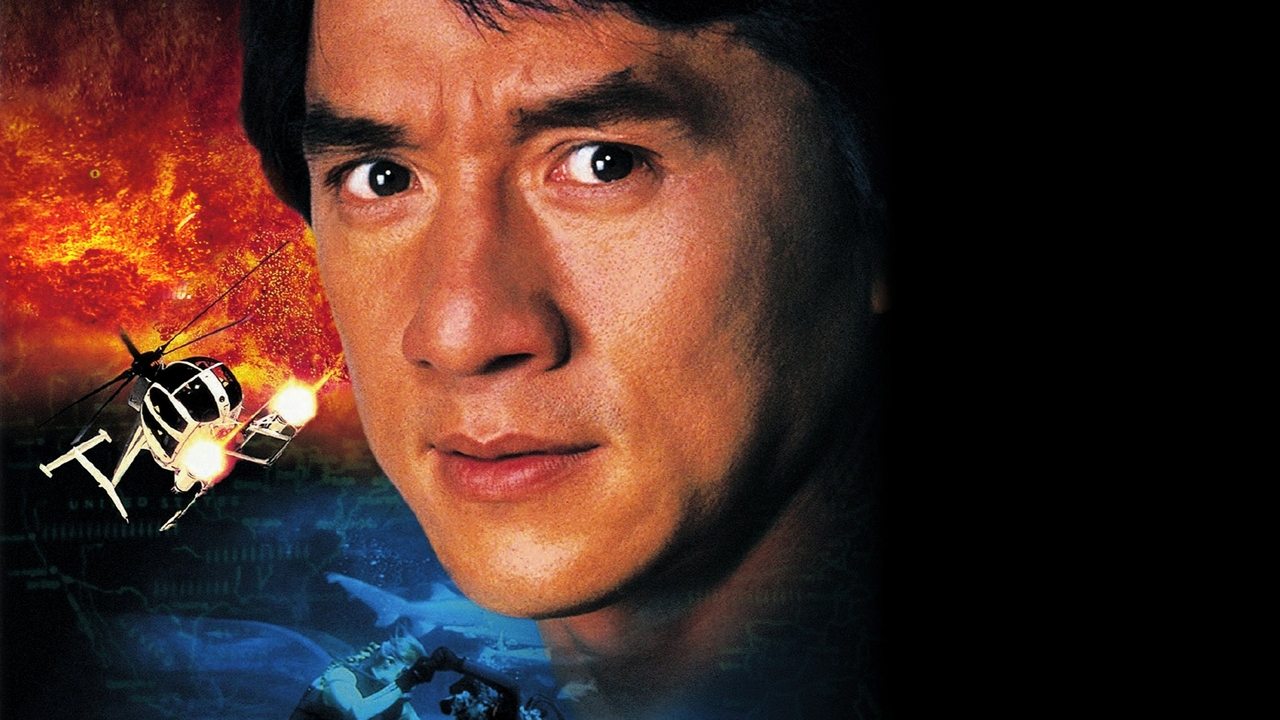
Rating: 8/10
The score reflects the absolutely stellar, must-see practical stunt work and Jackie Chan's undeniable charisma, slightly tempered by a somewhat generic plot and occasional tonal weirdness. It perfectly captures that mid-90s moment when Hong Kong action spectacle collided head-on with Hollywood ambition.
Final Thought: For pure, unadulterated "how did they DO that?!" practical action filmmaking from the VHS glory days, First Strike delivers a knockout blow that CGI-heavy modern blockbusters rarely land with the same visceral impact. Press play and prepare to be amazed all over again.