## The Last Hurrah of the Three Dragons: Revisiting the Glorious Chaos of 'Dragons Forever' (1988)
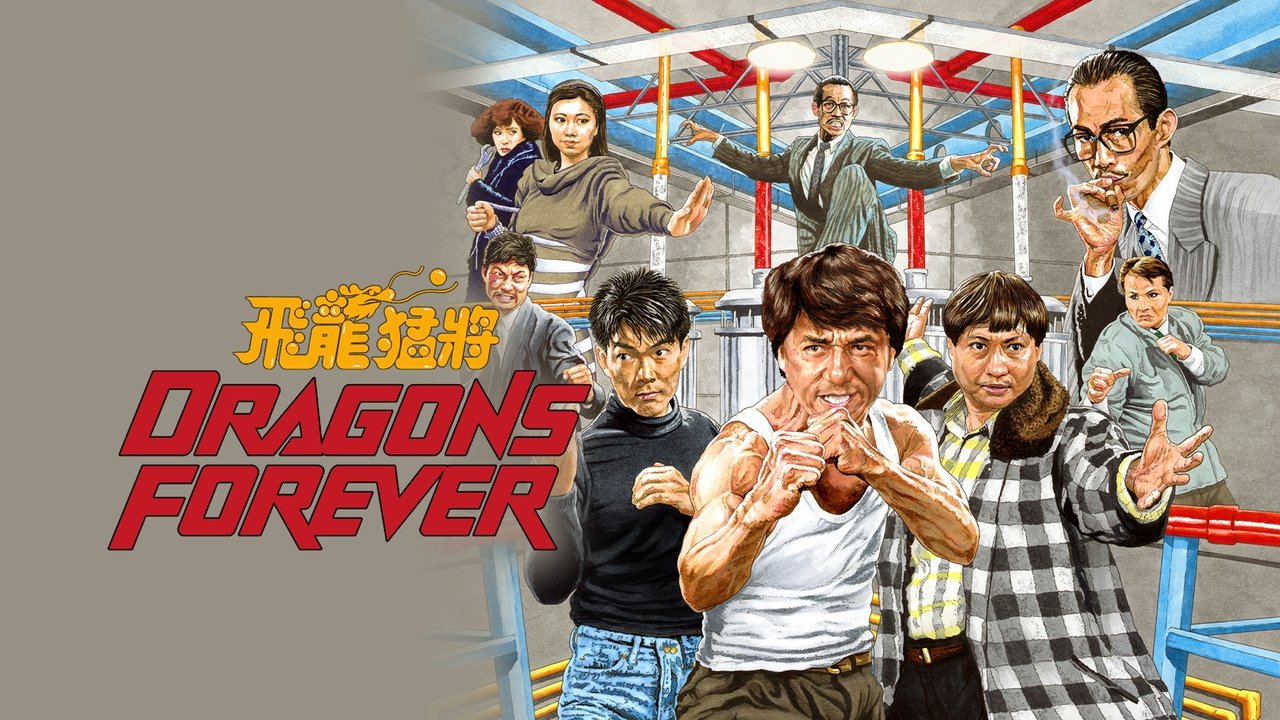
There are certain VHS boxes that just screamed promise from the rental shelf, weren't there? Seeing Jackie Chan, Sammo Hung, and Yuen Biao together on the cover of Dragons Forever (1988) was like spotting a unicorn grazing next to a winning lottery ticket. This wasn't just another action flick; it was an event, the final collaboration of Hong Kong cinema's legendary "Three Brothers" in leading roles. And popping that tape in, tracking lines be damned, unleashed a whirlwind of kinetic energy, baffling plot turns, and some of the most jaw-dropping fight choreography the 80s ever produced. It felt like lightning captured (sometimes awkwardly) in a bottle, and watching it today still carries that raw, unpredictable thrill.
A Most Unusual Trio
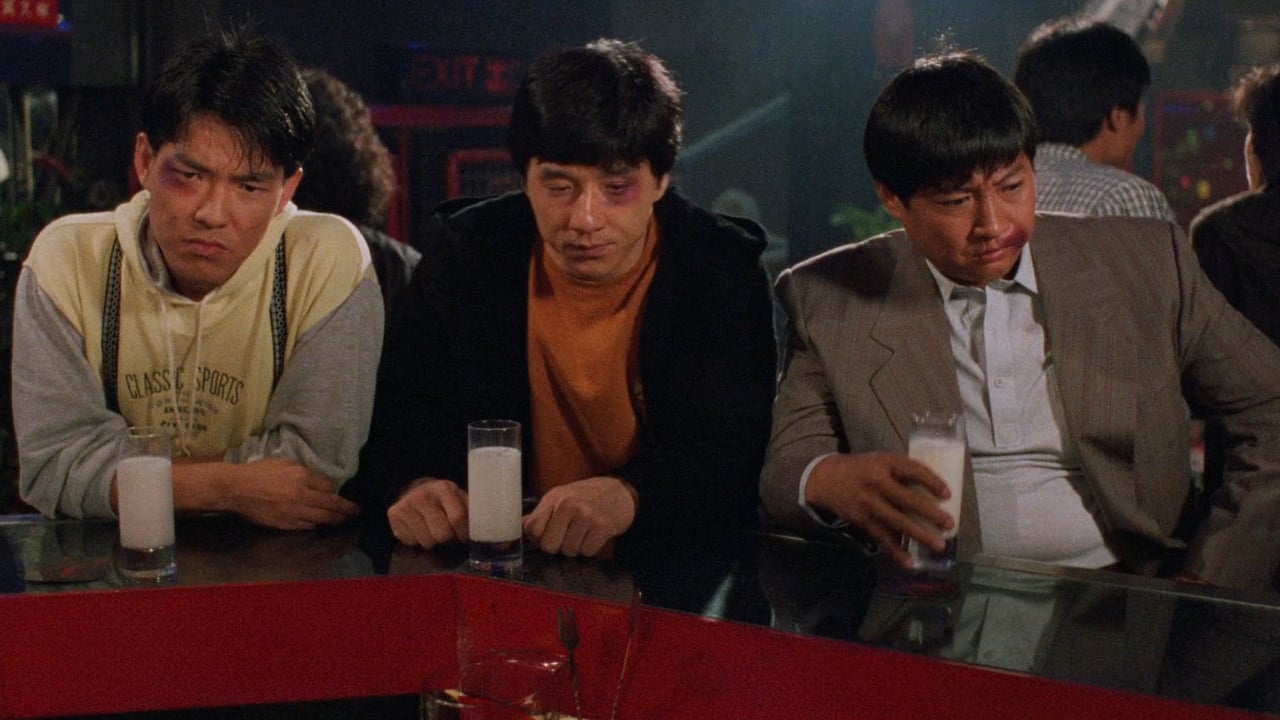
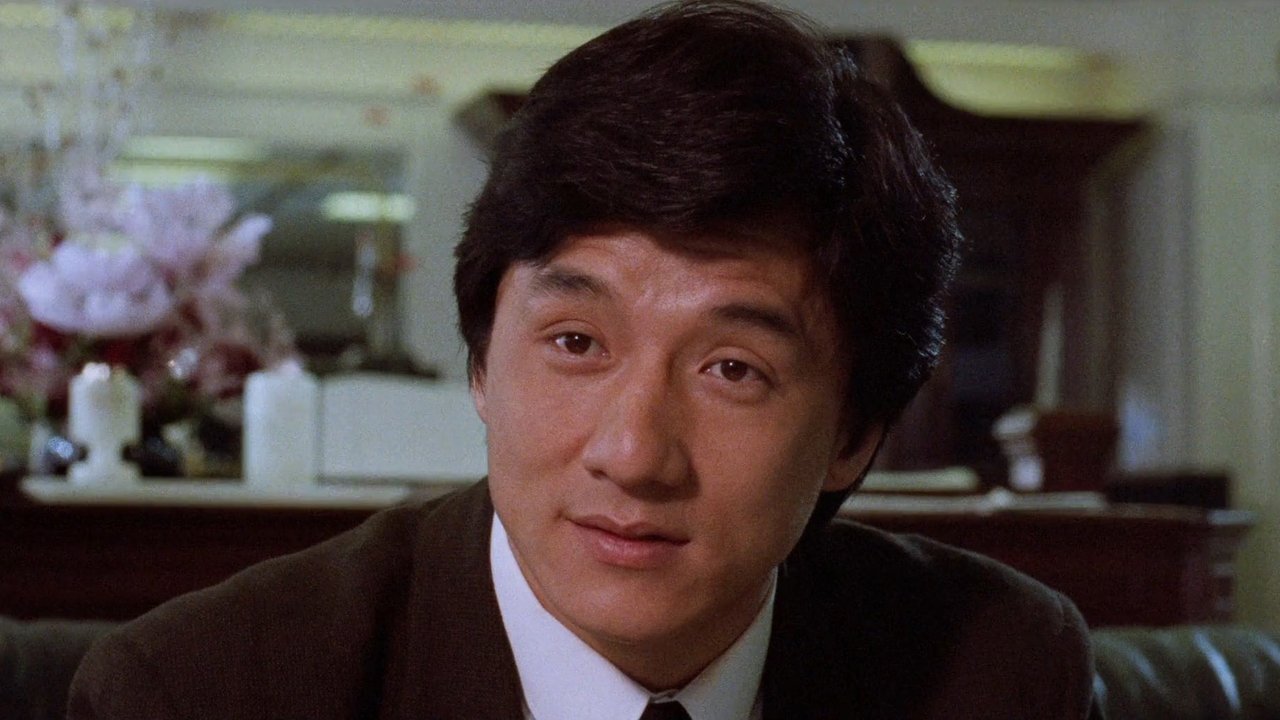
Forget the straightforward cop or historical hero roles. Dragons Forever throws our beloved trio into surprisingly different territory. Jackie plays Jackie Lung (original, right?), a slick, slightly womanising lawyer hired by a shady chemical factory owner to discredit a fishery opposing their polluting practices. Tasked with digging up dirt or charming the fishery's beautiful owner, Miss Yip (played by the radiant Miss Hong Kong 1987, Pauline Yeung), Jackie enlists the help of his less-than-scrupulous arms-dealer buddy Fei (Sammo Hung) to woo her romantically, creating distance. Meanwhile, he also hires eccentric inventor and professional weirdo Tung (Yuen Biao) to bug her apartment. What could possibly go wrong?
Well, everything, naturally. Jackie starts genuinely falling for Miss Yip, Fei develops feelings for her cousin (played with verve by Deannie Yip), and Tung... well, Tung mostly causes delightful chaos while showcasing agility that seems to defy gravity. This tangled web of romantic pursuits, ethical compromises, and industrial espionage gives the film a unique flavour – part screwball comedy, part legal drama, and all explosive action when things inevitably hit the fan. It’s a testament to the sheer charisma of the leads that this potentially jarring mix somehow coheres, largely powered by their infectious energy and lifelong chemistry, even amidst rumoured on-set friction between Chan and Hung over creative directions as Jackie's international star ascended. This very tension, perhaps, adds another layer to their final joint venture, making it a fascinating time capsule.
When Fists (and Feet, and Furniture) Fly
Let's be honest, while the plot is... present, we came for the action, and Dragons Forever delivers in spades. Co-directed by Sammo Hung himself and the legendary Corey Yuen (who would later bring his flair to films like The Transporter), the fight scenes are a masterclass in practical stunt work and intricate choreography. Remember how real impacts felt back then? Every punch, every fall onto unforgiving surfaces, lands with a weight modern CGI often struggles to replicate.

The styles are distinct and glorious. Jackie utilizes his environment with unparalleled creativity, turning everyday objects into weapons or escape routes. Sammo brings the powerhouse brawling, deceptively agile for his size, delivering thunderous blows. And Yuen Biao? He’s pure acrobatic poetry, a whirlwind of impossible flips, kicks, and dodges that make you wonder if the man had springs for legs. I distinctly remember rewinding Biao’s apartment antics multiple times, just trying to figure out how he moved like that.
But the absolute showstopper has to be the final act showdown in the chemical factory. It’s an extended ballet of destruction, culminating in Jackie Chan’s unforgettable rematch against real-life kickboxing champion Benny "The Jet" Urquidez, following their iconic clash in Wheels on Meals (1984). This fight feels genuinely dangerous. Urquidez moves with lethal precision, and Jackie pushes himself to the absolute limit. Fun fact: Jackie reportedly insisted certain final kicks be filmed in slow motion, not for style, but to prove to sceptics that genuine, albeit controlled, contact was being made. That commitment to visceral realism is what made Golden Harvest productions from this era legendary. Watching it now, knowing Urquidez's legitimate fighting prowess, still adds a layer of "oof" to every near-miss block.
Charmingly Dated, Enduringly Awesome
Yes, the film has its quirks. The romantic comedy elements occasionally clash with the brutal violence, the 80s fashion is a glorious time capsule (so much pastel!), and the plot logic sometimes takes a vacation. But honestly? That's part of the charm. It's ambitious, trying to juggle tones in a way few films dared. The humour, particularly Sammo’s exasperation and Biao’s sheer oddball energy, lands more often than not. And beneath the surface, there’s even a slight environmental message bubbling away.
This wasn't the trio's biggest box office smash initially – perhaps its genre-bending nature was a bit ahead of its time for some audiences expecting a pure action romp. Costing a hefty HK$30 million (a significant sum then), its elaborate sets, like that multi-level factory, were clearly where the money went. But its reputation has only grown, cementing its status as a cult classic and a bittersweet farewell to one of cinema's greatest action teams. It represents the end of an era, the high-water mark of a specific brand of Hong Kong action-comedy that blended incredible physical feats with genuine heart and humour.

VHS Heaven Rating: 9/10
Why a 9? Because despite the occasional tonal wobble and some plot threads feeling a little loose, Dragons Forever delivers where it counts: unforgettable action sequences showcasing three legends at the peak of their powers, genuine laughs, and that specific, irreplaceable 80s Hong Kong energy. The final fight alone is worth the price of admission (or the rental fee back in the day!). It perfectly encapsulates the "anything goes" spirit of the era's action filmmaking.
Final Thought: Dragons Forever might be the last time the Three Brothers shared top billing, but it burns bright as a testament to their unique magic – a chaotic, hilarious, and thrilling ride that still feels electrifying decades later. Dig it out, dust it off, and prepare for action Valhalla.