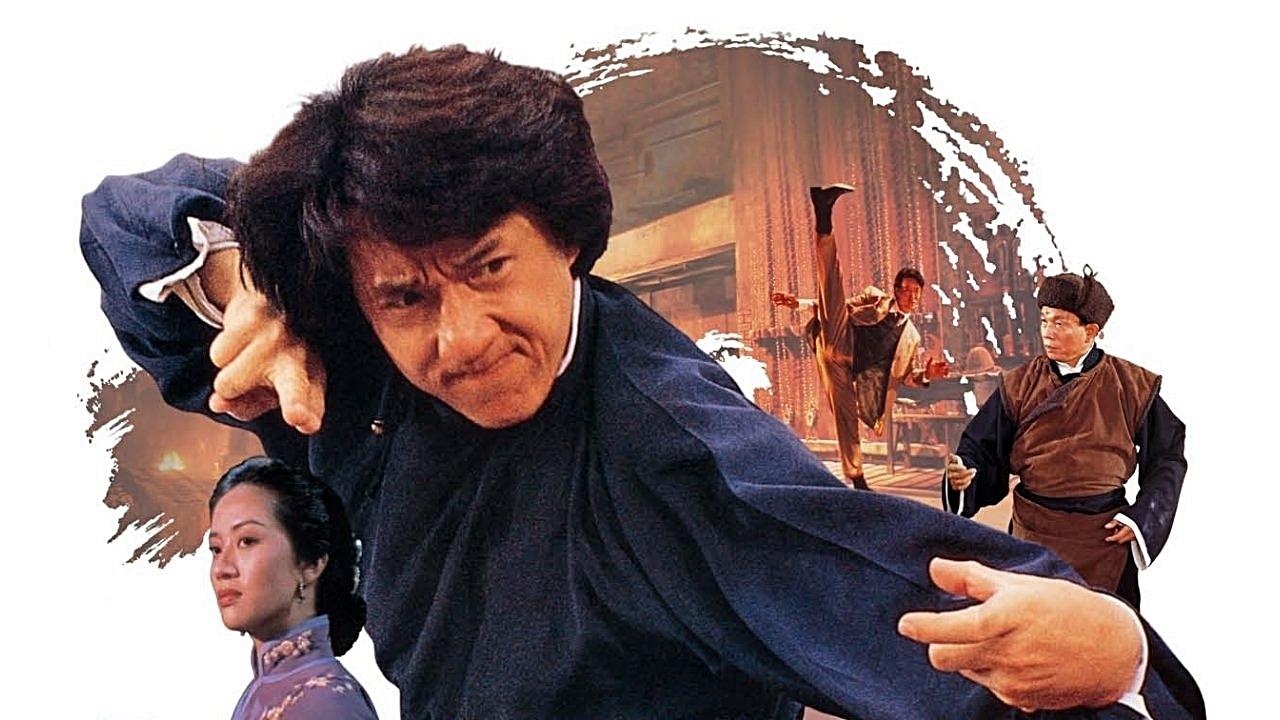
Okay, fellow tapeheads, let's rewind to a time when martial arts movies felt like they could genuinely break your bones just by watching them. I'm talking about the sheer, unadulterated kinetic energy of 1994's The Legend of Drunken Master (released in Hong Kong as Drunken Master II), a film that practically wore out the tracking on my VCR back in the day. If you ever stumbled upon this gem at the local video store, maybe slightly hidden in the "Foreign Films" section or proudly displayed in "Action," you know you found something special. This isn't just a Jackie Chan movie; it's arguably the zenith of his astonishing physical prowess blended with pitch-perfect comedic timing.
### More Than Just a Sequel
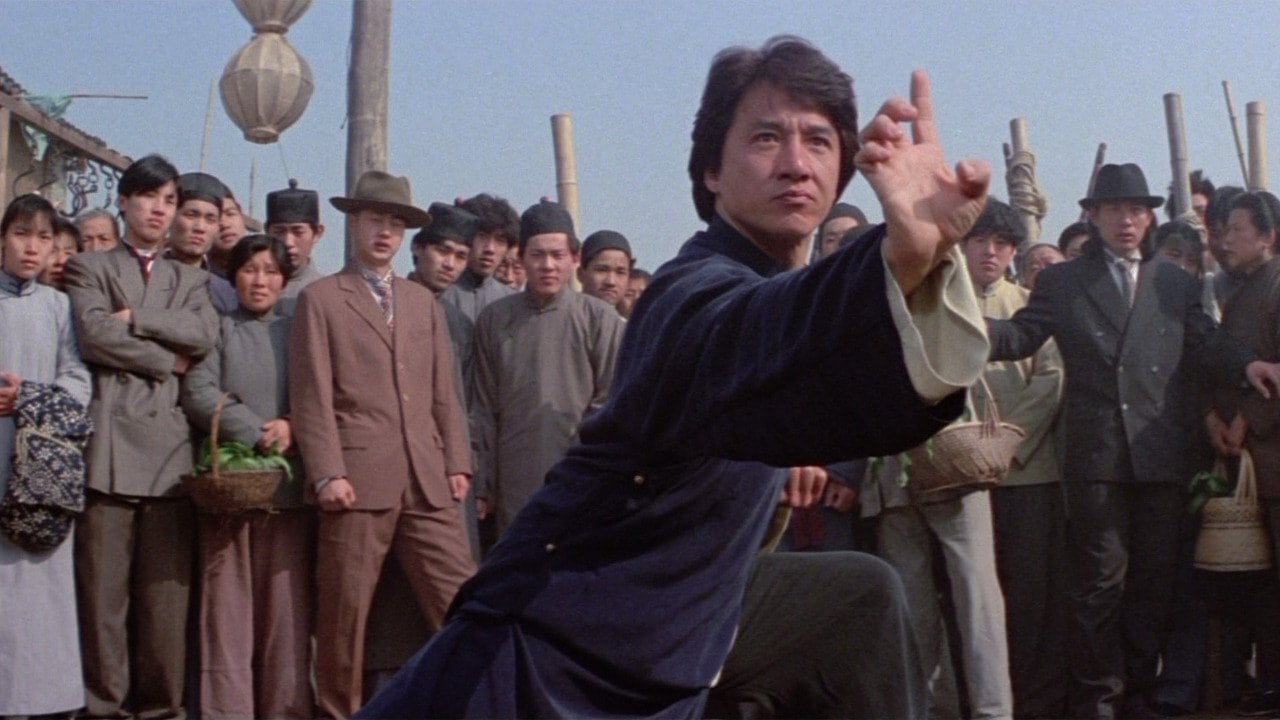
Forget everything you think you know about sequels. While technically following 1978's Drunken Master, this film stands entirely on its own. Chan returns as the legendary Chinese folk hero Wong Fei-hung, but this time he's caught between his disapproving, dignified father (the iconic Ti Lung, instantly recognizable to fans of John Woo's A Better Tomorrow) and his delightfully mischievous stepmother, played with absolute scene-stealing glee by the late, great Anita Mui. The plot? Honestly, it’s almost secondary. Something about stolen Chinese artifacts, nefarious British smugglers, and Fei-hung accidentally grabbing the wrong Ginseng root (leading to some hilarious early mix-ups). What matters is that this setup provides the perfect excuse for some of the most jaw-droppingly intricate fight sequences ever committed to film.
### The Art of Controlled Chaos
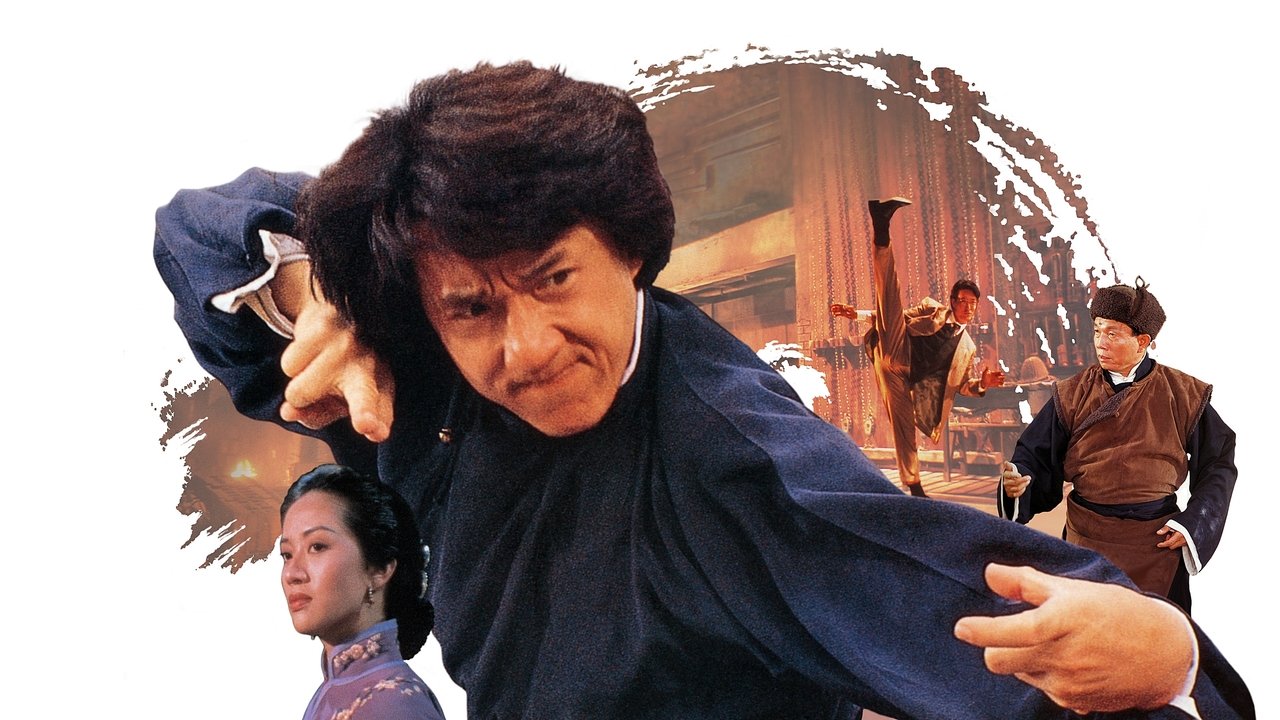
Let's talk action, because that's the heart and soul here. Directed initially by the legendary martial arts choreographer Lau Kar-Leung (a master craftsman known for classics like The 36th Chamber of Shaolin), the film already boasts incredible sequences. But it’s the legendary behind-the-scenes friction that ironically elevates the finale to mythical status. Rumor has it Lau and Chan had creative differences, with Lau favouring more traditional, intricate movements and Chan wanting his signature blend of complex stunts, prop work, and comedy. Lau eventually left the project, leaving Chan himself to direct the film's breathtaking final 20 minutes.
And what a finale it is. Set in a steel mill, it’s a symphony of destruction where everything – chains, carts, molten steel (or convincing stand-ins!), bamboo poles – becomes a weapon or an obstacle. This is the epitome of 80s/90s Hong Kong action filmmaking: practical effects pushed to their absolute limit. Remember how real those impacts looked? No CGI cleanup here. When Chan gets hit, you feel it. When someone goes flying through wooden beams, you see the splinters. There's a weight, a grittiness, that modern digital effects often struggle to replicate. One particularly infamous moment involved Chan performing a stunt where he falls backward onto hot coals – a shot reportedly done twice to get it right, resulting in genuine burns. That dedication, that willingness to put bodies on the line for the perfect shot, is etched into every frame.
### When Comedy Met Kung Fu
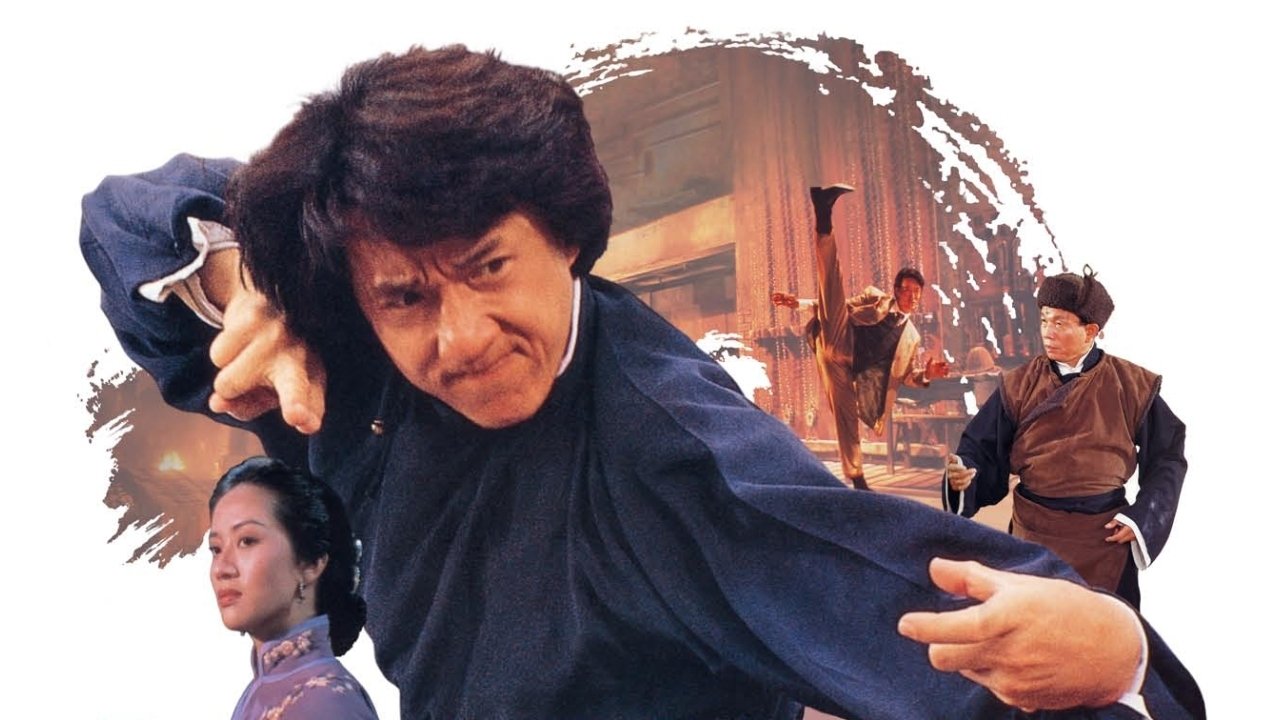
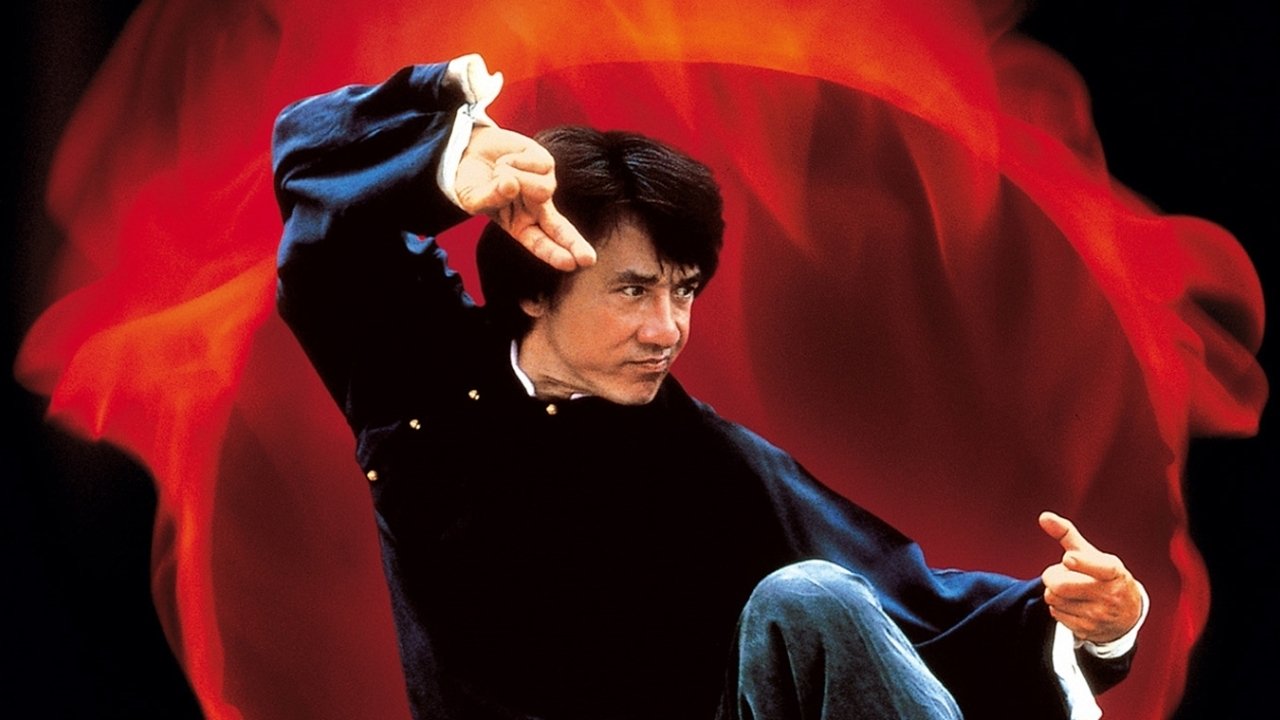
What elevates The Legend of Drunken Master beyond just incredible action is the seamless integration of comedy, largely thanks to Jackie Chan's unparalleled physical comedy skills and Anita Mui's brilliant performance. Her character actively encourages Fei-hung's "drunken boxing" antics, often helping him sneak alcohol against his father's wishes. Their chemistry is fantastic, providing genuine laughs that perfectly punctuate the tension. The Drunken Boxing style itself is a marvel – Chan portrays Fei-hung as becoming more unpredictable and powerful the more he drinks (typically industrial alcohol in the insane climax!), leading to fluid, seemingly unstable movements that somehow translate into devastating martial arts prowess. It’s a performance that requires incredible physical control to look out of control.
It's fascinating to note that the version most of us likely saw on VHS in North America was the Miramax release from 2000. This version featured a new English dub (replacing Chan's own voice!), a re-scored soundtrack, and trims totaling several minutes (including a controversial final shot deemed too comedic after the intensity of the preceding fight). Finding the original Cantonese version offers a slightly different, arguably more tonally consistent, experience. The final fight scene alone supposedly took nearly four months to film, a testament to the perfectionism involved. Can you imagine a modern blockbuster dedicating that much time to a single, practical fight sequence?
### Legacy in a Bottle
The Legend of Drunken Master wasn't just a hit; it's often cited by critics and fans alike as one of the greatest martial arts films ever made. It showcases Jackie Chan at the absolute peak of his physical abilities, performing stunts and choreography that still boggle the mind today. The supporting cast, particularly Ti Lung and Anita Mui, provide the necessary grounding and heart, ensuring it’s more than just a highlight reel. It perfectly encapsulates that golden age of Hong Kong action cinema – ambitious, dangerous, wildly entertaining, and crafted with an unbelievable level of practical skill.
Rating: 9.5/10
Justification: This film achieves near perfection in blending intricate, high-impact martial arts choreography with genuinely funny character-driven comedy. The practical stunt work is legendary and arguably represents the peak of Jackie Chan's physical prime. Minor points are deducted only for the slightly standard plot and the fact that the widely available US version tinkered slightly with the original vision.
Final Word: Forget the wires, forget the CGI – pop this tape in (or find the best digital version you can) and witness the beautiful, bruising ballet of practical stunt work perfected. They truly don't make 'em like this anymore.