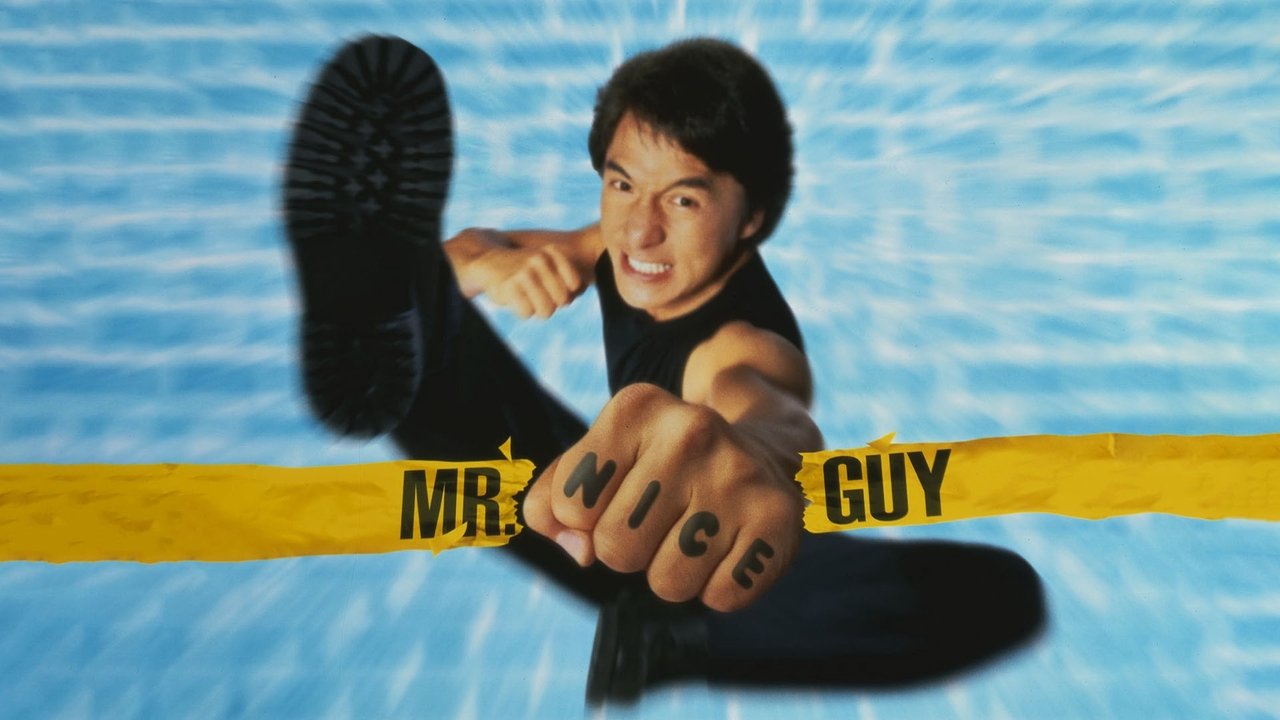
Alright, fellow tapeheads, let's rewind to 1997. Flickering fluorescent lights of the video store, the satisfying clunk of a VHS tape sliding into the VCR… and maybe, just maybe, you grabbed a copy of Mr. Nice Guy. If you did, you were in for a ride that was pure, unfiltered Jackie Chan, delivered with the kinetic energy only he and his long-time collaborator, director Sammo Hung, could conjure. Forget intricate plots; this one was about kinetic chaos erupting in the most unexpected places.

### Melbourne Mayhem Unleashed
Right off the bat, Mr. Nice Guy throws you into a surprisingly sunny, vibrant setting: Melbourne, Australia. It’s a jarringly cheerful backdrop – filmed entirely on location down under, a bold move for a Hong Kong production back then – for the absolute bedlam that’s about to unfold. We meet Jackie, a celebrity TV chef (yes, really!), who finds himself tangled in a gang war after accidentally acquiring a VHS tape (how fitting!) containing footage of a drug deal gone fatally wrong. It's a classic mistaken identity/wrong place, wrong time setup, but honestly, the plot exists solely to propel Jackie from one jaw-dropping set piece to the next.
And what set pieces they are! This film represents that glorious late-90s era where Chan’s incredible physical prowess met slightly bigger budgets, allowing for some truly large-scale stunt work. Sammo Hung, a martial arts legend in his own right and one of Chan's "brothers" from their Peking Opera school days (he even pops up in a fun cameo!), directs with a clear understanding of how to showcase Jackie's unique talents. There’s an almost gleeful energy to the destruction, a sense that they were having an absolute blast orchestrating this madness.
### The Poetry of Practical Pandemonium
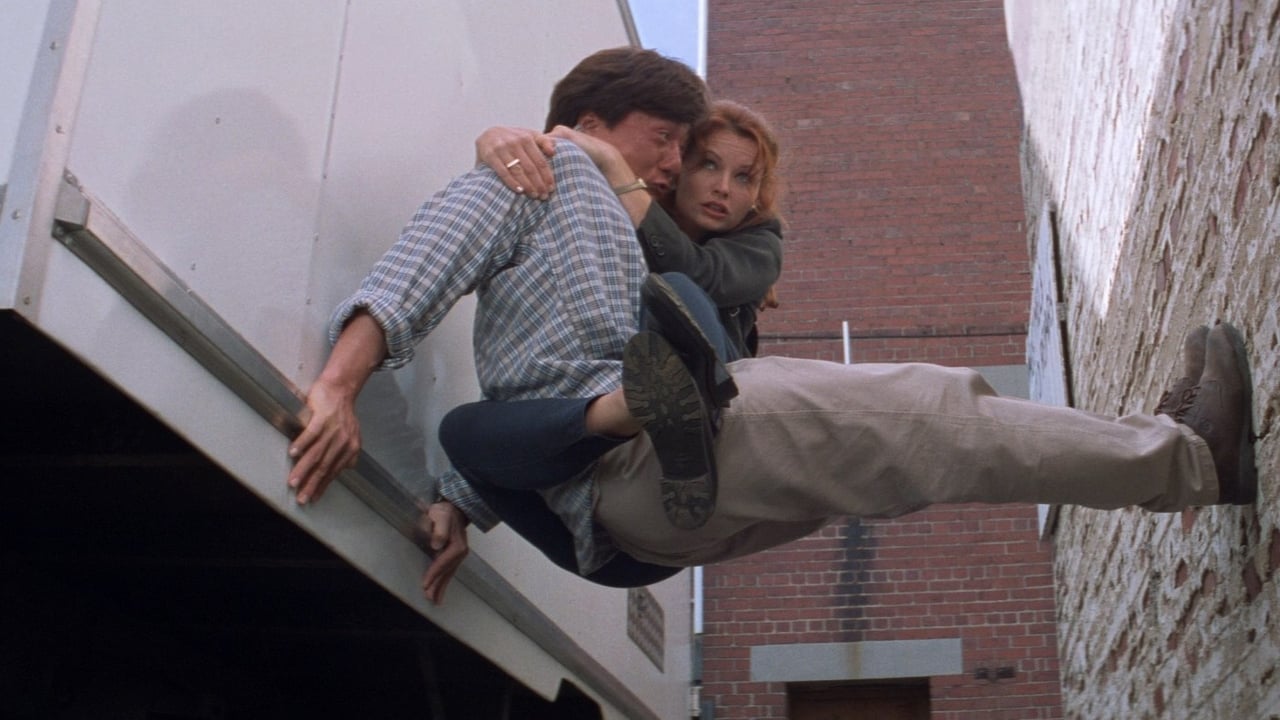
Let’s talk action, because that’s the main course here. Remember the shopping mall sequence? Jackie using anything and everything as a weapon or a means of escape – ladders, trolleys, display stands – it’s pure improvisational genius captured on film. Then there's the absolutely bonkers horse-drawn carriage chase through city streets. Seeing that intricate choreography, the near misses, the sheer speed – it felt incredibly real because it was. Chan, famously performing his own stunts, actually sustained a neck injury during this sequence, a testament to the risks involved in achieving this level of visceral impact before CGI could smooth over the danger.
The real showstopper, though, has to be the finale at the construction site. It’s a symphony of destruction featuring scaffolding collapses, close calls with heavy machinery, and culminating in Jackie commandeering a monstrously huge mining haul truck. The sheer scale of it, knowing those were real vehicles and real structures being practically demolished, gives it a weight and terrifying tangibility that slicker, modern effects often lack. You feel the impact in a way that perfectly syncs with that slightly fuzzy, tracking-adjusted VHS picture quality we all remember. Wasn't that kind of raw, dangerous-feeling stunt work just mesmerising back then?
### More Than Just Jackie
While Chan is undeniably the star, the film benefits from a solid supporting cast familiar to fans of the genre. Richard Norton, the Australian martial artist who frequently faced off against Chan in films like City Hunter (1993), brings a suitably menacing presence as the main villain, Giancarlo. His physical threat provides a necessary counterpoint to Jackie's often reluctant heroism. Miki Lee as Miki, Jackie's co-host and accidental accomplice, handles the comedic and damsel-in-distress elements with charm.
It's worth noting that the film many of us saw on rental shelves was likely the New Line Cinema version, released internationally. This cut was shorter, featured a more generic rock/techno score, and had some scenes re-edited compared to the original Hong Kong release (Yat goh ho yan). While the core action remained, some nuances and character beats might have been lost in translation (or questionable dubbing!). Despite costing a hefty (for HK cinema at the time) $20 million USD, its box office was solid rather than spectacular initially, finding a much larger audience on home video where Chan's star power truly shone.
### The Verdict: Still Deliciously Chaotic?
Mr. Nice Guy isn't high art. The plot is flimsy, relying heavily on coincidence, and the tone can veer wildly between slapstick comedy and surprisingly brutal violence. But as a vehicle for Jackie Chan's unparalleled physical talents and a showcase for spectacular, large-scale practical stunt work directed by the legendary Sammo Hung, it’s an absolute blast. It captures that specific flavour of late 90s action – energetic, inventive, and proudly analogue in its execution. The blend of intricate choreography, everyday objects used as weapons, and genuinely dangerous-looking stunts is pure Chan magic.
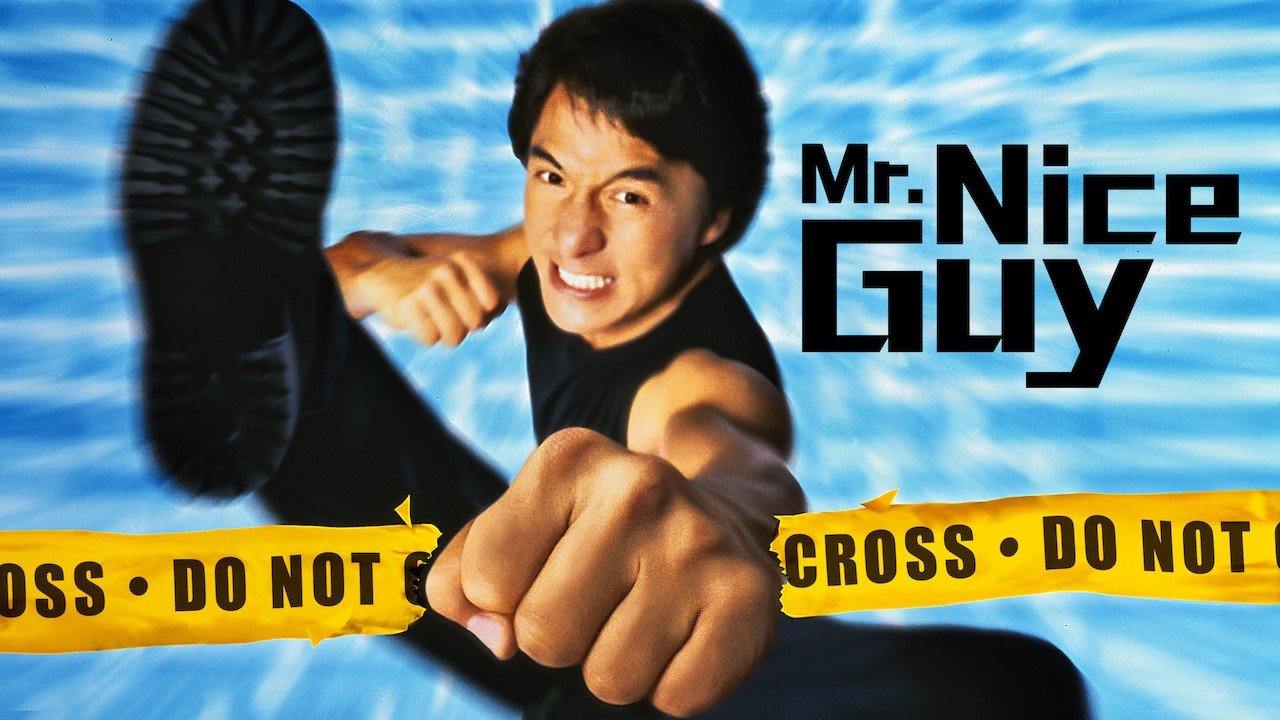
Rating: 7.5 / 10
Justification: The score reflects the world-class stunt work, Chan's infectious energy, and the sheer fun factor, docked slightly for the paper-thin plot and occasionally awkward tonal shifts. It’s a must-watch for Chan fans and lovers of practical action filmmaking.
Final Thought: It might be called Mr. Nice Guy, but the action is anything but – a gloriously destructive ballet that reminds you why watching Jackie Chan defy gravity on a worn-out VHS felt like witnessing pure movie magic.