Okay, pop that tape in the VCR, ignore the slightly fuzzy tracking lines for a second, and get ready. Because if there's one movie that perfectly captures the sheer, unadulterated joy of discovering a Hong Kong action gem on a Friday night back in the day, it's 1984's Wheels on Meals. Forget high art; this is high-octane, high-comedy, high-kicking heaven served hot from a bustling Barcelona food truck.
### Barcelona Hustle
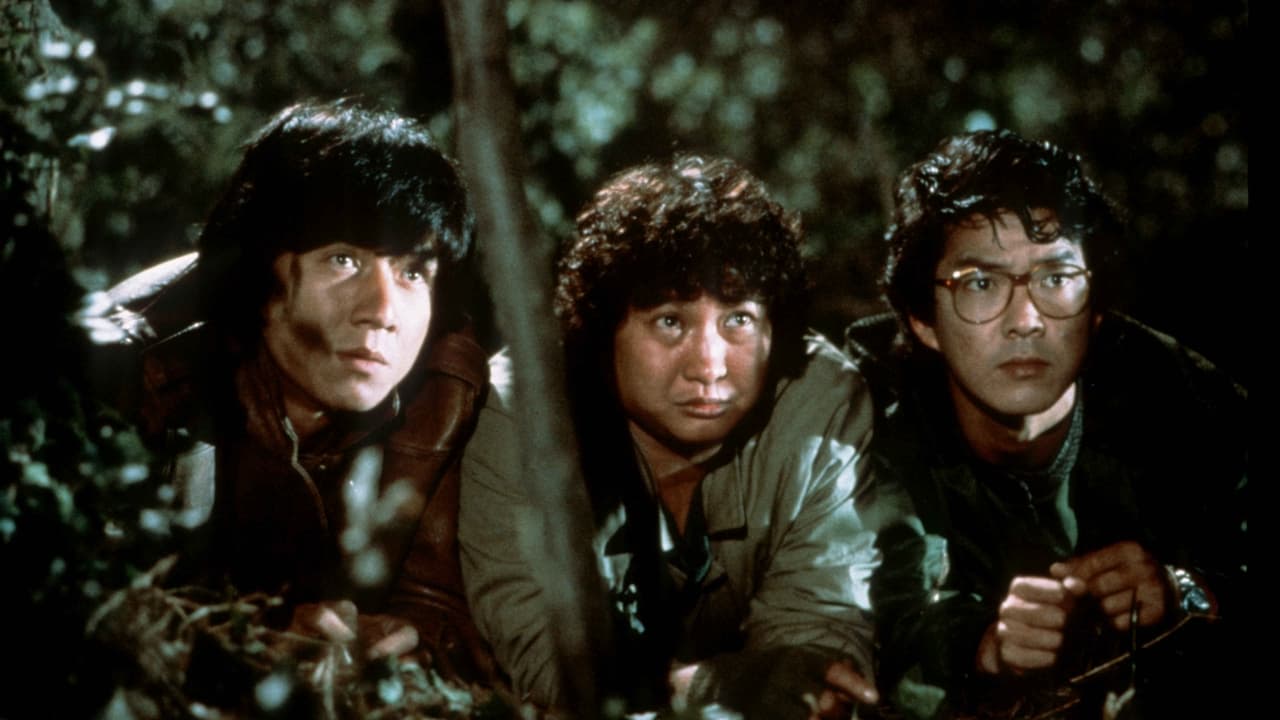
Right off the bat, Wheels on Meals (or Kwai Tsan Tseh / 快餐車 in Cantonese) throws you into a surprisingly vibrant European setting. Our heroes, Thomas (Jackie Chan) and David (Yuen Biao), are cousins running a high-tech (for 1984!) food van, slinging burgers and dodging trouble on the colourful streets of Barcelona. Their relatively peaceful existence gets thrown into chaos when they cross paths with the beautiful pickpocket Sylvia (Lola Forner) and stumble into a conspiracy involving a hefty inheritance. Enter Moby (Sammo Hung Kam-Bo), a bumbling private investigator also on Sylvia's trail, and you've got the legendary "Three Dragons" reunited on screen.
The plot? Honestly, it’s mostly a charmingly convoluted excuse to string together some of the most inventive action sequences and slapstick routines of the decade. And that's exactly what we came for, wasn't it? Finding this tape felt like uncovering a secret weapon in the video store's martial arts section – something bursting with energy far beyond the usual stateside action fare.
### The Three Dragons Hit Their Stride
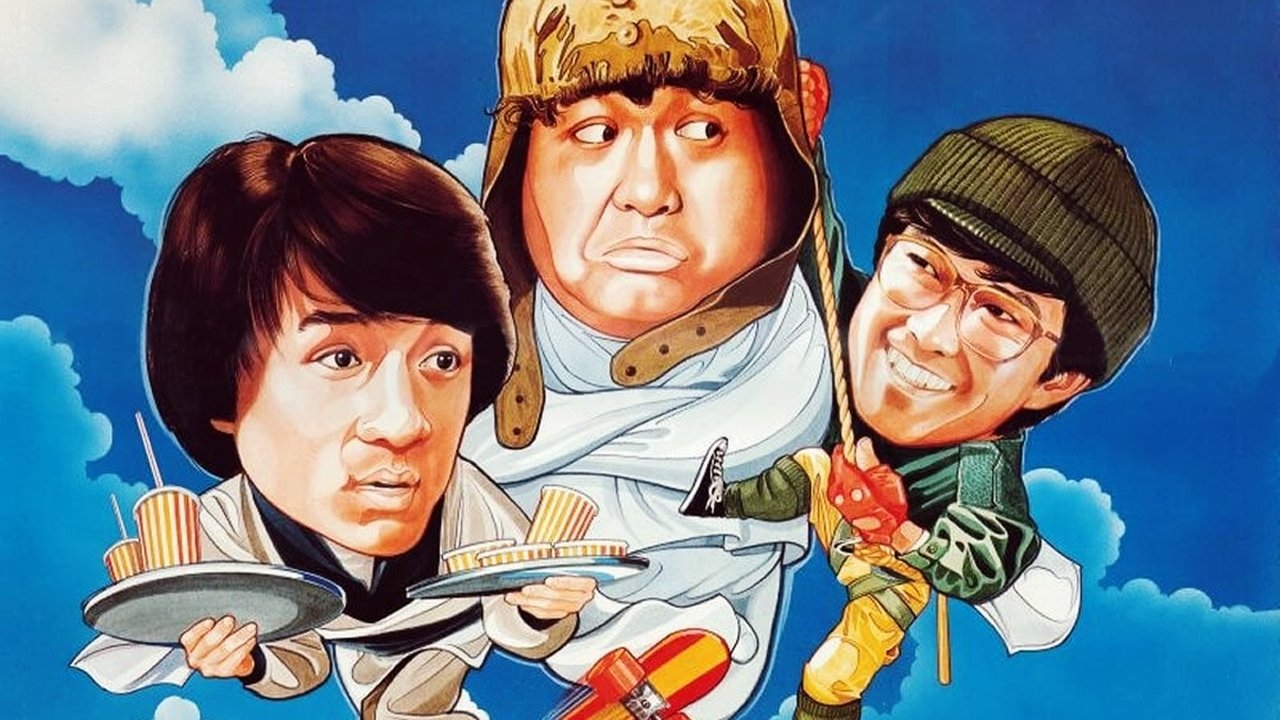
What makes Wheels on Meals truly special is seeing Jackie Chan, Sammo Hung, and Yuen Biao operating at the peak of their collaborative powers. Each brings a unique flavour. Chan is the agile, resourceful leader, already mastering his signature blend of acrobatic fighting and prop-based improvisation. Yuen Biao, arguably the most technically gifted acrobat of the three, delivers breathtaking flips and kicks with effortless grace – that scene where he uses a skateboard feels years ahead of its time. And Sammo Hung, pulling double duty as director and actor, provides both powerhouse martial arts and brilliant comedic timing. Retro Fun Fact: Sammo Hung choreographed the fights and directed the film, showcasing his incredible talent for balancing complex action with laugh-out-loud comedy, a hallmark of many Golden Harvest productions he helmed, like Project A (1983) released just the year before.
Their chemistry is electric. The banter feels genuine, the physical comedy clicks perfectly, and when they finally team up for the action, it’s a kinetic ballet of controlled chaos. Remember trying to mimic those moves in the living room, narrowly avoiding a lamp? This film inspired that kind of joyous, physical reaction. The film cleverly uses the Barcelona locations, too – chases through historic streets, fights in picturesque plazas – adding a unique visual flair often missing from studio-bound productions. Apparently, filming internationally posed significant logistical challenges, including language barriers with local crews and extras, but you'd never know it from the seamless energy on screen.

### Bone-Crunching Practicality
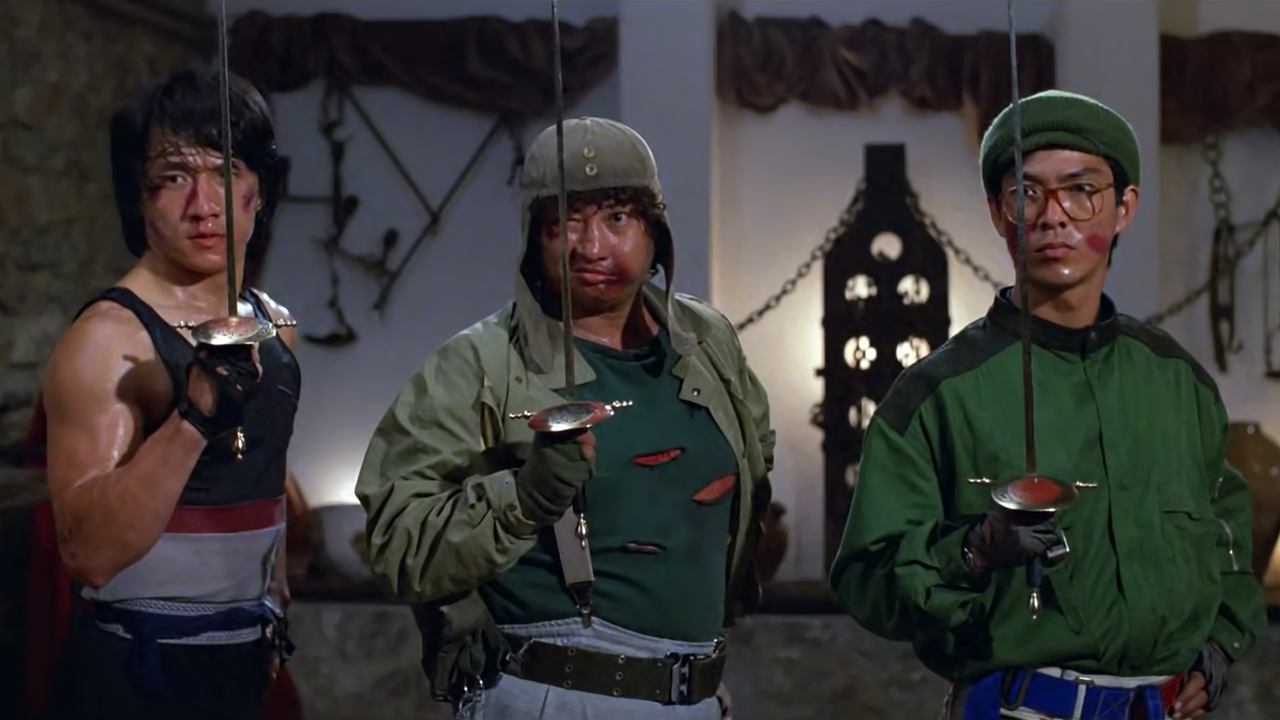
Let's talk action, because that's the main course here. Sammo Hung's direction delivers fights that feel incredibly real. Forget the floaty wire-fu that would dominate later years, or the quick-cut editing used to hide imperfections today. Here, you see the hits connect. The performers – often the stars themselves – are putting their bodies on the line. The intricate choreography is performed in long takes, showcasing the sheer skill and stamina involved.
There are fantastic set pieces throughout, like the infiltration of the villain's castle, filled with near misses and clever teamwork. But the undisputed highlight, the scene burned into the memory of anyone who rented this VHS back in the day, is the climactic showdown between Jackie Chan and legendary kickboxing champion Benny "The Jet" Urquidez.
Retro Fun Fact: Urquidez, a non-actor but a legitimate world champion fighter, brought an intensity rarely seen. The fight reportedly took weeks to film, with both performers pushing each other to the limit. There's a palpable sense of danger; the speed and precision are astonishing. You can almost feel the impact of those lightning-fast kicks through the screen. This duel is consistently ranked among the greatest martial arts movie fights ever, and rightly so. It felt less like choreography and more like a genuine clash of titans – a raw, brutal honesty that modern CGI struggles to replicate. They'd face off again in Dragons Forever (1988), but this first encounter remains iconic.
### Why It Still Slaps
Wheels on Meals wasn't just a hit in Hong Kong; it became a beloved cult classic worldwide on home video. Critics at the time might have dismissed the simple plot or broad comedy, but audiences knew gold when they saw it. It perfectly blends genres – it's an action film, a comedy, a buddy movie, even a bit of a caper. It has heart, humour, and jaw-dropping physical feats performed with a level of practical skill that still astounds.
The music is pure 80s synth-pop goodness, the fashion is hilariously dated in the best possible way, and the overall vibe is just relentlessly fun. It’s a reminder of an era when action stars were also incredible physical performers, and the thrill came from knowing what you were seeing was genuinely dangerous and incredibly skillful.
Rating: 9/10
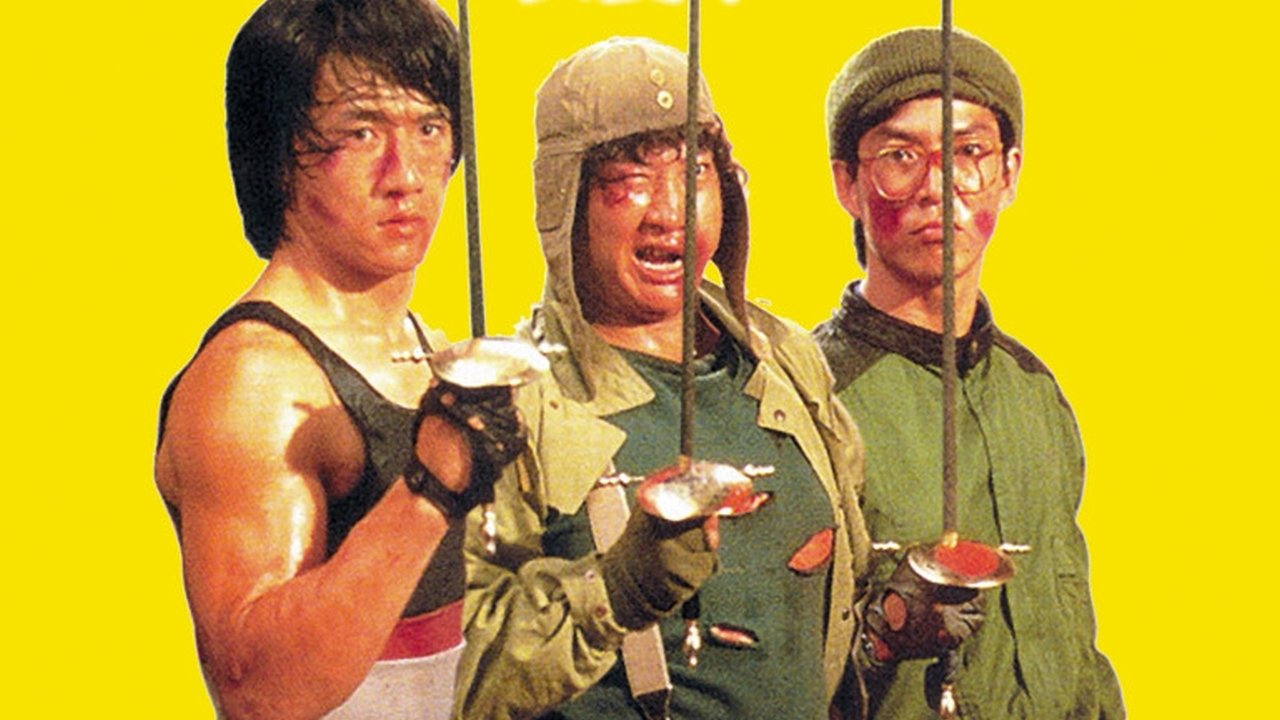
This score reflects the near-perfect execution of its goals. While the plot is secondary, the unparalleled chemistry of the leads, the groundbreaking practical stunt work, the masterful fight choreography (especially the Chan/Urquidez duel), and the sheer entertainment value make it a pinnacle of 80s Hong Kong action comedy. It's pure joy captured on videotape.
Final Thought: For fight choreography that felt less staged and more like controlled lightning, with stars doing the impossible right before your eyes, Wheels on Meals remains a delicious serving of golden-era Hong Kong action that tastes just as good today. Fire up the VCR... or, you know, the modern equivalent.