It’s hard to talk about Sergio Leone’s Once Upon a Time in America (1984) without first acknowledging the ghost that haunted its initial arrival. For many of us who first encountered it on those chunky rental tapes, perhaps tucked away in the ‘Drama’ section rather than ‘Gangster’, there was a sense of... confusion. The version widely released in the US back then, a brutally truncated edit clocking in at 139 minutes (compared to Leone's intended 229 minutes, later expanded even further in restorations), wasn't just shorter; it was rearranged chronologically, stripping away the crucial, dreamlike interplay of memory that defines the film. It felt disjointed, almost incoherent. It’s a film that, for many, truly found its soul, its staggering power, through the patient discovery of longer cuts on VHS and later formats – a cinematic resurrection mirroring its protagonist's own long, painful look backwards.
### Echoes Across Time
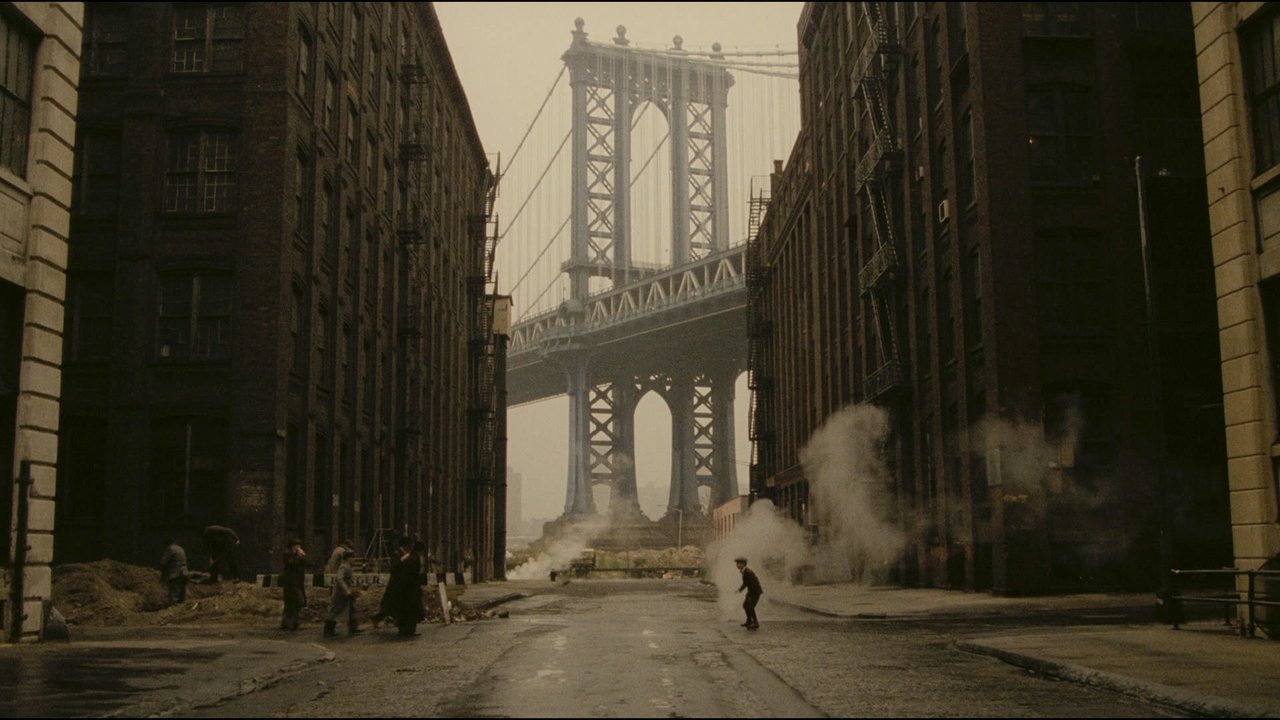
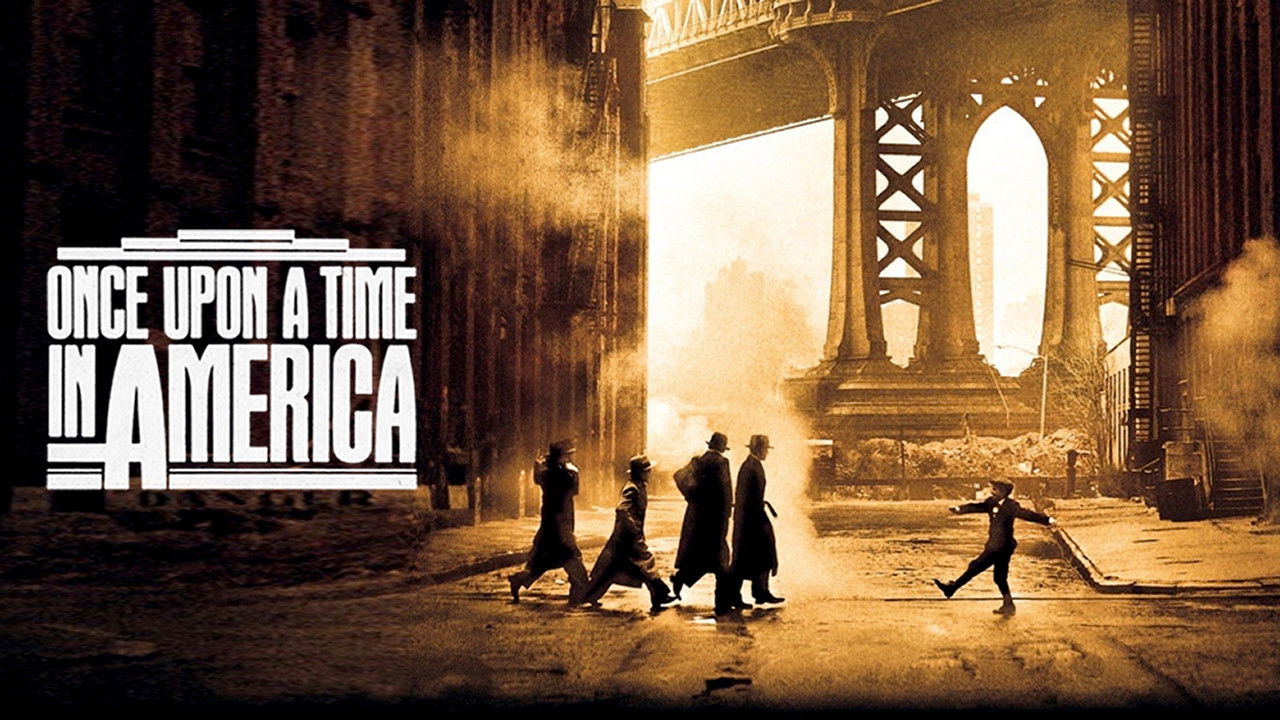
What lingers, long after the final, ambiguous smile fades from the screen, is the profound sense of time’s passage and the corrosive nature of regret. Sergio Leone, known for his operatic Westerns like Once Upon a Time in the West (1968), spent over a decade bringing Harry Grey's novel "The Hoods" to life. This wasn't just another gangster story; it was his deeply personal meditation on memory, loyalty, betrayal, and the American Dream curdled into nightmare. The film drifts between three distinct periods – the rough-and-tumble Lower East Side boyhood of the 1920s, the violent rise of Noodles, Max, and their crew during Prohibition in the 1930s, and the haunted return of an aged Noodles (Robert De Niro) to New York in 1968, searching for answers to decades-old questions.
Leone masterfully uses this non-linear structure not as a gimmick, but as the very fabric of the narrative. Memories bleed into one another, triggered by sounds, sights, or the mournful notes of Ennio Morricone's iconic score. It’s worth noting that Morricone, Leone's long-time collaborator, composed much of the music before filming even began. Leone would often play the themes on set, letting the actors absorb the specific melancholy mood he was aiming for. Does any film score more perfectly capture the ache of nostalgia and loss? It's a soundtrack that feels less like accompaniment and more like the film's own sorrowful heartbeat.
### Faces Etched by Life
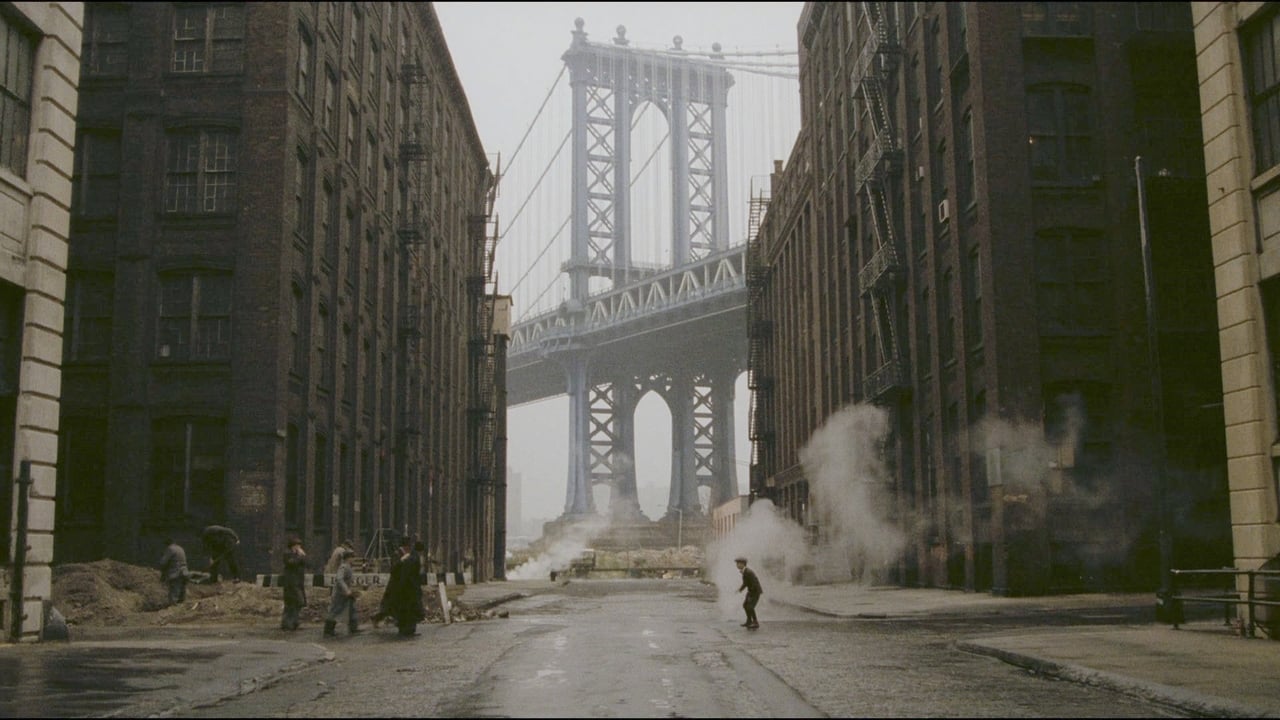
The performances are central to the film's enduring power. Robert De Niro as David "Noodles" Aaronson gives a performance of staggering interiority. His aged Noodles is a man weighed down by ghosts, his face a roadmap of past sins and lingering sorrows. There's a quiet devastation in his eyes as he navigates the remnants of his past. Opposite him, James Woods delivers a career-defining turn as Maximilian "Max" Bercovicz. Max is the ambitious, volatile counterpoint to Noodles' more introspective nature. Woods crackles with a dangerous energy, a charisma always threatening to tip into recklessness. Their complex bond – a brotherhood forged in childhood, warped by ambition and betrayal – forms the spine of the epic narrative.
And we can't forget Elizabeth McGovern as Deborah, the object of Noodles' lifelong, complicated affection. She represents a different path, a potential for grace amidst the brutality, yet she too is irrevocably caught in the undertow of their world. The younger actors portraying the protagonists as boys also deserve immense credit; their depiction of fierce loyalty and youthful recklessness lays the crucial groundwork for the tragedy to come. Their camaraderie feels authentic, making the later betrayals cut all the deeper.
### The Weight of Ambition
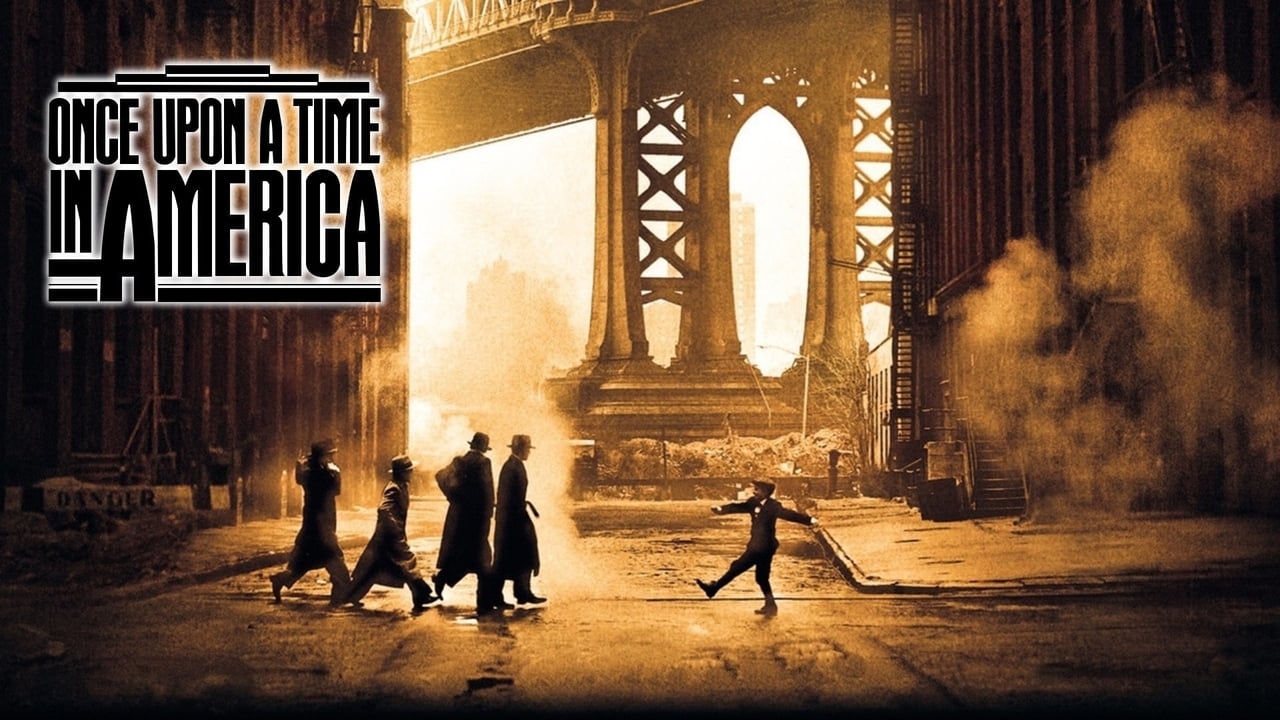
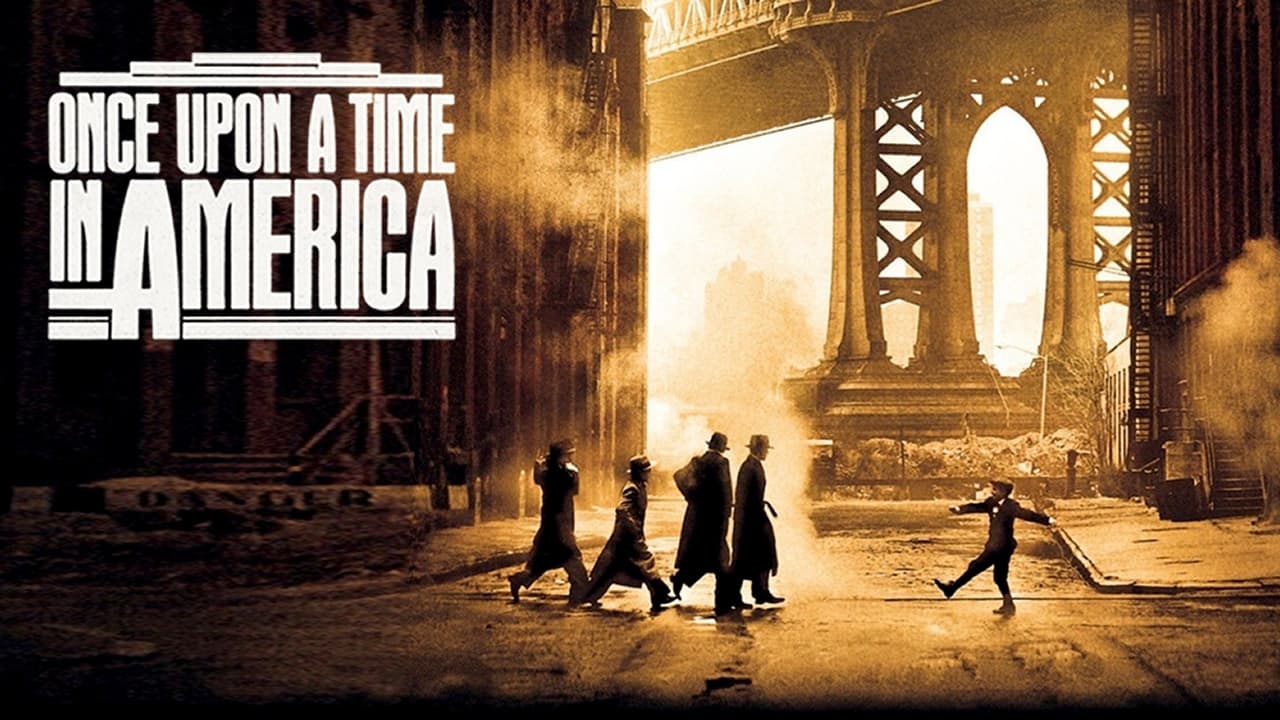
Leone, working with a substantial budget for the time (around $30 million), meticulously recreated the different eras, transporting us from dusty streets and bustling docks to opulent speakeasies and, finally, the sterile modernity of the late 60s. The production reportedly spanned locations across New York, Montreal, Paris, Venice, and Rome, reflecting the epic scope of the story. Yet, despite this scale, Leone’s signature remains: the intense close-ups dwelling on faces, the deliberate, almost meditative pacing that allows moments to breathe and resonate, the sudden bursts of shocking violence juxtaposed with scenes of quiet reflection.
The disastrous US theatrical cut wasn't just a studio blunder; it was a fundamental misunderstanding of Leone's intent. By rearranging the narrative chronologically, it turned a profound exploration of memory into a more conventional, and frankly confusing, gangster flick. The film flopped hard in the States ($5.3 million box office), a heartbreaking endnote for Leone, who sadly passed away in 1989, never quite seeing his magnum opus receive the widespread acclaim it deserved during his lifetime. Thankfully, the longer European cut and subsequent restorations allowed audiences, especially through home video, to experience the film as intended – a sprawling, challenging, and ultimately unforgettable piece of cinema. Remember seeking out that double-VHS rental, knowing you were in for a long night, but anticipating something truly special?
### A Lingering Resonance
Once Upon a Time in America is not an easy watch. It’s long, demanding, and deals with deeply uncomfortable themes, including brutal violence and exploitation. Yet, its power is undeniable. It’s a film that asks profound questions about the nature of time, the unreliability of memory, and the ghosts we carry with us. Can we ever truly escape our past? What is the price of ambition, of loyalty, of betrayal? The film offers no simple answers, leaving the viewer suspended in that final, haunting opium den haze, pondering the enigmatic smile on Noodles' face.
Rating: 9/10
This score reflects the film's status as a flawed masterpiece. The sheer artistic ambition, Leone's directorial vision, Morricone's score, and the powerhouse performances from De Niro and Woods are exceptional. Its length and deliberate pacing demand patience, and certain elements remain controversial, but its thematic depth and emotional resonance are undeniable. The troubled release history prevents a perfect score, but the restored versions reveal a work of profound cinematic artistry.
Final Thought: A film that, much like memory itself, reveals its true depth and complexity only with time and reflection – a sprawling, melancholy epic that stays with you long after the tape runs out.