It begins not with a bang, but with a certain weariness, a chill that settles deep in the bones. I’m talking about the feeling evoked by Martha Fiennes' directorial debut, Onegin, a film that arrived on shelves near the tail end of our beloved VHS era in 1999. Pulling this tape out again, there's an immediate sense of its ambition: adapting Alexander Pushkin's monumental verse novel, Eugene Onegin, a cornerstone of Russian literature, is no small feat. The film itself carries the weight of that literary legacy, presenting a visually rich but often deliberately restrained portrait of arrogance, regret, and tragically missed connections.
A World-Weary Soul in the Countryside
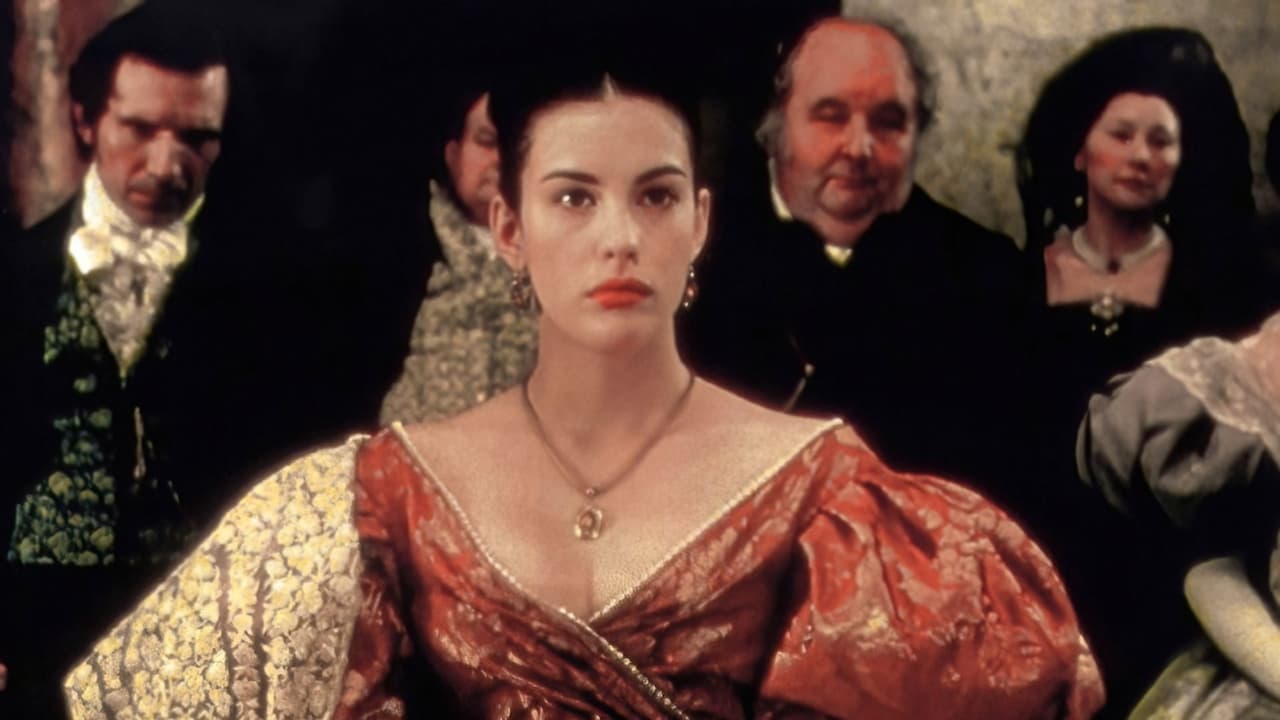
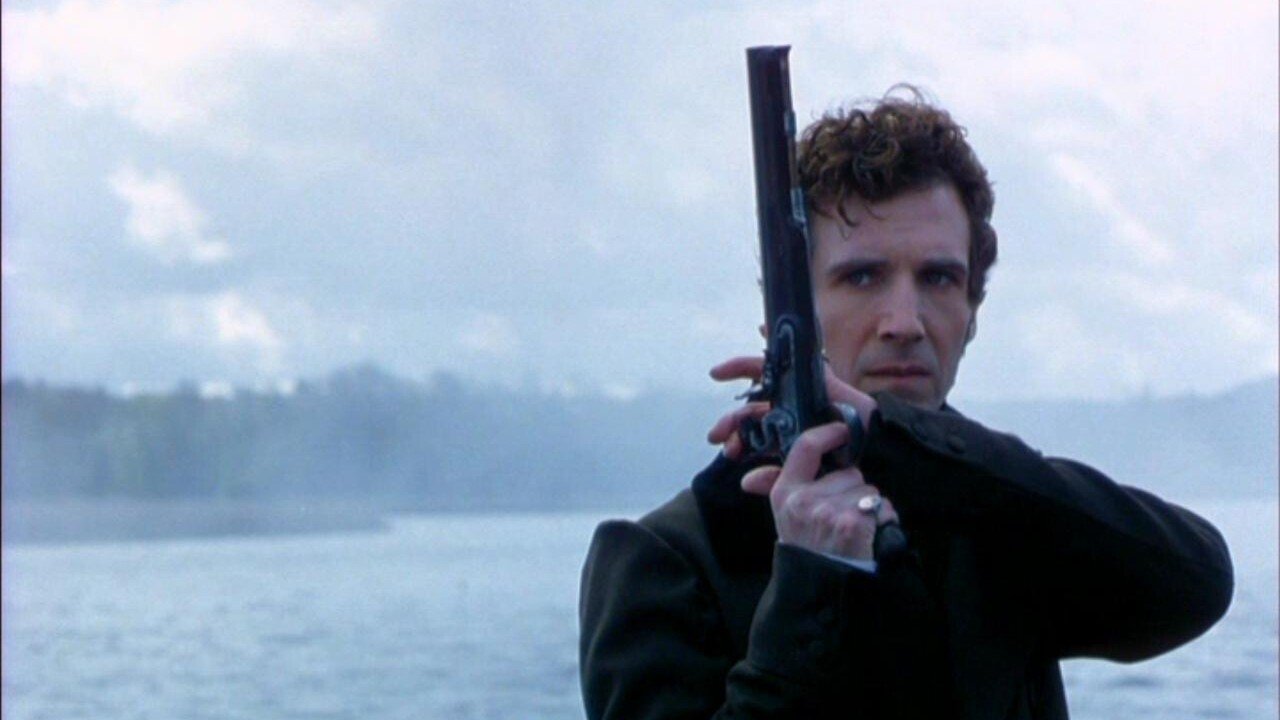
At its heart is Ralph Fiennes (who also served as an Executive Producer, clearly passionate about the project) as the eponymous Eugene Onegin. He embodies the character’s ennui, that particular brand of sophisticated boredom bred in the salons of 19th-century St. Petersburg. Fiennes, fresh off searing performances in films like Schindler's List and The English Patient, brings a familiar intensity here, but channels it inwards. His Onegin is aloof, observant, and dangerously detached. When he inherits a country estate and encounters the Larin family, his arrival disrupts the quiet rhythm of rural life. It’s a classic setup, the jaded city mouse among the earnest country mice, but rendered with a somber elegance. Filming took place extensively in St. Petersburg, lending an undeniable authenticity to the grand cityscapes and contrasting sharply with the more rustic country settings. You can almost feel the damp Russian air through the screen.
Tatyana's Unspoken Heart
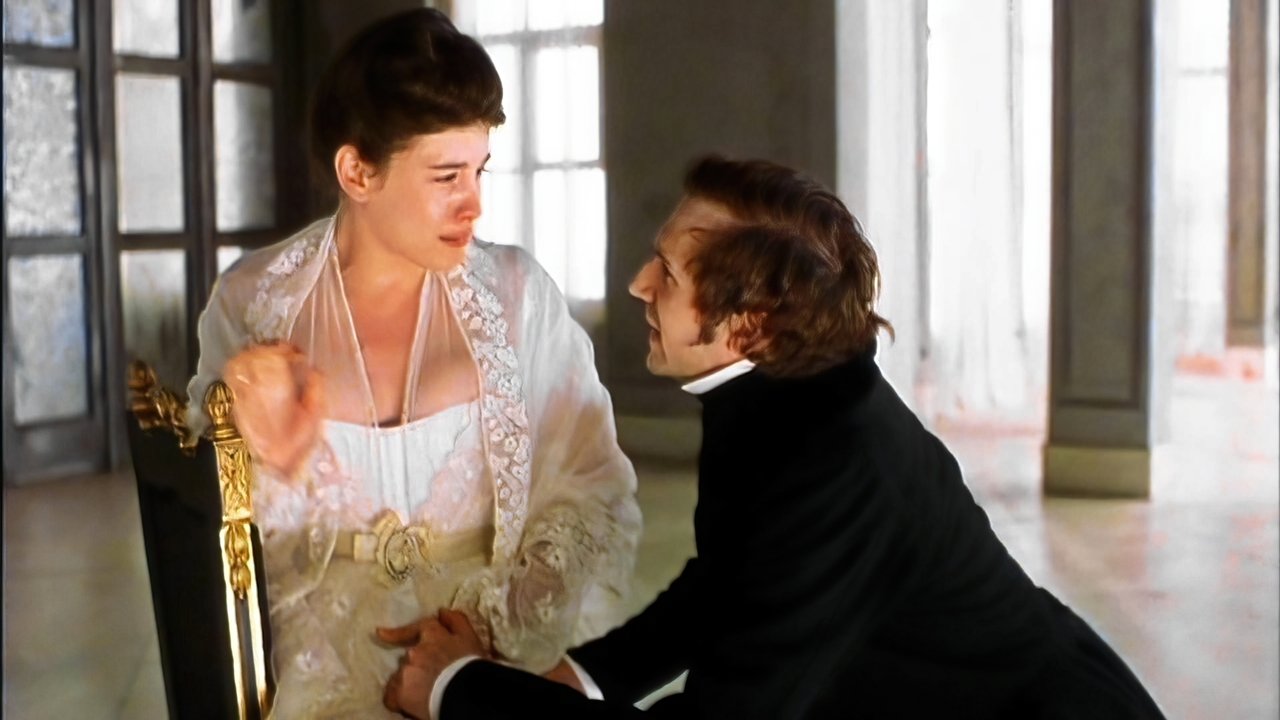
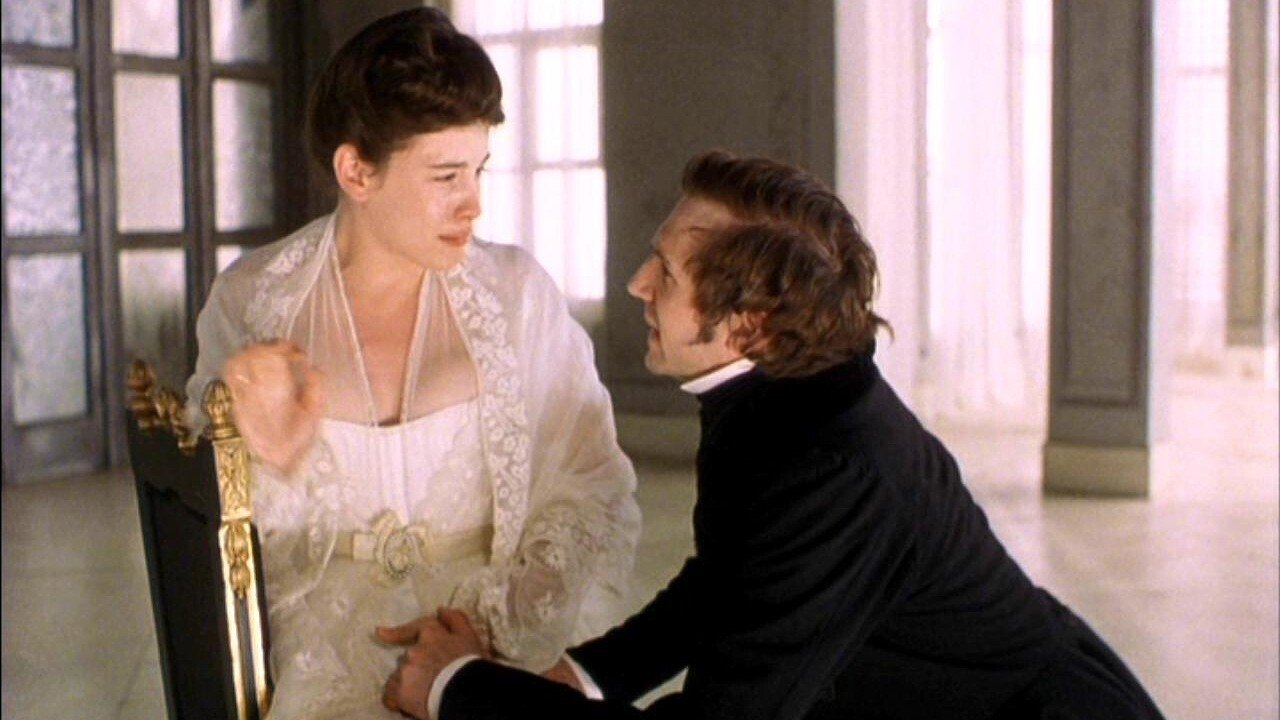
The catalyst for much of the drama is Tatyana Larina, played by Liv Tyler. It was fascinating casting at the time; Tyler was primarily known for contemporary roles, notably the global smash Armageddon just the year before. Here, she embodies youthful innocence and profound sensitivity. Her Tatyana is quiet, observant, and possesses a soul brimming with romantic ideals, fueled by the novels she devours. When she pours her heart out to Onegin in a deeply vulnerable letter – a pivotal moment in Pushkin's work – his cool, condescending rejection is brutal. Tyler conveys Tatyana’s quiet devastation effectively, a stark contrast to Fiennes' calculated reserve. It’s a performance that relies heavily on conveying emotion through expression rather than dialogue, a challenge she meets with grace, even reportedly learning some Russian lines phonetically for key scenes. Supporting players Toby Stephens as the tragically idealistic poet Lensky and Lena Headey (long before Game of Thrones) as the more conventional sister Olga, round out the core cast effectively, adding layers of youthful passion and societal expectation.
From Poetry to Pictures
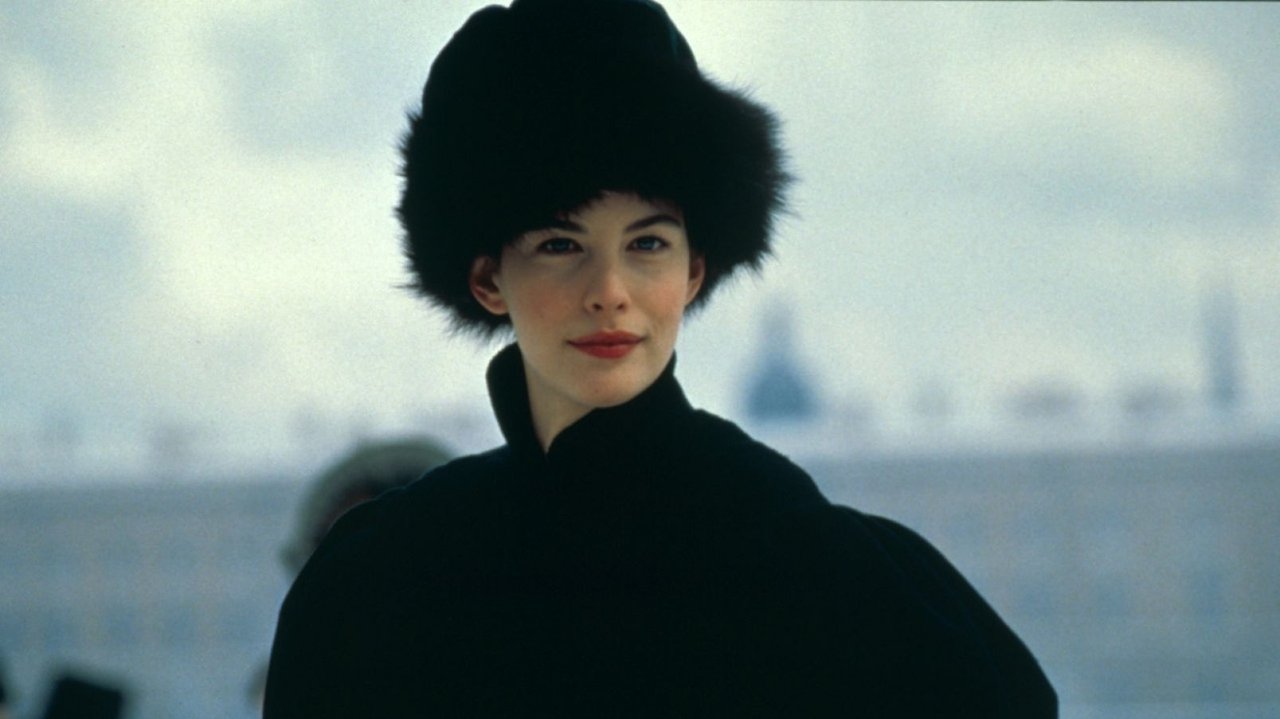
Adapting a novel in verse presents unique challenges. Screenwriters Michael Ignatieff and Peter Ettedgui opted for prose, focusing on translating the narrative and emotional core rather than attempting to replicate Pushkin's poetic structure directly. What emerges is visually sumptuous. Martha Fiennes demonstrates a keen eye for composition, aided by cinematographer Remi Adefarasin (who also shot the visually stunning Elizabeth the previous year). The costumes are meticulously detailed, the landscapes are sweeping, and the interiors feel authentic, steeped in shadow and candlelight. The film often looks like a painting from the era. Yet, some critics at the time felt this visual richness came at the expense of emotional fire. Pushkin's work crackles with wit, social commentary, and raw feeling, while the film adopts a more melancholic, almost stately pace. It captures the tragedy but perhaps less of the vibrant life force of the original text. Is this deliberate, reflecting Onegin's own emotional frostiness, or a limitation of the adaptation? It’s a question worth pondering as the credits roll.
Retro Fun Facts: Behind the Brocade
- This was indeed Martha Fiennes' first time in the director's chair for a feature film – quite an ambitious start, tackling a national epic.
- Ralph Fiennes' commitment extended beyond acting; his role as Executive Producer highlights a personal investment in bringing this specific story to the screen.
- The film operated on a modest budget (around $12 million) but sadly struggled at the box office, grossing only about $2.5 million worldwide. It found its audience more slowly, likely through home video – a classic case of a film perhaps too literary or melancholic for the multiplex crowds of the late 90s but perfect for a thoughtful evening rental. It definitely feels like a film discovered on a rainy Tuesday night at Blockbuster, nestled between bigger hits.
- While Tchaikovsky composed a famous opera based on Eugene Onegin, the film uses some of his other music but is a direct adaptation of Pushkin's novel, not the opera itself.
The Weight of What Wasn't Said
What lingers long after watching Onegin isn't necessarily the plot's dramatic turns – the fateful duel, the later societal encounters – but the pervasive sense of regret. It’s a film about the consequences of pride, the prisons built by social convention, and the devastating finality of choices made out of arrogance or fear. Fiennes masterfully portrays a man who eventually understands the depth of his loss, but only when it’s far too late. Doesn't that echo a certain universal human experience – the moment we recognize the value of something only after it has slipped through our fingers?
Watching it again on a format far removed from its intended cinematic grandeur – perhaps on a worn VHS tape hooked up to a CRT – adds another layer. There's a certain intimacy to experiencing this grand, sad story on a smaller screen, the flickering image perhaps mirroring the flickering, ultimately extinguished hopes of its characters.
Rating: 7/10
Onegin is a meticulously crafted, visually beautiful adaptation anchored by a compellingly icy performance from Ralph Fiennes and a sensitive turn from Liv Tyler. Its commitment to authenticity, particularly filming on location in Russia, is commendable. While it might lack some of the vibrant energy and wit of Pushkin's original verse, and its deliberate reserve might leave some viewers cold (reflected in its initial mixed reception and modest box office), its melancholic atmosphere and exploration of regret are potent. The 7 rating reflects its artistic merits and strong central performances, acknowledging that its emotional temperature might not resonate with everyone seeking passionate period drama, but rewarding its thoughtful, if somber, execution.
It remains a potent reminder, tucked away perhaps on a dusty shelf, of paths not taken and the enduring chill of looking back on a heart carelessly broken. A worthy, if sometimes demanding, resident of VHS Heaven.