Some films don't just play on your flickering CRT screen; they seep into the room, altering the very air you breathe. They arrive like transmissions from a fever dream, leaving static clinging to your thoughts long after the tape ejects. Todd Haynes' 1991 debut feature, Poison, wasn't just a movie dropped into the cultural bloodstream – it was the poison, a potent cocktail of transgression and style that provoked, polarized, and ultimately, redefined the landscape of independent American cinema. Forget easy comforts; this was a film that demanded you wrestle with it, leaving you marked.
An Unholy Trinity
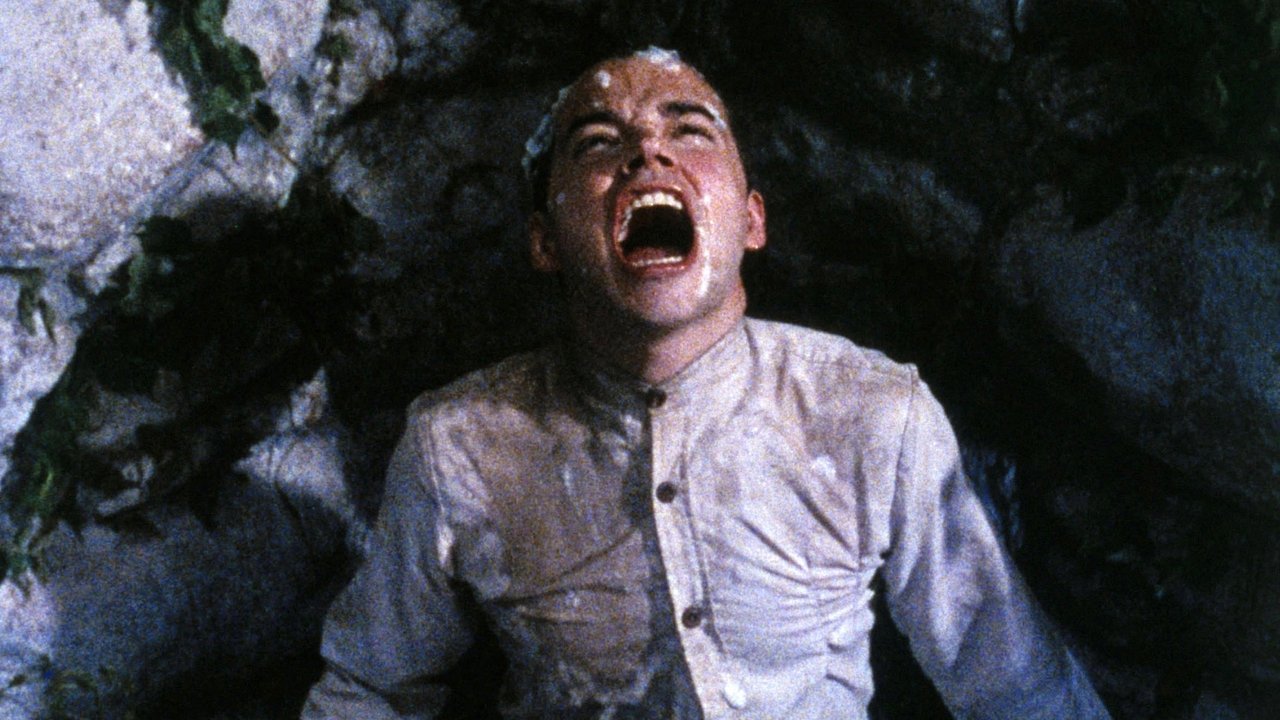
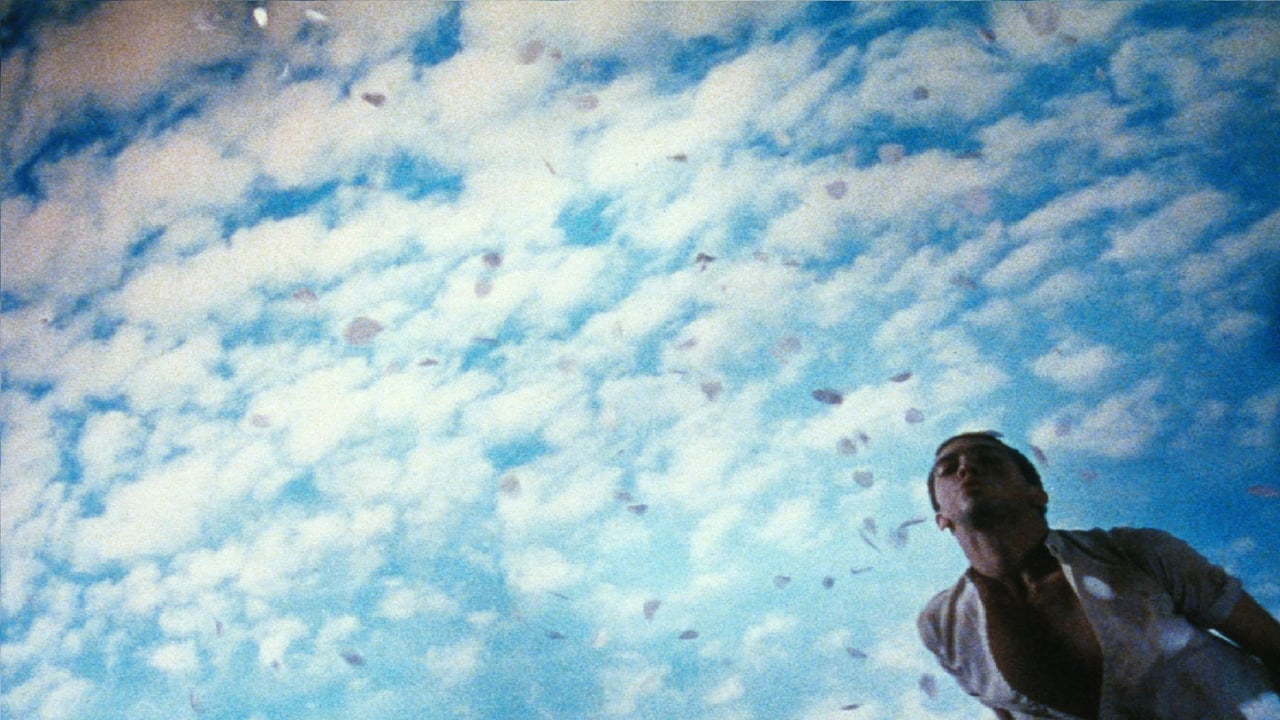
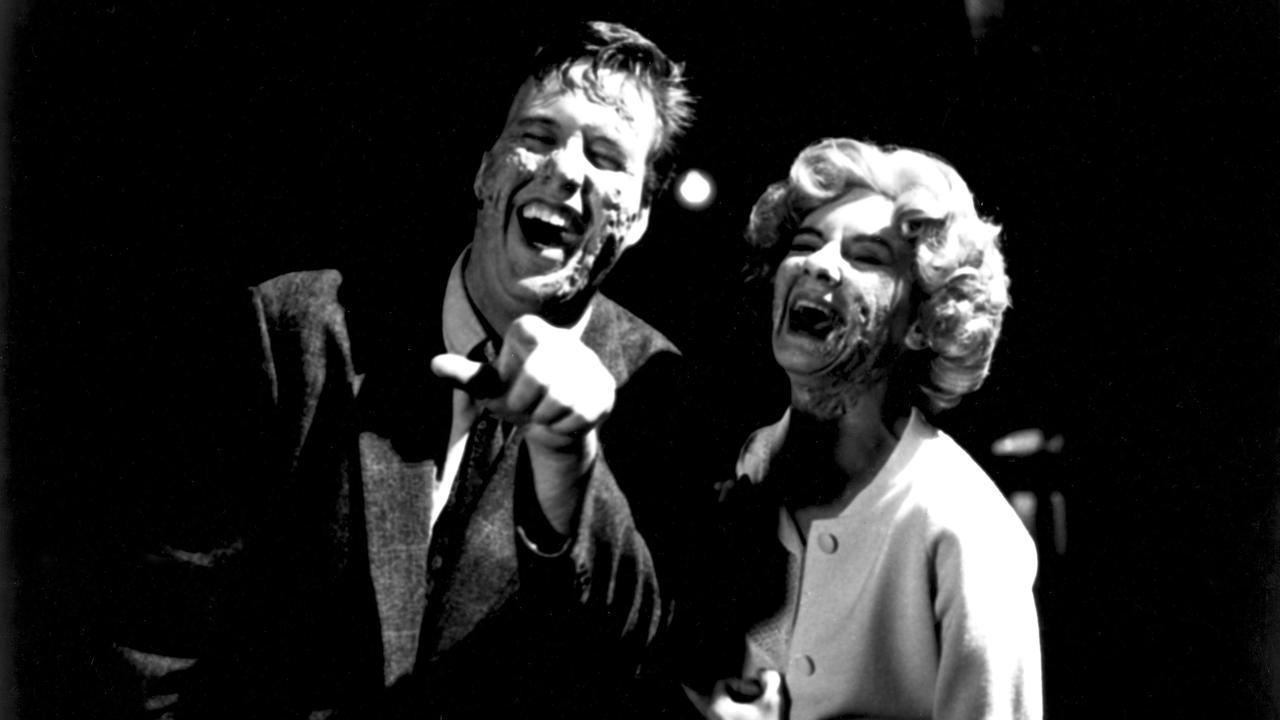
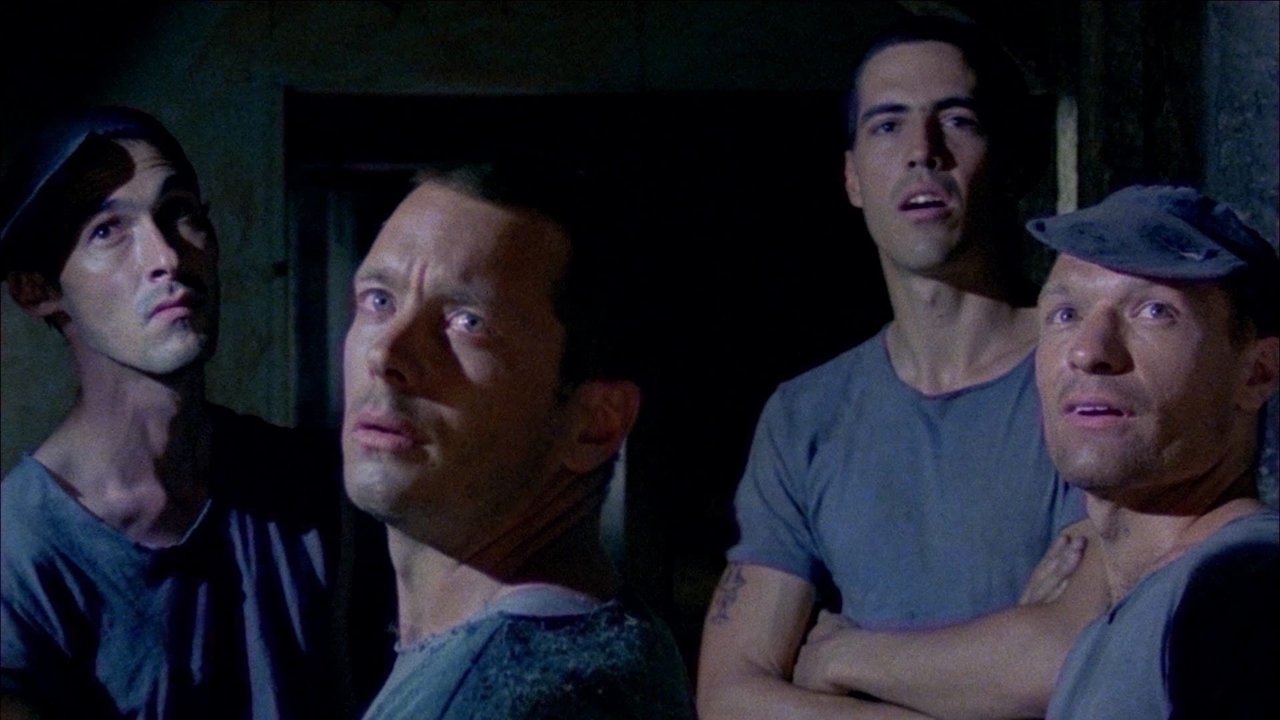
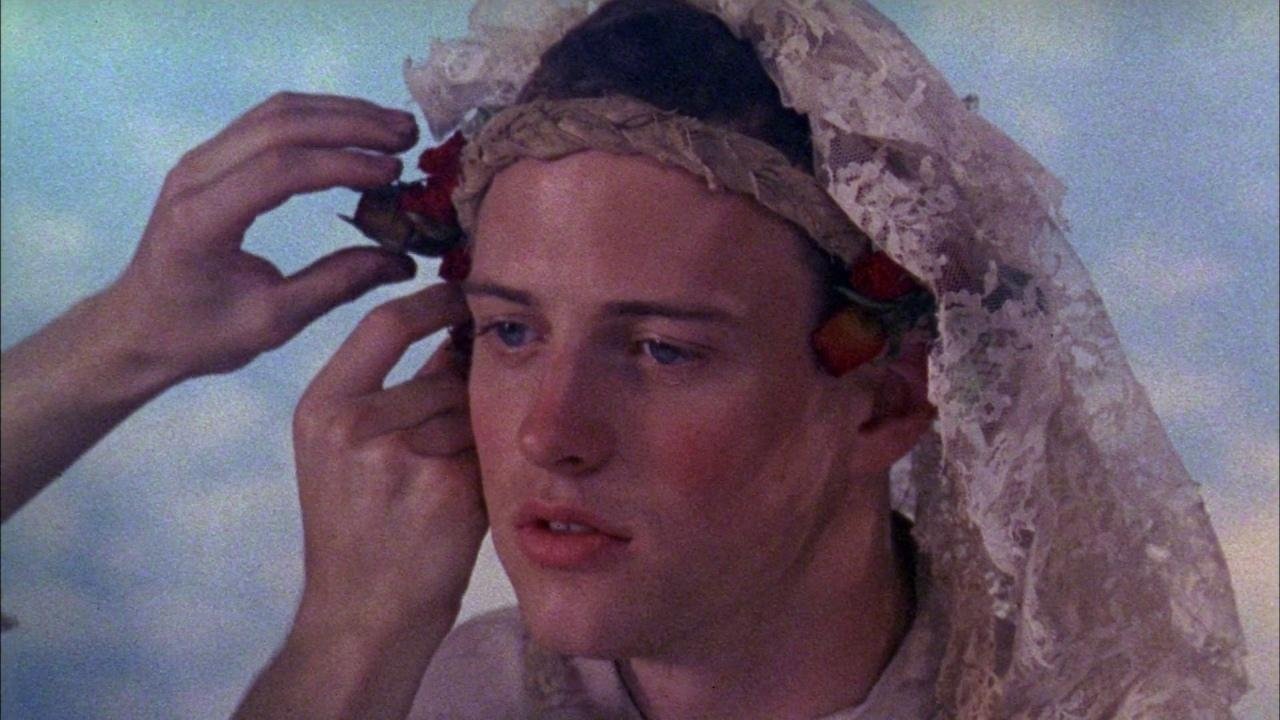
Poison isn't one story, but three, braided together with unsettling precision, each drawing inspiration from the provocative writings of Jean Genet. We get "Hero," shot like a grainy local news exposé, detailing the suburban mystery of seven-year-old Richie Beacon, who shoots his abusive father and seemingly flies away. Then there's "Horror," a glorious, black-and-white homage to 50s B-movie creature features, where a scientist isolates the "elixir of sexuality," accidentally drinks it, and transforms into a pustule-ridden "leper sex killer." Finally, "Homo" offers a stark, color-saturated portrayal of desire and brutality within a bleak French prison setting, echoing Genet's own experiences and writings. Haynes cuts between these disparate tales, forcing connections, blurring lines, and creating a cumulative sense of displacement and dread. There's no single thread to grasp easily; the film is the disorientation.
The Scandal That Echoed Through Video Stores
You couldn't talk about Poison in the early 90s – heck, you can barely talk about it now – without mentioning the firestorm it ignited. Partially funded by a $25,000 grant from the National Endowment for the Arts (NEA), the film became a lightning rod for the religious right, particularly Reverend Donald Wildmon and the American Family Association. They decried it as taxpayer-funded pornography and filth, focusing almost entirely on the "Homo" segment's frank (though never gratuitous) depiction of queer desire and power dynamics. The irony? Most critics hadn't even seen the film they were condemning. This manufactured outrage cemented Poison's reputation as forbidden fruit, the kind of tape whispered about, maybe hidden behind the counter at more adventurous rental shops. I distinctly remember the hushed tones when someone mentioned actually finding a copy. It felt dangerous, illicit – which, perhaps, was entirely the point. The controversy, fueled by political opportunism, inadvertently amplified the film's central themes of societal panic around the "other" – be it queer people, the diseased, or the inexplicably violent child.
Style as Substance
Working with a reported budget of just $250,000, Todd Haynes crafted a film that feels remarkably cohesive despite its fragmented structure and stylistic shifts. Each segment masterfully mimics its chosen genre – the flat, observational tone of TV news, the high-contrast shadows and heightened melodrama of vintage horror, the claustrophobic intensity of prison dramas. This wasn't just mimicry for mimicry's sake; Haynes used these established forms to explore deviant desires, societal outcasts, and the ways society pathologizes and contains what it fears. James Bennett's score shifts seamlessly between these moods, further enhancing the unsettling atmosphere. While Haynes resisted simplistic allegorical readings, particularly regarding AIDS (a raging epidemic at the time), the "Horror" segment's narrative of a contagious, disfiguring affliction carried undeniable, chilling resonance. Doesn't the fear of the "leper sex killer" echo the moral panics of the era with terrifying clarity?
A Legacy Forged in Controversy
Despite the political attacks, Poison wasn't just some underground curio. It won the Grand Jury Prize at the 1991 Sundance Film Festival, signaling the arrival of a major new directorial voice. Haynes, who would go on to give us acclaimed films like Far from Heaven (2002) and Carol (2015), established his fascination with genre deconstruction, societal repression, and lush, controlled visuals right here. The performances, particularly from Edith Meeks as the haunted suburban mother in "Hero" and the ensemble navigating the charged environment in "Homo," feel perfectly pitched to their respective segments – stylized yet emotionally resonant.
Poison stands as a cornerstone of the New Queer Cinema movement, a wave of filmmaking in the late 80s and early 90s that confronted identity, sexuality, and societal norms head-on, often with anger, intelligence, and formal experimentation. It didn't offer easy answers or comforting narratives. Instead, it presented a fractured mirror reflecting the anxieties and hypocrisies of its time. Watching it on VHS, perhaps late at night as originally intended, felt like tuning into a forbidden frequency, catching glimpses of stories usually suppressed or ignored.
---
VHS Heaven Rating: 8.5/10
Justification: Poison is undeniably challenging, fragmented, and perhaps alienating for viewers seeking straightforward narrative comfort. Its low budget is occasionally apparent. However, its artistic ambition, stylistic control, thematic depth, and historical significance are immense. Todd Haynes' audacious debut is a masterclass in using genre conventions to explore taboo subjects, and its unflinching gaze remains potent. The Sundance win and enduring critical acclaim stand testament to its power, even beyond the controversy that initially defined it. It’s a vital piece of independent and queer film history, and its ability to disturb and provoke hasn't faded.
Final Thought: More than just a film, Poison was a cultural event, a defiant artistic statement that forced uncomfortable conversations. It’s a reminder that sometimes the most potent cinematic experiences are the ones that leave you feeling a little bit sick, a little bit thrilled, and profoundly unsettled.