Okay, fellow tapeheads, let's dim the lights and rewind to a particularly stark corner of the 80s video store shelf. Forget the neon glow of synth-pop blockbusters for a moment. Instead, picture a grainy, black-and-white box, promising something... different. Something unsettling. We're talking about Lars von Trier's 1987 curio, Epidemic, a film that feels less like a conventional movie and more like a strange, infectious document clawed its way onto celluloid.
### A Story Infecting Its Creators
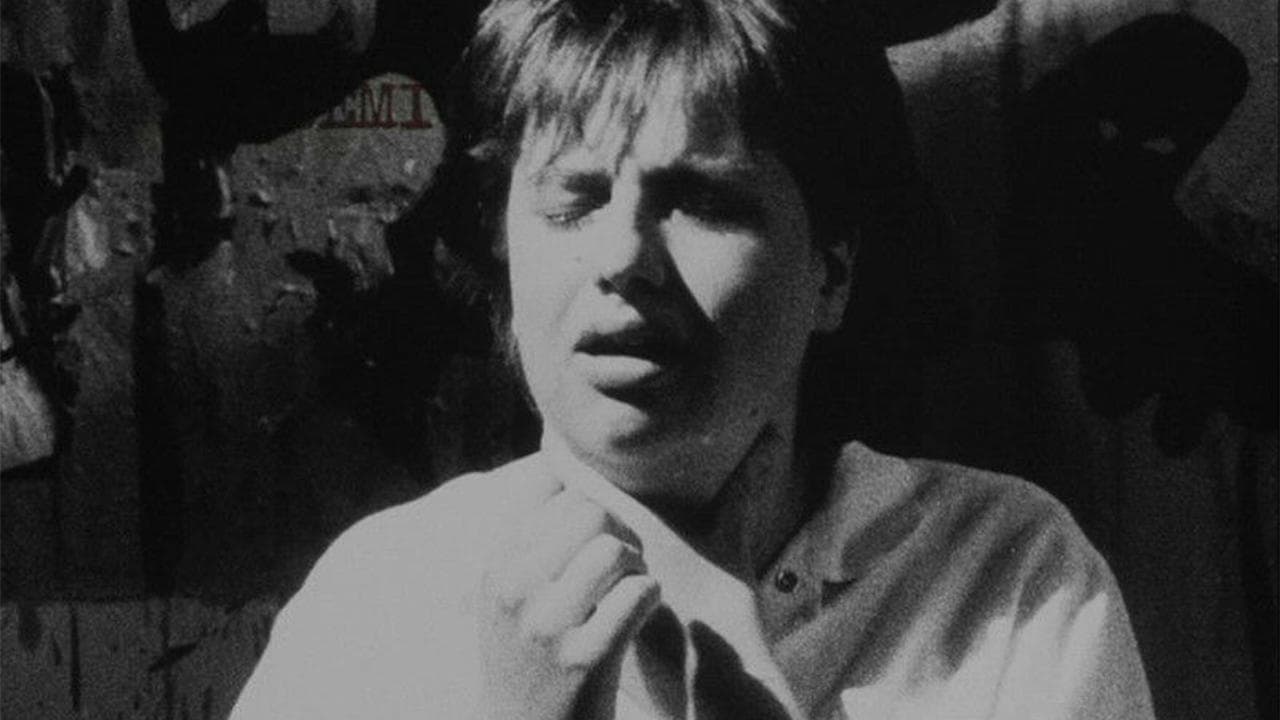
What immediately sets Epidemic apart, even now, is its audacious premise. Lars von Trier and his writing partner Niels Vørsel play fictionalized versions of themselves, two screenwriters struggling to craft their next film after some initial success (mirroring their own situation post-The Element of Crime). Their subject? A devastating plague sweeping across the globe. As they meticulously outline the fictional Dr. Mesmer's journey through a disease-ravaged Europe, a creeping dread begins to permeate their own reality. Strange occurrences mount, reports filter in, and the line between the story they are writing and the world they inhabit begins to blur, then dissolve entirely. It’s a meta-narrative that feels surprisingly raw and immediate, even decades later. Doesn't that blurring of creative obsession and real-world consequence feel disturbingly familiar sometimes?
### The Beauty of Bleakness
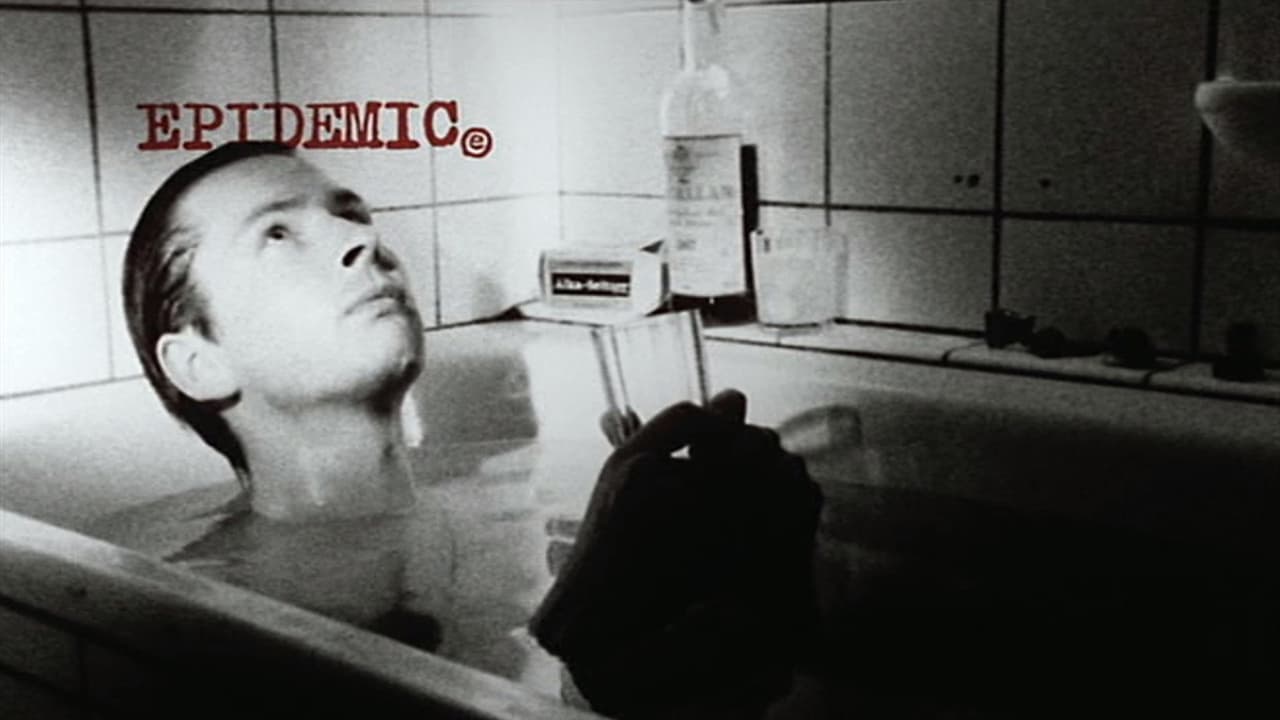
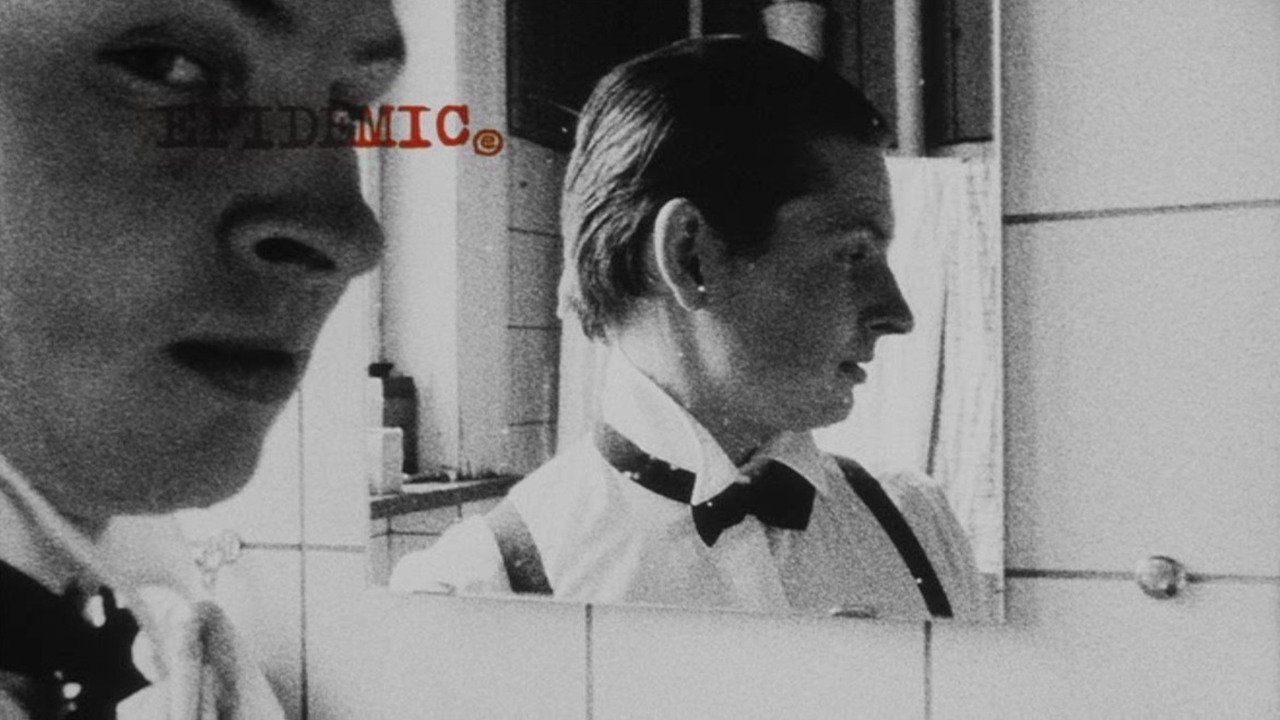
Shot predominantly on stark, high-contrast 16mm black-and-white film, Epidemic possesses an aesthetic born as much from necessity as artistic choice. This wasn't a polished studio picture; reports suggest it was scraped together for around DKK 1 million (a tiny sum even then, roughly $150,000 USD). This shoestring budget becomes part of the film's texture. The rawness isn't a flaw; it's the film's very soul. The handheld camerawork, the naturalistic lighting (or lack thereof), the often-improvised feel of the dialogue between von Trier and Vørsel – it all contributes to a sense of unsettling immediacy. It feels less like watching a constructed narrative and more like observing something unfold, almost documentary-like in its unvarnished presentation. This gritty look was a far cry from the slick visuals dominating multiplexes in 1987, making its appearance on VHS feel like discovering a transmission from another, bleaker dimension.
The film ambles, deliberately paced, mirroring the often-frustrating process of creative work itself. We see the duo brainstorming, travelling for research (a trip to Germany where they encounter the always magnetic Udo Kier), procrastinating, and slowly succumbing to the very ideas they are birthing. Von Trier, even then, showed a fascination with pushing boundaries, not just thematically but formally. This film, the second in his "Europa Trilogy" (sandwiched between 1984's The Element of Crime and 1991's Europa), feels like a crucial, if difficult, stepping stone in his evolving, often confrontational, style.
### When Fiction Bites Back Hard
(Spoiler Alert for the film's ending!)
Epidemic doesn't just flirt with unease; it culminates in a sequence that remains genuinely disturbing and ethically troubling. The climax features a dinner party where the filmmakers plan to screen footage. A hypnotist is present, and under hypnosis, a woman (reportedly not an actress, adding another layer of discomfort) delivers a chilling monologue detailing horrific historical trauma, seemingly channeling something truly dark. This scene is intercut with graphic colour footage from the fictional "Epidemic" film-within-the-film, depicting the plague's gruesome effects. It’s a jarring, powerful, and deeply unpleasant collision of the meta-narrative and visceral horror. There's no easy resolution, no comforting catharsis. It leaves you stunned, perhaps repulsed, questioning the very nature of storytelling and its potential to unleash darkness. It's a sequence that likely caused more than a few VCRs to be hastily stopped back in the day. It's pure, unadulterated von Trier, love it or loathe it.
Finding Epidemic on a video store shelf likely felt like an anomaly. It didn't fit neatly into horror, drama, or even the burgeoning "independent" category. It was sui generis. Its screening in the Un Certain Regard section at the 1987 Cannes Film Festival hints at its intended arthouse audience, but for the average VHS renter, it must have been a perplexing discovery. Yet, isn't that part of the magic of that era? The potential to stumble upon something utterly unexpected, something that challenges and provokes rather than just entertains?
### Lingering Symptoms
Epidemic is undeniably a challenging watch. It’s slow, deliberately unpolished, and culminates in genuine discomfort. Yet, there's a compelling power to its central conceit and its raw execution. Watching von Trier and Vørsel navigate their increasingly porous reality holds a strange fascination. It's a film about the dangerous power of ideas, about the potential for fiction to bleed into fact, and perhaps about the hubris of trying to contain chaos within a narrative. It’s not a film you "enjoy" in the conventional sense, but it’s one that burrows under your skin.
Rating: 6/10
Justification: The score reflects the film's undeniable ambition, its effectively unsettling atmosphere achieved through low-budget ingenuity, and its provocative meta-narrative structure. It’s a significant early work for Lars von Trier. However, its extremely challenging nature, deliberate pacing that borders on sluggish, and the ethically questionable final sequence prevent a higher score for general audiences, even adventurous ones. It earns points for sheer audacity and unforgettable strangeness, but its accessibility is severely limited.
Final Thought: Epidemic lingers like a low-grade fever – uncomfortable, persistent, and a stark reminder that sometimes the stories we tell can develop a frightening life of their own. A true VHS oddity for the brave.