Imagine the city as a vast, breathing crime scene, sprawling under a perpetual twilight. Now picture the man who haunts its darkest corners, not a detective, but a chronicler, capturing raw, unfiltered moments of tragedy and scandal with the stark flash of his camera. That’s the haunting world of The Public Eye, a 1992 gem that often gets lost in the shuffle of 90s releases, but one that rewards rediscovery with its moody atmosphere and a surprisingly soulful central performance.
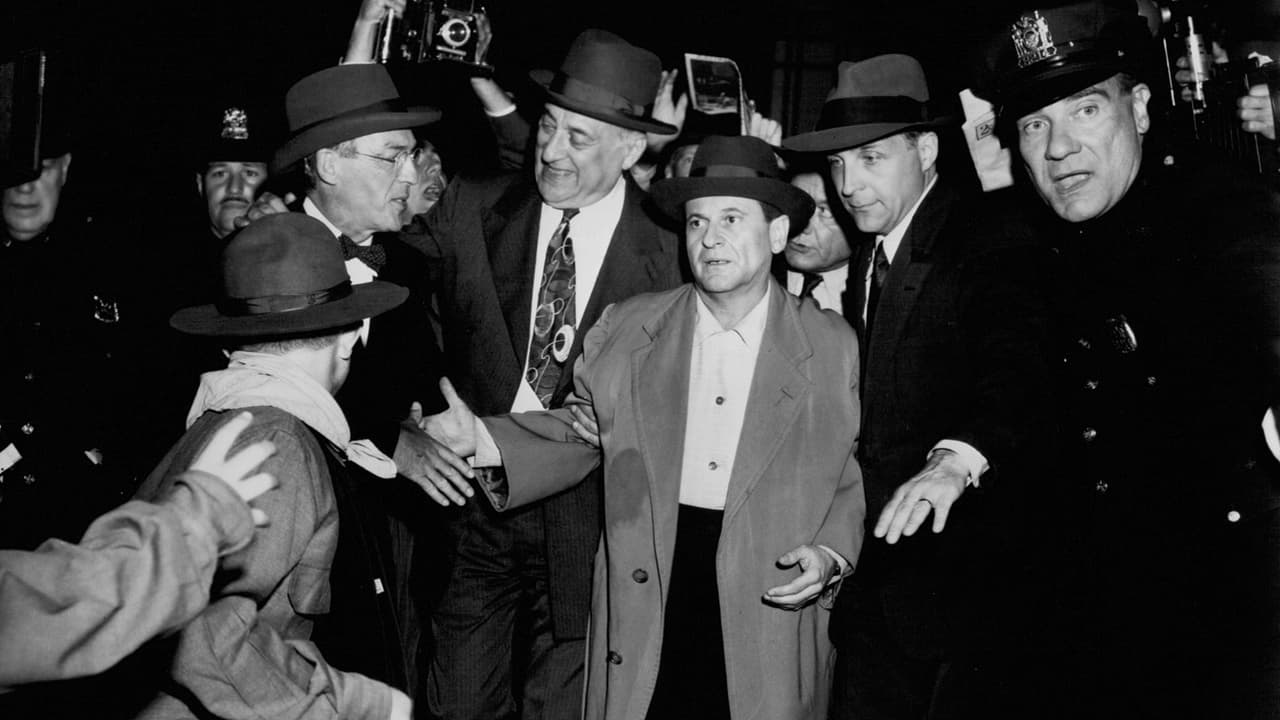
This wasn't the Joe Pesci most audiences expected back then. Fresh off his electrifying, Oscar-winning turn in GoodFellas (1990) and beloved comedic roles like My Cousin Vinny (1992), Pesci was the compact stick of dynamite, the unpredictable force. Here, writer-director Howard Franklin (who also gave us the sharp script for The Name of the Rose in 1986) casts him utterly against type as Leon "Bernzy" Bernstein, a character directly inspired by the legendary New York press photographer Arthur Fellig, better known as "Weegee." And it’s a transformation that anchors the entire film.
### The Lonely Watcher
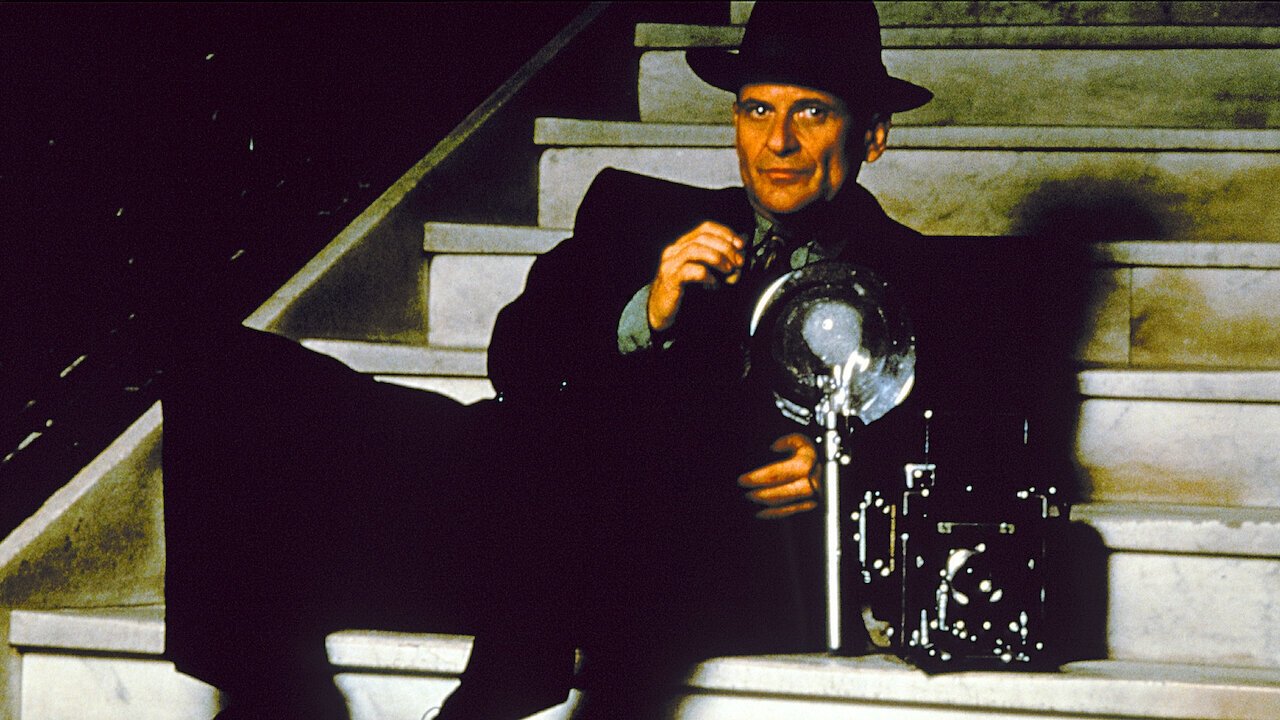
Bernzy isn't just based on Weegee; he embodies his spirit. He lives out of his car, a mobile darkroom and police scanner hub, always arriving first at the scene – suicides, fires, gangland hits. He doesn't stage photos; he captures the immediate, often brutal, aftermath. There’s an almost spectral quality to how he operates, existing on the fringes, observing but rarely participating. Pesci masterfully dials down his usual intensity, replacing it with a world-weariness, a quiet dedication to his craft that masks a profound loneliness. You see it in his eyes, the slight slump of his shoulders – this isn't the fast-talking wiseguy, but a man deeply connected to the city's pulse, yet fundamentally alone within it. Reportedly, Pesci deeply researched the role, spending time with crime scene photographers and even learning period-accurate darkroom techniques to fully inhabit Bernzy’s world.
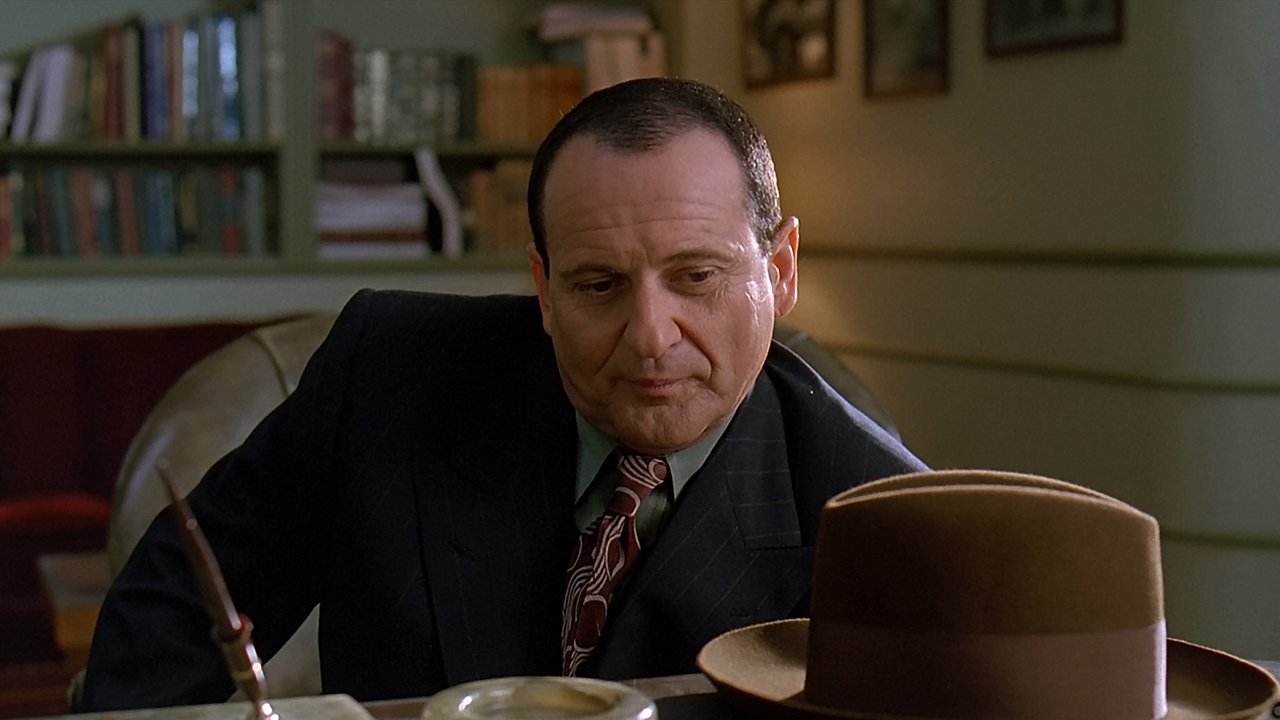
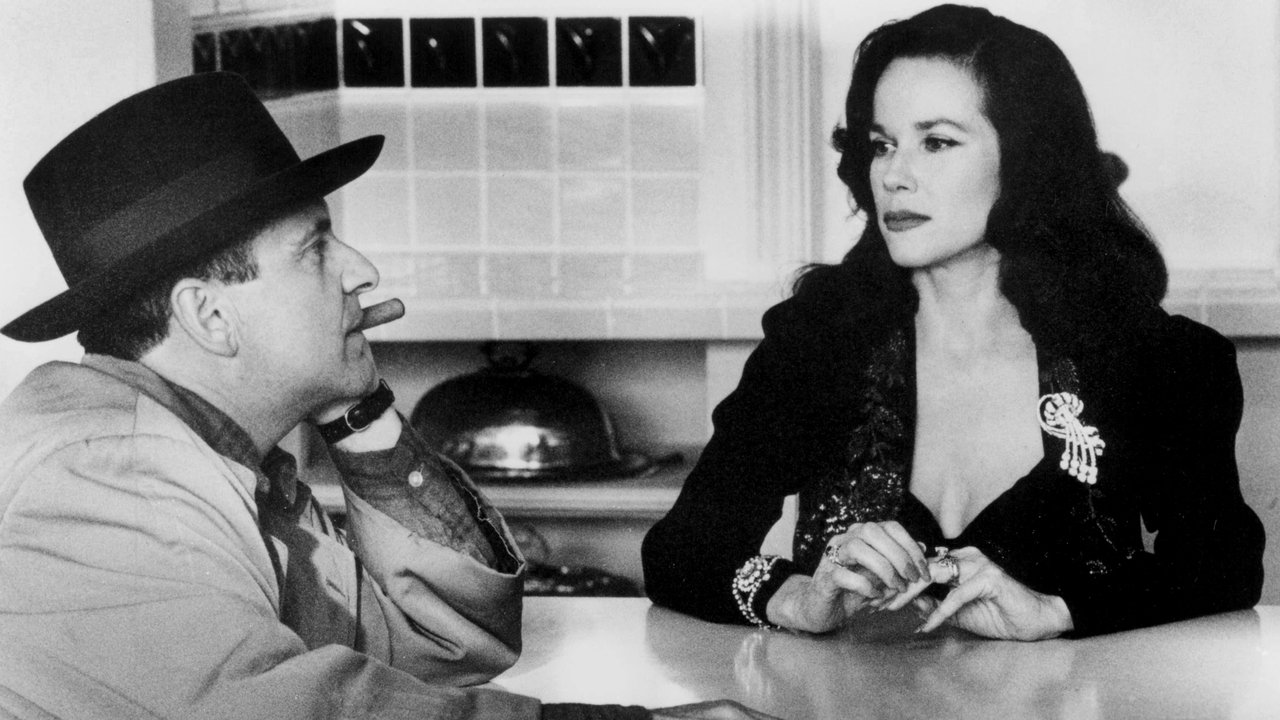
The plot kicks in when Bernzy is approached by Kay Levitz (Barbara Hershey, bringing a fragile glamour reminiscent of her work in films like Hannah and Her Sisters), the sophisticated owner of a high-class nightclub. Her late husband, a mob-connected figure, left her in charge, and now she's being muscled by unseen forces. She hires Bernzy, not for his usual tabloid snaps, but for his discretion and knack for finding things others miss. This pulls him from the periphery into the dangerous center of a conspiracy involving mobsters, rivals, and federal agents, testing his carefully maintained detachment.
### Shadows and Style
What truly elevates The Public Eye beyond a standard mystery is its breathtaking visual style and palpable atmosphere. Director Howard Franklin and acclaimed cinematographer Peter Suschitzky (whose incredible eye shaped films from The Empire Strikes Back to many of David Cronenberg's unsettling masterpieces) conjure a 1940s New York that feels less like a historical recreation and more like a waking dream drenched in noir. The lighting is pure chiaroscuro – deep shadows swallowing alleys, faces half-lit in smoky bars, the glare of streetlights on wet pavement. They achieved this immersive period feel predominantly through practical means, meticulously dressing locations and building sets, a testament to craftsmanship in an era increasingly leaning towards digital solutions. The film had a modest budget of around $15 million, and you can feel the care taken to make every dollar count visually.
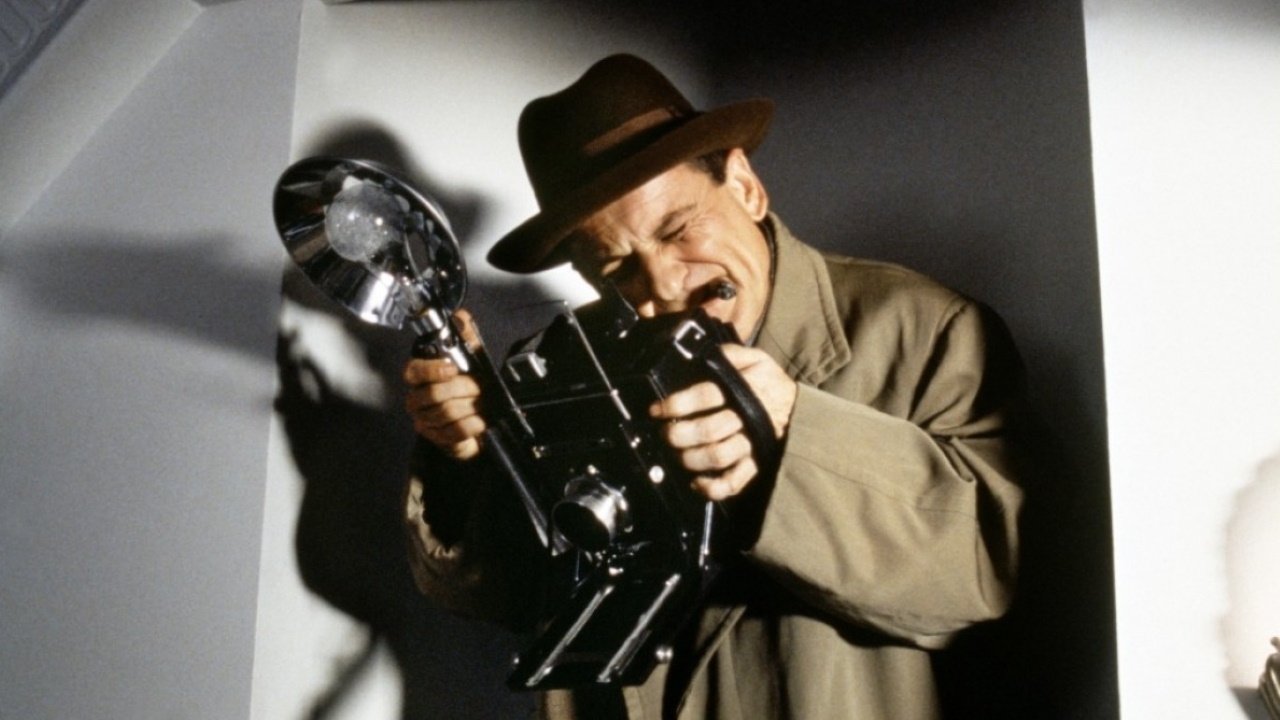
The production design perfectly complements this, from the vintage cars and fashions to Bernzy's beautifully clunky, custom-built Speed Graphic camera, almost a character in itself. It’s a film that feels authentic, drawing you into its specific time and place with remarkable success. The jazz-inflected score by Mark Isham further deepens the melancholic, late-night mood.
### More Than Just a Snapshot
While the central mystery unfolds, the film delves into richer thematic territory. It subtly explores the complex ethics of Bernzy's profession – is he an artist capturing truth, or an exploiter profiting from misery? The film leans towards the former, portraying his work with a sense of integrity, even a strange kind of empathy. There's a poignant scene where he defends his work, arguing that his photos give dignity to the forgotten victims, ensuring their stories aren't just swept away. It also touches on loneliness, the price of observation, and the search for connection in a fractured world. Bernzy’s interactions with Kay offer a glimpse of warmth, a potential escape from his solitary existence, but the film wisely keeps their dynamic complex and tinged with the era’s inherent dangers. Keep an eye out too for an early, sharp performance from Stanley Tucci as one of the underworld figures Bernzy encounters.
Despite its quality, The Public Eye sadly underperformed upon release, grossing only about $3 million. Perhaps audiences weren't ready for this quieter, more contemplative Pesci, or maybe the film’s deliberate pacing and melancholic tone didn't fit the louder trends of the early 90s. It’s a shame, because it’s a beautifully crafted piece of neo-noir storytelling. I remember renting the VHS, drawn in by Pesci’s name, and being utterly captivated by the mood and his unexpected performance. It felt like discovering a secret.
Rating: 8/10
Justification: The Public Eye earns its score through Joe Pesci's brilliantly understated and soulful performance, its stunningly realized noir atmosphere crafted by Howard Franklin and Peter Suschitzky, and its thoughtful exploration of art, ethics, and loneliness. The period detail is meticulous, and the mood is unforgettable. While the central plot might feel a touch familiar to noir aficionados, the execution elevates it considerably. Its primary strength lies in its character study and its visual poetry.
Final Thought: More than just a crime story, The Public Eye is a haunting portrait of an observer caught between the darkness he documents and the faint glimmer of human connection, leaving you with the lingering image of a flashbulb illuminating a hidden truth in the heart of the city. A truly underrated gem well worth tracking down.