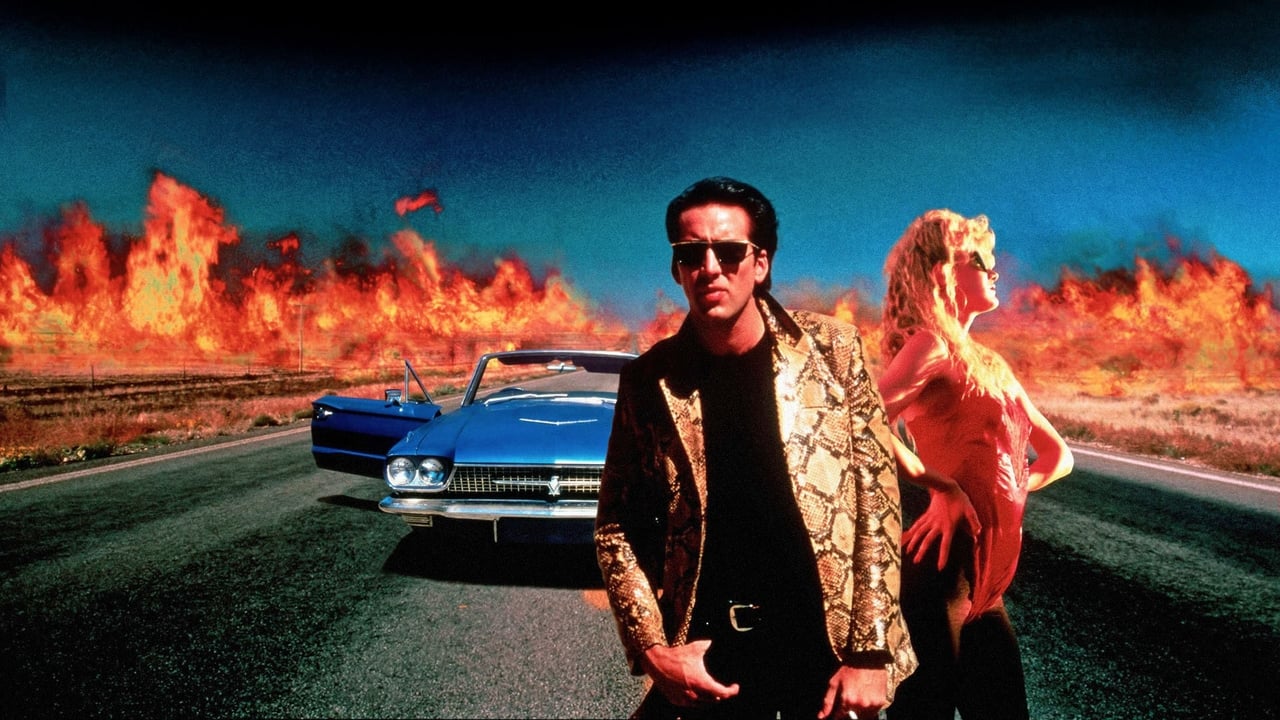
"This whole world's wild at heart and weird on top." Lula Fortune whispers it, maybe trying to convince herself as much as Sailor Ripley, but damn if that line doesn't just stick to David Lynch's feverish 1990 road movie like sweat on a Texas afternoon. Wild at Heart isn't a film you just watch; it’s one you feel deep in your bones, a Molotov cocktail of scorching romance, brutal violence, and pure, uncut Lynchian strangeness, hurled directly at the screen. It’s the kind of film that felt almost dangerous to rent back in the day, tucked away on the shelf, its lurid cover promising something transgressive and unforgettable. And boy, did it deliver.
Burning Down the Road
At its core, it’s simple: Sailor (Nicolas Cage, radiating pure, unhinged charisma in that iconic snakeskin jacket – a symbol of his individuality and personal freedom, which he apparently owned himself) and Lula (Laura Dern, matching him spark for frantic spark) are desperately in love and on the run from Lula’s vengeful, controlling mother, Marietta Fortune (Diane Ladd, in a terrifyingly committed, Oscar-nominated performance). Marietta hires hitmen to track Sailor down, unleashing a rogues' gallery of grotesques into their path. It sounds like standard noir, but filtered through Lynch's singular vision (coming hot off Blue Velvet (1986) and right into the phenomenon of Twin Peaks), it becomes a hallucinatory journey through a hellish American landscape, punctuated by bursts of shocking violence and moments of unexpected tenderness. Remember the sheer visceral impact of that opening scene? The brutal head-bashing set against Powermad's "Slaughterhouse"? It set the tone immediately: this wasn't going to be comfortable.
Weird on Top, Indeed
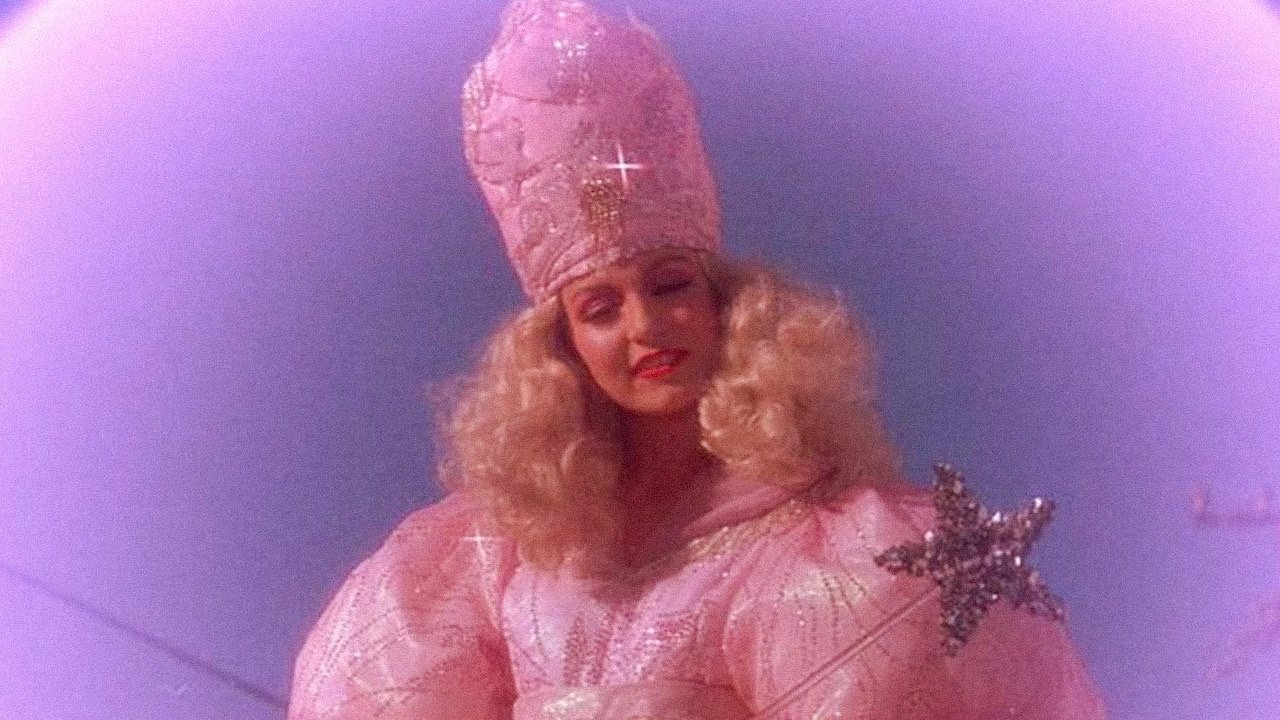
This isn't just a crime thriller; it's a dark fairy tale warped through a funhouse mirror. The constant, almost obsessive references to The Wizard of Oz aren't just Easter eggs; they're integral to the film's DNA. Lula clicks her heels, sees her mother as the Wicked Witch, and longs for the guiding light of Glinda the Good Witch (played with ethereal grace by Sheryl Lee). But in Lynch's world, the yellow brick road is paved with blood, asphalt, and broken dreams. The surreal visions – the recurring image of the car crash, the strange figures lurking at the edges of the frame – create a pervasive sense of unease. It’s a world where logic feels optional, and menace hangs heavy in the humid air, thick as cigar smoke. And speaking of menace... can we talk about Willem Dafoe as Bobby Peru? Those teeth, that leer, the sheer unpredictable slime of his character – it’s a performance that still crawls under the skin. He embodies the film's capacity for sudden, terrifying ugliness, a human oil slick in the middle of Sailor and Lula's desperate escape.
Retro Fun Facts: Cannes Chaos and Snakeskin Commitment
Adapting Barry Gifford's lean, mean novel, Lynch amplified the weirdness and the violence, crafting something uniquely his own. The journey wasn't smooth. The film notoriously divided the audience at the Cannes Film Festival, drawing both boos and cheers before ultimately winning the prestigious Palme d'Or – a testament to its polarizing power. Back home, it faced battles with the MPAA over its violence and sexuality, forcing Lynch to make minor alterations (reportedly adding smoke effects to obscure some head-smashing gore) to avoid the dreaded X rating (it eventually secured an R). It’s rumored Cage performed his own energetic renditions of Elvis Presley hits, fully embracing Sailor's rock 'n' roll spirit, and the budget, a modest $10 million (around $23 million today), likely contributed to the film's gritty, lived-in feel rather than hindering it. The resulting $14.6 million domestic box office might not have set the world alight initially, but its life on VHS cemented Wild at Heart as a quintessential cult classic. I vividly remember the slightly worn tape box feeling like forbidden fruit at the local rental store.
A Love Story in Hell
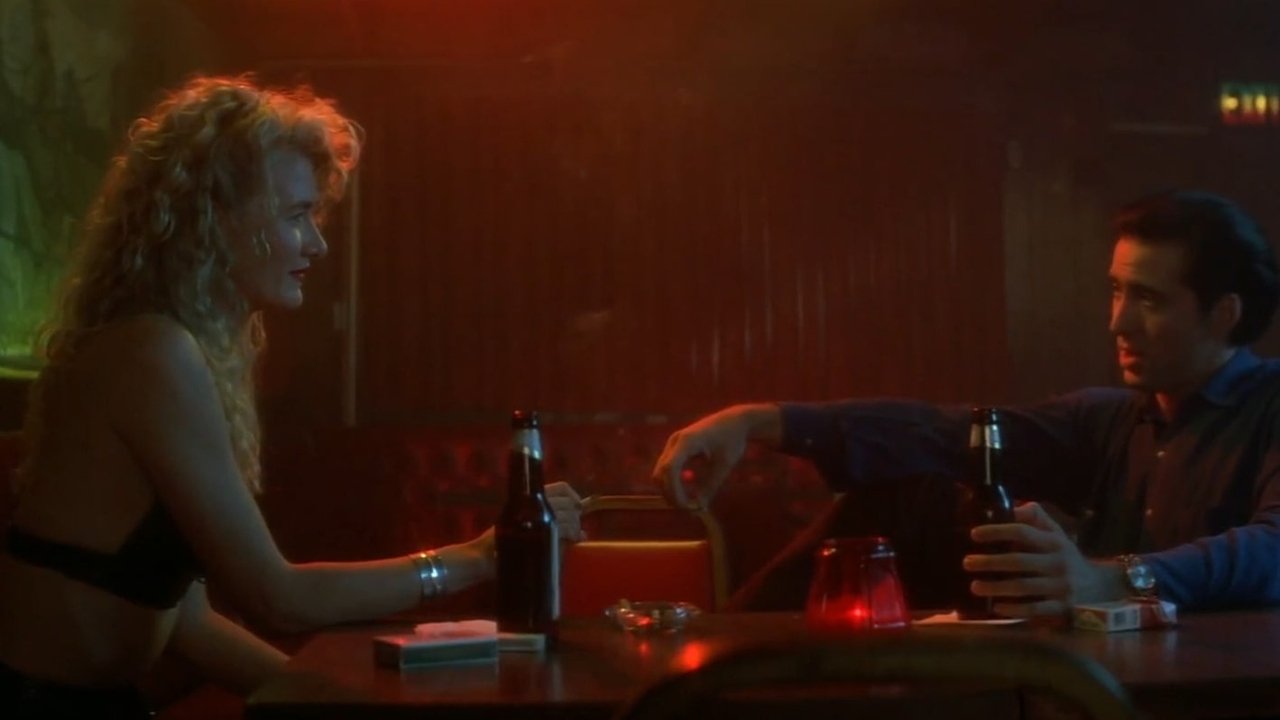
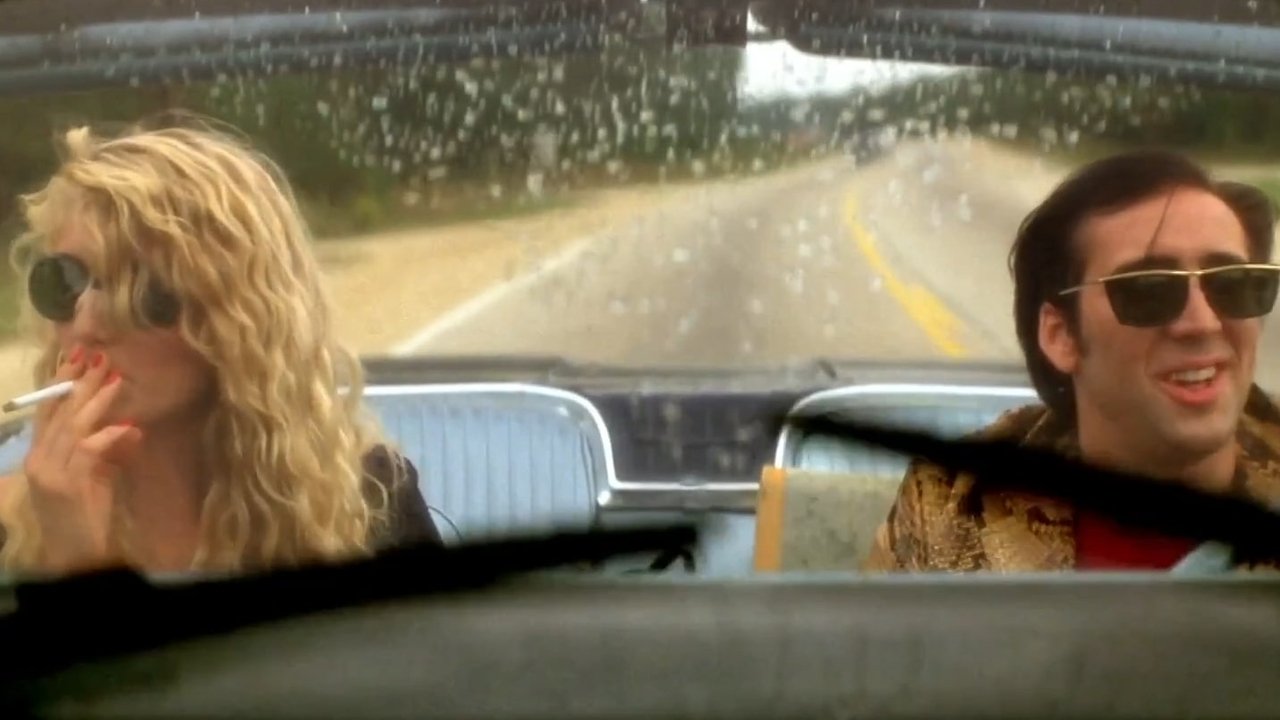
Despite the darkness, the violence, and the parade of creeps (including memorable turns from Isabella Rossellini and Harry Dean Stanton), the film hinges on the fierce, almost elemental love between Sailor and Lula. Their passion is the film's strange, burning heart. Cage and Dern are electric together, their scenes crackling with genuine heat and vulnerability amidst the chaos. You believe in their connection, even when everything around them feels like a nightmare. Doesn't that desperate intensity still feel potent? Their dialogue, often absurd and stylised, somehow lands with emotional weight because they sell it completely.
Rating and Final Thoughts

Wild at Heart is messy, confrontational, sometimes baffling, but always undeniably alive. It’s Lynch unfiltered, a blast furnace of pulp conventions and surrealist art, held together by two powerhouse performances and a core of desperate romance. It’s not for everyone – it certainly wasn’t then, and likely isn’t now – but its raw energy and unforgettable imagery are impossible to shake. The blend of horror, comedy, romance, and road movie tropes feels uniquely potent, a snapshot of American unease filtered through a singular artistic lens. It might leave you exhilarated, disturbed, or just plain confused, but you won't forget the ride.
Rating: 8.5/10 - Justification: While its narrative can feel episodic and its tonal shifts whiplash-inducing, the film's audacious vision, unforgettable performances (especially Cage, Dern, Dafoe, and Ladd), unique atmosphere, and sheer cinematic nerve make it a standout. Its flaws are part of its chaotic charm, contributing to its enduring cult status. It perfectly embodies the kind of bold, risky filmmaking that felt so exciting on VHS.
It remains a potent reminder that sometimes, the most compelling love stories are the ones forged in the strangest fires, a testament to finding beauty even when the whole world seems wild at heart and weird on top.