Okay, let's dim the lights, maybe pop a cold one, and settle in. Remember that particular feel certain films from the early 80s had? Not just the look, but the sound, the pace, the sheer attitude? Few captured that shifting cultural moment – the transition from the gritty 70s to the slicker, more image-conscious decade ahead – quite like Paul Schrader’s American Gigolo (1980). It wasn't just a movie; it felt like a statement, arriving on VHS shelves with a cover that promised style, sex, and maybe a hint of danger. And revisiting it now? It’s a fascinating time capsule, yes, but also a surprisingly resonant exploration of surfaces and the lonely depths they often conceal.
### The Gleam of Empty Spaces
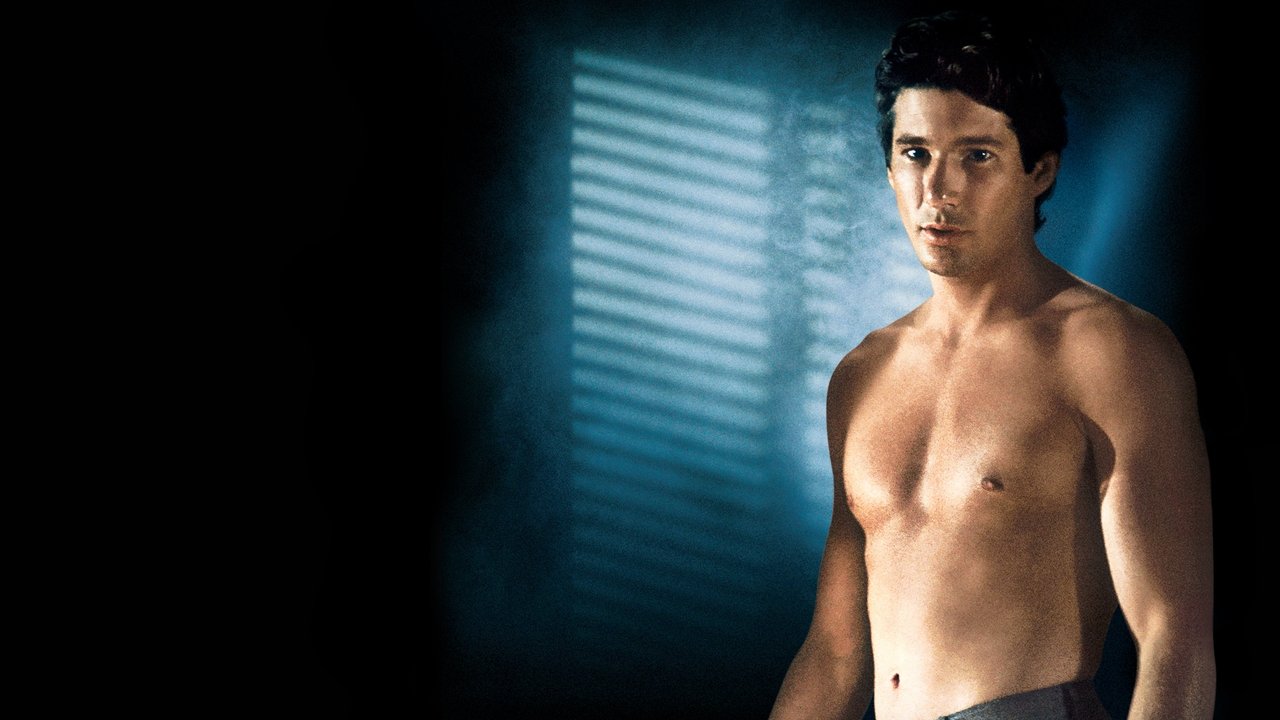
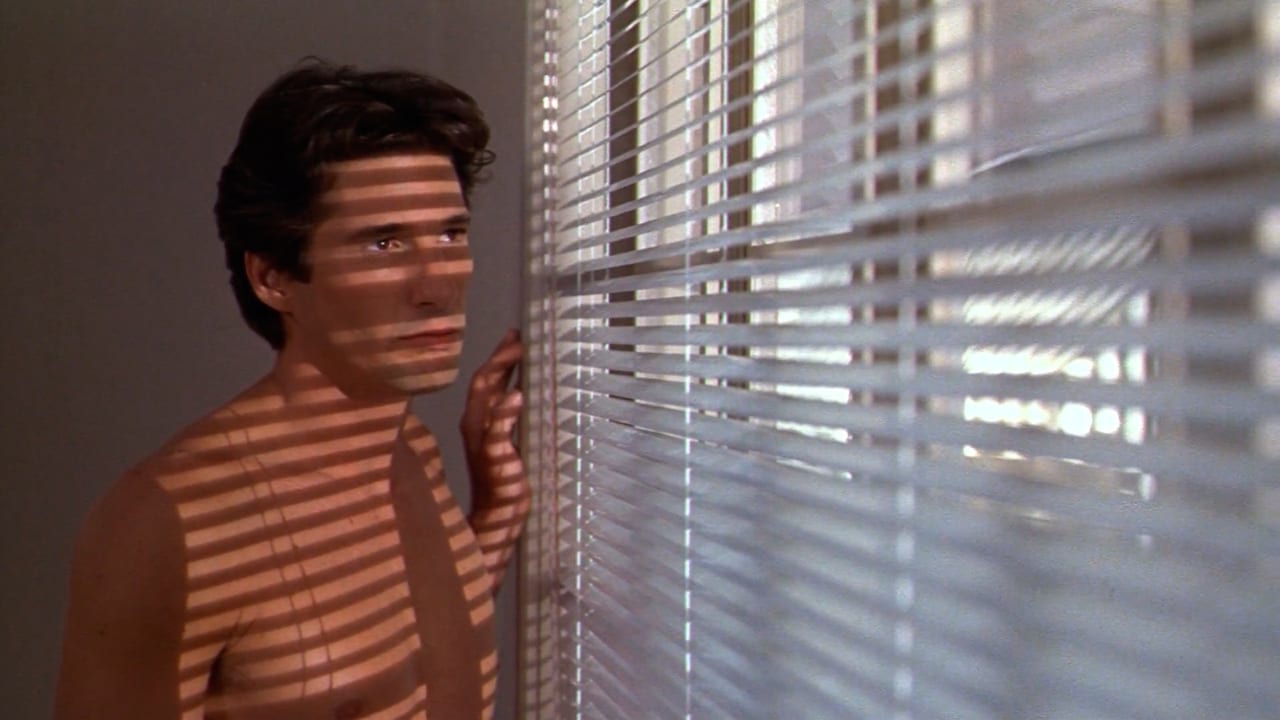
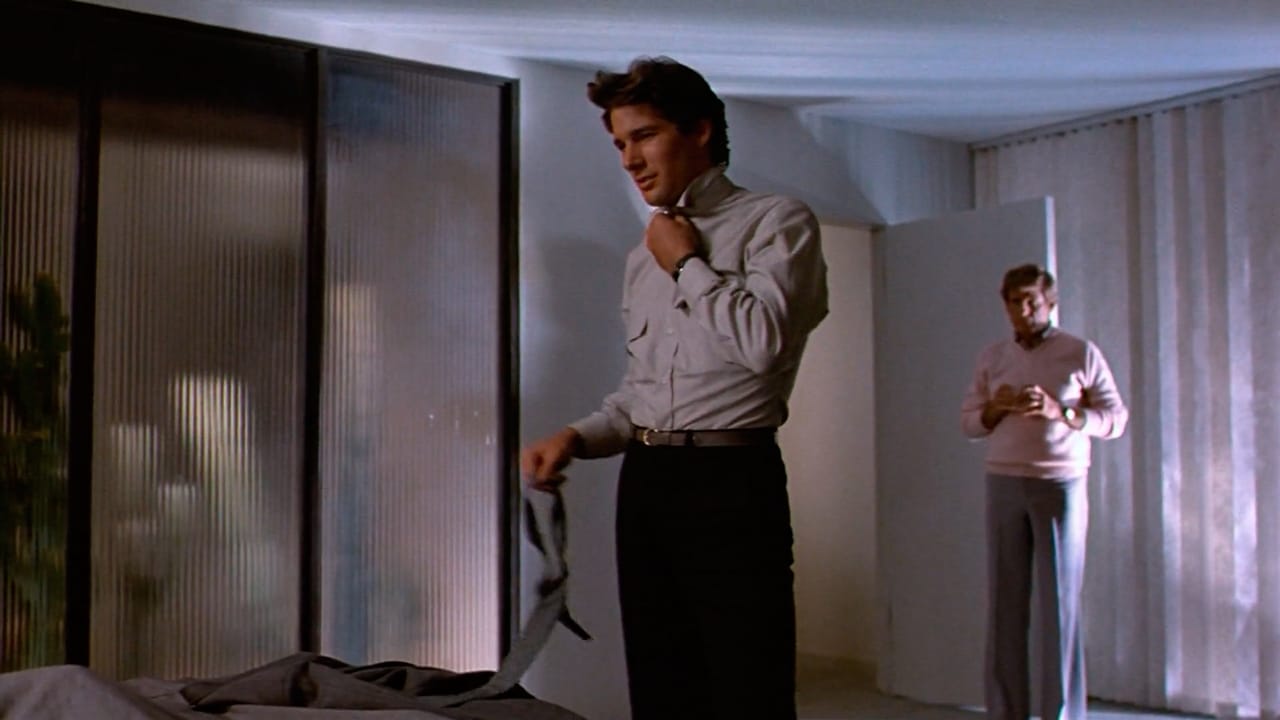
From its opening moments, underscored by the pulsating, instantly iconic synth lines of Giorgio Moroder, American Gigolo establishes a world of curated perfection. Director Paul Schrader, who also penned the sharp script, works with cinematographer John Bailey to paint Los Angeles not as a sun-drenched paradise, but as a landscape of cool, reflective surfaces, high-end apartments that feel more like showrooms than homes, and luxury cars gliding through sterile streets. This isn't the sweaty, desperate city of Schrader’s Taxi Driver (1976) script; this is L.A. as a luxury brand, meticulously designed and presented. And at its center stands Julian Kaye.
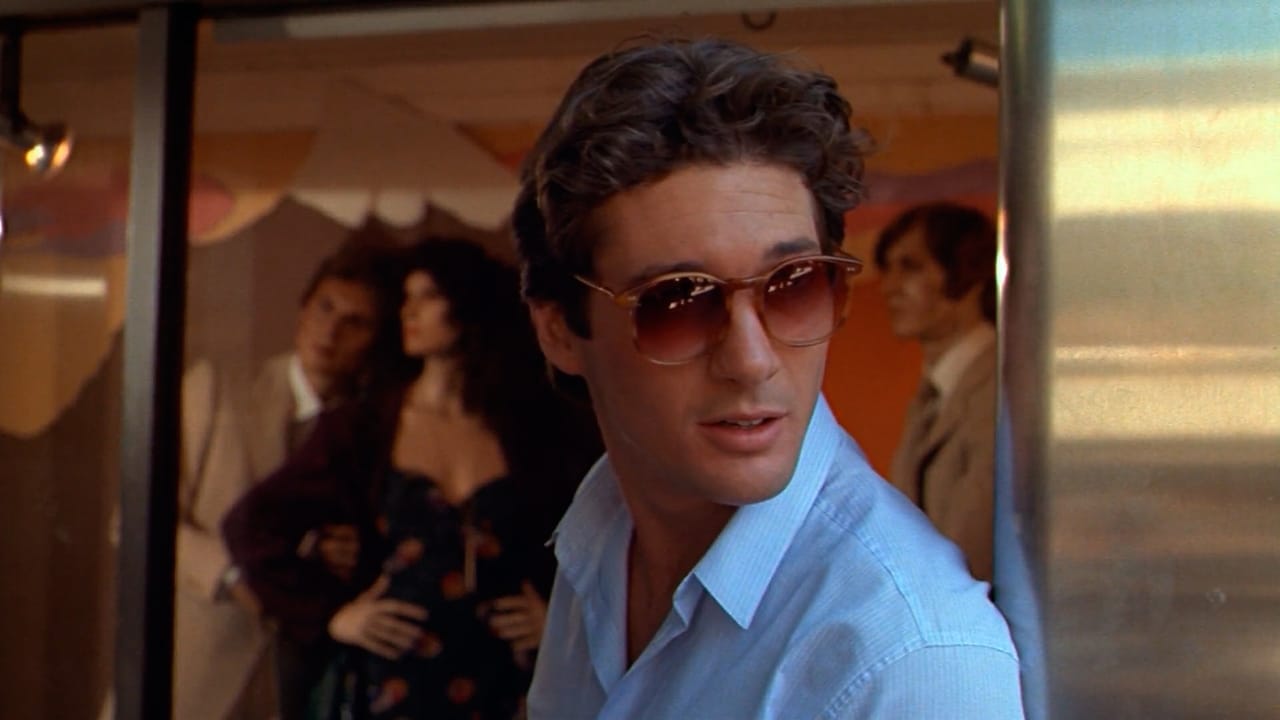
The film’s visual identity is inseparable from its protagonist. Much has been said about the contribution of Giorgio Armani, whose elegant, unstructured suits practically became a character in themselves. It's a legendary piece of film fashion history; Armani wasn't a household name in the US before this, and the film arguably did as much for his brand as it did for its star. This clothing isn't just wardrobe; it’s Julian's armor, his professional uniform, the very definition of his curated existence. We watch him lay out outfits with near-ritualistic care, each choice a deliberate construction of the image he sells. It's a powerful visual metaphor for a man who has commodified himself entirely.
### The Man Who Fell to Earth (in Designer Threads)
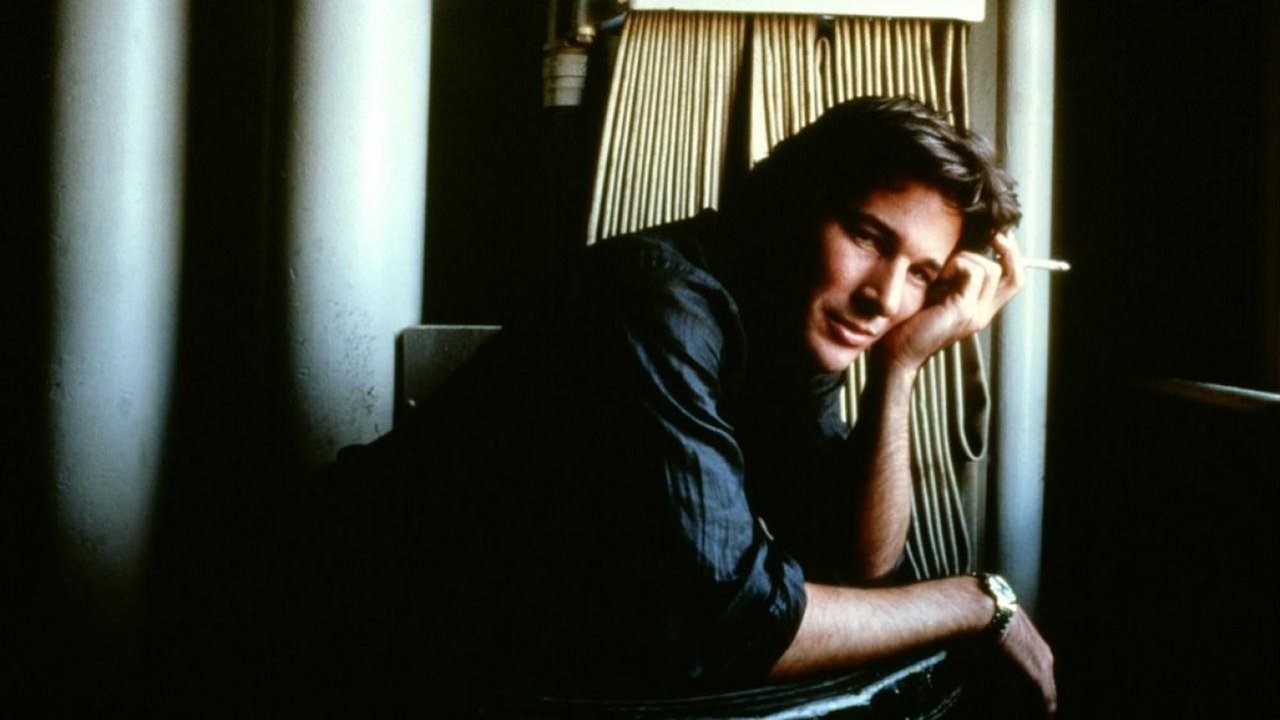
And what an arrival it was for Richard Gere. It’s almost impossible to imagine anyone else in the role now, but famously, John Travolta was originally cast before dropping out, and Christopher Reeve reportedly turned it down. Gere, stepping in, delivered a performance that wasn’t just star-making; it was defining. He embodies Julian Kaye with an astonishing blend of preening narcissism and aching vulnerability. He’s captivating, fluent in multiple languages, attentive, physically perfect – the ultimate object of desire. Yet, beneath the calculated charm, Gere lets us see the cracks: the profound loneliness, the stunted emotional growth, the gnawing emptiness of a life built on transactions. It's a performance of subtle shifts, revealing the frightened boy beneath the polished veneer, especially as his carefully constructed world begins to crumble around him when he becomes entangled in a murder investigation.
Paul Schrader, known for his fascination with alienated, existential protagonists wrestling with their demons (Light Sleeper (1992) would later explore similar terrain), crafts Julian not simply as a male prostitute, but as a symbol of a certain kind of modern malaise. Is he a predator? A victim of his own past? Or merely a reflection of a society increasingly obsessed with image over substance? The film doesn't offer easy answers, forcing us to confront the uncomfortable ambiguities of his character.
### Soundtracking Solitude
You simply cannot talk about American Gigolo without mentioning Giorgio Moroder's score and, of course, Blondie's "Call Me." The music isn't just background; it is the film's pulse. Moroder, the synth pioneer who defined so much of the era's sound, created something sleek, driving, and yet melancholic. It perfectly mirrors Julian’s existence – outwardly energetic and stylish, inwardly detached and searching. And "Call Me"? A chart-topping smash, it became synonymous with the film. Interestingly, Schrader initially approached Stevie Nicks to write the main theme, but contractual issues prevented it. Moroder then crafted the music and asked Debbie Harry to provide lyrics and melody, resulting in one of the most iconic movie themes ever – a perfect blend of rock energy and synth-pop cool that captured the film's edgy allure. It still sounds incredible today.
### Supporting Structures
While Gere dominates, the supporting cast provides crucial anchors. Lauren Hutton as Michelle Stratton, the senator's wife who finds herself drawn to Julian, offers a potential path to genuine connection, though their relationship is fraught with its own complexities and power dynamics. Hutton brings a mature grace and quiet longing to the role. And then there’s Hector Elizondo as Detective Sunday, the investigating officer who sees through Julian's facade. Elizondo plays him not as a standard hard-nosed cop, but as a weary, intelligent observer, almost a moral compass in this world of shifting ethics. His scenes with Gere are quiet duels of observation and guardedness.
### A Tape Worth Rewinding?
Watching American Gigolo on VHS back in the day felt like accessing something sophisticated, maybe even a little dangerous. The stark cover art, Gere's intense gaze – it promised an adult drama that was miles away from the blockbusters sharing the rental shelf. I remember the distinct feel of the tape, the hum of the VCR – it was part of the ritual. Revisiting it now, the deliberate pacing might test some viewers accustomed to faster cuts, but it’s essential to the film’s mood, allowing us to sink into Julian’s meticulously crafted, yet ultimately suffocating, world.
The film wasn't a massive box office phenomenon ($22.7 million domestic on a $4.8 million budget), but its cultural impact far outweighed its ticket sales, influencing fashion, music, and film aesthetics. Its exploration of masculinity, class, and the commodification of intimacy feels remarkably prescient. Even the recent Showtime series adaptation serves as a testament to the original's enduring fascination.
Rating: 8.5/10
Why this rating? American Gigolo earns its score through its sheer, undeniable style, Richard Gere's career-defining performance, Paul Schrader's confident and challenging direction, and that unforgettable Moroder/Blondie soundtrack. It's a film where every element – visuals, music, performance, theme – works in near-perfect synthesis. While its pacing is deliberate and its tone coolly detached, these are intentional choices that serve the film's core ideas. It’s a landmark of early 80s cinema, a stylish noir that probes uncomfortable questions about identity and connection in a material world.
It leaves you pondering the price of perfection and the chilling realization that sometimes the most luxurious surfaces hide the most profound emptiness. What truly lingers isn't just the fashion or the music, but the haunting image of a man trapped within the very image he meticulously created.