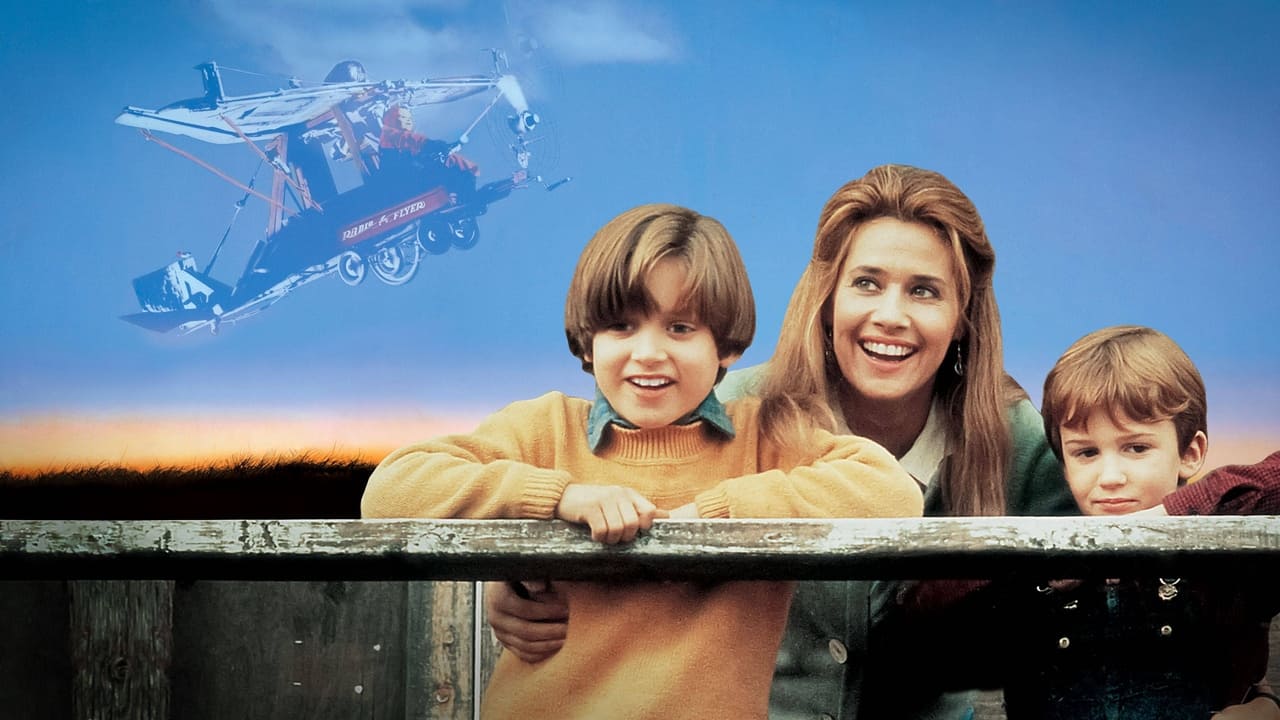
It’s a curious thing, looking back through the aisles of memory, isn't it? When you think of director Richard Donner in the late 80s and early 90s, your mind likely conjures images of Riggs and Murtaugh’s explosive partnership in the Lethal Weapon series (1987-1998), or perhaps the swashbuckling adventure of The Goonies (1985). So, stumbling across the VHS box for Radio Flyer back in 1992, bearing his name, felt... different. The artwork, often featuring two young boys and that iconic red wagon, hinted at childhood adventure, maybe something akin to E.T. But the film itself? It was something else entirely – a complex, often unsettling blend of youthful fantasy and harrowing reality that lingers long after the tape clicks off.
Whispers of Trouble in a Sun-Drenched Suburbia
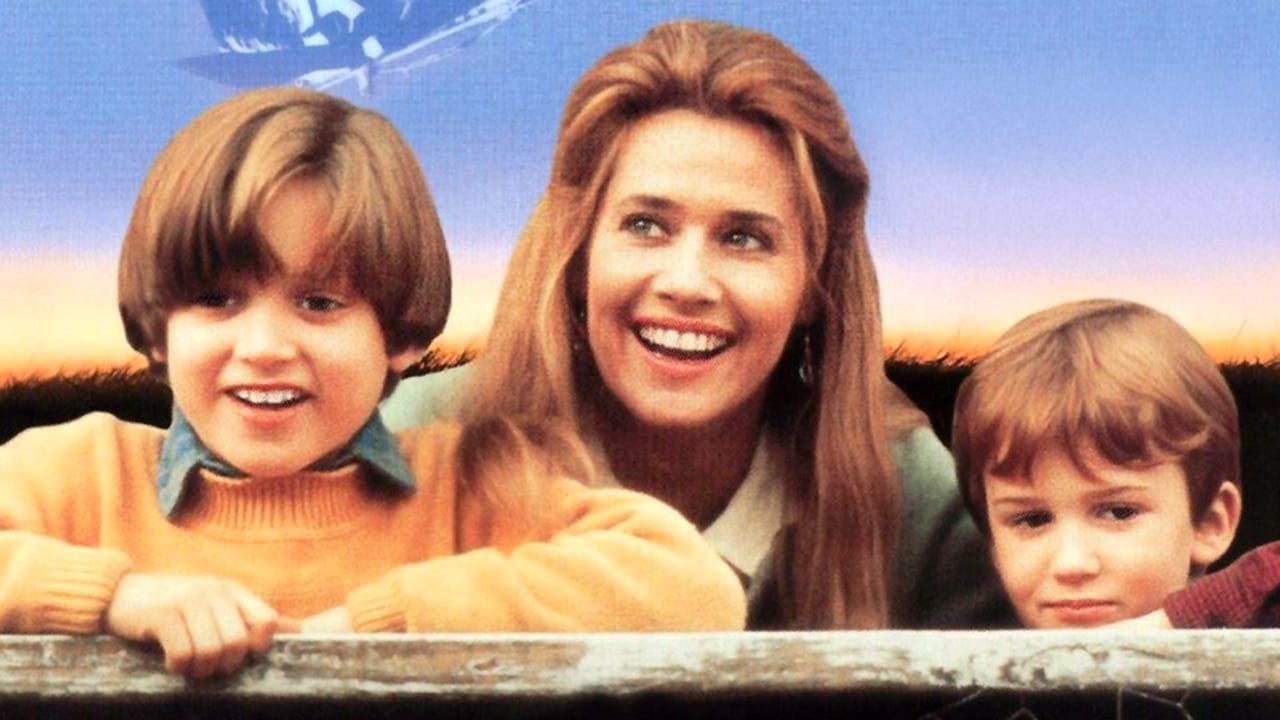
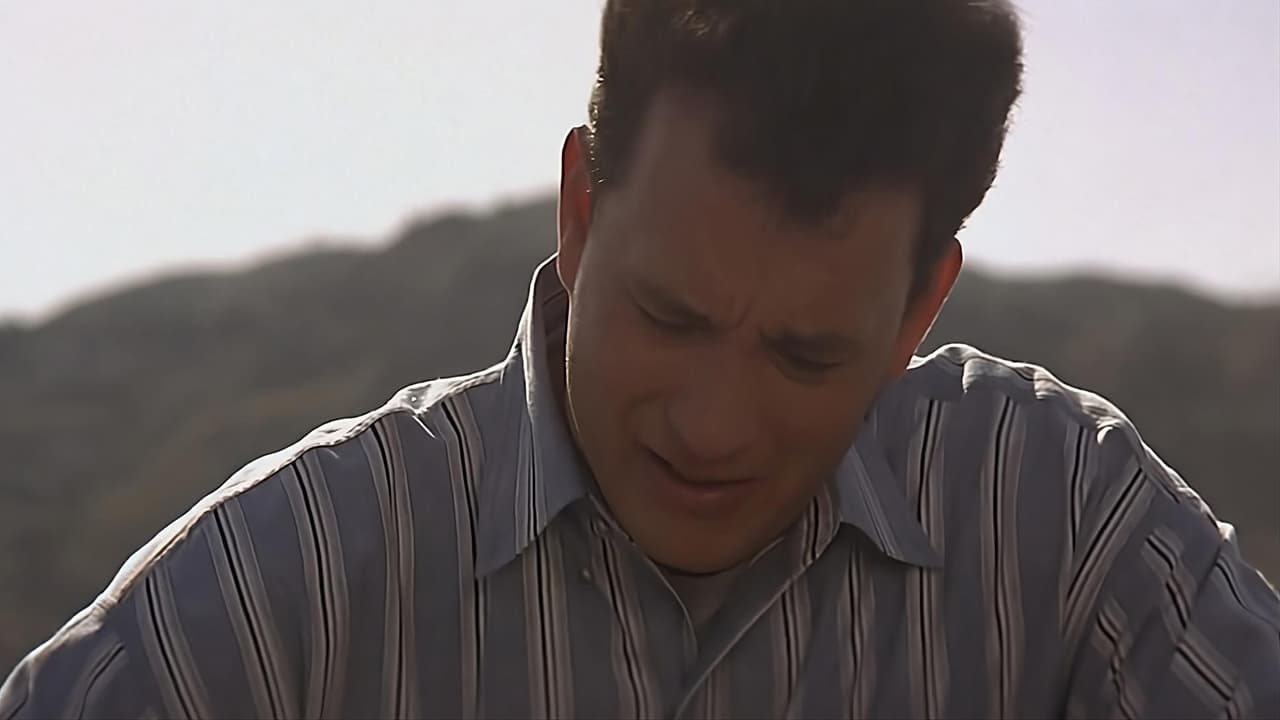
Radio Flyer introduces us to Mike (narrated by Tom Hanks as an adult) reflecting on a pivotal summer with his younger brother, Bobby. Played with astonishing vulnerability by a young Elijah Wood (Mike) and Joseph Mazzello (Bobby), the boys move to a new town in California with their loving but struggling mother, Mary (Lorraine Bracco, fresh off her powerhouse performance in Goodfellas (1990)). Their hope for a fresh start is quickly poisoned by the arrival of their new stepfather, "The King," portrayed with chilling menace by John Heard. The King’s reign is one of unpredictable anger and terrifying physical abuse, directed primarily at little Bobby.
The film's core lies in the brothers' response to this nightmare. Unable to truly escape their situation, they retreat into imagination, spurred on by the local legend of a boy who tried to fly. Their plan becomes clear: modify their simple Radio Flyer wagon into a makeshift airplane, a vessel fueled by childhood ingenuity and desperate hope, aiming to carry Bobby far away from the reach of The King.
Navigating Turbulent Tones
This is where Radio Flyer becomes such a fascinating, if deeply uncomfortable, watch. Donner attempts to navigate the razor’s edge between the escapist, almost magical-realist sequences of the boys tinkering with their wagon and dreaming of flight, and the stark, brutal reality of the abuse happening behind closed doors. Does it always succeed? That’s the question that likely divided audiences then and continues to spark debate now. The shifts can feel jarring, pulling the viewer from moments of genuine wonder (often beautifully shot by cinematographer Miroslav Ondříček, known for Amadeus (1984)) straight into scenes radiating palpable fear and dread.
The film famously had a troubled production. Original writer David Mickey Evans was initially set to direct, but was replaced early on by the studio, with Richard Donner stepping in. It’s rumored that Evans' original script was even darker, and Donner attempted to find a way to make the heavy subject matter palatable, perhaps leading to some of the tonal inconsistencies. This difficult balancing act likely contributed to the film's struggle at the box office; despite a hefty budget reported around $35 million (roughly $76 million today), it earned back only a fraction of that, pulling in about $4.6 million (around $10 million today). It simply wasn't the film audiences expected, especially from Donner. Interestingly, David Mickey Evans would find enormous success the very next year directing The Sandlot (1993), a far more straightforward and beloved ode to childhood nostalgia.
Childhood Under Siege: The Performances
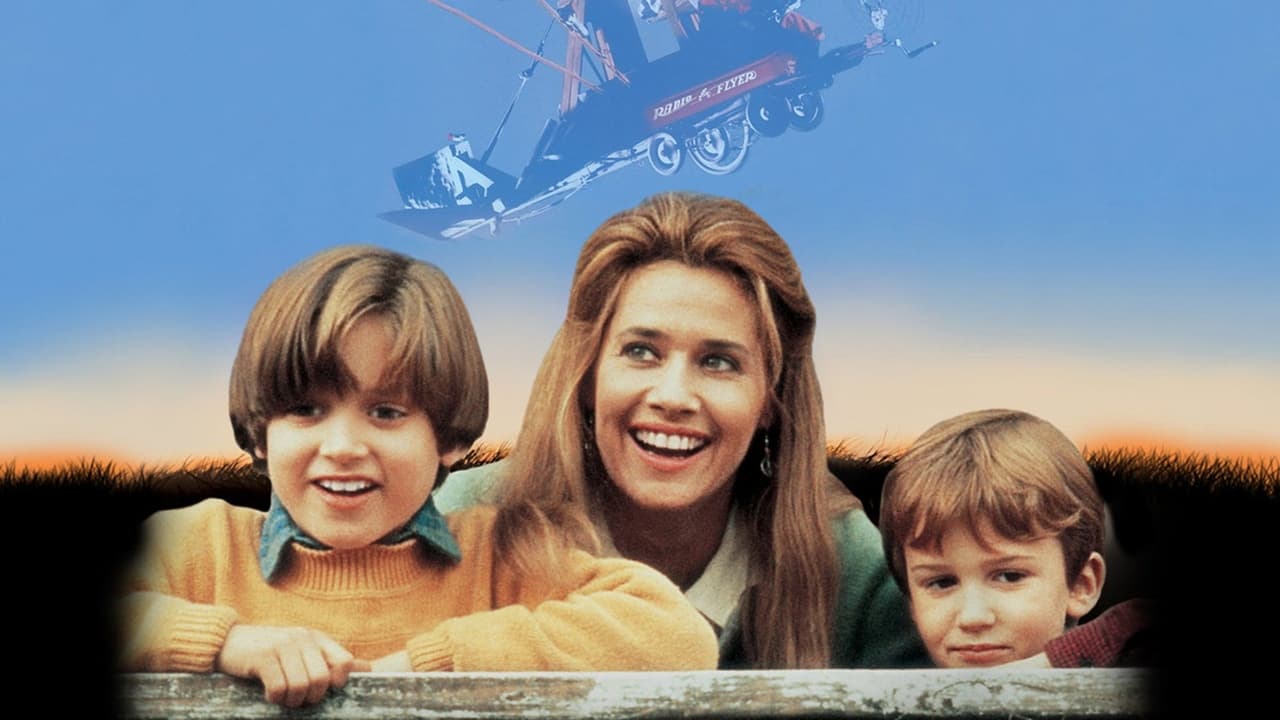
Despite any narrative unevenness, the performances, particularly from the young leads, are undeniable highlights. Elijah Wood and Joseph Mazzello deliver turns of remarkable depth and authenticity. Wood, as the protective older brother, carries the weight of the world on his small shoulders, his eyes conveying a maturity beyond his years. Mazzello captures Bobby’s fragility and terror with heartbreaking conviction. Their bond feels utterly real, the anchor that keeps the audience invested even through the most difficult moments.
Lorraine Bracco is compelling as a mother blinded by hope and perhaps denial, struggling to see the monster she’s welcomed into her home until it's almost too late. And John Heard, often known for more affable roles (like the dad in Home Alone (1990)), is truly terrifying as The King. He embodies the insidious nature of abusers – charming one moment, monstrous the next – making the threat feel constant and unpredictable.
A Flawed Flight Worth Remembering?
So, what lingers after revisiting Radio Flyer on worn-out magnetic tape? It's not an easy film. It tackles themes of child abuse with a directness that was rare for mainstream cinema at the time, especially wrapped in the guise of a family film. The central metaphor – using imagination and ingenuity to literally fly away from trauma – is powerful, yet its execution, particularly the ambiguous ending (Spoiler Alert! Does Bobby actually escape, or is his flight a tragic metaphor for something else?), leaves the viewer wrestling with profound sadness and unanswered questions.
Did the attempt to soften the harsh reality with fantasy sequences dilute the impact, or did it make the unbearable bearable? There’s no simple answer. It's a film that prompts reflection on how we process trauma, the power of sibling bonds, and the desperate measures children take to survive unimaginable circumstances. It might not be a "feel-good" movie, certainly not the escapist adventure the title and wagon might suggest, but its ambition and the raw honesty of its young performers make it a significant, if flawed, piece of 90s cinema. It’s one of those tapes you might have rented, perhaps been confused or disturbed by, but likely never forgot.
Rating: 6/10
Radio Flyer earns its rating through the sheer power of its central child performances and its bold, albeit uneven, attempt to confront horrific subject matter through a lens of childhood fantasy. The tonal inconsistencies and troubled production history undeniably hold it back from greatness, preventing it from fully realizing its ambitious premise. Yet, its unsettling atmosphere and the questions it raises about hope and escape in the face of abuse grant it a haunting resonance.
It remains a challenging artifact of the VHS era – a film that dared to package profound darkness within a familiar red wagon, leaving you to ponder the impossible flights we sometimes need to imagine just to survive.