It starts with a feeling, doesn't it? A sense of unease mixed with a strange kind of wonder. That’s the curious space that Fluke, the 1995 fantasy-drama, occupies. It presents a premise that sounds almost like whimsical family fare – a man reincarnated as a dog – but delves into waters far murkier and more poignant than your average talking animal flick. I remember picking up that distinctive VHS box, perhaps expecting something lighter, only to find myself grappling with unexpectedly complex emotions long after the tape clicked off.

A Familiar Face, A Different Soul
The setup is deceptively simple: Thomas Johnson (Matthew Modine), a driven businessman consumed by work, dies suddenly in a car crash. His consciousness, however, doesn't fade. Instead, he awakens as a newborn puppy, utterly bewildered. We follow his journey from stray pup to the cherished pet "Fluke," gradually piecing together fragmented memories of his human past. The core of the narrative lies in his desperate, instinct-driven quest to find the family he left behind – his grieving wife Carol (Nancy Travis) and young son Brian (Max Pomeranc) – and perhaps understand the circumstances surrounding his death, particularly involving his former business partner and friend, Jeff (Eric Stoltz). It's a journey fraught with peril, confusion, and moments of startling clarity.
More Than Just a Voice
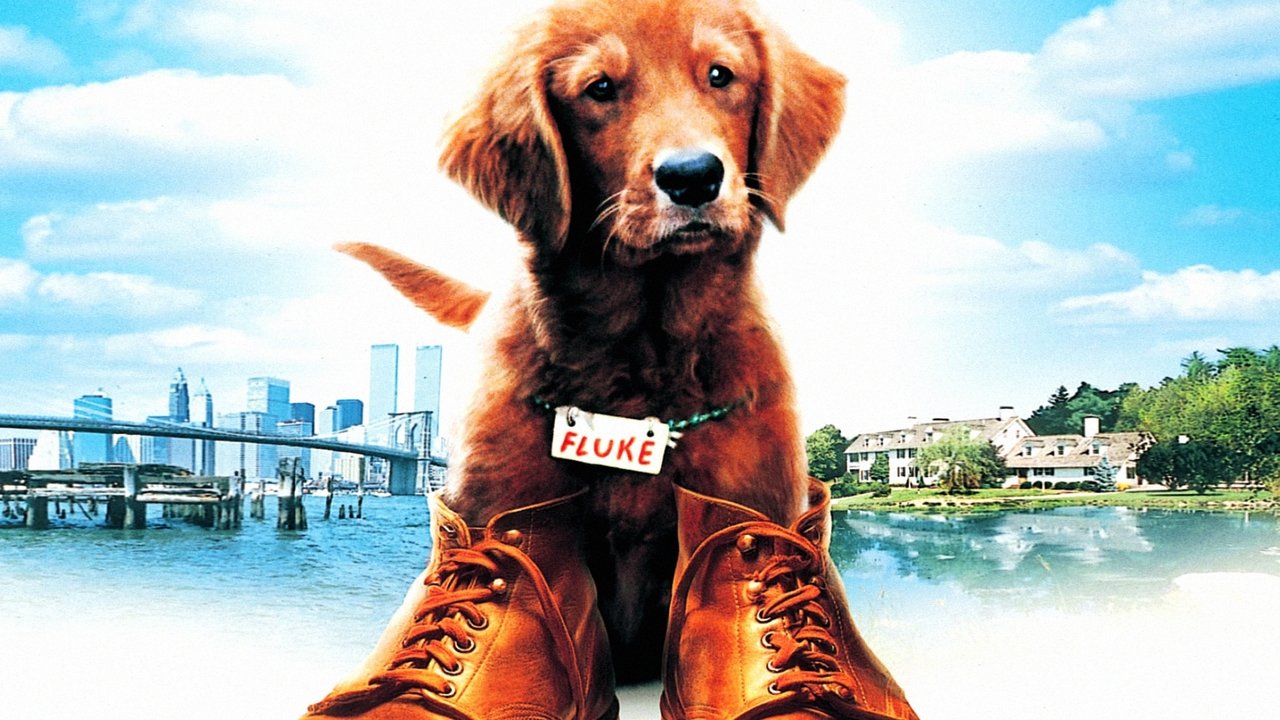
What elevates Fluke beyond its potentially goofy premise is the earnestness of its execution, particularly Matthew Modine's voice performance. He imbues the titular dog with a profound sense of loss, confusion, and yearning. It's not just a funny voice coming out of a dog; it’s the sound of a human soul trapped, wrestling with memories and instincts he doesn't fully comprehend. This internal monologue carries the film's emotional weight, making Fluke's plight genuinely affecting. We feel his frustration, his dawning recognition, his protective love for the family he can no longer directly communicate with. It's a remarkably grounded performance for such a fantastical concept. Supporting voice work, notably from Samuel L. Jackson as the street-wise stray Rumbo who offers Fluke crucial survival lessons, adds further texture and a touch of gritty reality to the animal world.
Horror Roots and Heartfelt Strangeness
Perhaps the film's unique, slightly melancholic flavour stems from its source material. It might surprise some to learn that the novel Fluke was penned by none other than British horror master James Herbert, famous for chilling readers with works like The Rats and The Fog. While the film softens the novel's bleaker edges considerably, that underlying sense of unease, of something profound and slightly unsettling occurring beneath the surface of everyday life, lingers. Directed and co-written by Italian filmmaker Carlo Carlei (making his American debut), the film tries to bridge this gap between Herbert's darker sensibilities and the demands of a PG-rated family picture. This might explain why Fluke sometimes feels tonally uncertain, occasionally dipping into sentimentality while also touching on grief, suspicion, and mortality with surprising directness. This unique blend likely contributed to its struggle at the box office; despite Modine's star power and a premise that could have skewed younger, it reportedly only grossed around $4 million domestically against its estimated $15 million budget, perhaps proving too strange or somber for the broad family audience it seemed to court.


The Canine Star and 90s Feel
Of course, much of the film rests on the furry shoulders of its canine actors, primarily the Golden Retriever known as Comet (already a familiar face from TV's Full House). Bringing Fluke's dawning awareness and complex reactions to life was no small feat in the mid-90s, relying on skilled animal training, clever editing, and perspective shots rather than pervasive CGI. There's a tangible quality to Fluke's performance that holds up; you believe in his presence and reactions, which is crucial for the film's emotional core. Visually, the film is steeped in that specific mid-90s aesthetic – the suburban settings, the fashion, the overall look – which adds another layer of nostalgic warmth for viewers revisiting it today. The memory sequences, often triggered by scent or sight, are handled effectively, conveying Thomas's returning consciousness without feeling overly jarring.
A Second Chance to Connect?
Ultimately, Fluke is a film about connection, regret, and the idea of second chances, albeit in a highly unusual form. It asks us to consider what truly matters – career ambition or family bonds? Does love transcend even the barrier between species, between life and death? While it occasionally stumbles, resorting to convenient plot points or moments that tug a little too insistently at the heartstrings, its central emotional journey resonates. There's a sincerity to its exploration of grief and the enduring power of memory that sticks with you. What does it mean to truly see the ones we love, and what would we give for one more chance to connect?
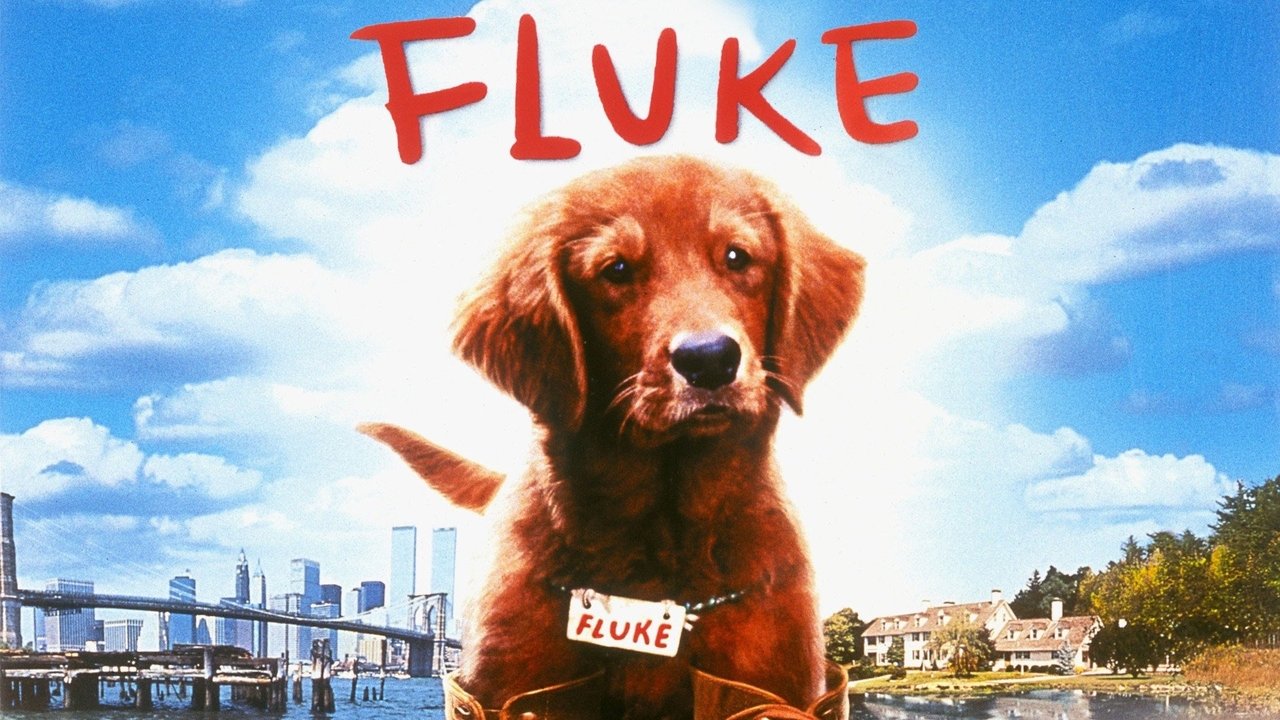
Fluke isn't a perfect film. It walks a precarious tightrope between heartfelt family drama and slightly bizarre reincarnation fantasy, sometimes losing its balance. Yet, its earnest performances, particularly Modine's soulful voice work, and its willingness to engage with deeper themes beneath the talking-dog surface make it a memorable, if peculiar, entry in the 90s VHS canon. It possessed a certain magic, an odd charm that made it a standout rental for those seeking something a little different.
Rating: 6/10 - This score reflects the film's genuine heart and unique premise, anchored by strong voice acting, particularly from Matthew Modine. However, it's held back by occasional tonal inconsistencies and moments where the sentimentality feels forced rather than earned. It’s a fascinating, flawed gem.
Its strangeness is precisely what makes Fluke linger – a peculiar, melancholic fable about love and loss, told from the most unexpected perspective, leaving you pondering the invisible threads that connect us all.