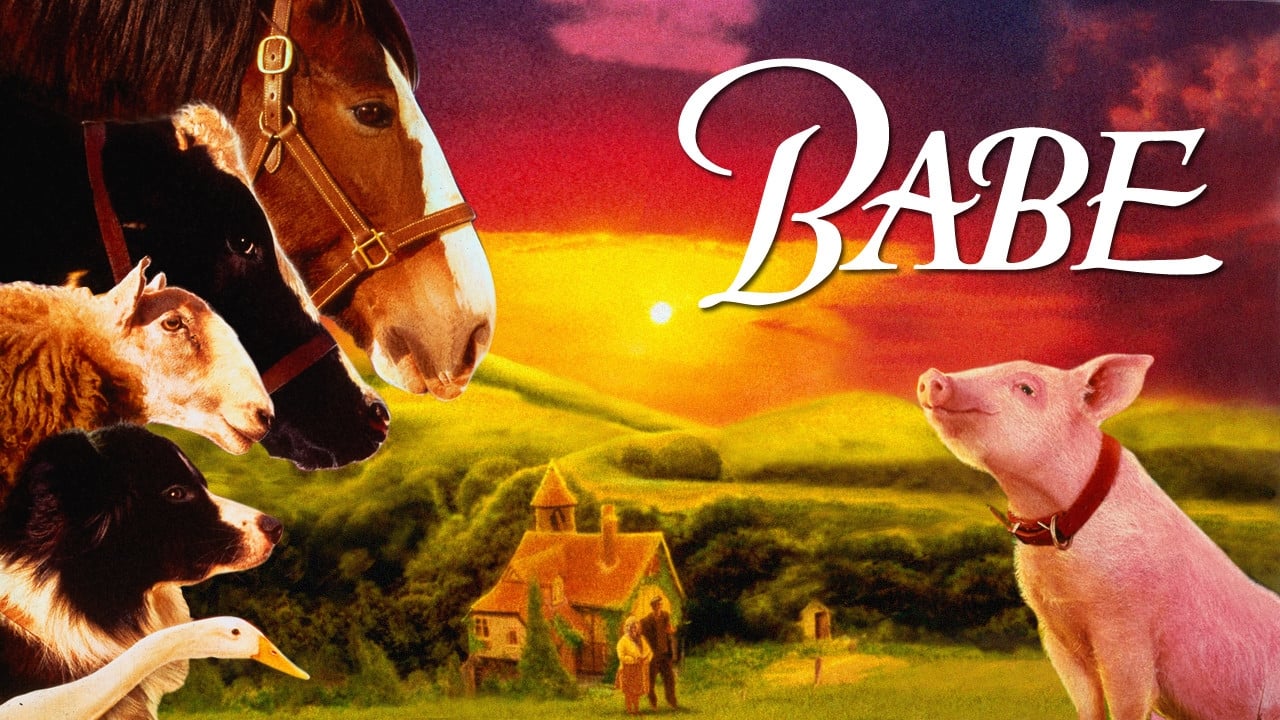
It arrived like a gentle breeze, a quiet film about a talking pig that somehow, against all odds, became a global phenomenon and a touchstone of 90s cinema. Babe (1995) wasn’t loud or brash; it didn't rely on explosions or frantic pacing. Instead, it offered something far more profound: a simple story told with extraordinary heart, technical brilliance, and a belief in the quiet power of kindness. For many of us settling down in front of the TV, perhaps after persuading parents at the video store that a talking pig movie was worth the rental, Babe felt like discovering a secret, magical world hidden within the familiar shape of a VHS tape.
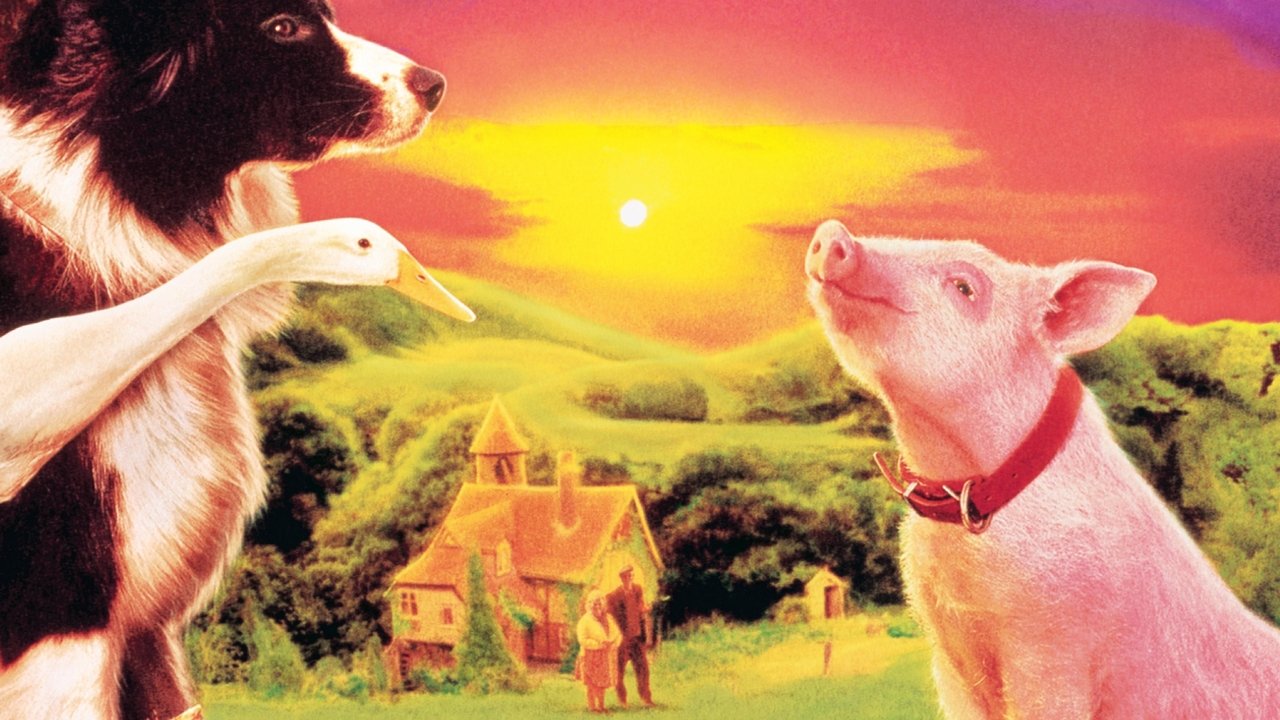
Welcome to Hoggett Farm
Based on Dick King-Smith's charming children's novel "The Sheep-Pig," the film introduces us to Babe, an orphaned piglet won by the stoic Farmer Hoggett (James Cromwell) at a country fair. Arriving at the bustling, hierarchical farm, Babe finds an unlikely mentor in Fly, the kindly border collie, and navigates a complex social structure populated by cynical ducks, snobbish sheep, and a perpetually flustered Mrs. Hoggett (Magda Szubanski, utterly brilliant). Directed by Chris Noonan and co-written and produced by none other than George Miller – yes, the same George Miller who gave us the high-octane chaos of Mad Max – the film immediately establishes a unique, storybook atmosphere. It's a world both idyllic and tinged with the melancholy reality of farm life, rendered with painterly cinematography that makes Hoggett's farm feel like a place lost in time.
The Magic Behind the Oink
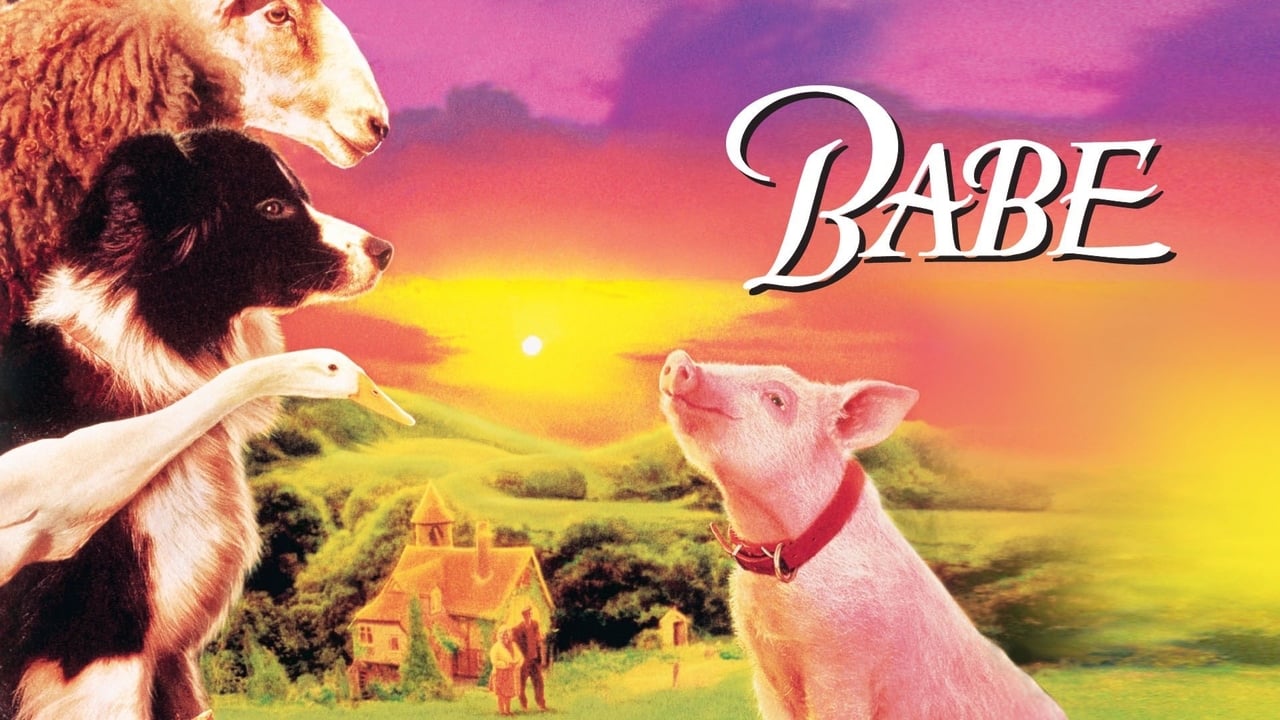
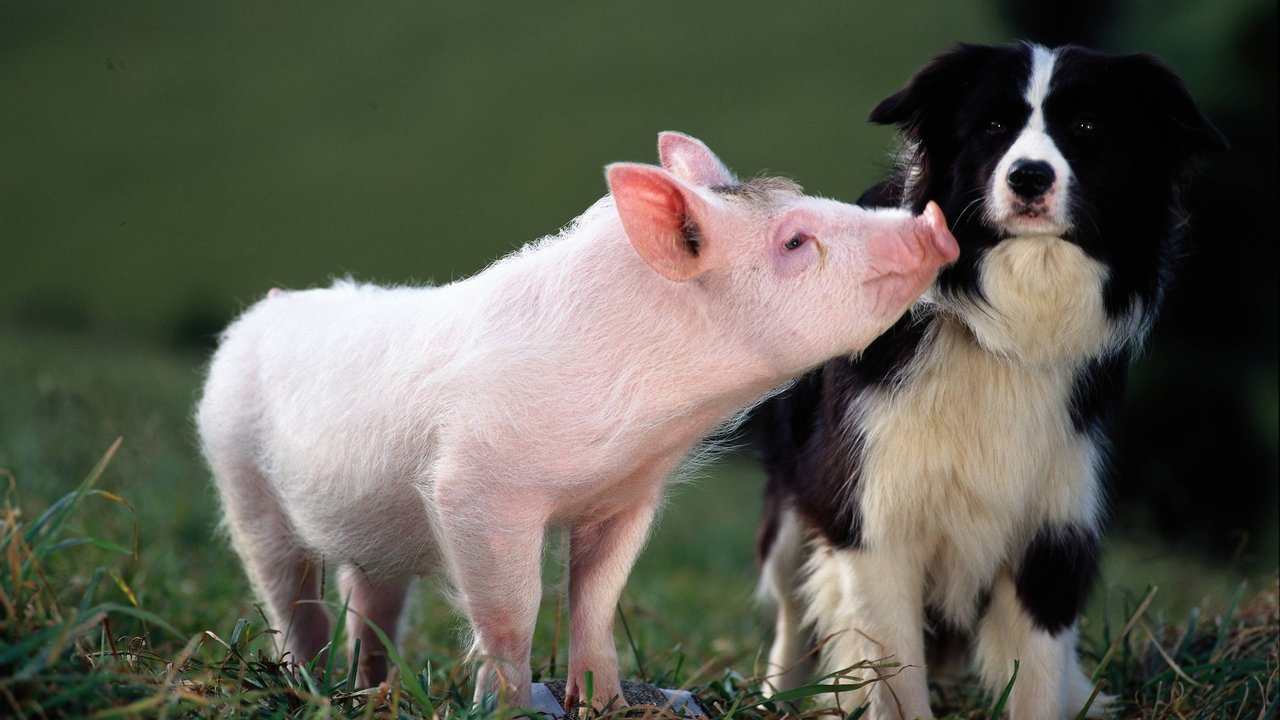
Let's talk about the animals, because back in '95, the way Babe brought its barnyard cast to life felt like pure sorcery flickering on our CRT screens. This wasn't just rudimentary lip-flapping; it was a seamless blend of real, highly trained animals, stunningly lifelike animatronics from the legendary Jim Henson's Creature Shop, and subtle computer-generated effects. The technical achievement was groundbreaking, earning the film a well-deserved Academy Award for Best Visual Effects. It's easy to forget just how revolutionary this felt – animals expressing nuanced emotion without breaking the pastoral spell. Reportedly, due to the rapid growth of piglets, nearly 50 different Large White Yorkshire pigs played the titular role! This behind-the-scenes fact only adds to the movie magic; the consistency achieved is a testament to the filmmakers' dedication. The voice cast, led by the irreplaceable Christine Cavanaugh (whose distinct voice also brought Chuckie Finster from Rugrats to life), imbued the characters with personality without ever tipping into caricature.
More Than Just Talking Animals
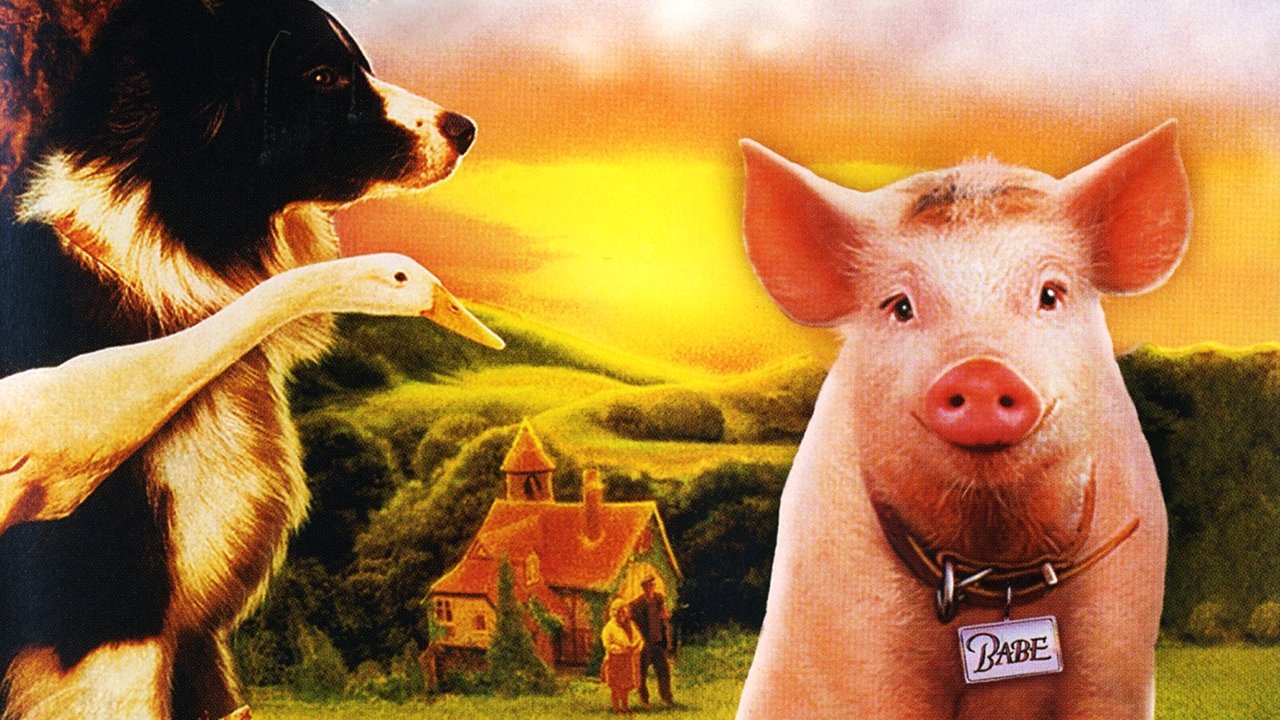
What truly elevates Babe beyond a mere technical showcase is its surprising emotional depth. At its core, this is a film about finding your place in a world determined to label you. Babe, the "sheep-pig," challenges the rigid prejudices of the farmyard ("Pigs are stupid," the sheep bleat; "Dogs herd sheep, pigs don't," asserts the stern collie Rex). His unwavering politeness and inherent goodness ripple through the community, questioning established norms. There's a gentle wisdom here, exploring themes of destiny, purpose, and the revolutionary power of simply being kind and respectful – "treating everyone with the same courtesy," as Babe puts it. It’s all anchored by James Cromwell's magnificent, BAFTA-nominated performance as Farmer Hoggett. His quiet dignity and the slow dawning of understanding and affection for his unique pig are conveyed with astonishing subtlety, culminating in that perfectly understated, heart-swelling line: "That'll do, pig. That'll do." It's a masterclass in less-is-more acting, and famously, Cromwell became a committed vegan after his experience on the film.
A Surprise Smash and Lasting Charm
Nobody quite expected Babe to become the critical and commercial darling it did. Produced on a relatively modest budget (around $30 million), it charmed audiences worldwide, grossing over $250 million and earning a staggering seven Academy Award nominations, including Best Picture, Best Director for Noonan, and Best Supporting Actor for Cromwell. It proved that a family film could be intelligent, nuanced, and deeply moving without sacrificing its charm or accessibility. It resonated because it felt real, despite the talking animals. The emotional stakes – Babe's desire to belong, Hoggett's quiet faith, the ever-present shadow of the dinner table – landed with genuine weight.
While the darker, more surreal sequel Babe: Pig in the City (1998), directed by George Miller himself, has its own cult following, it's the original that retains that perfect blend of fairytale wonder and down-to-earth heart. Watching it again now, perhaps with your own kids, or just settling in for a solo trip down memory lane, the magic holds. The gentle pace feels like a balm, the message of acceptance remains potent, and the sheer craft involved is still deeply impressive. It’s a reminder that sometimes, the most profound stories come in the most unassuming packages.
VHS Heaven Rating: 9/10
Babe earns this high score for its sheer, unexpected brilliance. It blended groundbreaking effects seamlessly with heartfelt storytelling, boasted pitch-perfect performances (both human and voiced), and delivered profound themes with a light, deft touch. It’s a rare family film that treats its audience, young and old, with intelligence and respect, achieving a timeless quality that transcends its mid-90s origins. Minor pacing quibbles for some viewers are utterly overshadowed by its charm and technical mastery.
This wasn't just a movie; it felt like an invitation into a kinder, gentler world, proving that even a pig could find his purpose if he just dared to be himself. And honestly, who didn't want to try politely asking sheep to cooperate after seeing this?