The flickering static settles, and the world outside fades. Sometimes, the tapes that truly burrowed under your skin weren't dripping with gore or stalked by masked killers, but pulsed with a bleakness, a raw nerve exposed to a harsh reality. Nineteen ninety-two wasn't just about grunge and the dawn of the internet; it was a turbulent time elsewhere, and Polish cinema unleashed a Molotov cocktail into its midst with Władysław Pasikowski's Psy, known to many of us squinting at worn VHS boxes simply as Pigs. This wasn't escapism; it was a headfirst dive into the cynical hangover following the collapse of the Iron Curtain.
Where Allegiances Dissolve
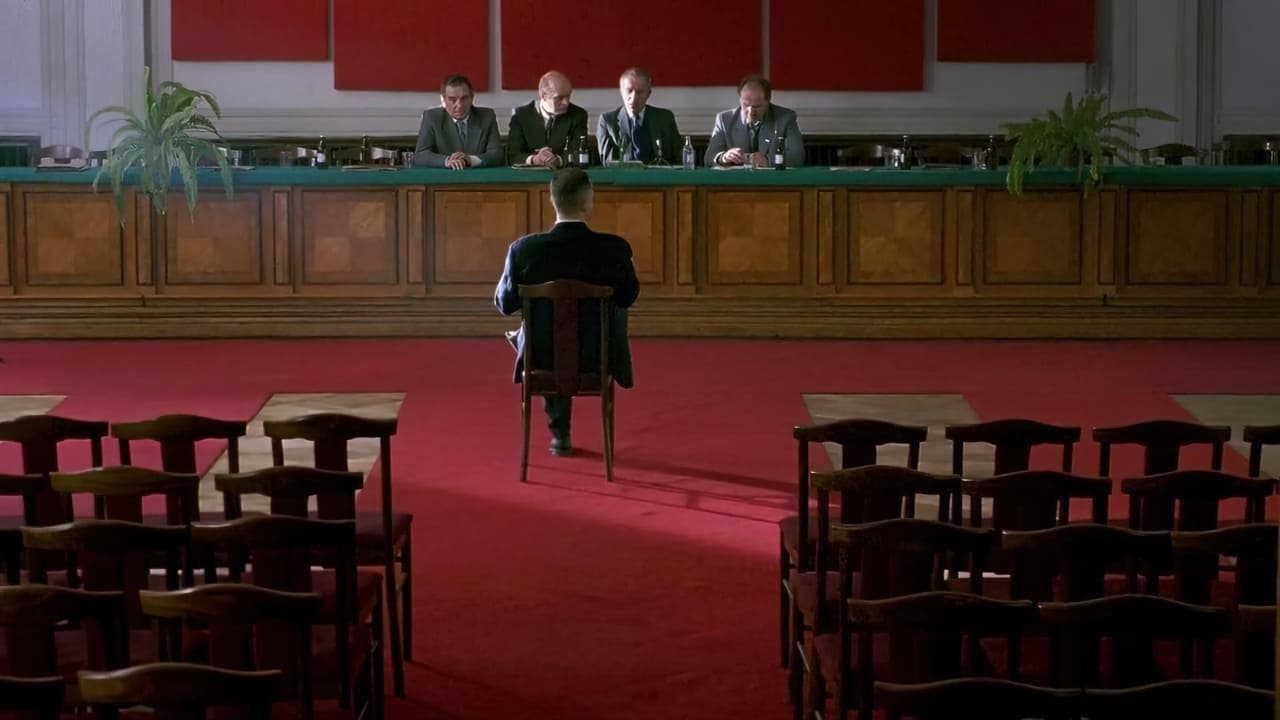
Forget clear-cut heroes and villains. Pigs throws us into the chaotic aftermath of Poland's political transformation, focusing on Franz Maurer (Bogusław Linda), a former officer of the SB, the communist-era secret police. As the old regime crumbles, Maurer and his colleagues face vetting and dismissal, suddenly finding themselves adrift in a new world that despises their past. Some try to adapt, joining the newly formed police force, while others, like Maurer, find their skills tragically transferable to the burgeoning criminal underworld. The atmosphere is thick with disillusionment, cigarette smoke, and the palpable tension of men stripped of power and purpose, scrambling for footing on shifting moral ground. Pasikowski, who also wrote the screenplay, doesn't flinch from the ugliness, painting a portrait of Warsaw steeped in grey – grey skies, grey morals, grey futures.
The Birth of a Polish Anti-Hero
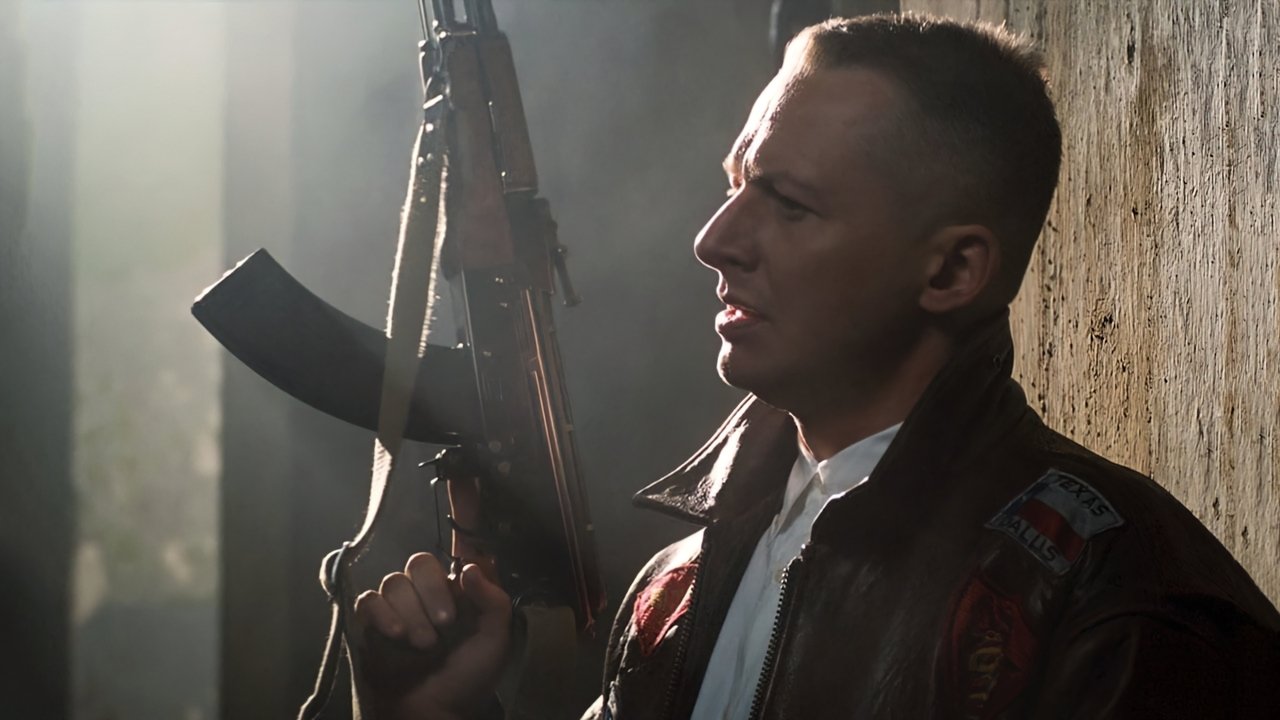
At the heart of the film's enduring power is Bogusław Linda's electrifying performance as Franz Maurer. Lean, weathered, and radiating a weary nihilism, Maurer became an instant icon in Poland. He's not merely a tough guy; he’s the embodiment of a specific post-communist disillusionment. His laconic delivery, sudden bursts of violence, and cynical pronouncements resonated deeply. Lines like "Bo to zła kobieta była" ("Because she was a bad woman") and "Nie chce mi się z tobą gadać" ("I don't feel like talking to you") became embedded in Polish pop culture, quoted endlessly. Linda, already a respected actor, cemented his legendary status here, creating a character as complex and compelling as any anti-hero from classic American noir, but distinctly Polish in his fatalism. The film reportedly faced considerable controversy upon release for its perceived humanization (or at least, complex portrayal) of former SB agents, figures widely reviled in the newly democratic Poland. Yet, it shattered box office records, drawing audiences fascinated by its unflinching gaze into the shadows of recent history.
A Shot of Raw Vodka Cinema
Pasikowski directs with a raw, kinetic energy. The action sequences, when they erupt, are brutal and grounded, devoid of Hollywood gloss. Think less balletic choreography, more desperate, ugly scrambles. The camera work often feels close, almost uncomfortably intimate, trapping us in claustrophobic apartments, smoky bars, and rain-slicked streets. It captures the specific texture of early 90s Poland – a society caught between eras, with the remnants of the old system clashing violently with the nascent, often brutal, capitalism. Supporting players like Marek Kondrat as Olo, Maurer's former colleague who joins the police, and a young Cezary Pazura as the volatile "Nowy," provide crucial counterpoints to Maurer's trajectory, highlighting the different paths taken in this treacherous new landscape. There's a persistent rumour that the film's gritty authenticity was amplified by the fact that filming often took place in genuine, run-down locations, adding a layer of documentary-like realism that was hard to shake. I remember first seeing this on a slightly fuzzy dupe tape, probably sourced from a specialist rental store's "World Cinema" shelf, and being struck by its sheer lack of compromise. Didn't it feel like peering into a world far removed, yet disturbingly familiar in its human failings?

Legacy in Smoke and Shadows
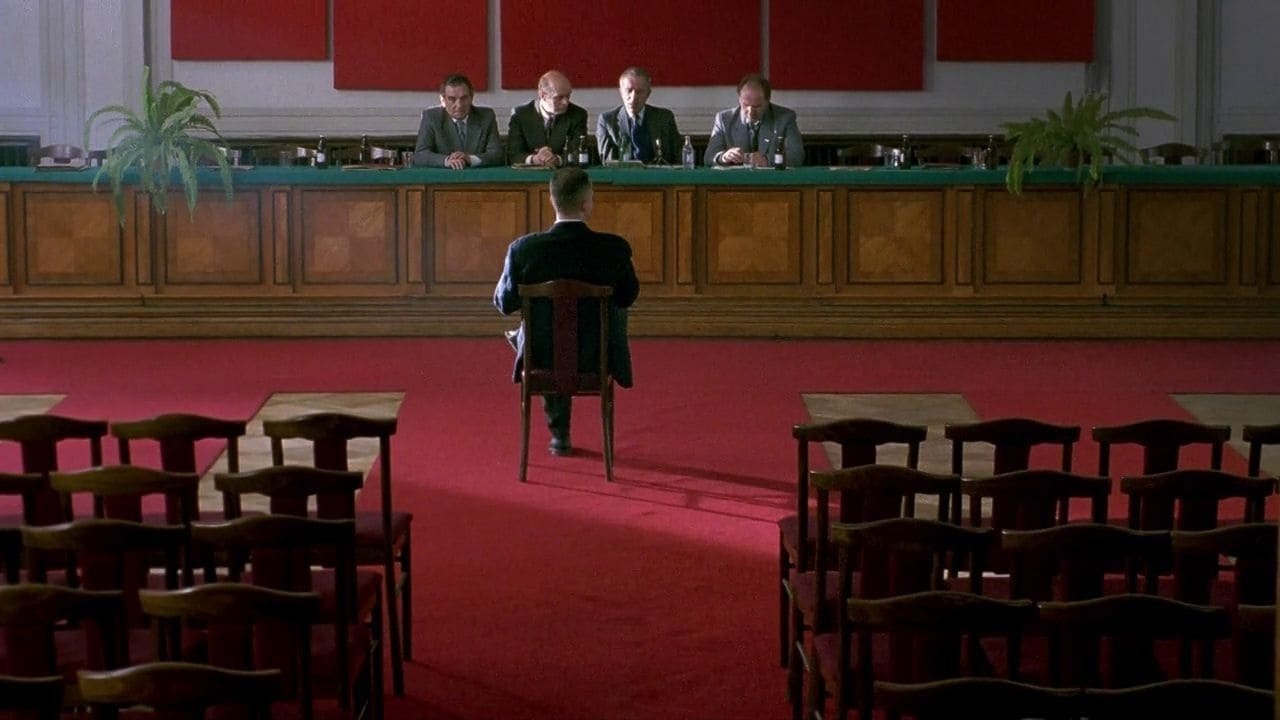
Pigs wasn't just a movie; it was a cultural phenomenon in Poland, defining a specific genre of tough, cynical post-communist thrillers. Its success immediately spawned a sequel, Psy 2: Ostatnia krew (Pigs 2: The Last Blood) in 1994, which continued Maurer's story and was also a massive hit. Much later, Pasikowski and Linda returned for Psy 3: W imię zasad (Pigs 3: In the Name of Principles) in 2020, attempting to recapture the lightning in a bottle, proving the enduring shadow cast by the original. While perhaps less known internationally than some contemporaries, Pigs stands as a vital piece of 90s European cinema – a potent, often uncomfortable, but undeniably gripping portrait of societal upheaval and moral decay. It’s the kind of film that lingers, not through comforting nostalgia, but through the chill of its realism and the haunting gaze of its protagonist.
---

VHS Heaven Rating: 8/10
Justification: Pigs earns its high score for its raw power, Bogusław Linda's iconic performance, and its unflinching portrayal of a specific, turbulent historical moment. It's a masterclass in atmospheric tension and cynical character study. While its bleakness and specific cultural context might not resonate universally, its craft, impact, and the sheer force of its central performance make it a standout piece of 90s crime cinema. It loses a couple of points perhaps for pacing that occasionally lags slightly between the bursts of action and its very specific focus that might require some context for full appreciation.
Final Thought: For those who sought out challenging, potent cinema beyond the Hollywood mainstream on those dusty VHS shelves, Pigs was a jolt – a reminder that sometimes the most unsettling stories are ripped straight from reality's ragged edge. It remains a powerful, smoke-filled monument to disillusionment.