## The Unflinching Glare: Stepping into the World of L.627
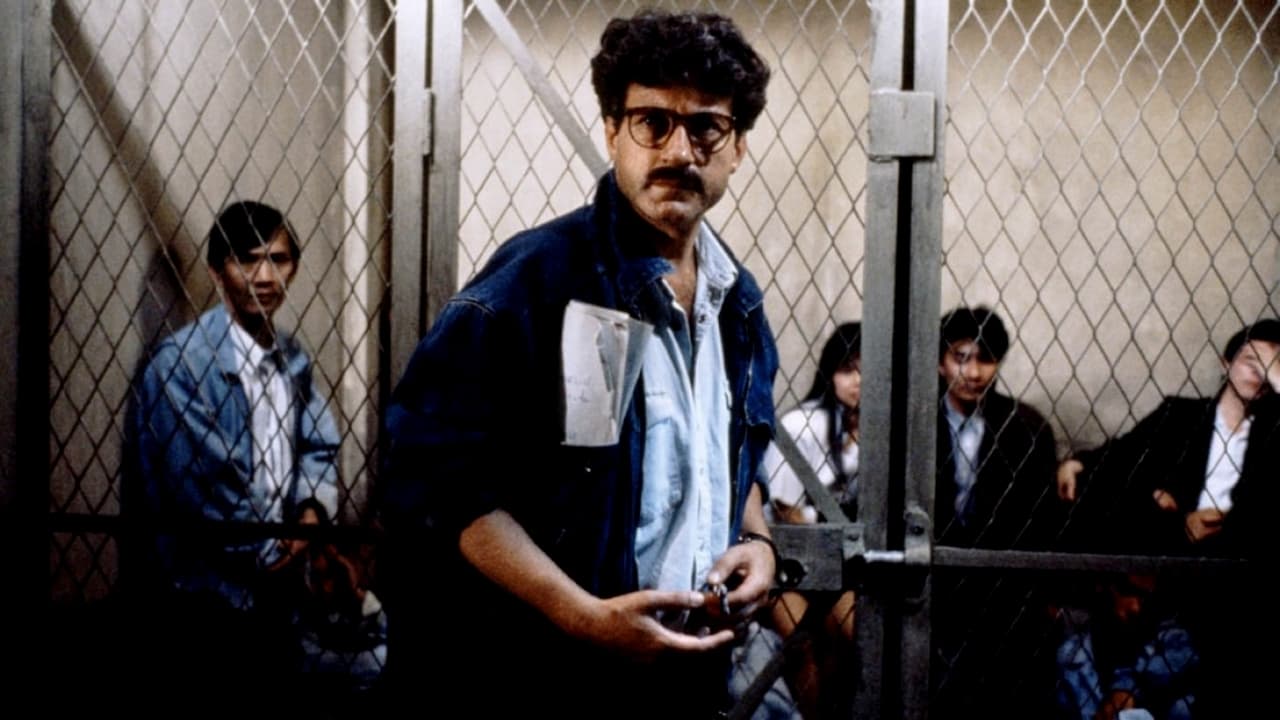
There are films that entertain, films that thrill, and then there are films that simply drop you, unceremoniously, into a reality so raw and unvarnished it leaves you breathless. Bertrand Tavernier’s 1992 gut-punch, L.627, belongs firmly in that last category. Watching it again after all these years, far removed from the fluorescent hum of the video store where I likely first rented it, its power hasn't dimmed. If anything, its stark portrayal of the daily grind within a Parisian narcotics unit feels even more potent, a bracing antidote to the stylized cop dramas that often crowded the shelves back then. The title itself, referencing a specific article in the French Public Health Code dealing with narcotics, hints at the film's bureaucratic, procedural heart – this isn't about heroics, it's about the job, in all its frustrating, dangerous, and soul-crushing detail.
A Different Kind of Beat
Forget slick car chases and explosive shootouts. L.627 immerses us in the mundane realities of police work: endless stakeouts in cramped cars fueled by bad coffee and cynicism, the frustration of dealing with informants whose loyalties shift like sand, the petty squabbles over resources, and the suffocating weight of paperwork. We follow Lucien 'Lulu' Marguet (Didier Bezace), a dedicated but increasingly weary plainclothes narcotics officer. He believes in the work, or at least he wants to, but he’s constantly battling budget cuts, internal politics, inept colleagues, and the sheer, grinding hopelessness of the drug war on the streets of Paris. There's a weariness etched onto Bezace's face throughout the film that feels utterly authentic; it's not just acting, it's embodying the accumulated fatigue of a thousand dead ends and broken promises.
Forged in Reality
What elevates L.627 beyond just another police story is its staggering commitment to authenticity, a hallmark of the late, great Bertrand Tavernier (who gave us masterpieces like Coup de Torchon (1981) and 'Round Midnight (1986)). This realism wasn't accidental. The screenplay was co-written by Michel Alexandre, a former narcotics detective himself, who drew heavily on his own experiences. You can feel it in every line of dialogue, every procedural detail, every moment of bureaucratic absurdity. Tavernier reportedly spent considerable time observing real Parisian drug squads, soaking in the atmosphere, the jargon, the rhythm of their days. This dedication translates into a film that often feels more like a documentary than a drama, employing handheld cameras and naturalistic lighting to capture the grit and immediacy of the streets and the claustrophobia of the squad room. There's a palpable sense of place and time, a snapshot of early 90s Paris far removed from the tourist brochures.
The Human Cost
At the center of this meticulously observed world is Lulu. Didier Bezace delivers a truly phenomenal performance, capturing Lulu’s fierce commitment alongside his growing disillusionment. He's not a superhero cop; he's tenacious, intelligent, occasionally reckless, and deeply human. We see his flashes of anger, his moments of quiet despair, his gallows humor shared with colleagues like the equally solid Jean-Paul Comart and Charlotte Kady. These aren't just archetypes; they feel like real people grappling with the moral compromises and emotional toll of a job that forces them into constant contact with the bleakest aspects of society. The film doesn't shy away from the casual racism, sexism, and cynicism that permeates their world, presenting it without judgment but making its corrosive effects clear. What does it do to a person, day after day, to wade through this mire? The film doesn't offer easy answers, merely holding up a mirror to a draining reality.
A Video Store Discovery, A Lasting Impression
I remember finding films like L.627 in the 'World Cinema' section of the video store, sandwiched between perhaps Fellini and Kurosawa. It felt like uncovering something vital, something different from the glossier American imports. It wasn't always an easy watch – its two-and-a-half-hour runtime and deliberate pacing demand patience – but the reward was immersion in a world rarely depicted with such honesty. Its unflinching gaze reportedly stirred controversy in France upon release, particularly for its critical portrayal of police resources and hierarchy, but that only underscores its truthfulness. It wasn't interested in polishing the badge; it wanted to show the tarnish. It’s the kind of film that might have struggled to get made in a more commercially driven system, which makes its existence feel even more valuable. It even picked up several César Award nominations (the French equivalent of the Oscars), including Best Film, Best Director, and Best Actor for Bezace, proving its impact wasn't just controversial, but also critically recognized.
Rating & Final Thought
L.627 is uncompromising, demanding, and deeply rewarding. It’s a masterful piece of observational filmmaking anchored by a career-defining performance from Didier Bezace. It avoids melodrama and easy resolutions, offering instead a powerful, sobering look at the unglamorous reality of fighting an unending war on drugs, and the humanity that flickers even in the darkest corners. It’s a film that stays with you long after the credits roll, a stark reminder of the power of realism in cinema.
Rating: 9/10
This isn't escapism; it's immersion. L.627 remains one of the most authentic and sobering police procedurals ever committed to film, a vital piece of 90s European cinema that feels just as relevant today. It reminds us that sometimes the most compelling stories aren't about heroes, but about flawed human beings just trying to get through the day.