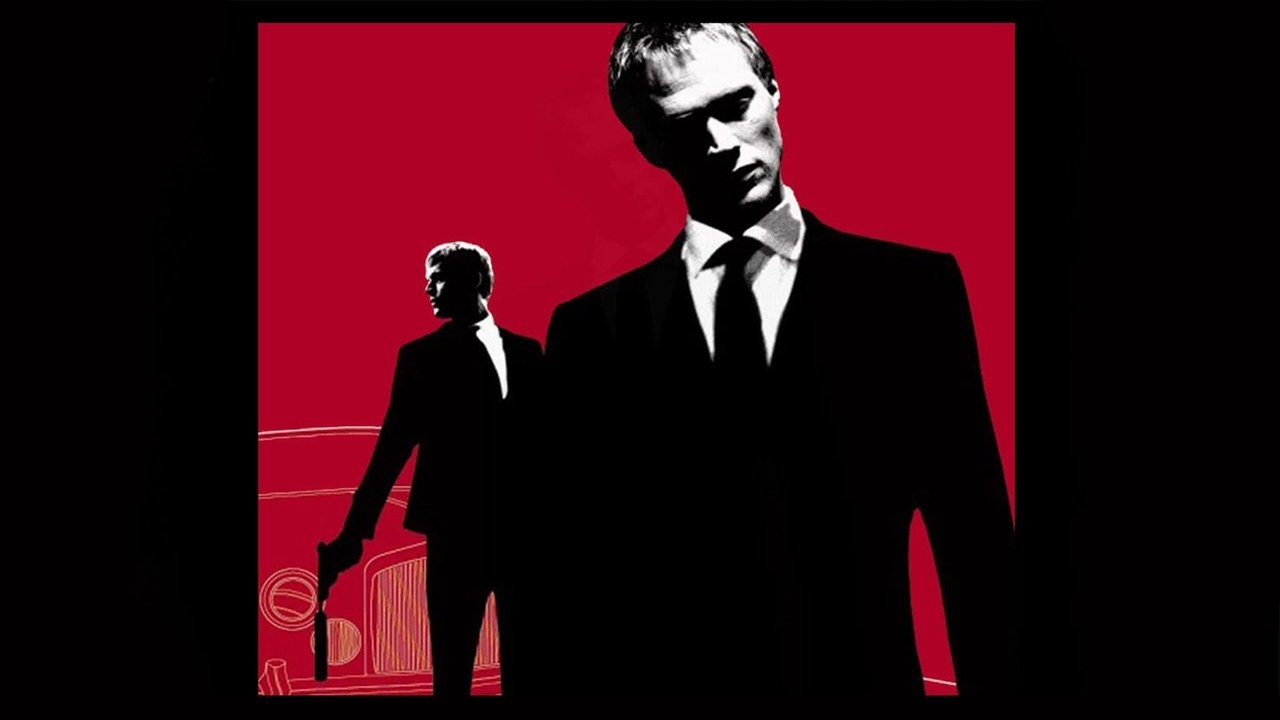
Some performances don't just inhabit a role; they carve themselves into your memory with unsettling precision. Watching Paul Bettany in Paul McGuigan's Gangster No. 1 (2000) is precisely that kind of experience. His portrayal of the unnamed, ambitious young gangster isn't just acting; it’s a study in controlled fury, a terrifying embodiment of envy curdled into obsession. It’s a film that arrived just as the millennium turned, feeling less like a harbinger of new cinema and more like a brutalist echo of the unflinching British crime dramas many of us discovered on worn-out VHS tapes – think the stark realism of Get Carter (1971) meeting the psychological intensity of Nicolas Roeg.
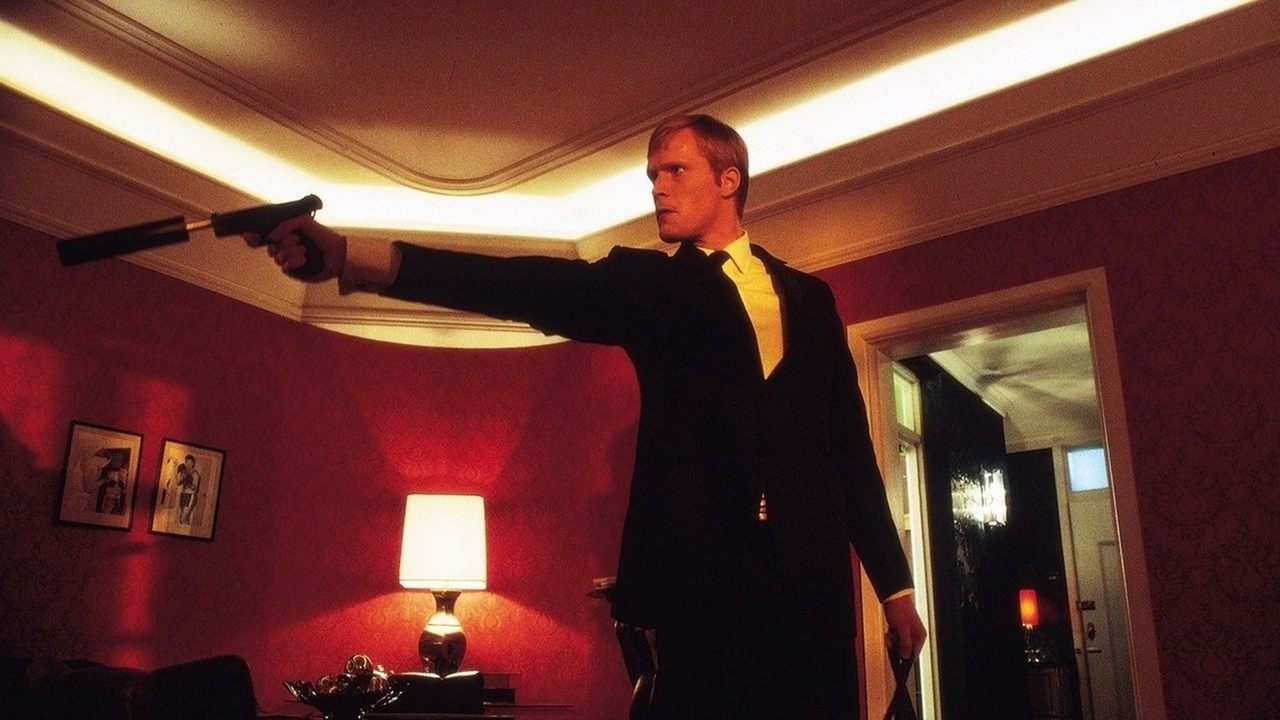
The Shadow of Ambition
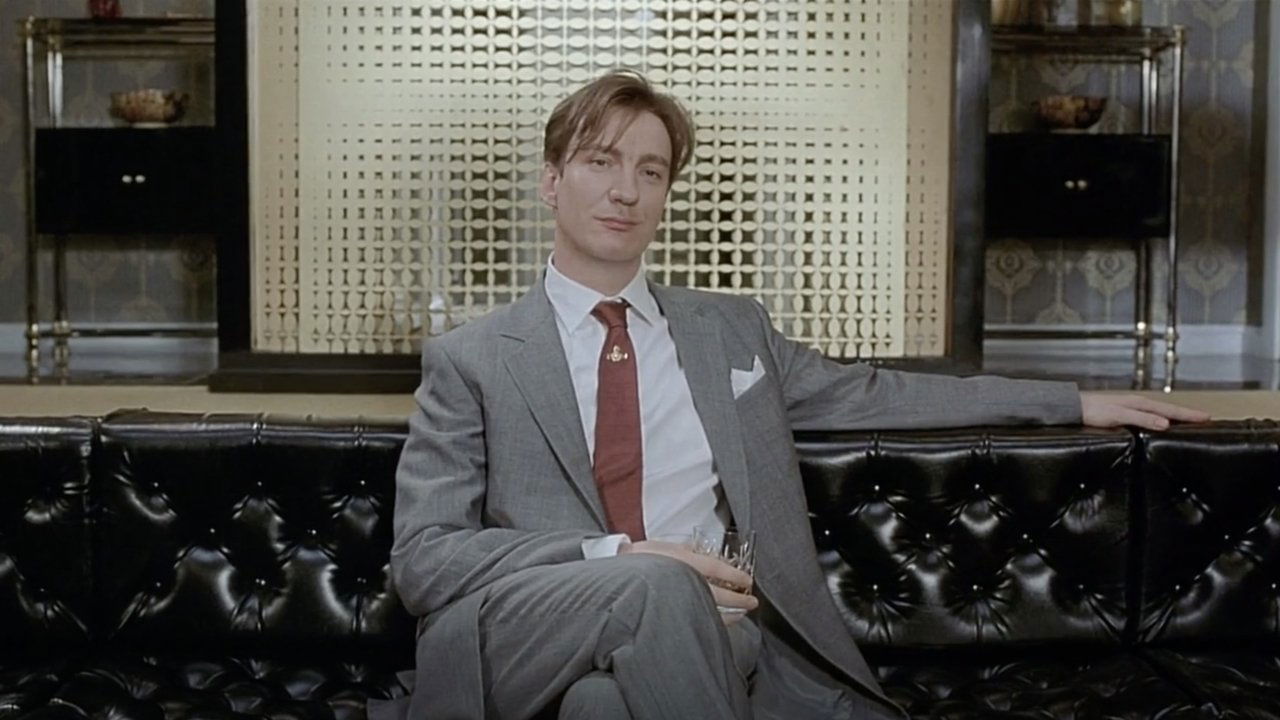
The film plunges us into the sharp-suited, smoky world of late 1960s London, seen through the eyes of Bettany’s character, initially just a low-level thug mesmerized by the effortless cool and authority of Freddie Mays (David Thewlis), the reigning "Butcher of Mayfair." Thewlis, often known for more neurotic or eccentric roles like his turn in Naked (1993), is magnetic here – smooth, dangerous, yet possessing a strange kind of underworld integrity that our protagonist utterly lacks. Young Gangster doesn’t just want Freddie’s empire; he wants his suits, his woman (the enigmatic Karen, played by Saffron Burrows), his essence. It's a frighteningly hollow ambition, devoid of any vision beyond simple, violent usurpation.
Bettany’s performance is a masterclass in stillness concealing a maelstrom. His eyes, often wide and unblinking, seem to absorb everything, calculating, coveting. There's a reptilian quality to his movements, a terrifying lack of empathy that makes his eventual explosions of violence feel both shocking and inevitable. Apparently, Bettany was so committed to capturing this chilling vacancy that he remained intensely focused, almost method-like, throughout the shoot, an effort that bleeds through the screen in every tightly controlled gesture and venomous whisper. It’s the kind of breakout role that feels less like a discovery and more like an unleashing.
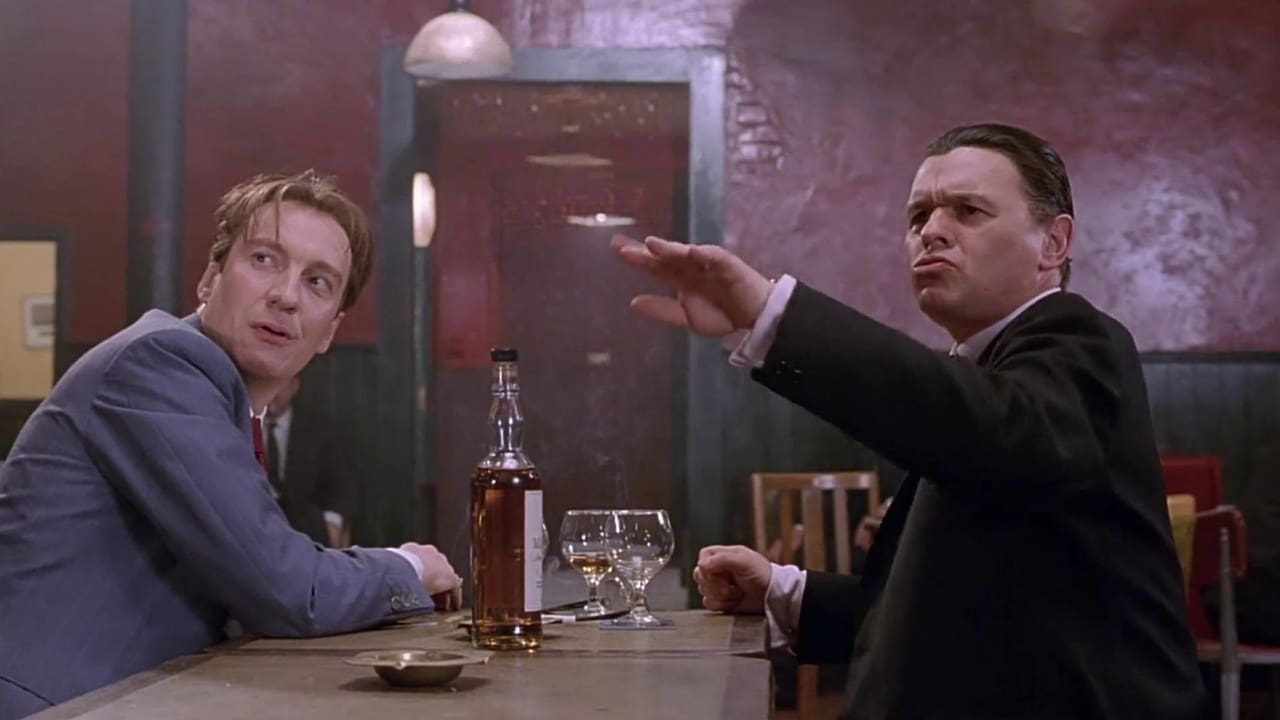
Style Forged in Brutality
Director Paul McGuigan, who would later bring visual flair to projects like Lucky Number Slevin (2006) and Sherlock, uses the camera here like a weapon. Close-ups linger uncomfortably long on faces, particularly Bettany's, forcing us to confront the void behind the eyes. The violence, when it erupts, is sudden, graphic, and deeply unpleasant – devoid of the stylish slow-motion or detached cool often found in the genre. It’s ugly, visceral, and serves the narrative directly, highlighting the sheer ruthlessness required to climb this particular blood-soaked ladder. This unflinching approach reportedly caused some consternation upon release, echoing the ratings board skirmishes familiar to fans of gritty 70s and 80s cinema.
Interestingly, Gangster No. 1 originated as a stage play by Louis Mellis and David Scinto. This theatrical DNA is palpable in the film’s intense, dialogue-driven confrontations and its claustrophobic focus on character psychology. Mellis and Scinto would later pen Sexy Beast (2000), another landmark British crime film released the same year, famous for Ben Kingsley's terrifying turn. While Sexy Beast crackles with dark humour and nervous energy, Gangster No. 1 offers a colder, more analytical dissection of the criminal psyche. It’s less about the thrill and more about the rot.
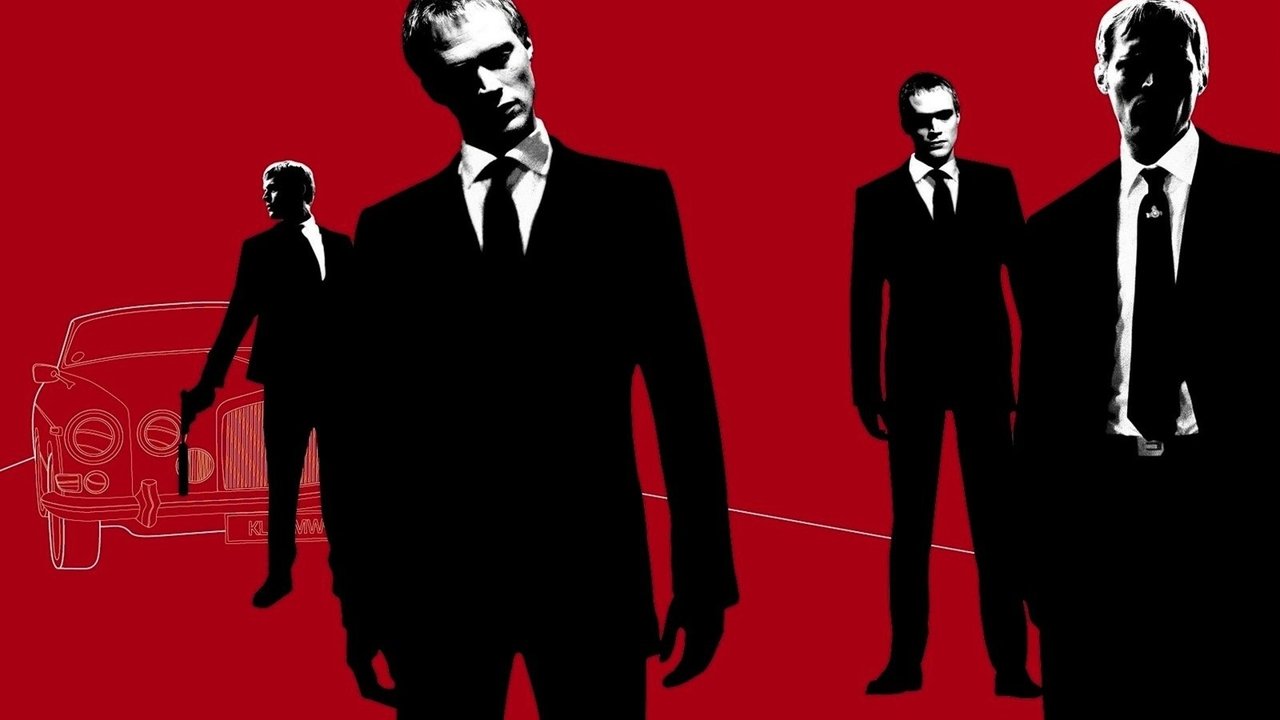
The Emptiness at the Top
The film takes a bold leap forward in its final act, introducing us to the older Gangster, now played by the legendary Malcolm McDowell. McDowell, forever etched in cinematic history by A Clockwork Orange (1971), is perfectly cast. He embodies the 'success' his younger self craved – the penthouse views, the expensive tailoring – but radiates a profound, chilling emptiness. All the violence, the betrayal, the striving… it led here? To this sterile isolation? The contrast between the vibrant, dangerous energy of the 60s scenes and the muted, almost monochrome palette of the later timeline is stark and deliberate.
The eventual reunion with Freddie Mays, aged and seemingly diminished after years inside, is the film's thematic core. Has Gangster No. 1 truly won? Or has he merely become a hollow imitation, haunted by the ghost of the man he destroyed but could never truly become? What does it mean to achieve everything you desired, only to find it utterly meaningless? The questions linger long after the credits roll, a testament to the script's sharp insight.
Legacy of a Cold Stare
Gangster No. 1 wasn't a massive box office hit (making around £1.7 million in the UK against a reported budget around £4 million), and its US release was delayed until 2002, but its reputation has steadily grown. It remains a powerful, often disturbing watch, anchored by one of the most compelling depictions of psychopathic ambition in modern cinema. It feels like a spiritual sibling to those tough, uncompromising films we’d rent on a Friday night, the ones that didn't offer easy answers or likeable heroes, but left you thinking, unsettled, maybe even a little shaken. It’s a film that reminds you that sometimes, the most terrifying monsters wear the sharpest suits.
Rating: 9/10
The near-perfect score reflects the film's exceptional, career-defining performance from Paul Bettany, its chillingly effective atmosphere, McGuigan's bold direction, and its unflinching exploration of ambition's dark side. While the brutality makes it a challenging watch, its psychological depth and thematic resonance are undeniable, elevated by the superb supporting cast, particularly Thewlis and McDowell. It earns its place as a standout British crime film, a cold, hard gem gleaming amidst the grit.
It leaves you pondering not the glamour of the gangster life, but the terrifying vacuum that can exist at its core. What happens when the pursuit becomes the only thing that feels real?