Okay, settle in, grab your preferred beverage – maybe something stronger than usual – because we're cracking open a tape that doesn't offer easy answers or comfortable viewing. I remember the weight of the double-VHS clamshell case for this one, a visual cue that you were in for something substantial. We're talking about Sidney Lumet's sprawling, morally tangled 1981 epic, Prince of the City. This isn't your feel-good cop flick; it's a deep dive into the murky gray sludge where loyalty, law, and self-preservation collide with devastating force.
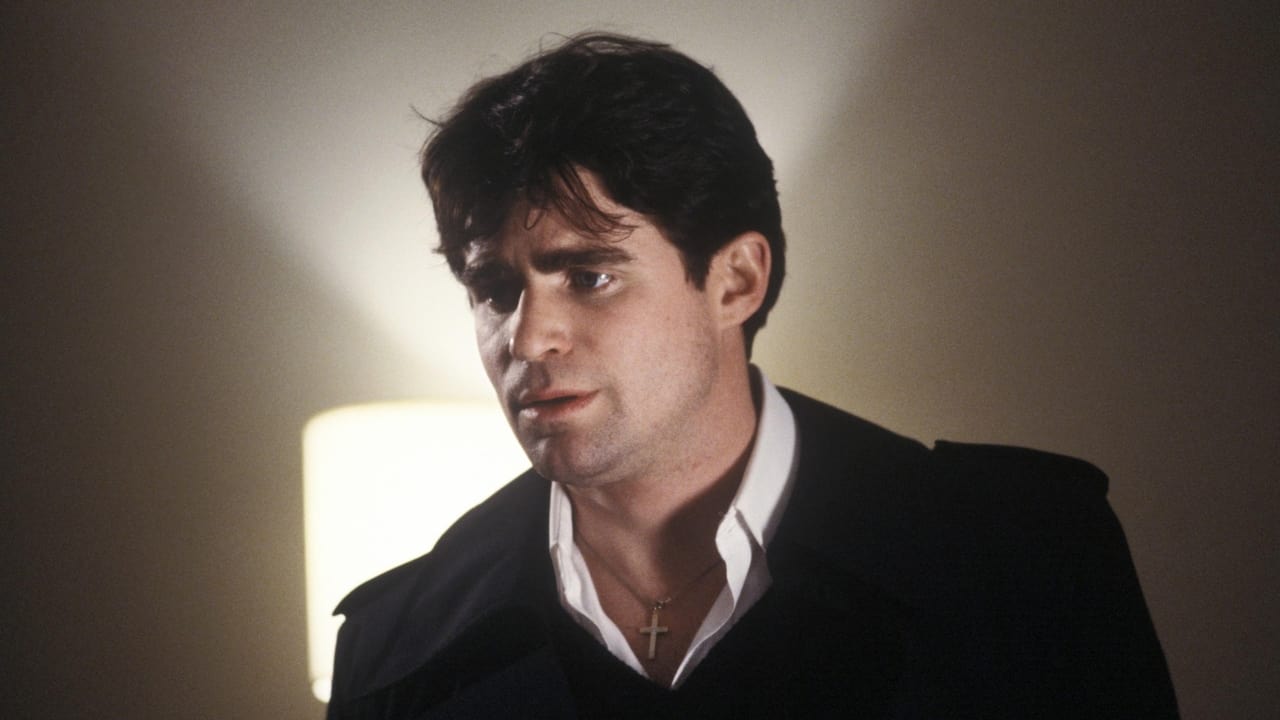
What haunts you most after the nearly three hours unspool? For me, it’s the crushing weight carried by Detective Danny Ciello, portrayed with raw, almost excruciating vulnerability by Treat Williams. It’s a performance that should have catapulted him into a different stratosphere. Based on the true story of NYPD detective Robert Leuci, the film follows Ciello, part of an elite Special Investigating Unit whose members routinely bend and break the rules, skimming money and dealing drugs. When internal affairs offers him a chance to potentially expose wider corruption without implicating his closest partners, Ciello steps onto a tightrope stretched over an abyss.
Into Lumet's New York Underbelly
Sidney Lumet, returning to the gritty New York streets he knew so well from landmarks like Serpico (1973) and Dog Day Afternoon (1975), doesn't give us the glossy postcard version of the city. This is late 70s/early 80s NYC in all its bruised, weary reality. Lumet's masterful direction avoids flashy theatrics, instead opting for a grounded, almost documentary feel. He utilizes real locations, letting the environment itself become a character – the cramped precinct houses, the shadowed back alleys, the impersonal federal buildings. The camera often feels restless, mirroring Ciello’s fraying nerves, but it never sacrifices clarity. Lumet reportedly wanted an actor without the baggage of stardom for Ciello, someone the audience wouldn’t immediately prejudge. While Al Pacino was apparently considered, the role ultimately went to Treat Williams, a choice that anchors the film's authenticity. Williams doesn't just play Ciello; he inhabits his skin, his desperation radiating off the screen.
A Labyrinth of Compromise
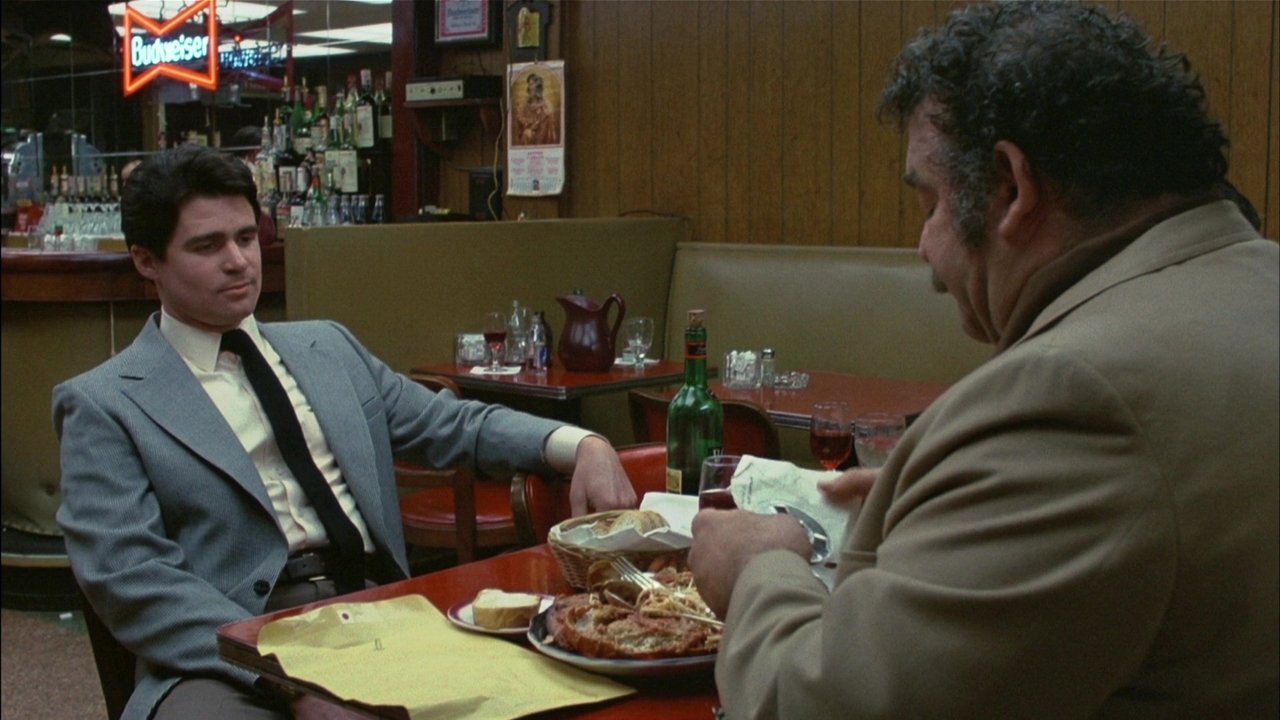
The genius, and perhaps the challenge, of Prince of the City lies in its refusal to simplify. There are no clear heroes or villains here, only flawed human beings caught in an impossible system. Ciello’s initial motivation seems almost noble – a desire to clean up the force, perhaps – but as the investigation widens, the compromises mount. He’s forced to wear a wire, betraying confidences, navigating a treacherous landscape where federal prosecutors, internal affairs investigators (led by a typically excellent Jerry Orbach), and his own terrified conscience pull him in different directions. Does he truly believe he can control the fallout? Or is he fooling himself, blinded by a desperate hope for redemption that seems increasingly out of reach?
It’s fascinating to learn that the screenplay, co-written by Lumet and Jay Presson Allen based on Robert Daley's book, reportedly contained over 130 speaking roles. This contributes to the film's immersive, sprawling quality; it feels less like a plotted narrative and more like being dropped into a complex, ongoing situation where allegiances shift and the ground is constantly unstable. This scope, however, also likely contributed to its commercial struggles. With an $8.6 million budget (around $29 million today), it only pulled in about $5.3 million (roughly $18 million today) at the box office. It was a tough sell – a long, morally ambiguous drama in an era leaning towards blockbusters. Yet, its critical acclaim, including an Oscar nod for Best Adapted Screenplay, spoke volumes.
The Weight of the Badge, The Feel of the Tape
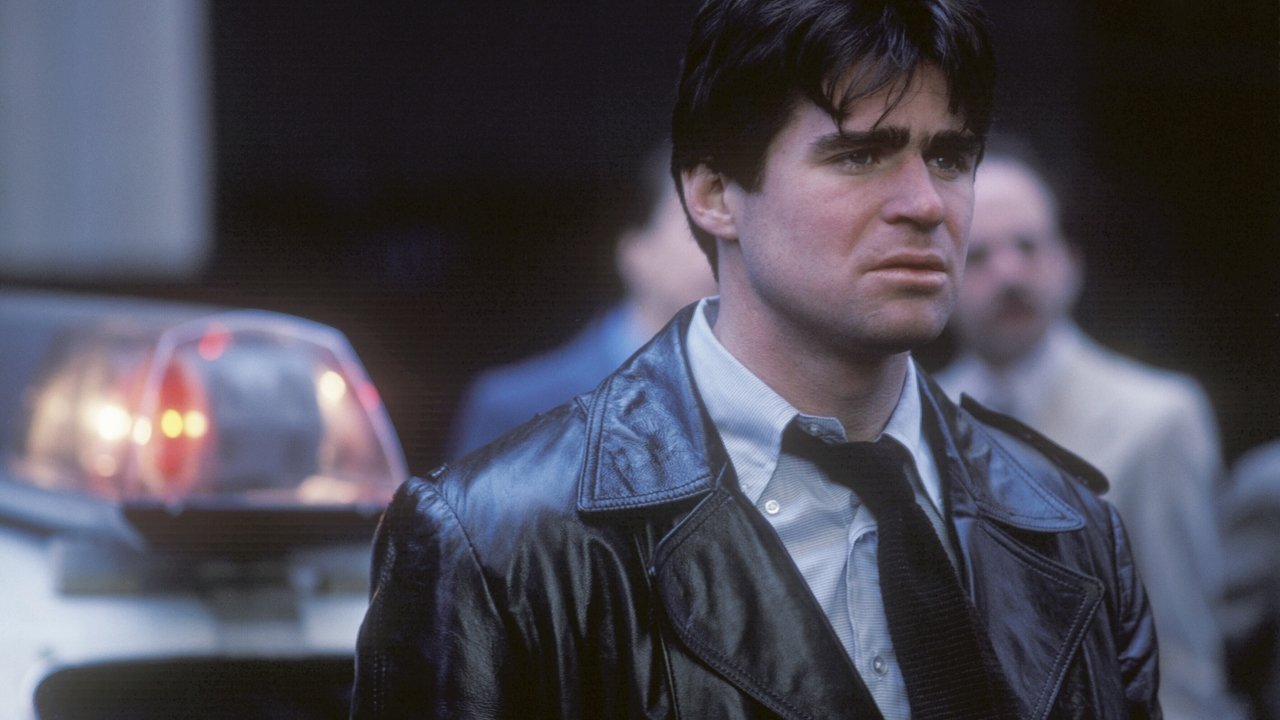
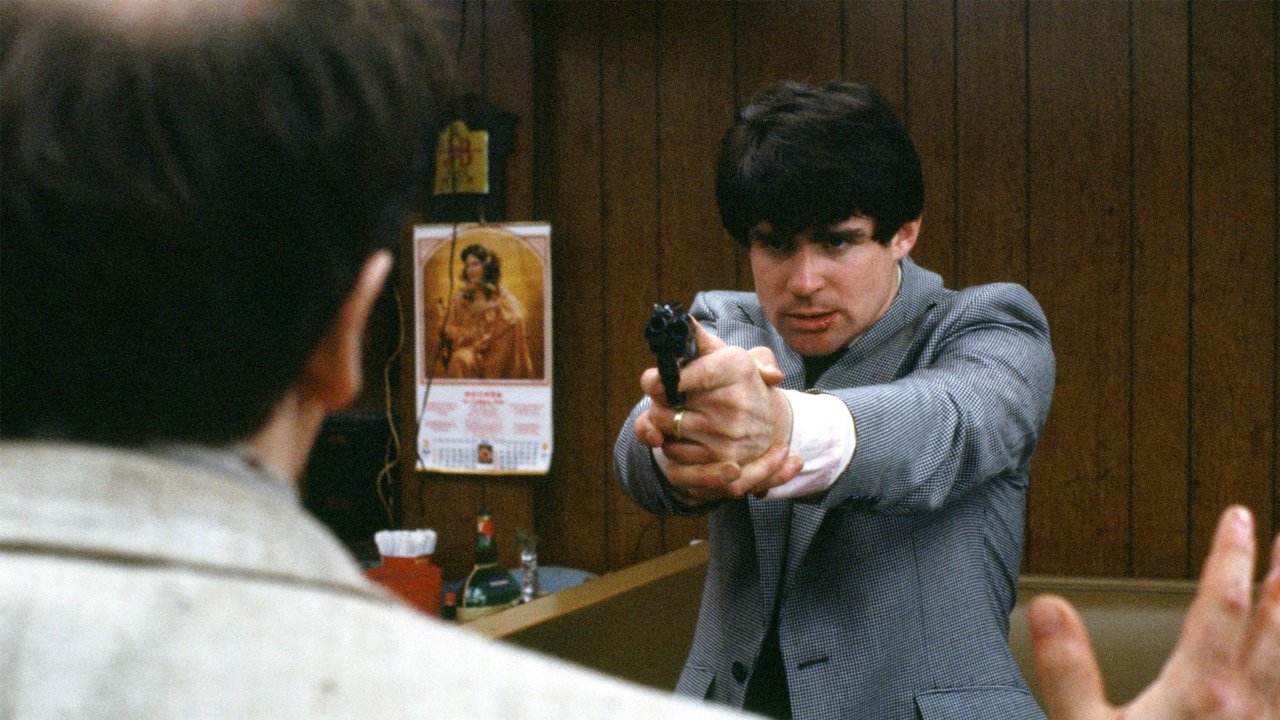
Watching this back then, probably on a chunky CRT television where the film's inherent graininess felt right at home, was an event. Its length demanded commitment. You couldn't just casually pop it in. Renting Prince of the City, often in that aforementioned two-tape set from the local video store, felt like signing up for something serious. It wasn't Die Hard or Lethal Weapon; it was a film that burrowed under your skin and asked uncomfortable questions about the institutions we trust and the compromises people make to survive within them.
The supporting cast is a murderer's row of authentic New York actors, each contributing to the suffocating atmosphere. You recognize faces, maybe couldn't place all the names, but they felt real. They weren’t Hollywood caricatures; they were cops, lawyers, informants, each etched with the weariness of the city. What does it say about loyalty when protecting your partners means betraying the very principles you swore to uphold? And what is the true cost of informing, even for the 'right' reasons? The film offers no easy outs, leaving Ciello – and the viewer – adrift in a sea of moral ambiguity.
Rating and Final Reflection
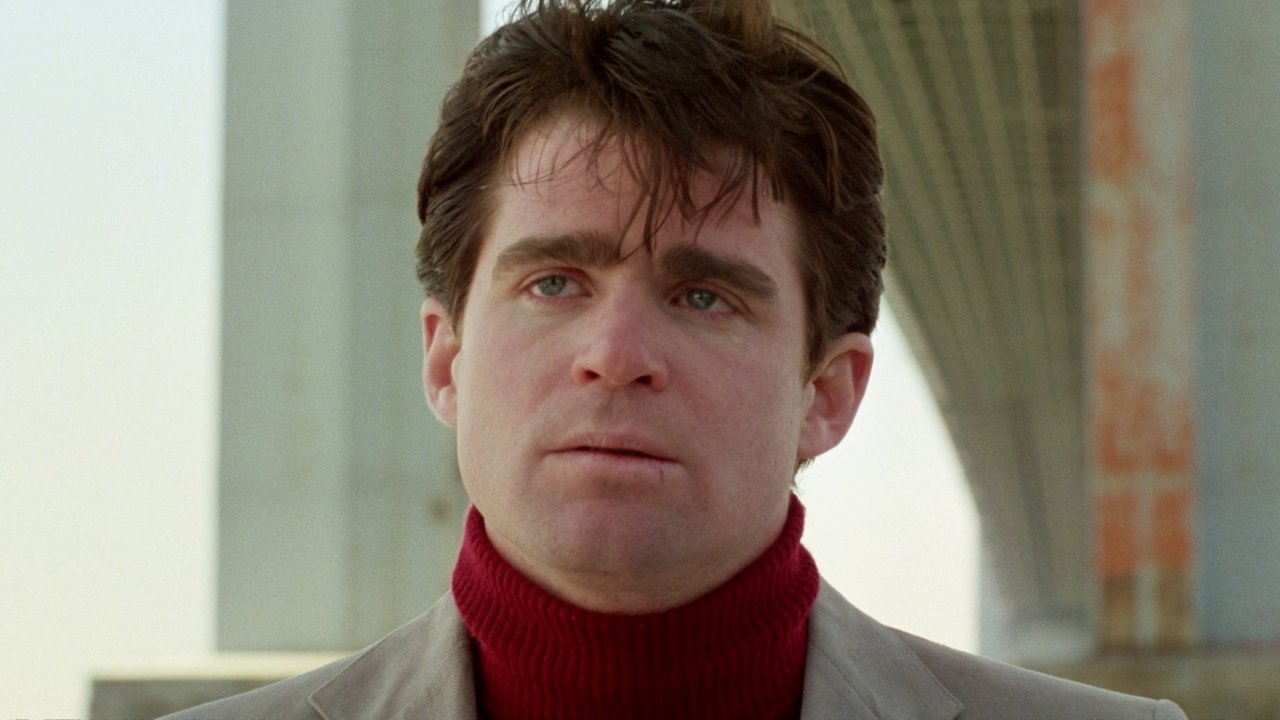
Prince of the City is dense, demanding, and utterly compelling. It's a masterclass in directing and features a career-defining, soul-baring performance from Treat Williams. Its refusal to offer simple moral clarity is precisely its strength, reflecting the messy complexities of real life and systemic corruption far more honestly than most films dare. While its length might test some viewers, the payoff is a profound, unsettling exploration of compromised ideals.
Rating: 9/10
The score reflects the film's exceptional craft, towering central performance, and thematic depth, acknowledging that its deliberate pace and ambiguity might not be for everyone, but represent artistic choices, not flaws. It’s a film that stays with you long after the VCR whirs to a stop, forcing you to ponder the impossible choices good people sometimes face in corrupt systems – a question that feels depressingly relevant even decades later. It truly is one of the unsung titans of 80s dramatic filmmaking.