There’s a certain weight that settles in when you pick up a VHS tape bearing the names Mario Puzo and Michael Cimino. It’s the echo of masterpieces and notorious ambition, the ghost of Vito Corleone meeting the spectre of Heaven's Gate (1980). Pulling The Sicilian (1987) from the rental shelf back in the day often came with that potent mix of expectation and trepidation. Would this be the next great epic of power and betrayal, or another casualty of cinematic hubris? The answer, like the film itself, remains complex and perhaps ultimately, a little elusive.
A Bandit's Tale, A Troubled Epic
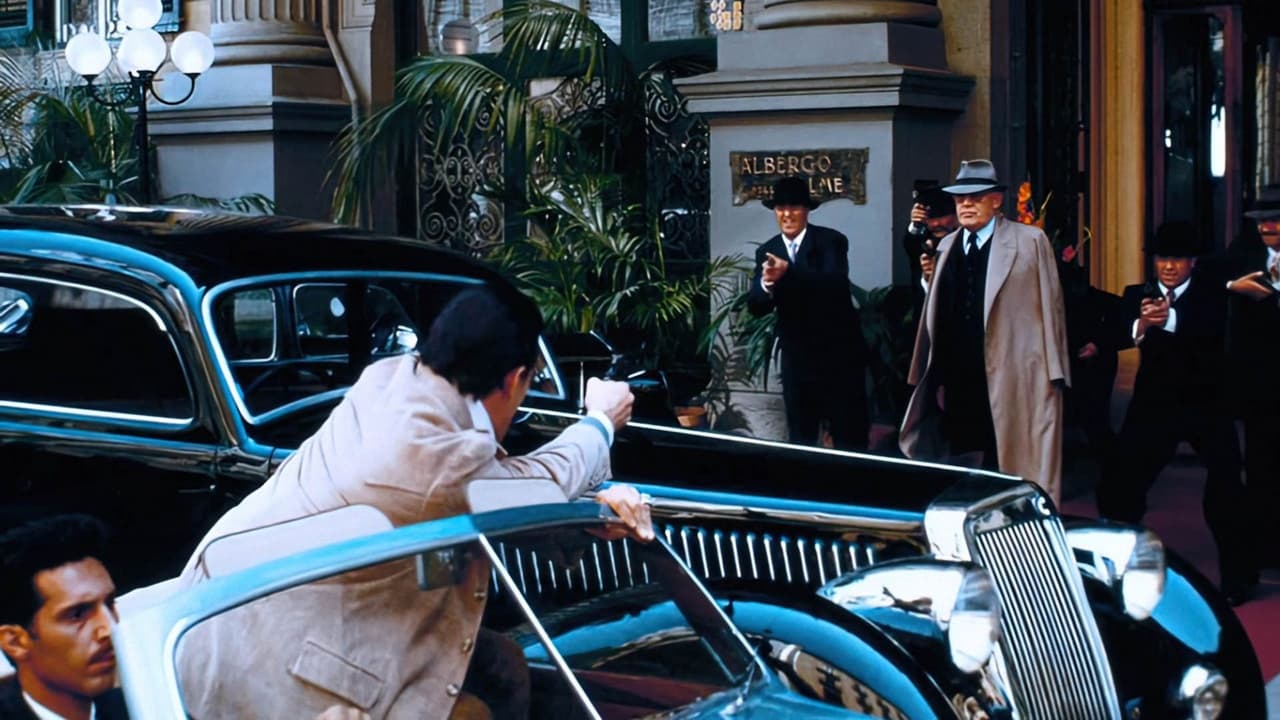
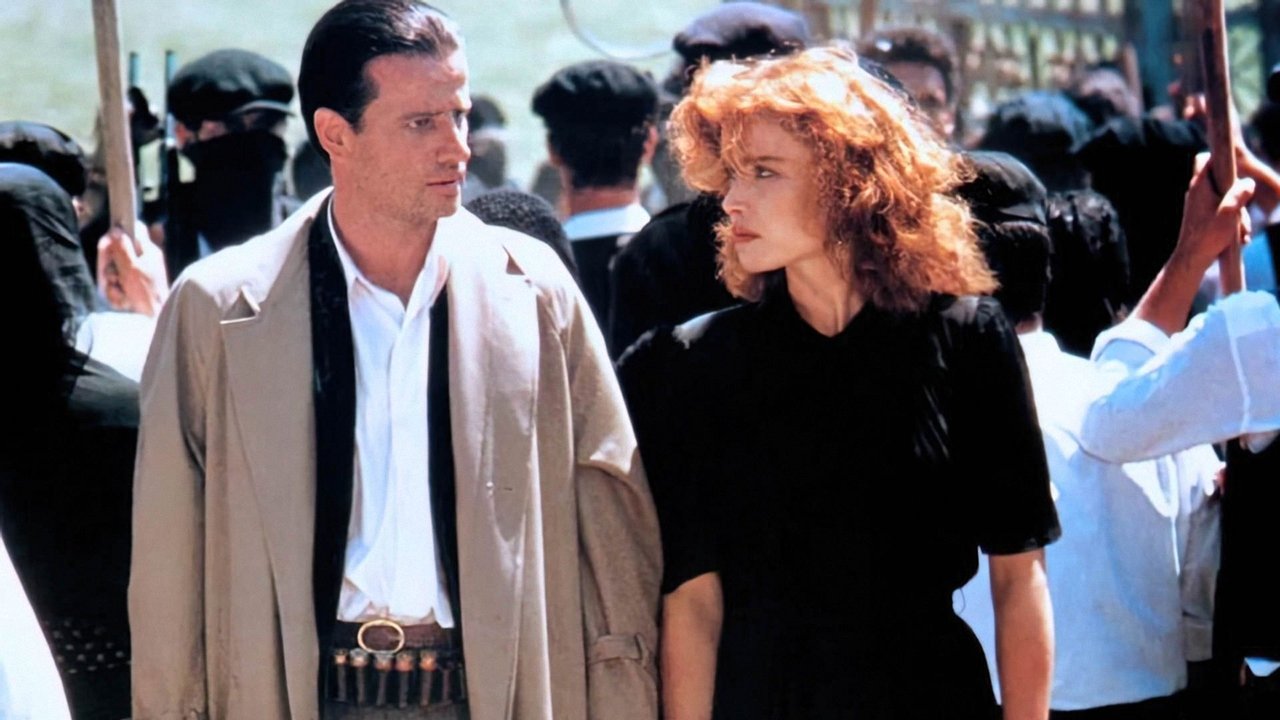
Based on Puzo's novel (itself a companion piece, of sorts, to his Godfather saga, though the direct connections involving Michael Corleone were famously excised from the film), The Sicilian aims to tell the sprawling story of Salvatore Giuliano. Played here by Christopher Lambert, fresh off the electric energy of Highlander (1986), Giuliano is the charismatic post-WWII Sicilian bandit who dreamed of independence for his island, robbing from the rich, charming the populace, and inevitably clashing with the intertwined powers of the Church, the Mafia, and the State. It's fertile ground for drama – a potent cocktail of revolution, romance, and violent idealism set against the stunning, rugged backdrop of Sicily.
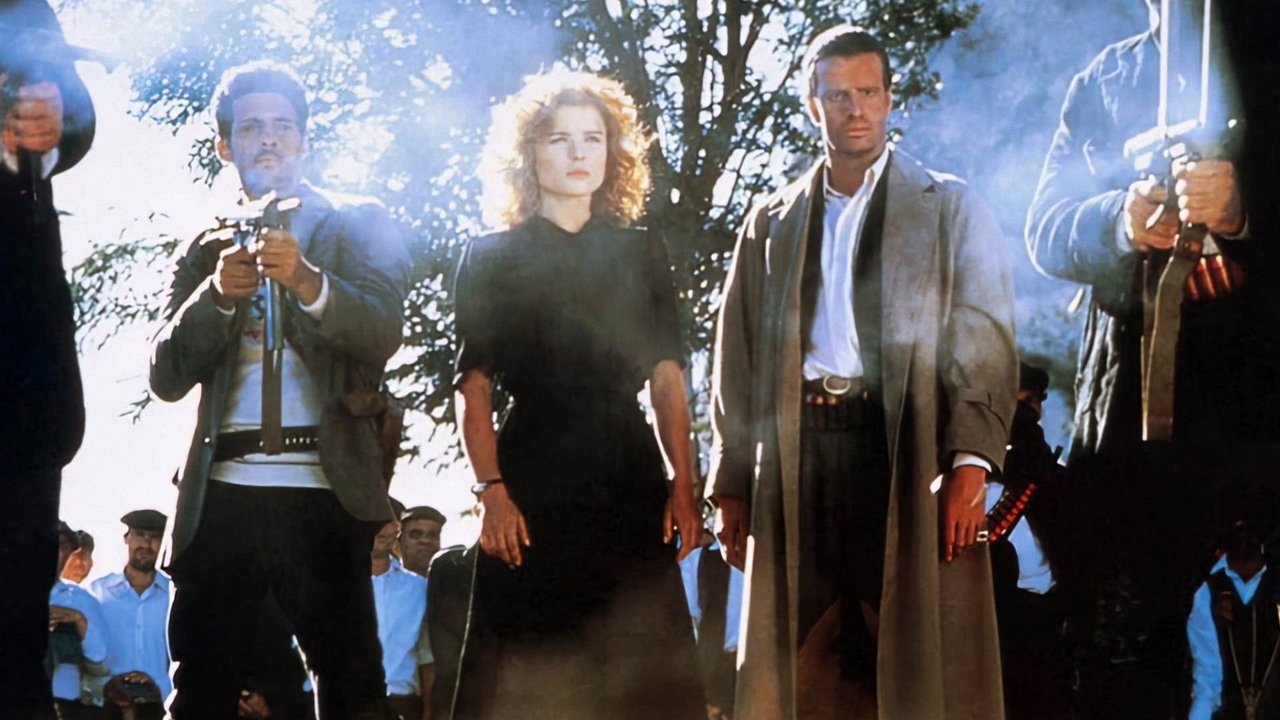
You can feel Cimino's characteristic ambition pulsing beneath the surface. Known for his obsessive attention to detail and grand visual scope, he clearly intended The Sicilian as a sweeping historical drama. The landscapes, captured by cinematographer Alex Thomson (who shot the visually rich Excalibur (1981)), often look magnificent, hinting at the epic scale Cimino envisioned. There are moments – crowded village squares, tense standoffs in sun-drenched fields – where the potential for greatness flickers. Yet, something feels fundamentally hampered, a sense of grand opera straining against unseen constraints.
The Shadow of the Edit
Those constraints, as many film buffs know, were very real. The troubled production history of The Sicilian is almost as dramatic as the story it tells. Following the financial disaster of Heaven's Gate, Cimino was under intense studio scrutiny. His original cut reportedly ran close to two and a half hours (146 minutes), but 20th Century Fox, wary of another sprawling epic, slashed it down to a leaner, often confusing 115 minutes for its theatrical release. This shorter version was the one most of us encountered on VHS, and the seams often showed. Narrative threads feel truncated, character motivations become murky, and the political complexities of Giuliano's struggle are often reduced to broad strokes. It's fascinating trivia that Gore Vidal apparently penned an early draft before Steve Shagan took over, adding another layer to the "what might have been." Watching the widely available shorter cut often feels like reading selected chapters of a much larger book – intriguing, but ultimately unsatisfying. The longer Director's Cut, thankfully available in later years, restores much of the narrative coherence and character depth, revealing a more deliberate, if still imperfect, film.
Lambert's Giuliano: Charisma and Controversy
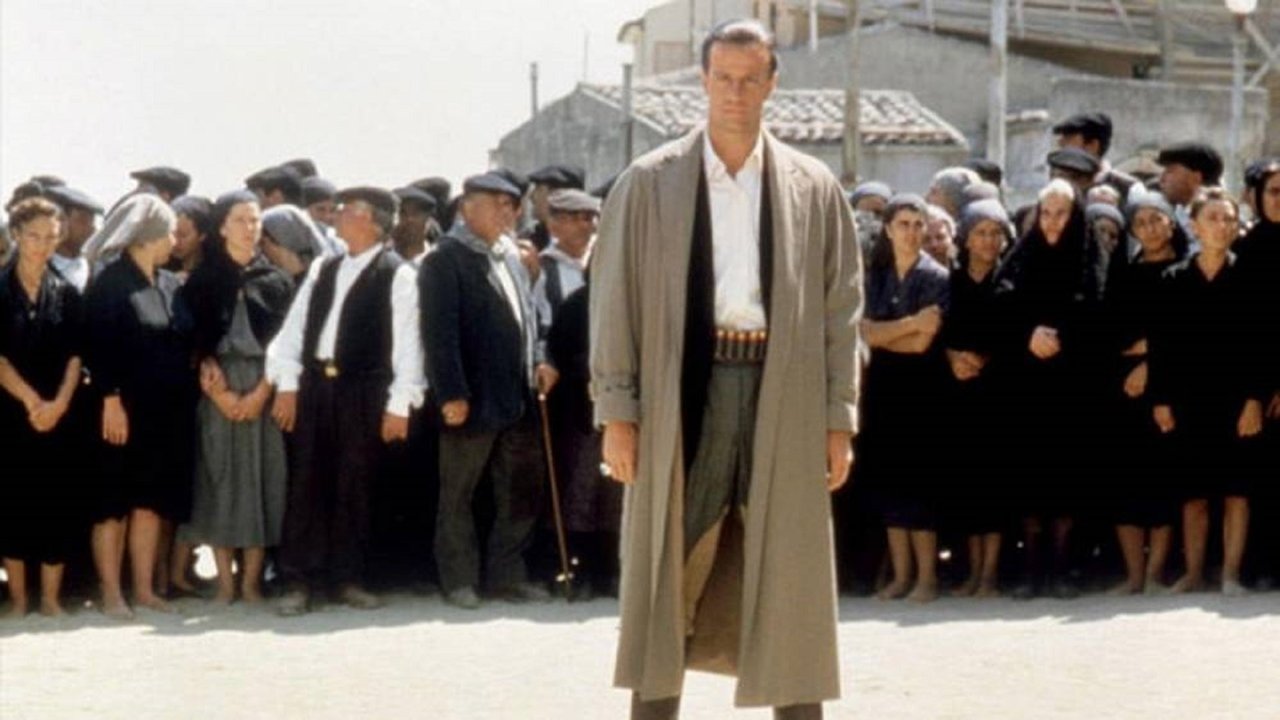
Central to the film's impact, or lack thereof, is the casting of Christopher Lambert. It was a bold choice, placing a Frenchman with a distinct, not-quite-Italian accent in the role of a beloved Sicilian folk hero. Does he pull it off? It’s debatable. Lambert certainly possesses screen presence and a kind of brooding intensity, but his Giuliano often feels more like a romanticized outlaw archetype than a flesh-and-blood figure deeply rooted in Sicilian soil. The accent is... noticeable, sometimes distractingly so, pulling you out of the period setting. While he captures a certain defiant spark, the deeper complexities of Giuliano – the political strategist, the ruthless killer, the man torn between idealism and necessity – feel underdeveloped, perhaps another casualty of the studio-mandated edits or simply a bridge too far for the actor at the time. Supporting players like the ever-reliable Terence Stamp as the aristocratic Prince Borsa and Joss Ackland as the quietly menacing Don Masino Croce lend a welcome gravitas, suggesting the richer tapestry the film gestures towards. A young John Turturro also makes an impression in an early role as Giuliano's cousin and right-hand man, Gaspare "Aspanu" Pisciotta.
Faded Grandeur on Magnetic Tape
Watching The Sicilian today, especially if you first encountered it on a fuzzy VHS tape decades ago, is an exercise in appreciating flawed ambition. It doesn't possess the narrative mastery of The Godfather (1972) or the raw political insight of Francesco Rosi's earlier, neo-realist take on the same subject, Salvatore Giuliano (1962). Yet, there's something compelling about its very imperfections. It’s a product of its time – an expensive ($16 million budget, yielding only around $5.4 million domestically – a significant loss), star-driven attempt at historical epic filmmaking colliding with the turbulent career of a visionary director. I remember renting this tape, hoping for lightning to strike twice for Puzo on screen, and feeling a sense of slightly bewildered disappointment mixed with admiration for the sheer attempt. It wasn't quite the masterpiece hoped for, but it wasn't entirely disposable either. It lingered, this strange, beautiful, somewhat hollow epic.
The practical effects are minimal here; the film relies more on location and atmosphere. The score by David Mansfield (another Cimino regular who scored Heaven's Gate) attempts to evoke the necessary grandeur, sometimes successfully, sometimes feeling a touch generic. What truly stands out is the underlying story of Cimino versus the studio, a narrative that sadly repeated itself throughout his career. Doesn't the struggle for artistic control often mirror the very power struggles depicted within the films themselves?
Rating: 5/10
This rating reflects the commonly available theatrical cut, the version most familiar from the VHS era. It’s a film visually ambitious but narratively compromised, hampered by questionable casting and significant studio interference. The potential for a grander, more coherent film is evident, especially when considering the Director's Cut (which might rate a point higher), but the version most readily consumed back then often felt like a beautiful, frustratingly incomplete puzzle. The behind-the-scenes drama is arguably more compelling than the on-screen result.
The Sicilian remains a fascinating curio from the VHS racks – a testament to grand ambition meeting harsh reality, leaving behind a beautiful, flawed monument to what might have been. It stands as a reminder that sometimes, the story behind the movie is just as captivating as the one projected onto the screen.