Barely out of their teens, wielding camcorders like weapons and fueled by the raw energy of the streets they documented, the Hughes Brothers unleashed Menace II Society upon an unsuspecting public in 1993. This wasn't just another entry in the burgeoning "hood film" genre kicked off by Boyz n the Hood two years prior; this felt different. Sharper. More nihilistic. Watching it on a rented VHS tape, the magnetic hum of the VCR seemed to amplify the dread bleeding from the screen. It felt less like a movie and more like a transmission from a war zone, a dispatch smuggled out under cover of darkness.

"I Just Grew Up In It"
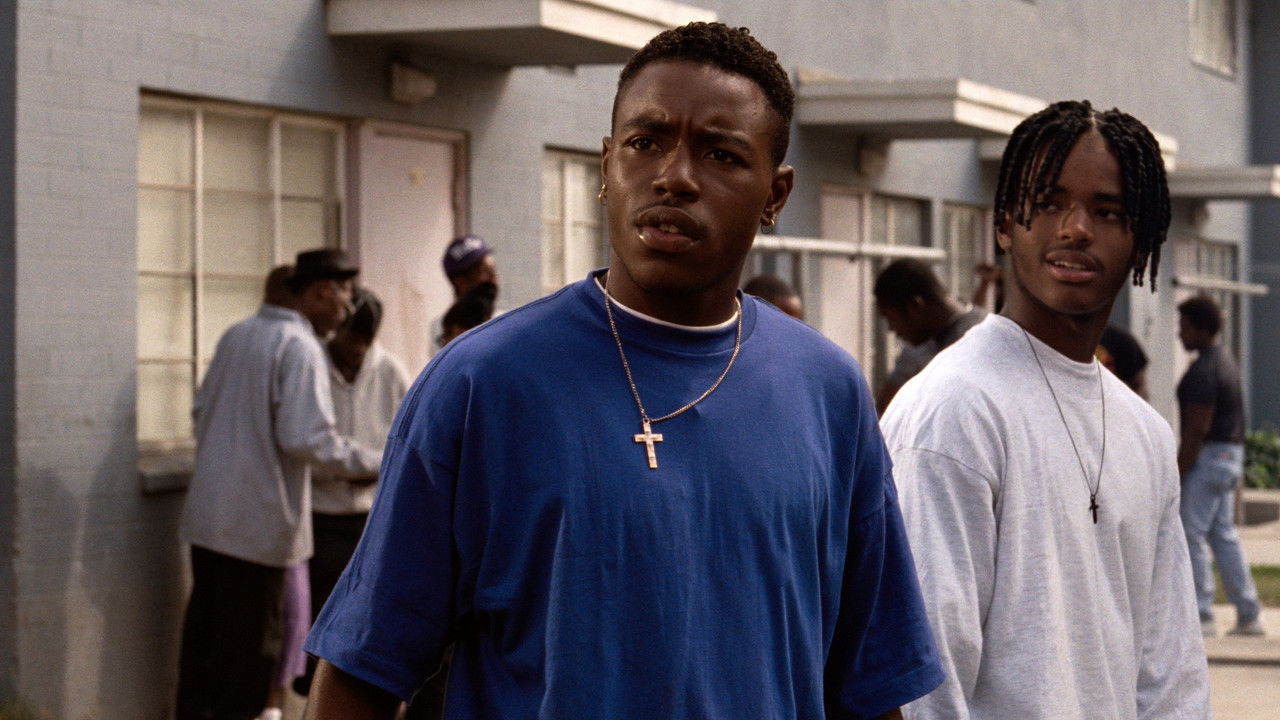
The film plunges us headfirst into the life of Caine Lawson (Tyrin Turner), navigating the sun-baked, bullet-scarred landscape of Watts, Los Angeles. From the harrowing opening scene – a convenience store robbery escalating with horrifying speed – Menace II Society refuses to look away. Caine isn't necessarily evil, but he’s tragically adrift, shaped by forces seemingly beyond his control: addicted parents, absent role models, and the constant, simmering threat of violence that defines his environment. Tyrin Turner, in a performance that should have launched him into superstardom, embodies Caine's weary resignation and flicker of buried conscience with haunting authenticity. He’s our guide, but often a passive observer, swept along by the chaotic currents generated by those around him.
O-Dog Unleashed
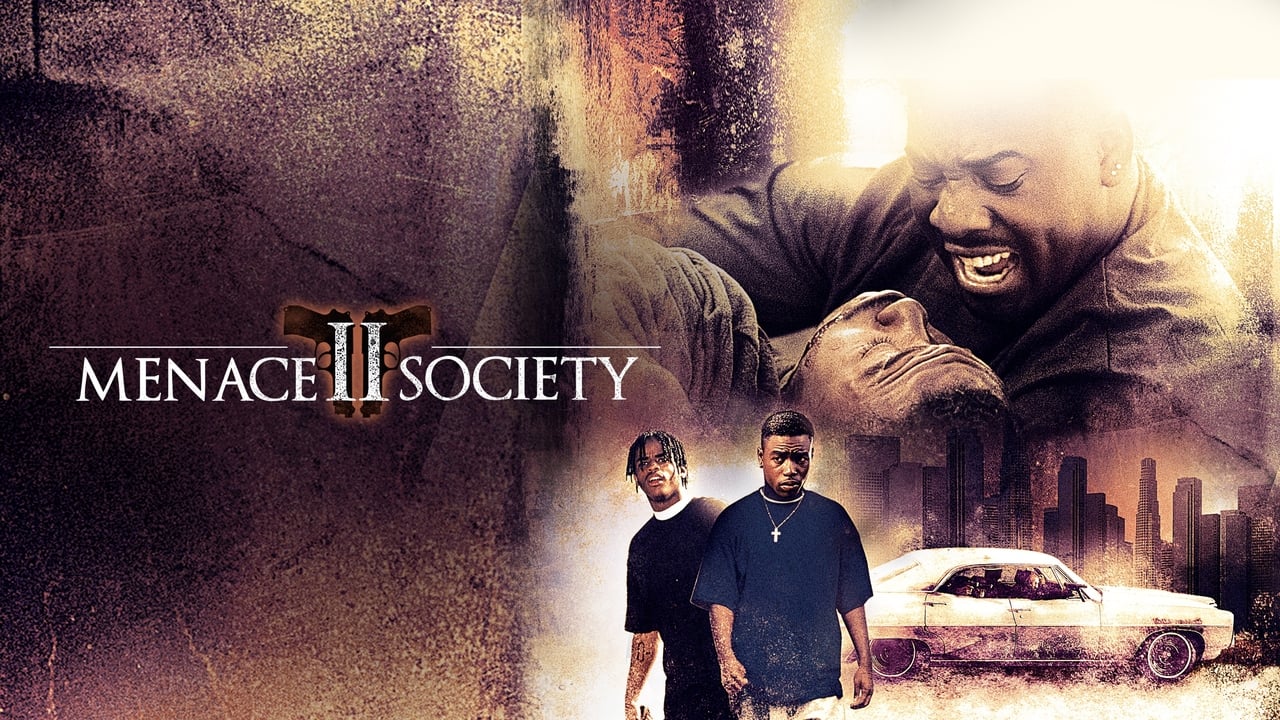
And what chaos. If Caine represents the tragedy of circumstance, his best friend O-Dog is the embodiment of pure, terrifying impulse. Larenz Tate, in a star-making turn that practically vibrates with menace, plays O-Dog with a chilling lack of remorse. His casual brutality, often captured with a chillingly detached voyeurism (sometimes literally, via his own camcorder), remains one of the most disturbing elements of 90s cinema. Remember the chilling pride he takes in replaying the videotape of the convenience store killings? Watching that scene on a VHS tape added a layer of unsettling meta-reality that felt deeply disturbing back then. It wasn’t just a movie character; it felt like someone you could actually know, the kind of unpredictable danger lurking just around the corner.
No Easy Answers, No Clean Exits
What truly set Menace II Society apart, and what still gives it such power, is its unflinching gaze. Co-written by the Hughes Brothers and Tyger Williams, the script avoids easy moralizing or Hollywood redemption arcs. The dialogue crackles with authenticity, reportedly drawn from real conversations and experiences. Characters like Ronnie (Jada Pinkett, radiating warmth and desperate hope) and Sharif (Vonte Sweet) offer potential paths out, representing faith, education, and escape, but the film constantly reminds us how tenuous those paths are in Caine's world. The Hughes Brothers, barely 20 years old when they directed this, displayed an astonishing maturity in their visual storytelling, using handheld shots and stark lighting to create an atmosphere of claustrophobic dread. The violence isn't stylized; it's sudden, clumsy, and sickeningly final.
Retro Fun Facts: Fighting for the Vision
Making a film this raw wasn't easy. The Hughes Brothers, having cut their teeth directing music videos for artists like Tone Lōc and Tupac Shakur (who was initially cast in the film before a falling out), fought hard to maintain their vision. New Line Cinema took a gamble, backing the young directors with a lean $3.5 million budget. The gamble paid off handsomely, with the film grossing nearly $28 million domestically – a testament to its raw power resonating with audiences. However, its unflinching content inevitably led to battles with the MPAA, initially slapping the film with the dreaded NC-17 rating before cuts were made to secure an R. Critical reception was strong, with notable critics like Siskel & Ebert giving it "Two Thumbs Up," recognizing its importance despite its brutal subject matter. Shot largely on location, the production navigated the very real dangers of the environment it depicted, adding another layer of verisimilitude to the final product.
The Weight of Legacy
Decades later, Menace II Society hasn't lost its impact. It remains a harrowing, vital piece of American cinema, a stark snapshot of a specific time and place grappling with systemic issues that persist today. While Boyz n the Hood offered a glimmer of hope amidst the struggle, Menace felt like a darker reflection, suggesting that for some, the cycle of violence might be inescapable. Its influence on crime dramas and its unflinching portrayal of inner-city life are undeniable. It’s a film that gets under your skin and stays there, a chilling reminder that the societal dangers it depicted were, and often still are, terrifyingly real. Did it feel like a punch to the gut back then? It still does.
Rating: 9/10
The score reflects the film's technical mastery, particularly given the directors' youth, its powerhouse performances (Tate especially), its unflinching realism, and its lasting cultural impact. It avoids a perfect score only because its unrelenting bleakness, while intentional and effective, makes it an incredibly difficult and emotionally taxing watch.
Menace II Society isn't just a film you watch; it's one you experience, absorb, and carry with you. Sliding that tape into the VCR back in the day felt like accessing something forbidden, something intensely real. It remains a brutal, essential, and unforgettable piece of 90s filmmaking.