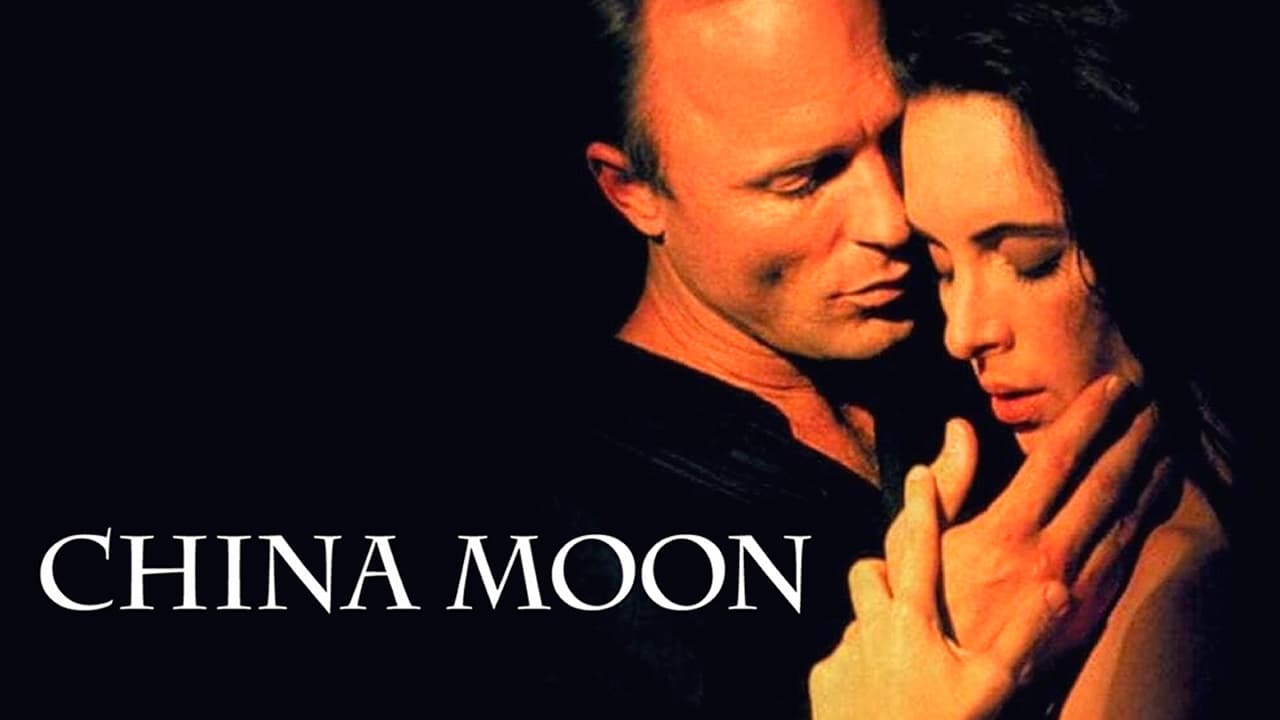
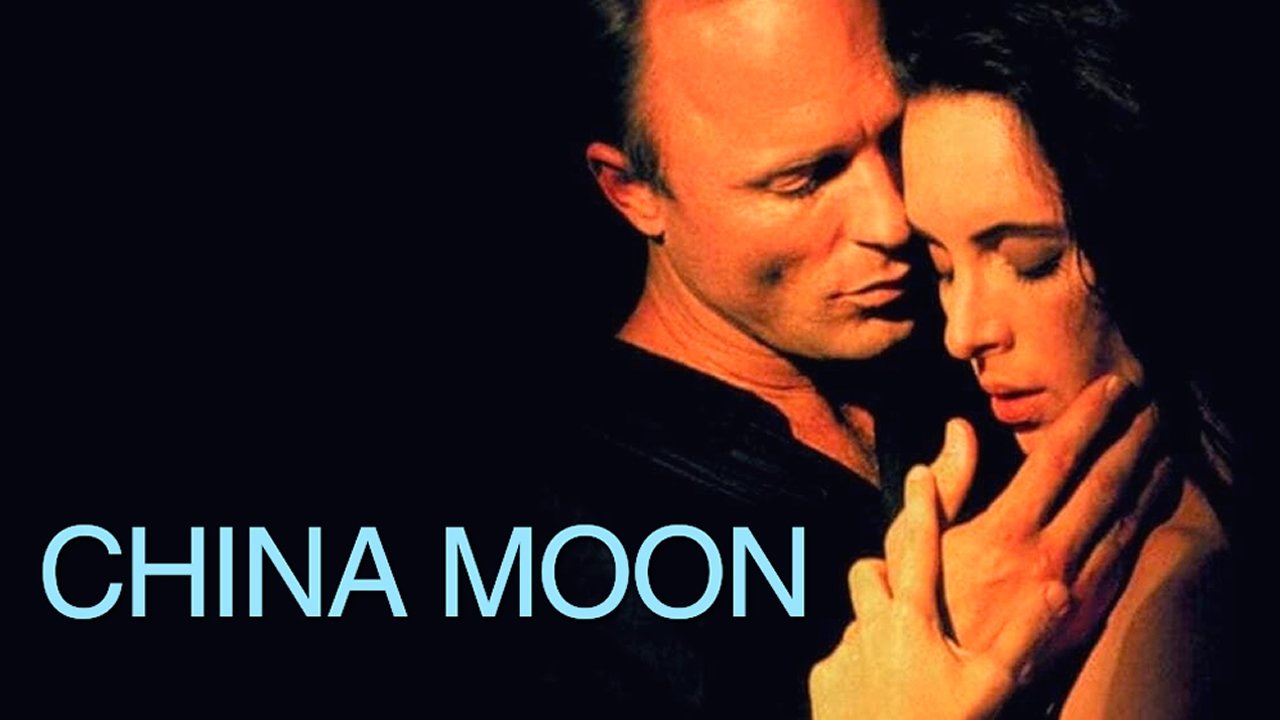
It’s funny how some films just seemed to… appear on the video store shelves, didn't they? No huge fanfare, no massive marketing push, just a compelling cover promising mood and maybe a little danger. China Moon (1994) always felt like one of those discoveries, a tape you might have picked up on a whim, drawn in by the steamy promise of its Florida setting and the familiar faces of Ed Harris and Madeleine Stowe. What you got was a neo-noir thriller simmering with atmosphere, even if its journey to the screen was as tangled as its plot.
### Secrets in the Humid Air
Filmed way back in 1991 but lost in the shuffle of Orion Pictures' financial woes until '94, China Moon arrived carrying the distinct scent of sweat, desperation, and cheap motel rooms. It plunges us into the thick, humid nights of fictional Braxton County, Florida, where Detective Kyle Bodine (Ed Harris, bringing that intense vulnerability he does so well) patrols the quiet streets. His partner is Lamar Dickey (Benicio Del Toro, already showing flashes of the captivating screen presence that would define his later career), but it’s the encounter with the enigmatic Rachel Munro (Madeleine Stowe) that truly sets Bodine’s world off-kilter. Rachel is trapped in a loveless, abusive marriage to the wealthy and controlling Rupert (Charles Dance, oozing sophisticated menace), and soon, she and Kyle are drawn into a dangerous affair shadowed by the inevitable.
This isn't groundbreaking territory, of course. The echoes of classic noir, and particularly Lawrence Kasdan's Body Heat (1981), are undeniable – the sweltering locale, the flawed protagonist falling for a potential femme fatale, the seemingly perfect crime that unravels. Yet, China Moon finds its own footing, largely thanks to its deliberate pacing and the lived-in quality of its world. You can almost feel the sticky vinyl seats of Kyle’s patrol car, hear the cicadas buzzing in the oppressive night.
### A Cinematographer Behind the Camera
A key element here is the director, John Bailey. Many cinephiles will know Bailey not as a director, but as a highly respected cinematographer with credits like Ordinary People (1980), The Big Chill (1983), and the brilliant Groundhog Day (1993). China Moon was one of his relatively few directorial efforts, and his eye for visuals is evident throughout. Working with cinematographer Willy Kurant (Masculin Féminin), Bailey crafts a film steeped in shadows and bathed in the sickly yellow glow of streetlights or the titular pale moonlight over the lake. The Florida locations, primarily around Lakeland, aren't just backdrop; they're characters in themselves, contributing significantly to the film's pervasive sense of unease. It’s a reminder that sometimes, the most atmospheric films come from those who truly understand light and shadow.
### Performances Under Pressure
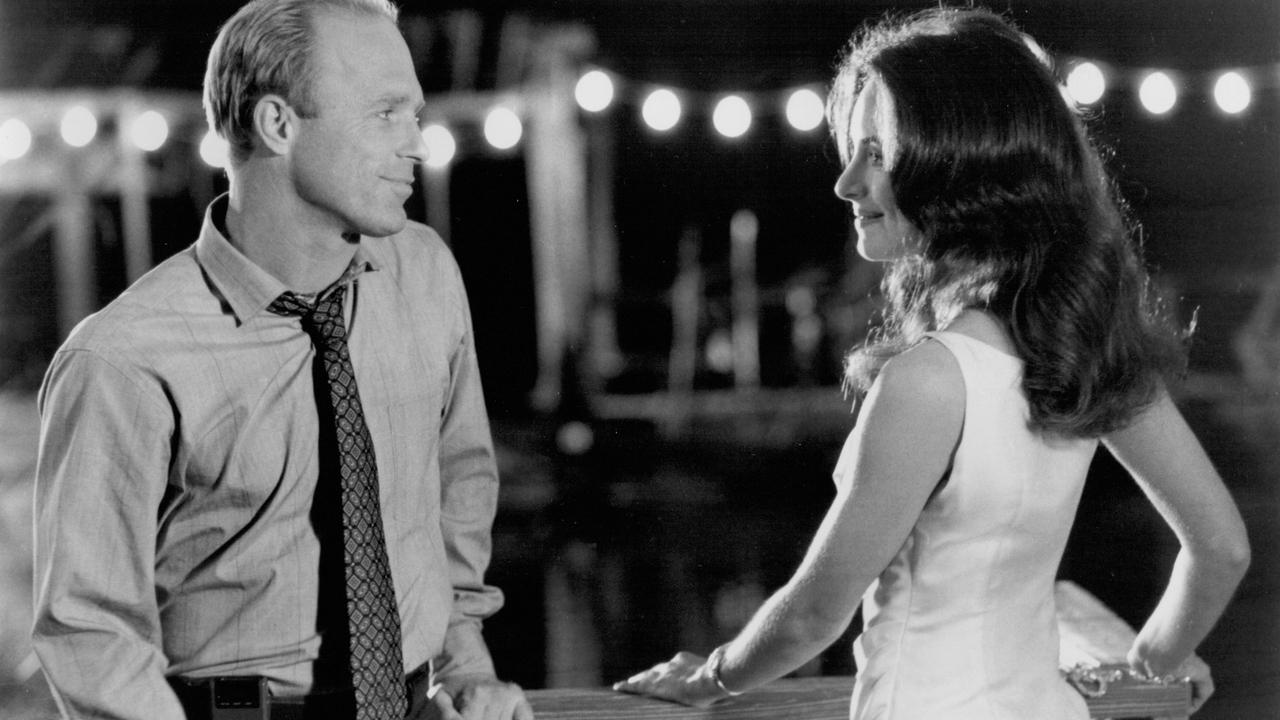
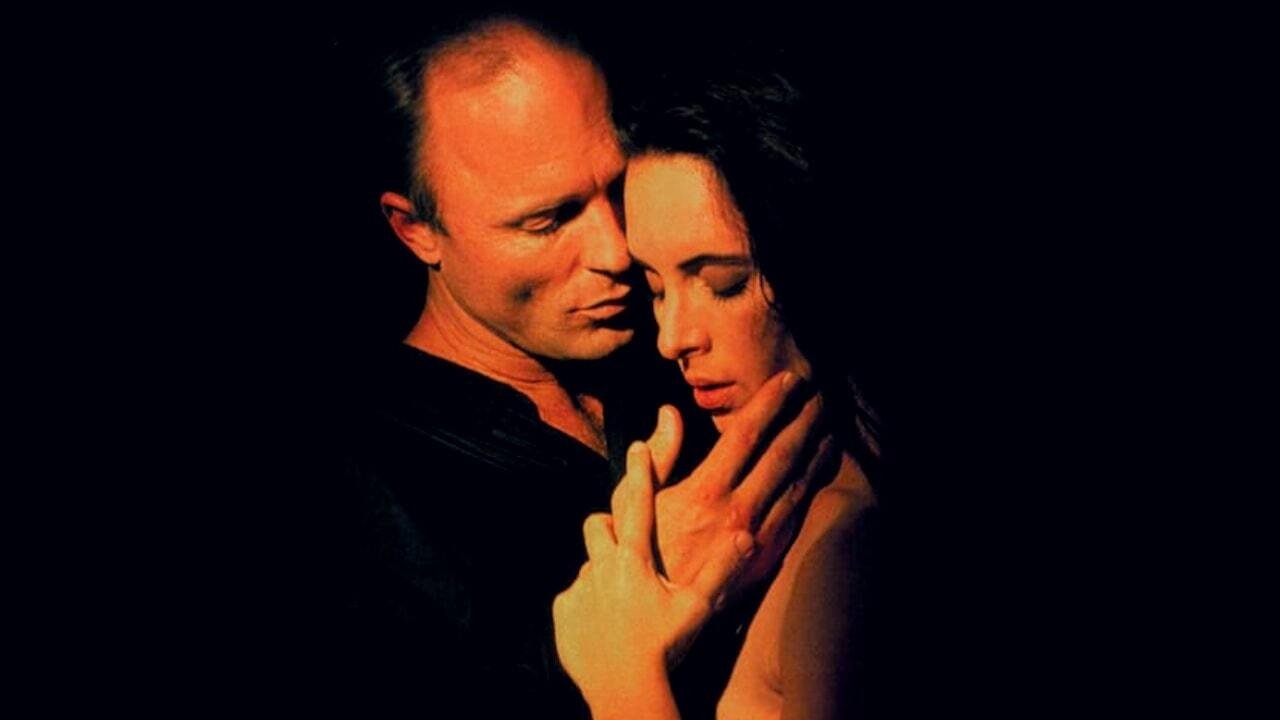
While the plot twists might feel familiar to noir aficionados, the performances give China Moon its lingering power. Ed Harris is exceptional as Bodine. He’s not a slick operator, but a fundamentally decent cop blindsided by passion and perhaps a naive desire to be a hero. You see the conflict warring within him – the professionalism crumbling under the weight of forbidden desire. Harris makes Bodine’s descent feel tragically believable; his methodical police work is precisely what becomes his undoing when applied to concealing a crime.
Madeleine Stowe, fresh off The Last of the Mohicans (1992) and Short Cuts (1993) around the time of release, is equally compelling. Is Rachel a damsel in distress, a calculated manipulator, or somewhere hauntingly in between? Stowe plays these ambiguities beautifully, her expressive eyes conveying vulnerability one moment and chilling resolve the next. The chemistry between her and Harris crackles with a dangerous energy, making their fatal attraction the undeniable core of the film. And Charles Dance provides the necessary chilling counterpoint, his Rupert a portrait of cold, entitled cruelty.
### Buried Treasure from a Troubled Studio
The story behind China Moon's release adds another layer to its cult status. As mentioned, Orion Pictures' bankruptcy proceedings kept it shelved for three years. This delay, coupled with a very limited theatrical run that barely recouped half of its estimated $7 million budget (grossing only around $3 million domestically), meant it largely bypassed mainstream attention. For many of us, its real life began on home video. It became one of those word-of-mouth rentals, a film you’d recommend to a friend looking for a solid, atmospheric thriller that felt slightly more adult and character-driven than the typical 90s blockbuster fare. It’s a shame it got lost, as it’s a well-crafted piece of genre filmmaking that deserved better. There are no flashy effects here, just mood, performance, and a slow-burn narrative.
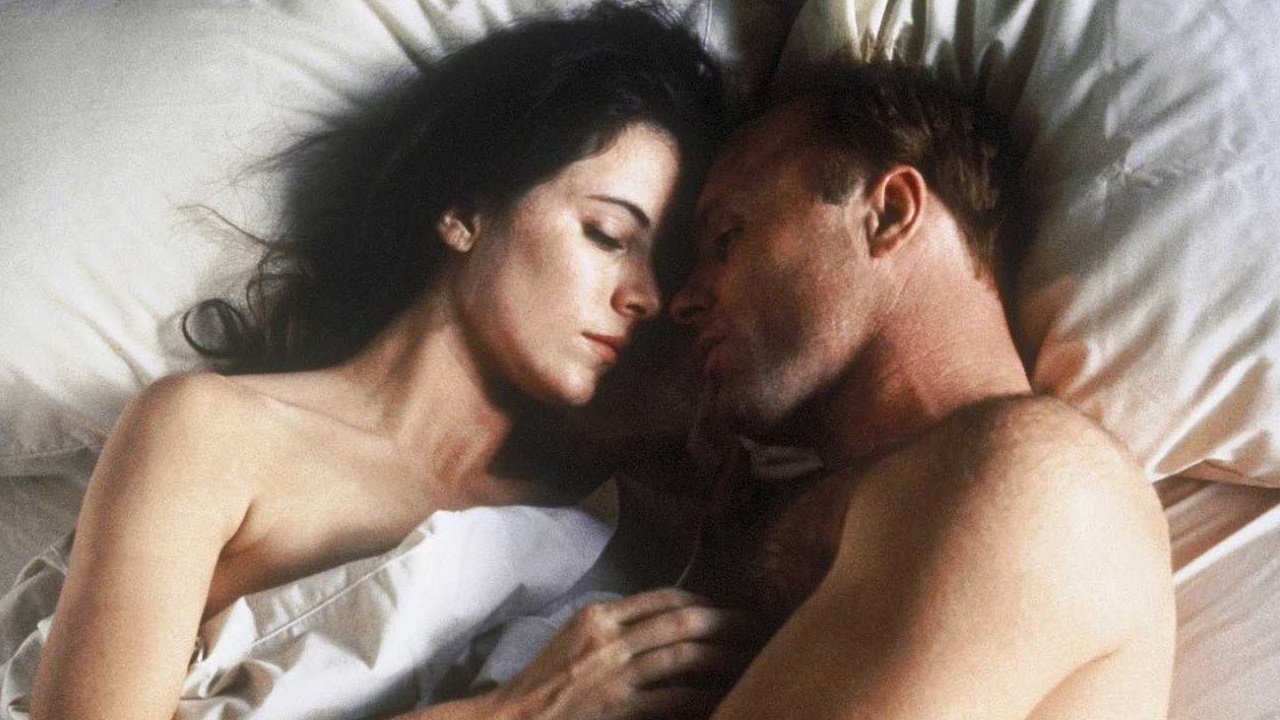
Does it reinvent the wheel? No. Writer Roy Carlson crafts a tight, serviceable script that hits the expected beats, perhaps a little too neatly at times. But what China Moon does, it does well. It captures that specific noir feeling of inevitability, the sense that characters are caught in currents they can’t escape, pulled under by their own desires and mistakes. What lingers isn't necessarily the plot's final revelation, but the suffocating atmosphere and the haunting image of good intentions curdling under a Florida moon.
Rating: 7/10
This score reflects a film that excels in atmosphere and performance, delivering a compelling, if familiar, neo-noir experience. It’s visually strong, thanks to John Bailey’s directorial eye, and anchored by Ed Harris and Madeleine Stowe’s potent chemistry. While the plot doesn’t break new ground and its troubled release hampered its initial impact, China Moon remains a satisfyingly moody thriller and a prime example of the kind of hidden gem many of us were thrilled to discover tucked away on the shelves of our local video store. It’s a potent reminder that sometimes, the quiet ones leave a lasting impression.