How many times have you stared up at ceiling tiles? Waiting rooms, dentist chairs… maybe even a hospital bed. It’s often a moment of vulnerability, of surrender to circumstances. For Dr. Jack MacKee, the brilliantly sharp, emotionally detached heart surgeon at the center of 1991’s The Doctor, those ceiling tiles become an unwelcome mirror, reflecting a life about to be irrevocably changed. It’s this potent image, this sudden shift from the god-like figure wielding the scalpel to the humbled patient on the gurney, that forms the core of this quietly powerful film, a staple of the thoughtful drama section in many a video store back in the day.
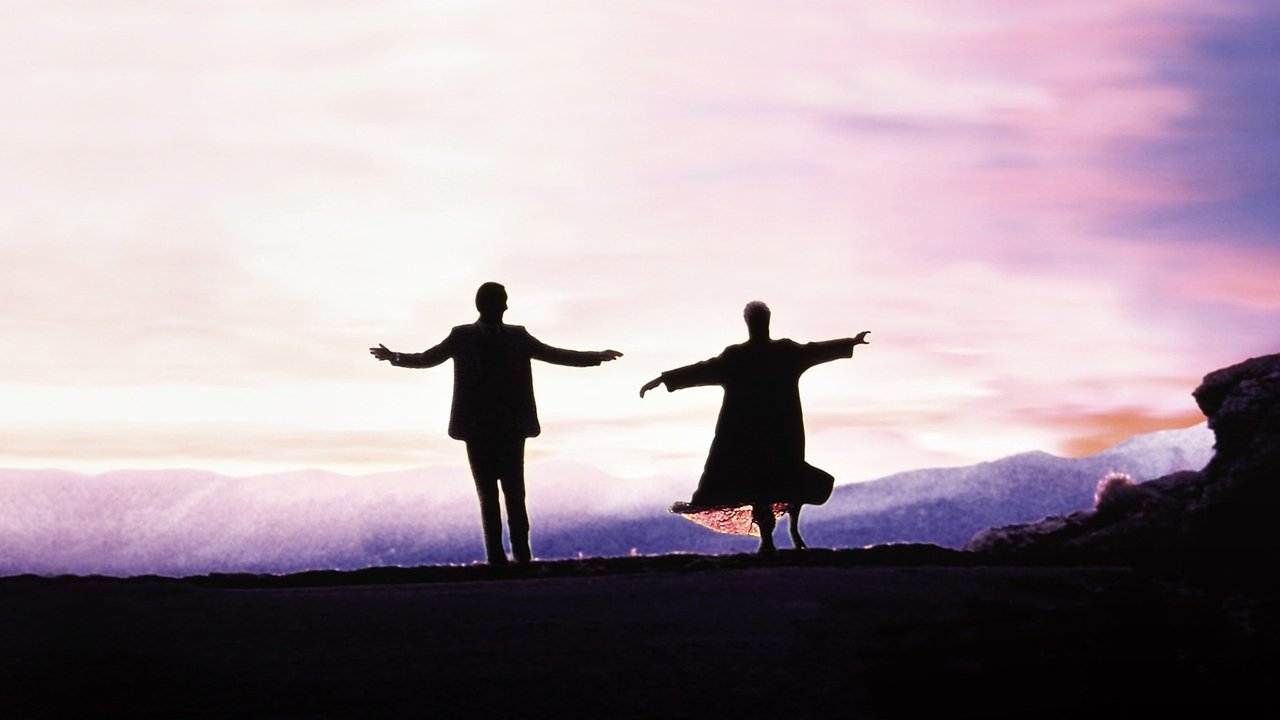
A Dose of Reality
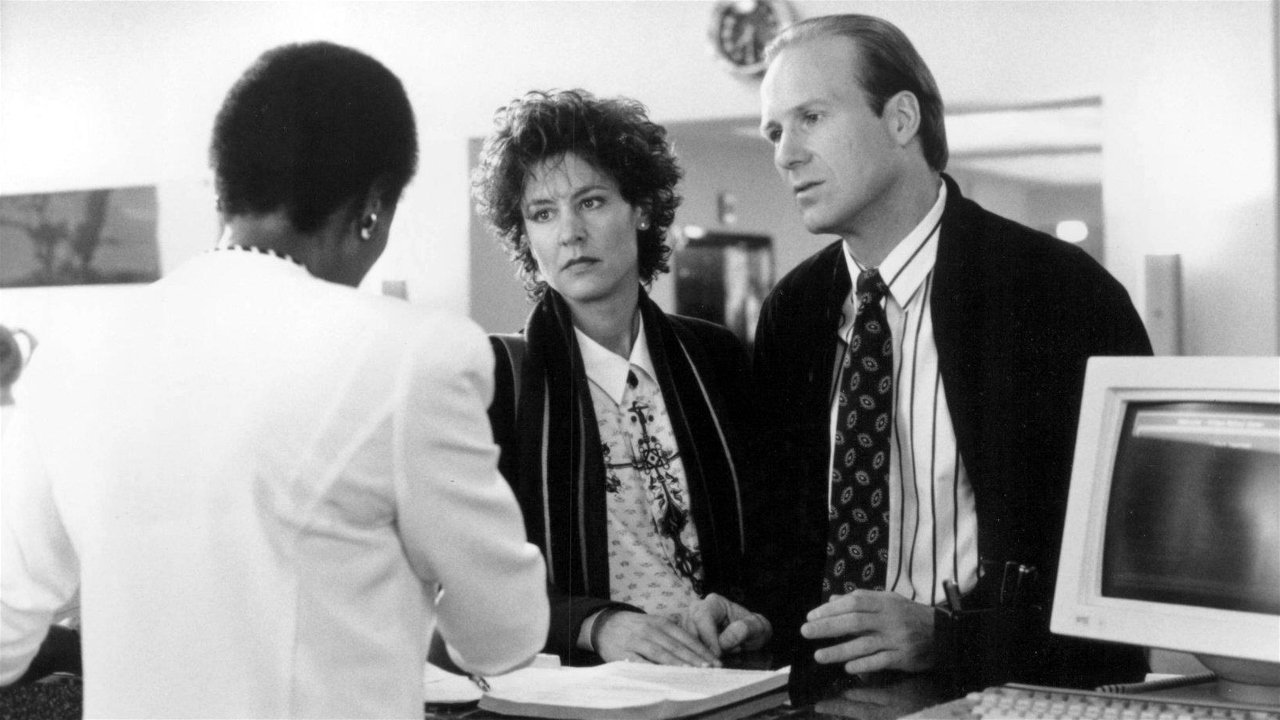
Directed by Randa Haines, who previously guided Marlee Matlin to an Oscar in Children of a Lesser God (1986), The Doctor plunges us into the world of Dr. Jack MacKee, played with masterful nuance by William Hurt. MacKee is at the top of his game – respected, technically flawless, but profoundly disconnected from the emotional reality of his patients. He cracks jokes during surgery, treats patients like collections of symptoms, and maintains a cool distance from his own family, including his wife Anne (Christine Lahti). His world is sterile, controlled, and entirely seen from the perspective of the physician.
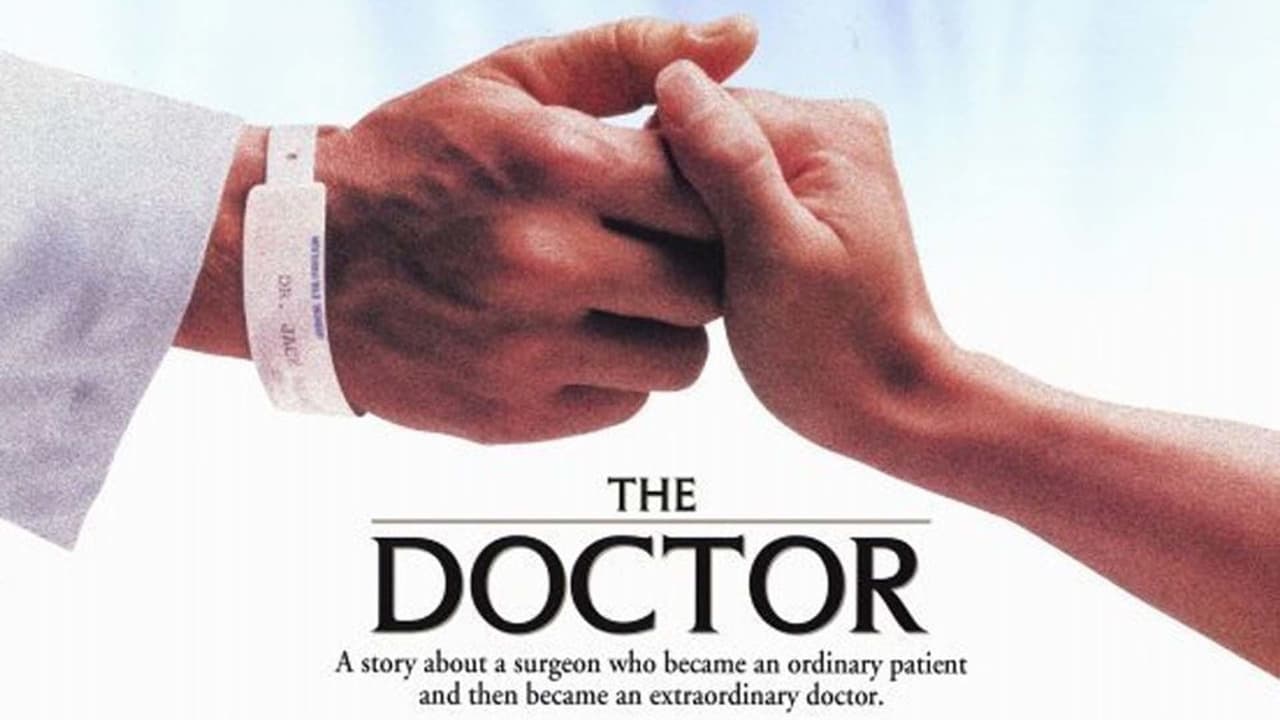
That perspective shatters when a persistent cough leads to a shocking diagnosis: a malignant tumor in his throat. Suddenly, the tables are turned. The film, based on the real-life experience of Dr. Edward E. Rosenbaum chronicled in his book A Taste of My Own Medicine, meticulously details Jack’s journey through the very medical system he once navigated with unquestioned authority. He experiences the long waits, the impersonal technicians, the confusing jargon, the loss of dignity – the myriad frustrations and fears that are the daily reality for patients.
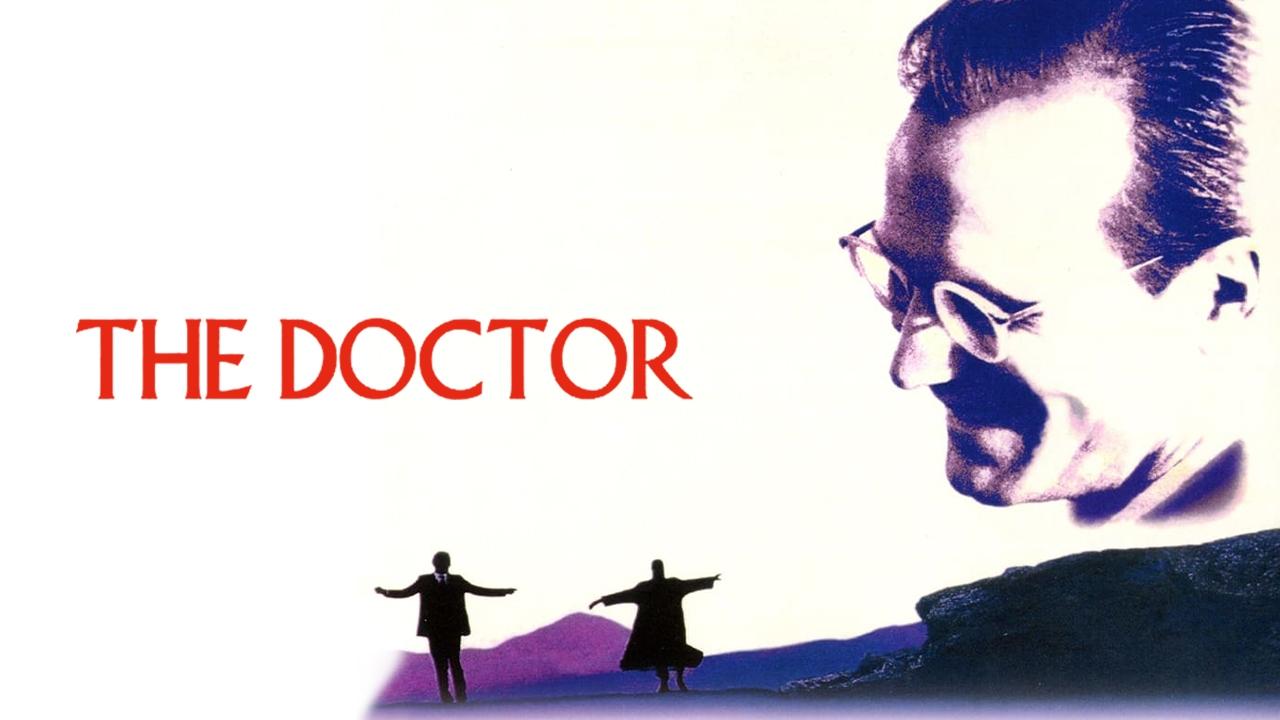
The Human Element
What makes The Doctor resonate, even decades later, isn't just the premise, but the execution. William Hurt delivers a remarkable performance. He doesn't overplay the transformation; instead, he subtly charts Jack's internal shift. We see the cracks appear in his arrogant facade – the flicker of fear in his eyes, the dawning realization of his own past coldness, the slow, painful growth of empathy. It’s a performance built on quiet observation and internalisation, perfectly suited to Hurt’s understated intensity. I remember watching this on a rented tape, probably on a rainy Sunday afternoon, and being struck by how real Hurt made Jack’s predicament feel. You didn't just see a character arc; you felt the weight of his dawning awareness.
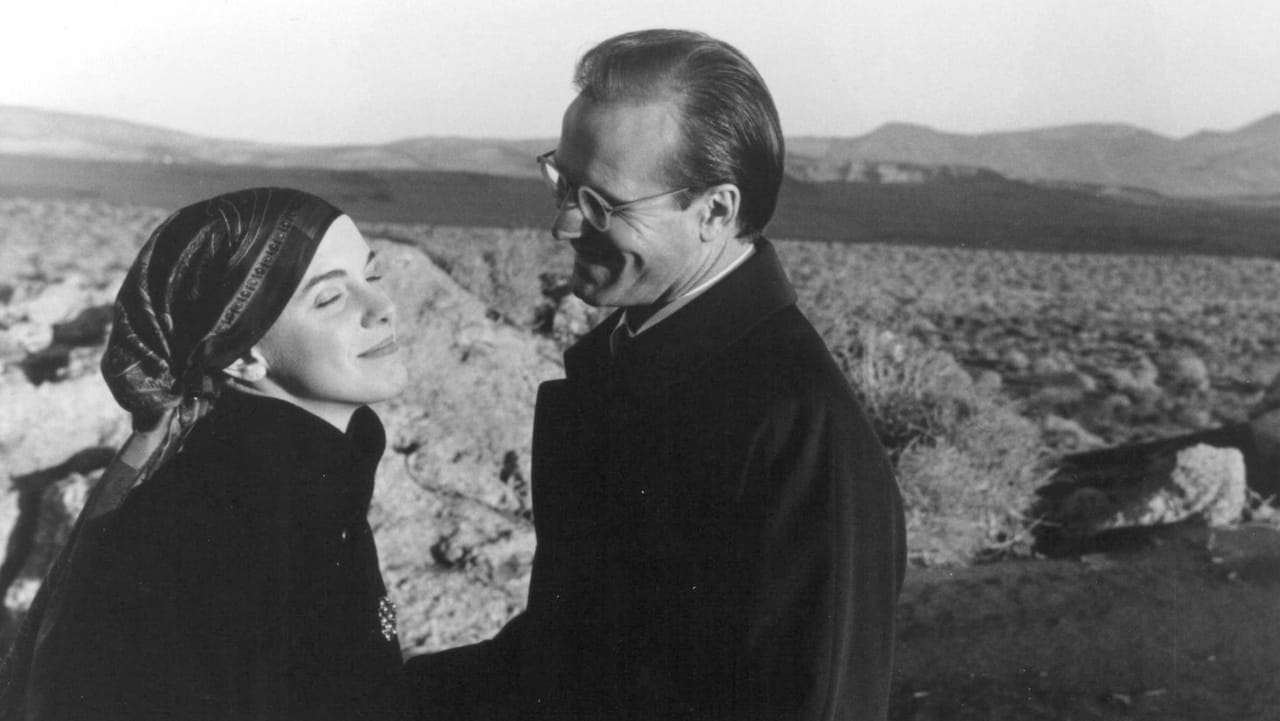
Equally vital is Elizabeth Perkins as June Ellis, a fellow patient facing a terminal brain tumor. June becomes Jack’s unlikely guide and confidante in this bewildering new landscape. Perkins imbues June with a radiant, pragmatic warmth and a devastating honesty. Her scenes with Hurt are the film's emotional anchor, providing moments of genuine connection, shared vulnerability, and even unexpected humor amidst the bleakness. Their relationship avoids easy sentimentality, focusing instead on the profound bond forged by shared experience. It’s a friendship born of necessity that blossoms into something truly meaningful, challenging Jack’s long-held emotional defenses. Christine Lahti, too, is excellent as Anne, portraying the complex mix of fear, resentment, and loyalty felt by the spouse suddenly thrust into the caregiver role, forced to navigate her husband's newfound vulnerability alongside her own anxieties.
Beyond the Diagnosis
Randa Haines directs with a steady, empathetic hand. She avoids overly dramatic flourishes, letting the inherent power of the situation and the strength of the performances carry the film. The cinematography often emphasizes Jack’s isolation or his altered perspective – the aforementioned ceiling shots, the way hospital corridors can feel both anonymous and labyrinthine. The focus remains squarely on the human cost of illness and the potential for transformation when faced with mortality.
The film also serves as a quiet critique of a healthcare system that can sometimes prioritize procedure over personhood. Jack’s frustration with the bureaucracy and lack of compassionate communication feels pointedly relevant even today. Doesn't his journey force us to consider how we treat others when they are at their most vulnerable? It asks fundamental questions about empathy: Can we truly understand another's suffering until we've walked, even briefly, in their shoes?
Interestingly, the film was a modest success upon release, costing around $20-25 million and earning back $38 million domestically. It wasn't a blockbuster, but it clearly struck a chord, tapping into universal anxieties about health, mortality, and the medical establishment. It found its long-term audience, I suspect, through home video, where its quiet power could be appreciated without the multiplex bustle. It became one of those reliable rentals, a film you’d recommend to someone looking for something with substance.
Rating: 8/10
The Doctor earns its 8 rating through its compelling central performance, strong supporting cast, and its thoughtful, humanistic approach to a challenging subject. William Hurt's portrayal of Dr. MacKee's enforced journey towards empathy is deeply affecting and believable. While the narrative arc might follow certain expected beats of redemption, the sincerity of the performances and Randa Haines’ sensitive direction elevate it beyond formula. It avoids melodrama, focusing instead on the quiet, internal shifts that constitute real change.
It's a film that reminds us, with poignant clarity, that behind every diagnosis, every chart, every procedure, there is a human being waiting, perhaps just hoping, for a moment of genuine connection. What lingers most is not the medical drama, but the profound and enduring lesson in empathy.