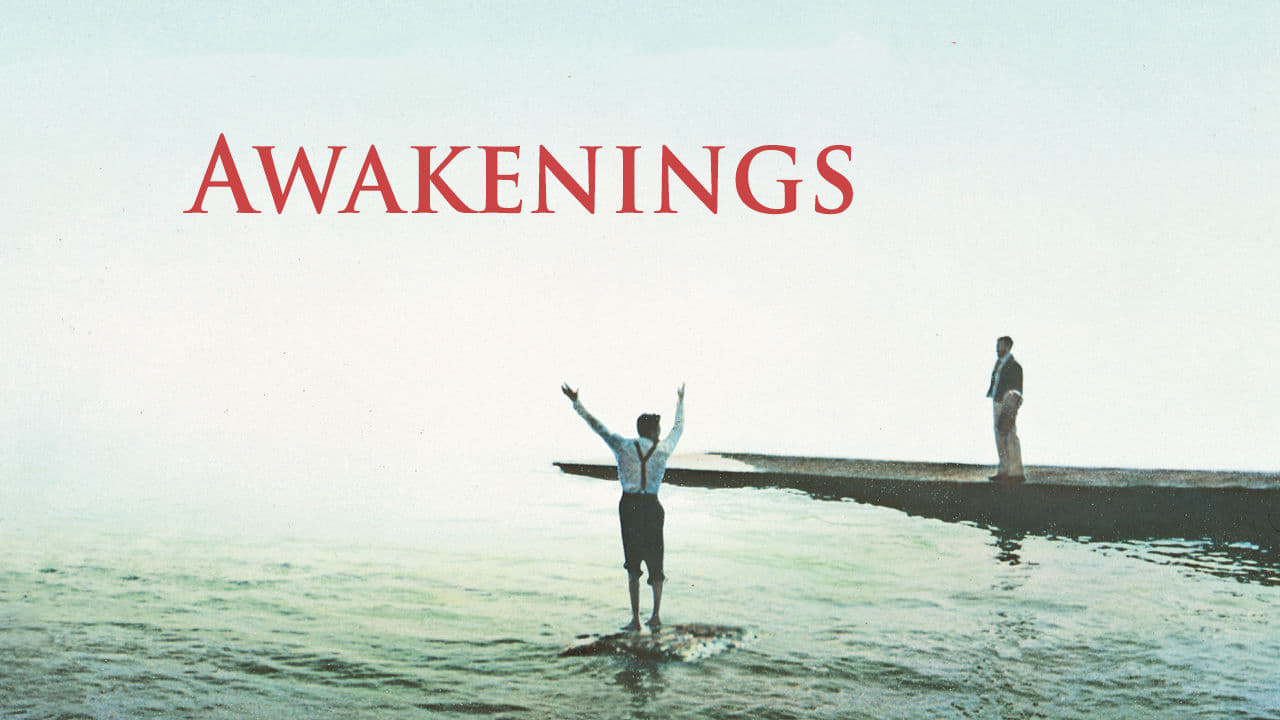
There's a particular kind of quiet that settles over places dedicated to long waiting, a stillness heavy not just with silence, but with lives held in suspension. It’s this profound quiet that first envelops you in Penny Marshall’s deeply moving 1990 film, Awakenings. Watching it again recently, decades after first sliding that familiar black cassette into the VCR, that initial atmosphere felt just as potent, a hushed prelude to a story that asks fundamental questions about what it truly means to be alive.

Based on the 1973 memoir by neurologist Oliver Sacks, Awakenings transports us to the fictional Bainbridge Hospital in 1969. Here, we meet Dr. Malcolm Sayer (Robin Williams), a shy, research-focused physician taking on a clinical role caring for patients suffering from encephalitis lethargica, a devastating illness that left its victims catatonic, frozen for decades. The film paints a poignant picture of these individuals – not merely patients, but people locked away inside themselves, their potential and personalities dormant beneath an unmoving surface.
A Glimmer in the Stillness
Into this world of quiet resignation, Dr. Sayer brings an inquisitive mind and a deep wellspring of empathy, qualities Robin Williams conveys with remarkable restraint. Known more widely then for his explosive comedic energy, Williams here offers a performance of quiet intensity and profound compassion. He sees not just symptoms, but the ghosts of the people within. His conviction that something can be done leads him to experiment with the then-new drug L-Dopa, primarily used for Parkinson's disease. It’s a gamble, born of observation and a refusal to accept the status quo.
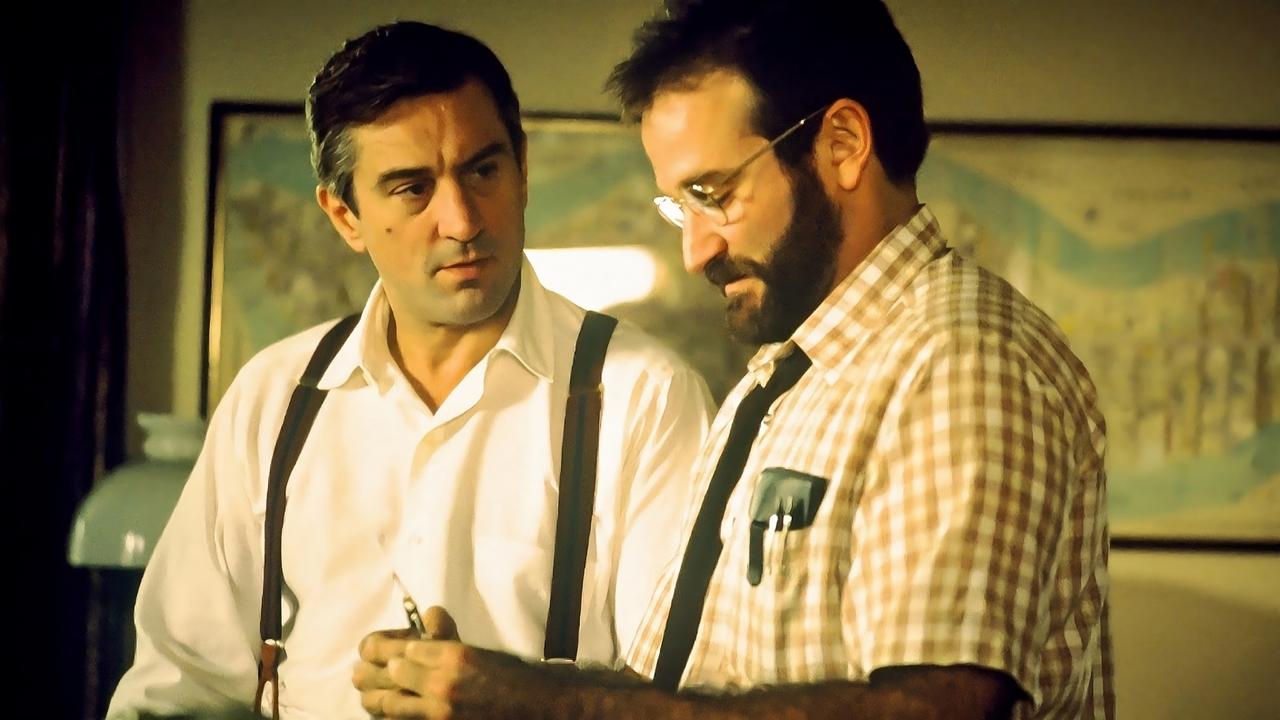
The results, when they come, are nothing short of miraculous. Patients who haven't moved or spoken meaningfully in decades begin to stir, to interact, to awaken. The film captures this period with a sense of fragile, almost unbelievable joy. Marshall, directing with a sensitivity honed perhaps from her earlier success with Big (1988), allows these moments to breathe, focusing on the small details – a hand reaching out, a name whispered, a tentative dance step.
Portraits of Humanity
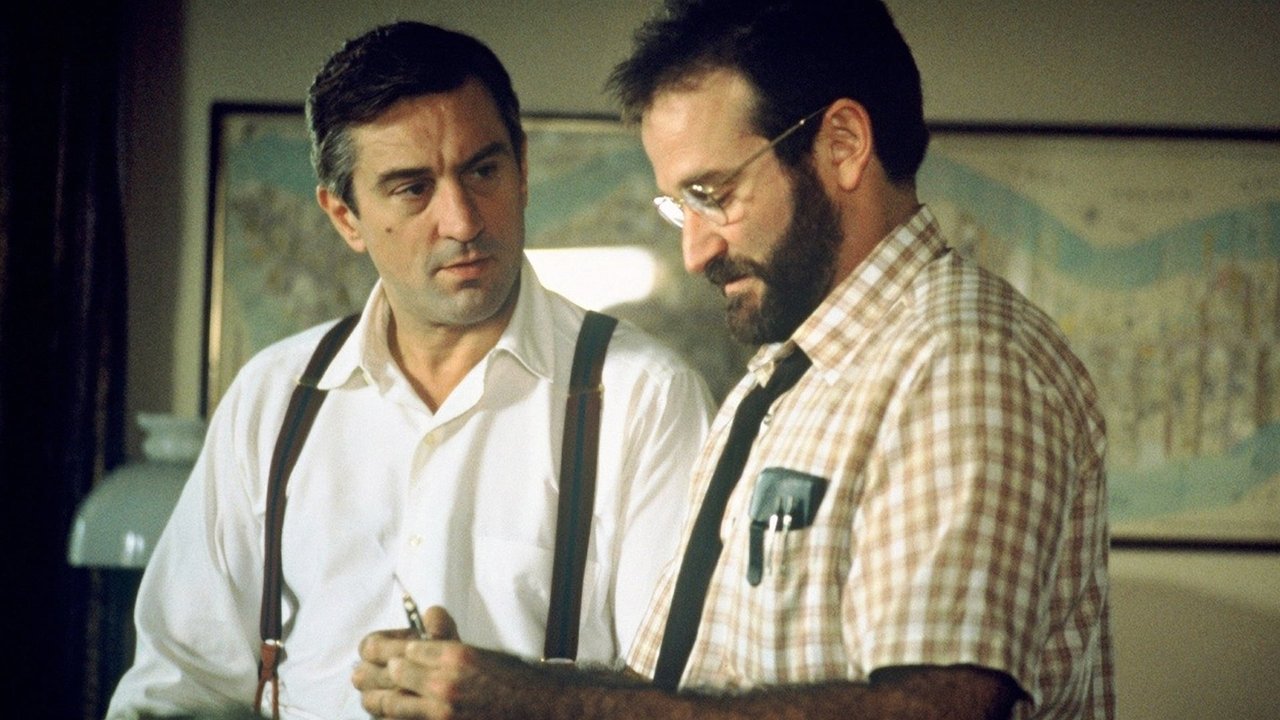
At the heart of these awakenings is Leonard Lowe, brought to shattering life by Robert De Niro. It's a performance that remains staggering in its physical and emotional commitment. De Niro reportedly spent countless hours studying Oliver Sacks' original patient footage, immersing himself in the complex tics and tremors associated with the condition and the drug's effects. But beyond the incredible physical transformation, De Niro captures Leonard's rediscovered soul – the initial wonder, the burgeoning desire for connection and independence, the simple joys of music or a walk outside, and later, the profound frustration and sorrow. His scenes with Williams crackle with a unique chemistry – the dedicated doctor and the patient who becomes both a symbol of hope and a painful reminder of the cure's limitations. It's worth noting that the real Oliver Sacks was so involved and supportive that he even has a brief cameo as a hospital staff member – a subtle nod to the film's grounding in lived experience.
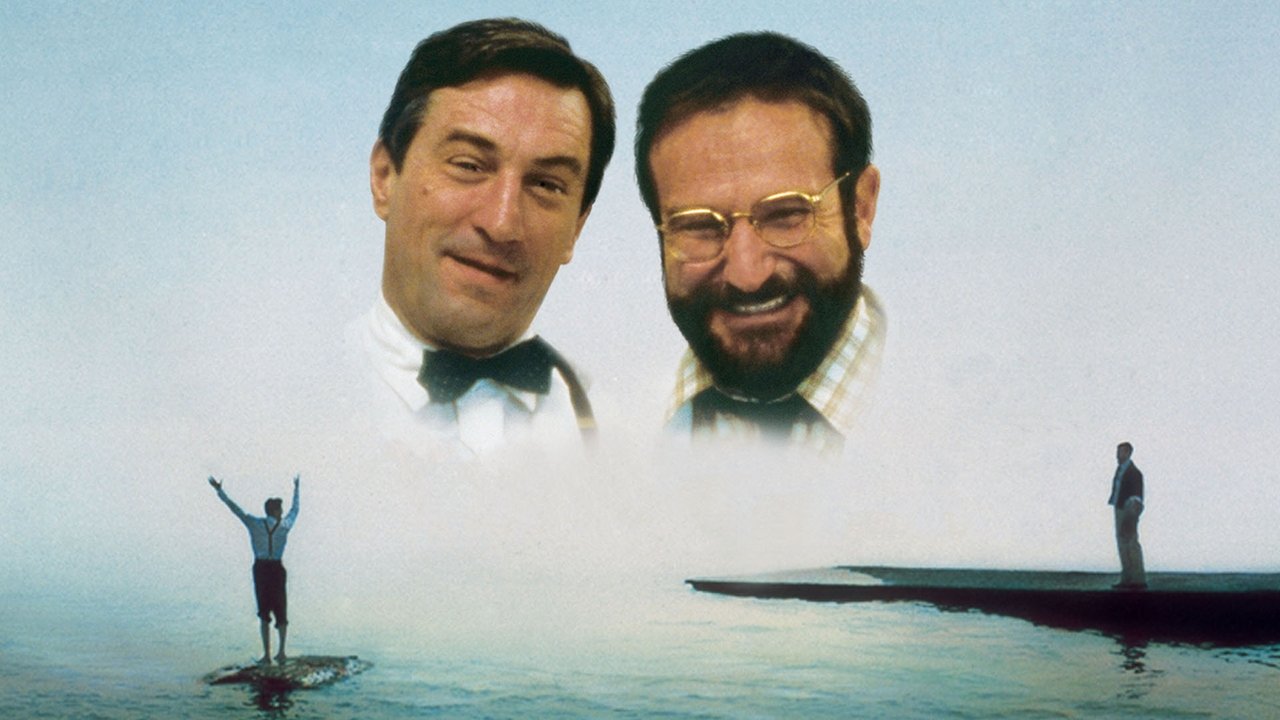
The supporting cast, including John Heard as the initially skeptical hospital administrator Dr. Kaufman, and the ensemble playing the other patients, provide a rich tapestry of human experience. Each awakening feels distinct, reminding us that these were individuals with unique histories and desires, now grappling with decades of lost time.
The Unspoken Questions
Awakenings doesn't shy away from the complexities. As the initial euphoria fades and the L-Dopa begins to produce difficult side effects, eventually losing its efficacy for many, the film confronts tougher questions. What constitutes a cure? Is a temporary return to 'normalcy' worth the inevitable pain of its loss? We see Leonard and the others wrestle with this second fading, a heartbreaking echo of their original descent into stillness. It forces a reflection, doesn't it, on how we value time and experience? Does the intensity of the awakening diminish its worth when it proves ephemeral?
The screenplay by Steven Zaillian (who would later pen Schindler's List), expertly adapts Sacks' nuanced medical memoir into a deeply human drama. It avoids easy answers, instead focusing on the profound connections forged – between doctor and patient, between the patients themselves, and between the awakened individuals and a world that has moved on without them. The film earned critical acclaim, including three Academy Award nominations for Best Picture, Best Actor (De Niro), and Best Adapted Screenplay (Zaillian), cementing its place as a significant, thoughtful drama of the era.
The Lingering Resonance
Watching Awakenings today, it retains its power to move. It's a film devoid of cynicism, filled instead with a profound respect for human resilience and the simple dignity of connection. The 80s and 90s gave us plenty of spectacle, but films like this offered something else – a quiet space for reflection on the human condition. I remember renting this tape, perhaps drawn in by the star power of Williams and De Niro, and being utterly unprepared for the emotional journey. It’s one of those films that doesn't just entertain; it stays with you, prompting thoughts about empathy, the preciousness of awareness, and the spirit's endurance even when the body falters.
Rating: 9/10
This score reflects the film's exceptional performances, particularly from De Niro and Williams, Penny Marshall's sensitive direction, and its enduring thematic depth. It masterfully translates complex medical and ethical issues into a profoundly affecting human story that avoids excessive sentimentality. While the pacing is deliberate, it serves the reflective nature of the narrative perfectly.
Awakenings remains a potent reminder, delivered with grace and compassion, that the human spirit often burns brightest not in grand gestures, but in the simple, precious moments of connection and awareness. It leaves you contemplating the quiet miracle of just being.