It begins, as so many family chronicles do, with arrival. A ship gliding into the harbor, carrying Sam Krichinsky (Armin Mueller-Stahl) towards a new life in America, specifically Baltimore. But Barry Levinson's Avalon (1990) isn't just about beginnings; it's a deeply felt meditation on the slow, almost imperceptible ways families evolve, sometimes grow apart, and how the currents of progress can reshape traditions until they're barely recognizable. Watching it again, decades after first seeing it likely on a rented tape, the film settles over you like a warm, yet melancholic, blanket of memory.
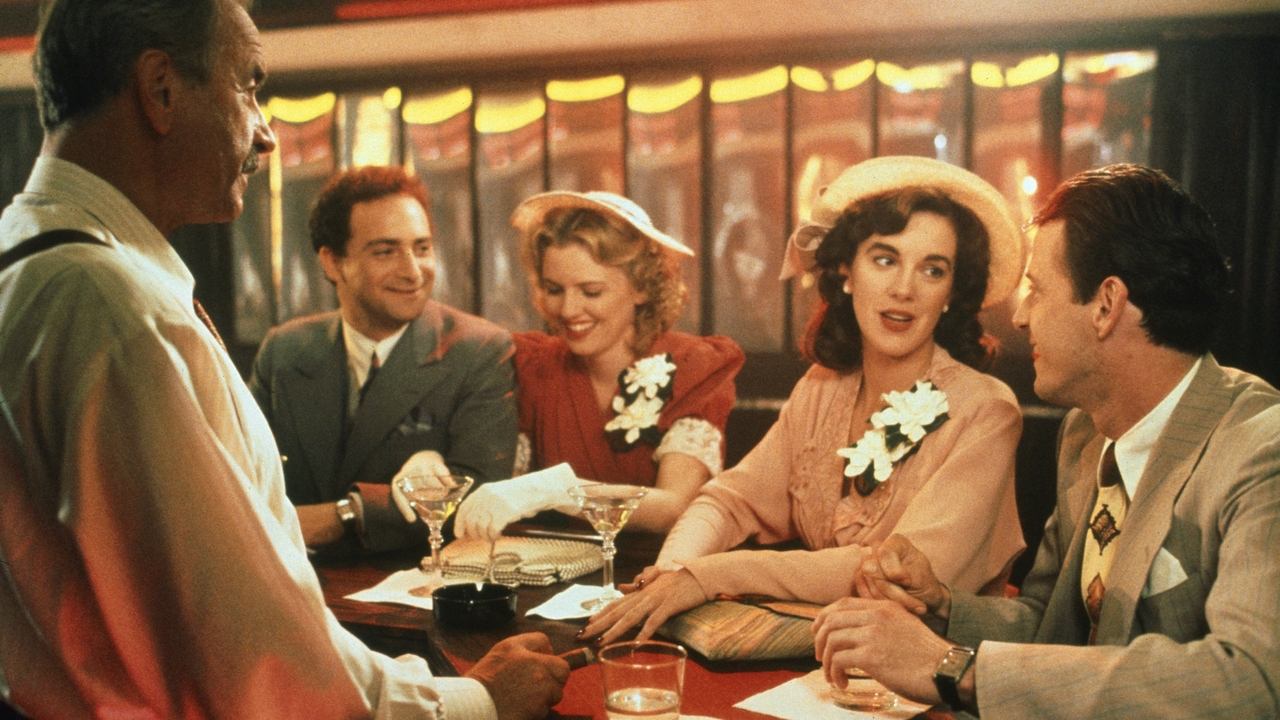
Levinson, drawing heavily from his own family history (this is the third gem in his Baltimore quartet, nestled between Diner (1982) and Tin Men (1987), and preceding Liberty Heights (1999)), crafts a narrative that feels less like a structured plot and more like flipping through a cherished, slightly faded photo album. We witness the Krichinsky family across generations – their joys, their squabbles, their gradual assimilation into American suburban life. The director’s touch is gentle, observational, letting moments breathe and characters reveal themselves through small gestures and heartfelt, sometimes clumsy, interactions.
The Weight of Small Moments
What truly anchors Avalon is the ensemble cast, delivering performances of remarkable naturalism. Armin Mueller-Stahl, as the patriarch Sam, is the film's soul. His eyes hold the weight of the old world and the wonder, tinged with bewilderment, of the new. He conveys so much with a quiet glance or a nostalgic anecdote, embodying the immigrant experience with profound dignity. Opposite him, the legendary Joan Plowright as his wife Eva is equally compelling, a matriarch trying to hold onto traditions even as her children and grandchildren drift towards modernity. Their dynamic forms the emotional core, a poignant representation of a generation grappling with change.
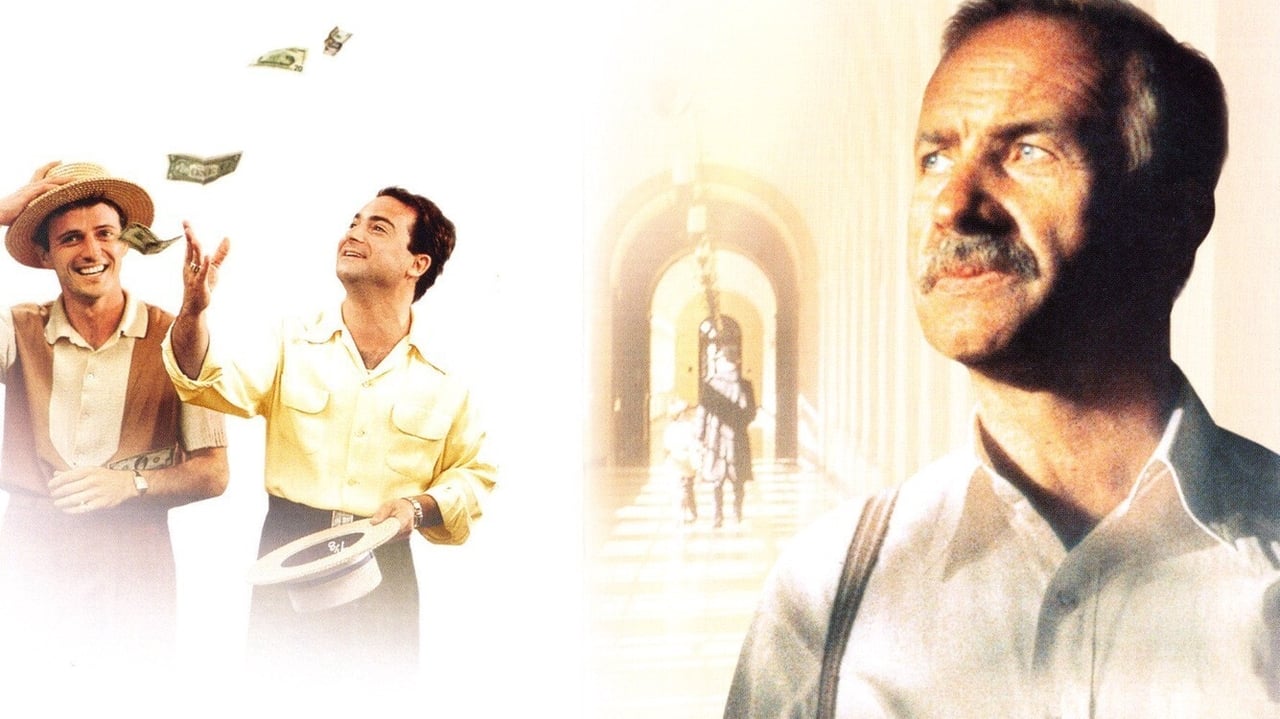
The younger generation, particularly Elizabeth Perkins as Ann Kaye, Sam's observant niece (though often mistaken or recalled as his daughter-in-law due to her central role in the family dynamics), and Aidan Quinn as her husband Jules, capture the allure and anxieties of postwar prosperity. Their move to the suburbs, their embrace of television – these aren't depicted as inherently bad, but Levinson subtly shows the cost. The infamous Thanksgiving scene, where the family starts carving the turkey before Sam and Eva arrive, delayed by a longer-than-expected drive from the city, isn't just about impatience; it’s a fracture, a small betrayal born of changing priorities and geographical distance. It’s a scene that resonates precisely because it feels so utterly, tragically real.
Television's Glowing Hearth
Central to the film's thematic tapestry is the arrival and eventual dominance of television. Initially a novelty, a source of communal wonder, the glowing box gradually becomes the new hearth, subtly rearranging family life. Conversations become fragmented, directed towards the screen rather than each other. Levinson isn't heavy-handed about it, but the visual motif is powerful. Remember how those early CRT sets dominated living rooms? Avalon captures that shift, showing how technology, meant to connect, could also quietly isolate. It makes you wonder, doesn't it, how devices continue to reshape our own family interactions today?
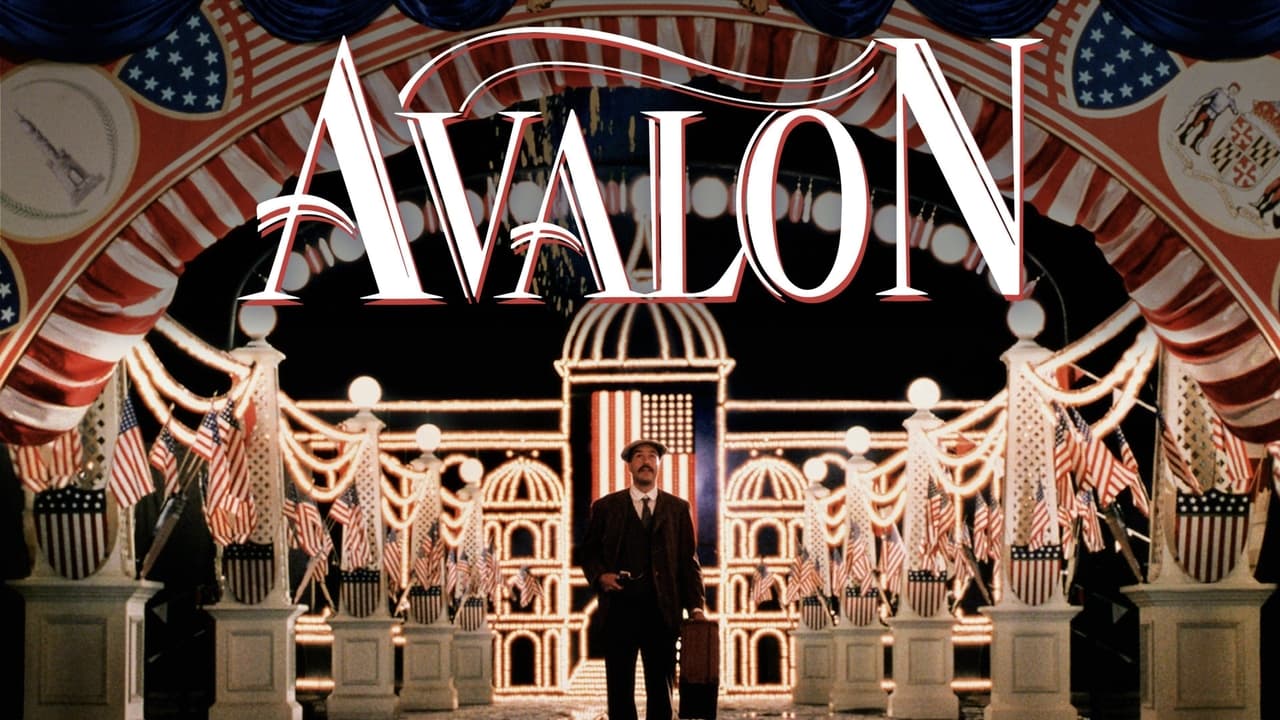

The film itself possesses a warm, burnished look, thanks to the beautiful cinematography by the late, great Allen Daviau (who also shot E.T. the Extra-Terrestrial (1982)). Combined with Randy Newman's evocative, Oscar-nominated score, the film achieves an atmosphere thick with nostalgia, yet clear-eyed about the passage of time. It’s interesting to note that despite critical acclaim and four Academy Award nominations (including Best Original Screenplay for Levinson), Avalon wasn’t a massive box office success, perhaps contributing to its status as a slightly overlooked treasure from the era. It grossed around $15.7 million on a budget estimated near $20 million – a modest return that likely meant fewer copies circulating in the video stores compared to bigger hits.
A Story That Stays With You
What lingers most after watching Avalon isn't a specific plot point, but a feeling – a sense of warmth mixed with an undeniable ache for things lost. It’s the bittersweet recognition that progress has a price, that assimilation involves shedding parts of oneself, and that family bonds, while strong, are subject to the erosions of time and distance. It doesn’t offer easy answers, but instead invites reflection on our own family histories, the traditions we keep, and the ones that have faded away. I recall finding this tape tucked away at the local video store, perhaps drawn by Levinson’s name after loving Rain Man (1988), and being surprised by its gentle power, so different from the usual blockbuster fare.
Avalon is a film crafted with immense heart and sensitivity. It’s a loving portrait of a specific time and place, yet its themes of family, memory, and change are universal and timeless.
Rating: 9/10
This score reflects the film's exceptional craftsmanship, the deeply authentic performances, its poignant emotional resonance, and Levinson's masterful handling of complex themes with subtlety and grace. It avoids melodrama, earning its emotional impact through honest observation. It’s a near-perfect example of personal filmmaking that speaks to universal truths. Avalon remains a beautifully rendered piece of cinematic nostalgia that gently asks us to consider what holds a family together, and what happens when those ties begin to fray.