There’s a certain kind of quiet rebellion captured on film that resonates long after the tape stops whirring. It’s not about explosions or grand pronouncements, but the hesitant shuffle of someone trying to find their footing in a world that expects them to stand still. This feeling is the very soul of Massimo Troisi’s 1981 directorial debut and star vehicle, Ricomincio da tre (literally "I Restart from Three"), a film that ambled its way into the hearts of Italians and became a cultural touchstone, yet might feel like a fresh, gentle discovery for many of us who haunted the international aisles of the video store.
A Journey Measured in Hesitations
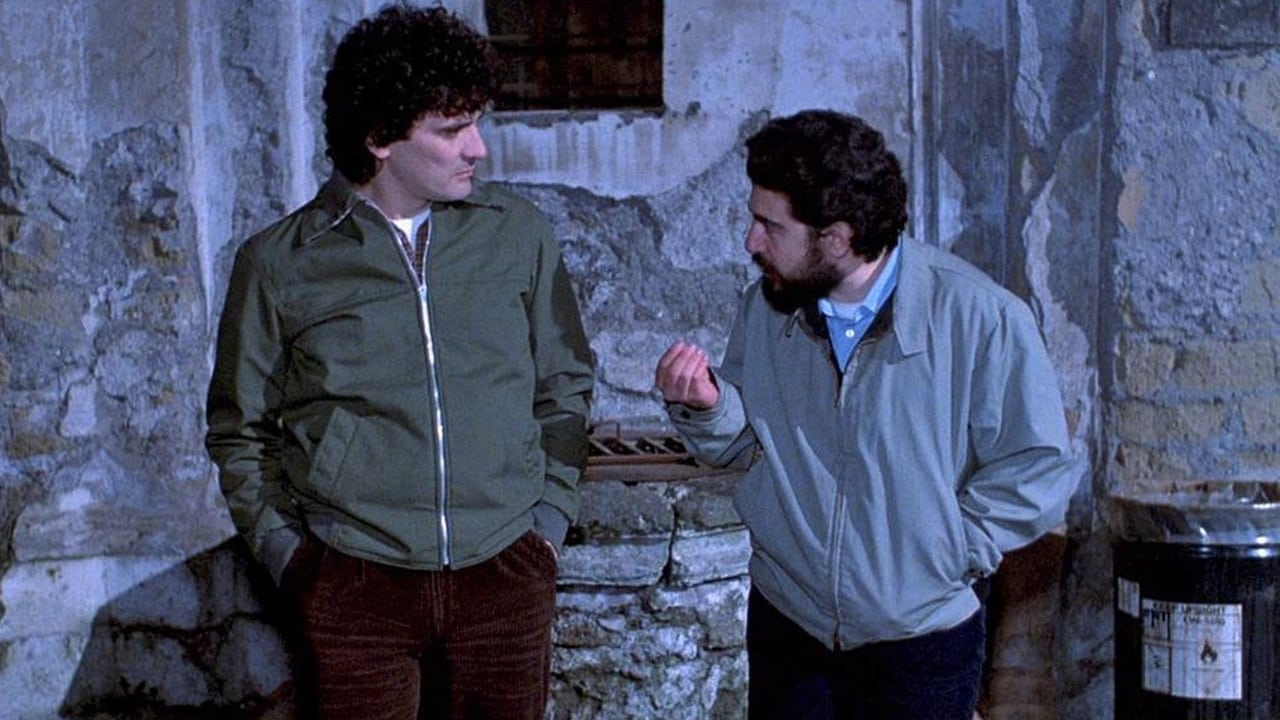
The premise is deceptively simple: Gaetano (Massimo Troisi), a young Neapolitan man weighed down by a gentle ennui and the well-meaning expectations of his family and friends, decides to leave Naples. Not emigrating, he insists, just… moving. Hitchhiking north to Florence, he seeks something different, though he can barely articulate what that might be. When challenged that one starts from zero, or perhaps from one, Gaetano’s quiet, almost mumbled logic offers the title: why not start from three? It’s this subtle, sideways approach to life, this questioning of assumed norms, that defines both Gaetano and the film itself.
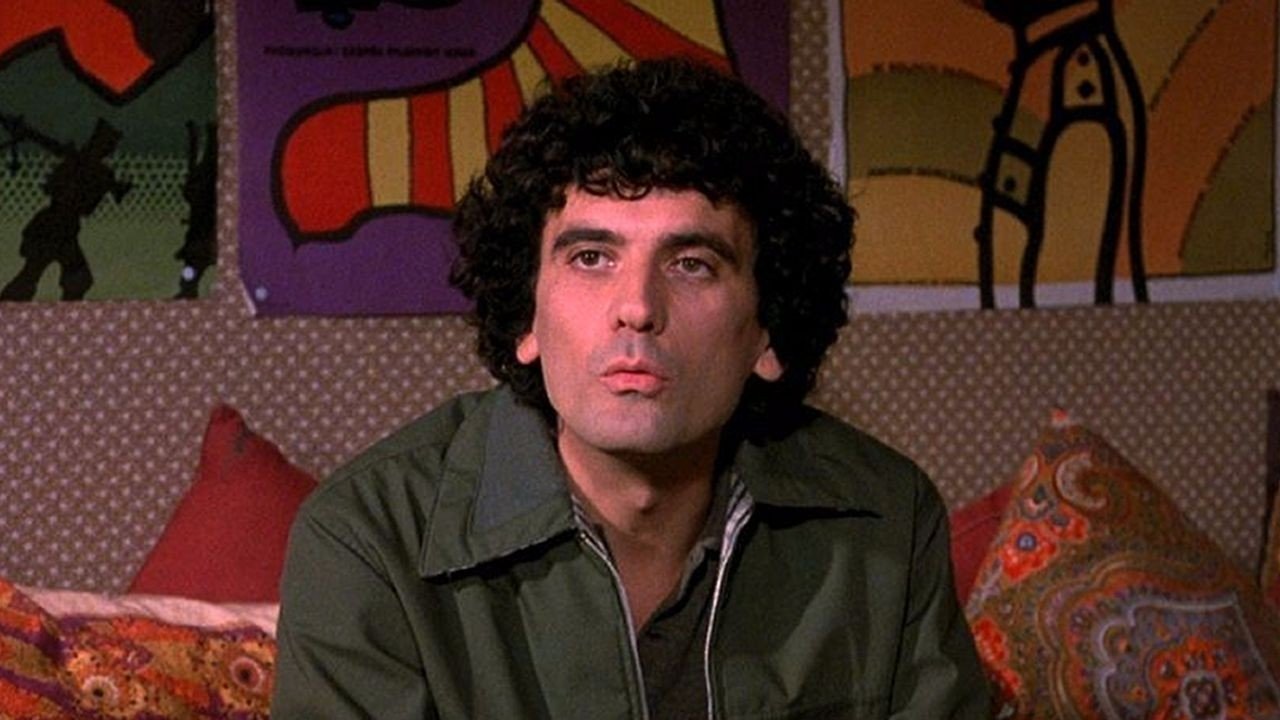
Troisi, who also wrote the screenplay (with Anna Pavignano), crafts a character unlike any typically seen leading a comedy. Gaetano is passive, shy, prone to long pauses and philosophical musings delivered with a shrug. His humour arises not from witty retorts, but from his earnest confusion, his verbal fumbling, and the inherent absurdity he perceives in everyday interactions. Watching Troisi is mesmerizing; his timing is impeccable, finding profound comedy and melancholy in the spaces between words. It’s a performance built on nuance, a masterclass in understated charisma that feels startlingly authentic.
Florence, Friendship, and Finding… Something
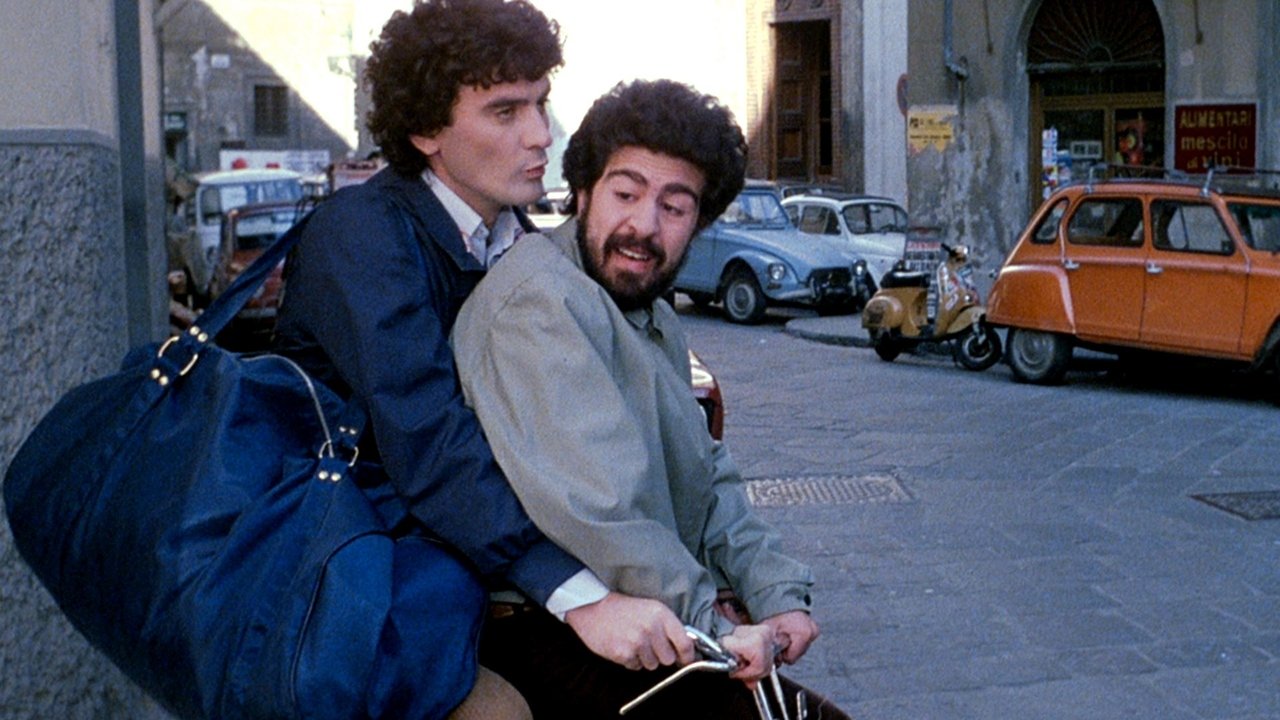
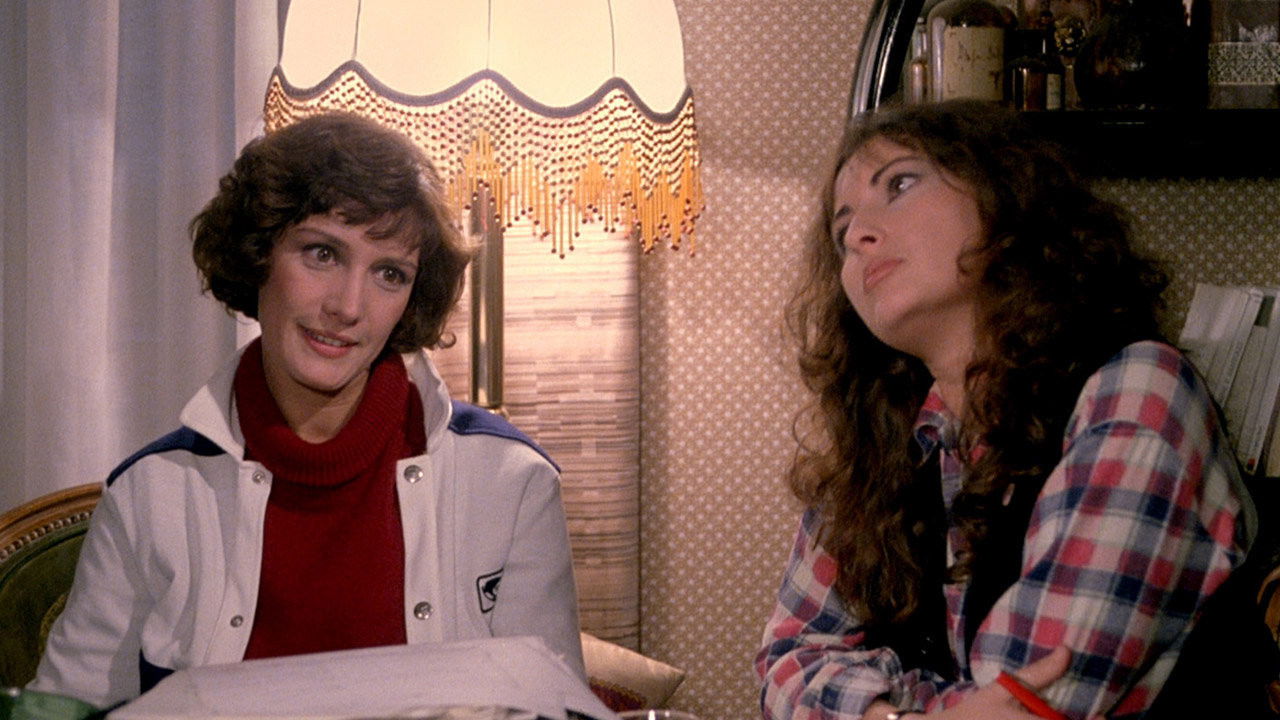
In Florence, Gaetano finds lodging and eventually meets Marta (Fiorenza Marchegiani), a modern, independent young woman with her own life and complexities. Their budding relationship forms the film's gentle core, explored through conversations that feel improvised and utterly real. Marchegiani provides a lovely counterpoint to Troisi's hesitant energy, her warmth grounding Gaetano's philosophical drift.
The film also thrives on the contrast provided by Gaetano's best friend from Naples, Lello (the wonderfully energetic Lello Arena). Lello embodies the traditional, boisterous Neapolitan spirit that Gaetano is subtly trying to distance himself from. Arena, Troisi's longtime comedic partner, is hilarious, delivering rapid-fire pronouncements and exaggerated reactions that perfectly highlight Gaetano's quiet introspection. Their scenes together are comedic gold, showcasing a deep understanding forged through years of collaboration, yet always serving the film’s thematic exploration of tradition versus personal aspiration.
The Quiet Hum of Genius
What truly elevates Ricomincio da tre beyond a simple fish-out-of-water comedy is its pervasive atmosphere of thoughtful melancholy. Troisi, as director, employs a patient, observant style. He lets scenes breathe, allowing the unsaid to carry as much weight as the dialogue. The humour is gentle, observational, often tinged with a wistful understanding of human folly and the difficulties of genuine communication. It’s a film that asks quiet questions about identity, belonging, and the courage it takes to simply try something different, even if you're not sure what it is.
It’s almost impossible to overstate the impact this film had in Italy. Made on a modest budget, it became an unprecedented box office phenomenon, reportedly outgrossing even Spielberg’s E.T. the Extra-Terrestrial there. Troisi became an overnight national treasure, his unique comedic persona capturing something essential about the Italian spirit, particularly the blend of fatalism and hopeful striving often associated with Naples. Finding a copy of this on VHS felt like uncovering a secret – a window into a specific cultural moment, carried by a singularly captivating performance. It wasn't the kind of film you'd typically find promoted heavily outside of Italy, making that discovery all the sweeter.
Still Resonating After All These Years
Does Gaetano’s gentle quest still speak to us? Absolutely. In a world that often feels louder and more demanding than ever, his quiet search for a personal starting point – not zero, not one, but three – feels remarkably relevant. It’s a reminder that significant change doesn’t always require shouting; sometimes, it begins with a hesitant step in a slightly different direction. The film’s charm lies in its unassuming nature, its ability to provoke smiles and thoughtful nods in equal measure. It wraps you in a warm, slightly melancholic embrace, like rediscovering a cherished, unassuming sweater on a cool evening.
Rating: 9/10
This score reflects the sheer brilliance and unique authenticity of Massimo Troisi's central performance and vision, the film's perfect blend of gentle humour and poignant observation, and its status as a beloved, culturally significant work in its homeland. While its pacing might feel leisurely to some modern viewers accustomed to faster cuts, its charm and quiet depth are undeniable. It’s a masterclass in character-driven comedy-drama, carried by a truly unforgettable screen presence.
Ricomincio da tre is more than just a movie; it’s an encounter with a unique artistic voice, a gentle reminder that sometimes the most profound journeys start not with a leap, but with a quiet decision to simply begin again, somewhere unexpected.