It starts with the spotlight – harsh, isolating, demanding. We think of stand-up comedy as laughter, as release, but what Punchline (1988) understood, perhaps better than many films before or since, is the sheer, terrifying vulnerability of baring your soul for a chuckle. It’s a film less interested in the punchlines themselves than in the frayed nerves, the desperate hopes, and the often-lonely reality of the people waiting in the wings for their five minutes of validation. Seeing it again after all these years, pulling that familiar tape from its worn sleeve, reminds you that this wasn't just another 80s comedy; it was something quieter, sharper, and surprisingly melancholic.
Beneath the Neon Buzz
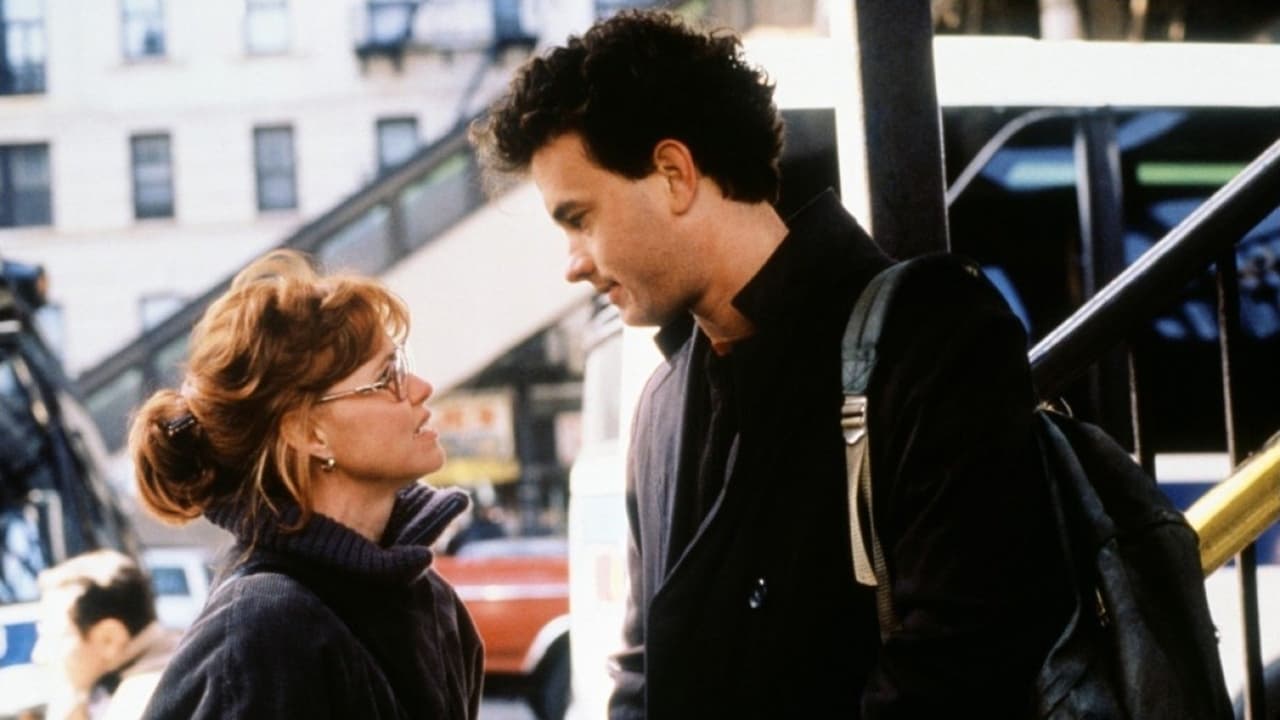
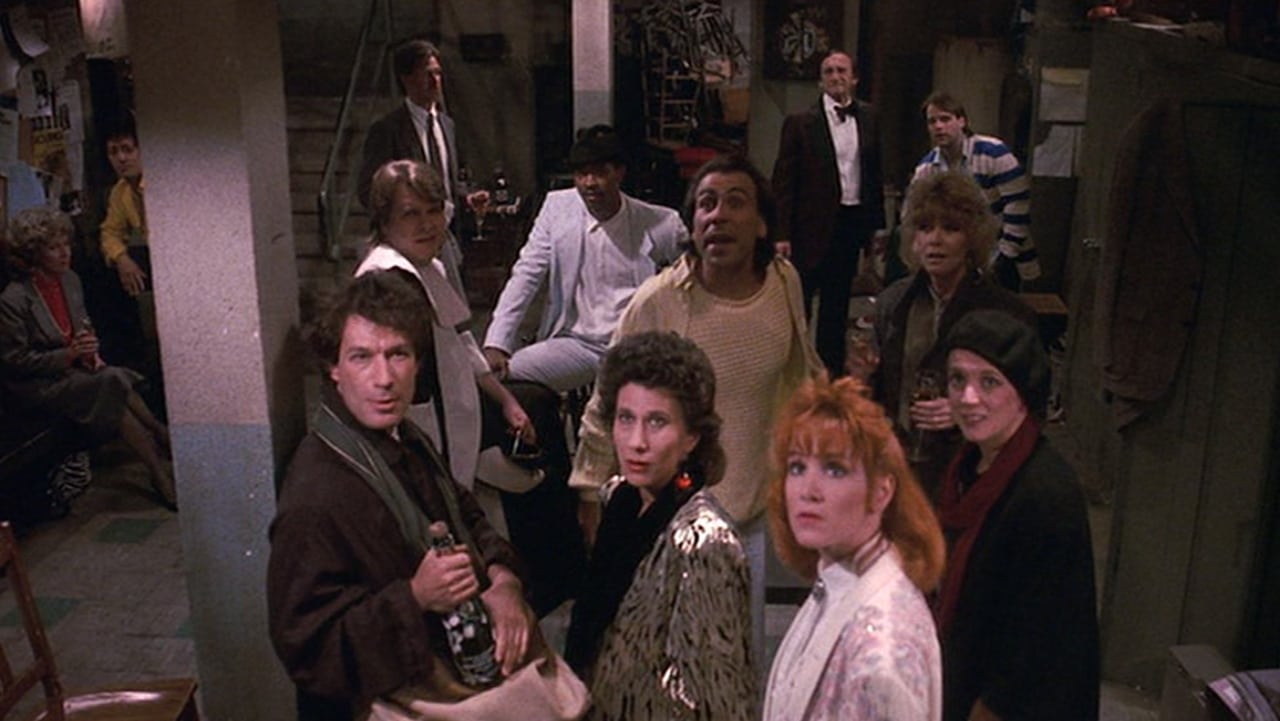
Writer-director David Seltzer, perhaps unexpectedly given his prior script for the chilling The Omen (1976), immerses us in the slightly grimy, fiercely competitive world of New York's stand-up scene, centered around the aptly named club, The Gas Station. Here, aspiring comics hone their craft, stab each other in the back (metaphorically, mostly), and dream of catching the eye of a TV scout. Into this pressure cooker steps Lilah Krytsick (Sally Field), a New Jersey housewife and mother whose yearning for a life beyond domesticity manifests as a surprisingly sharp, observational comedic talent. Her journey intertwines with Steven Gold (Tom Hanks), a gifted but deeply troubled medical school dropout whose charisma on stage masks a volatile cocktail of insecurity and self-destructive tendencies. It's their complex, push-pull relationship – part mentorship, part rivalry, part unarticulated longing – that forms the film's emotional core.
Laughter Tinged with Tears
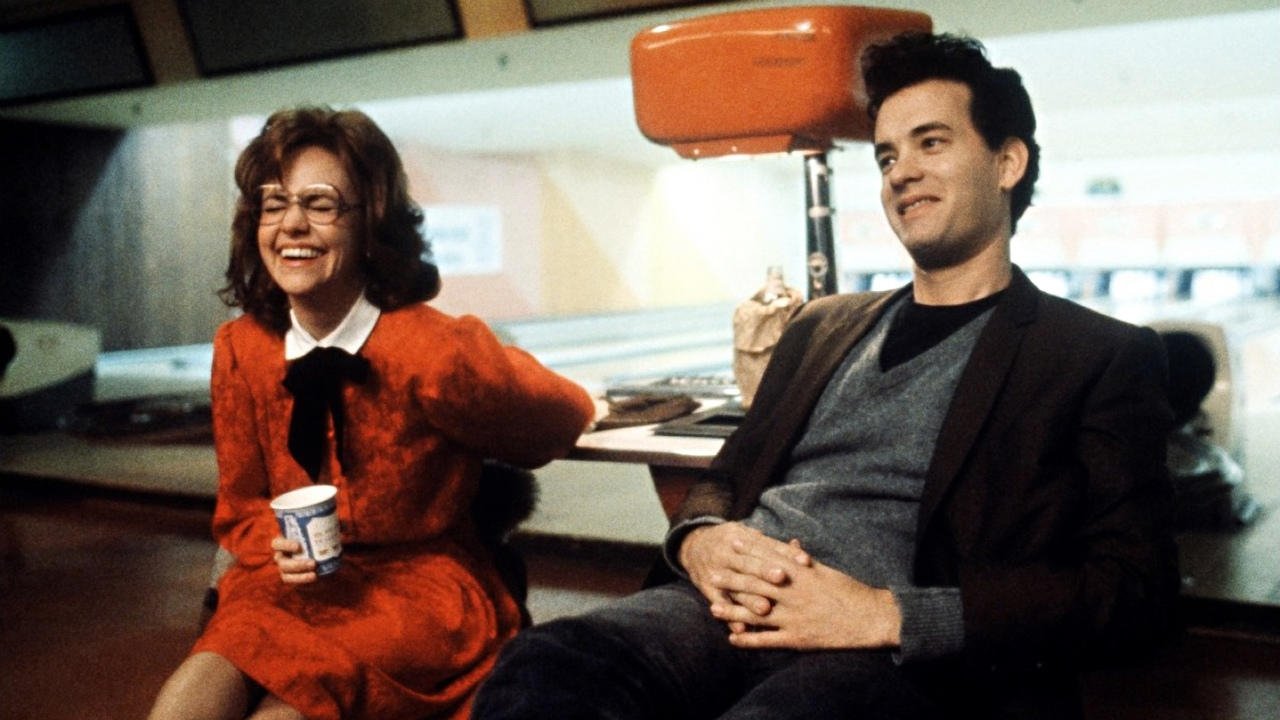
Let's be clear: if you rented Punchline back in the day expecting a laugh riot based on its premise and stars, you might have felt a little sideswiped. The film has funny moments, particularly during the stand-up sets themselves, but its true focus lies elsewhere. Seltzer is fascinated by the process of comedy, the relentless trial-and-error, the bombing sweats, the way personal pain is often mined for material. It captures the awkward silences as much as the roaring laughter. Doesn't this reflect a deeper truth about creative pursuits – that the moments of triumph are often built on a foundation of struggle and doubt? The atmosphere Seltzer crafts is one of nervous energy, ambition curdling into desperation, and the flickering hope that this joke, this night, might be the one that changes everything.
The Tightrope Walk of Performance
The film rests squarely on the shoulders of its leads, and they deliver performances that resonate with raw authenticity. Sally Field, already a two-time Oscar winner, is heartbreakingly real as Lilah. You feel her quiet desperation, the guilt of neglecting her family for her passion, the thrill of commanding a room, and the crushing disappointment when a joke falls flat. Field actually spent time shadowing female comics to capture the nuances of that world, understanding the specific hurdles they faced. It’s a performance of subtle gestures and immense inner conflict.
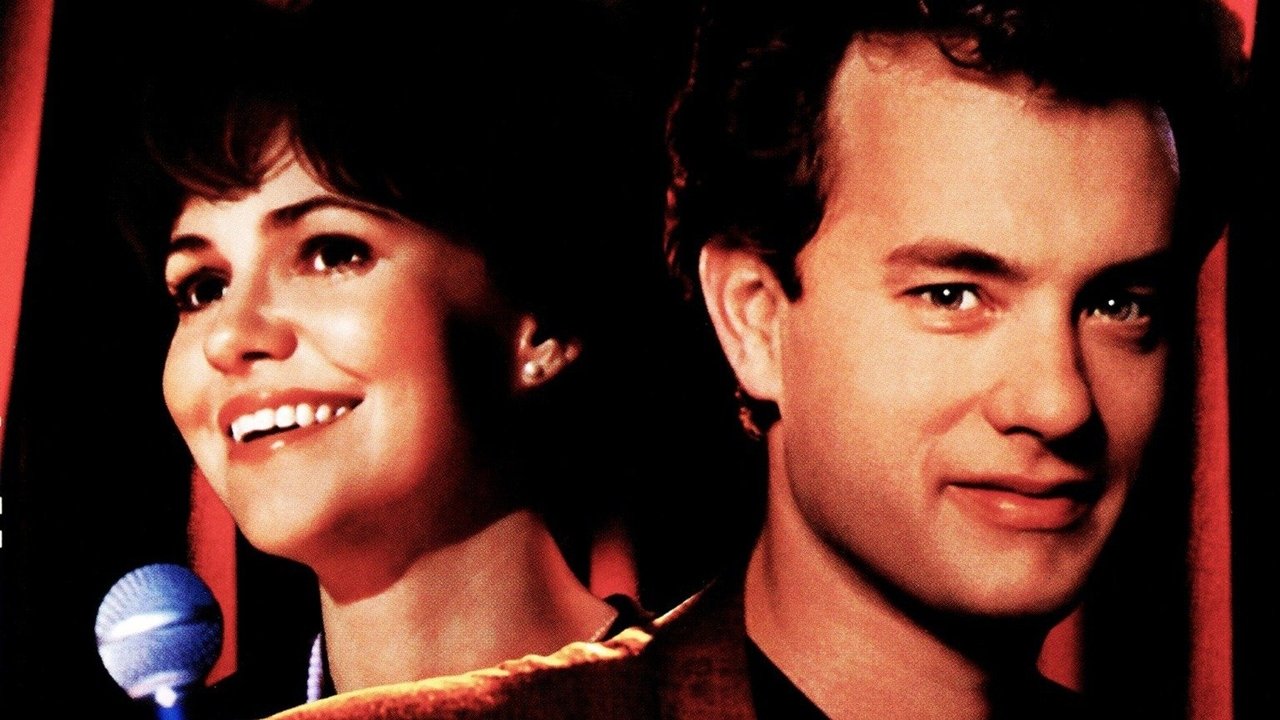
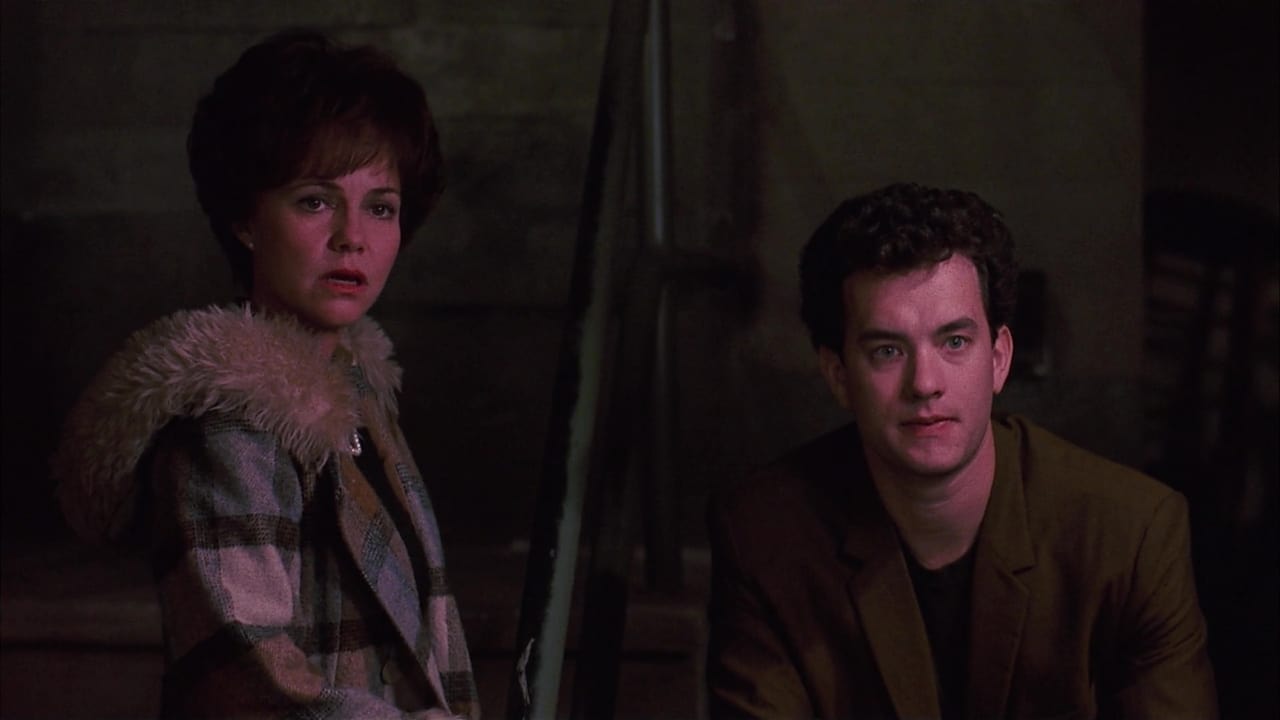
Then there's Tom Hanks. Released the same year as his star-making turn in Big, Punchline showcases a very different side of the actor. Steven Gold isn't the lovable everyman; he’s brilliant, yes, but also arrogant, needy, and capable of real cruelty. Hanks leans into the character's darkness, the frantic energy bordering on mania, suggesting a man constantly running from himself. It’s a layered, often uncomfortable performance that hints at the dramatic depths Hanks would explore later in his career. Apparently, Hanks drew inspiration from several contemporary comedians known for their edgy personas, and both he and Field bravely performed their own stand-up routines in the film, adding a layer of genuine risk to their portrayals. Supporting players like John Goodman as Lilah’s supportive but bewildered husband provide essential grounding.
Secrets from the Smudged Set List
Capturing the electric, unpredictable energy of live stand-up on film is notoriously difficult. David Seltzer reportedly spent years immersing himself in the comedy club scene, gathering stories and observing the dynamics, which lends the film its palpable sense of place. However, this commitment to authenticity wasn't without challenges. Rumors circulated about tension during filming, perhaps stemming from the difficulty of balancing the comedic elements with the darker dramatic threads. The film’s modest box office return (around $21 million from a $15 million budget) and mixed critical reception at the time might reflect audience uncertainty about its tonal tightrope walk – it wasn't quite a comedy, not quite a drama, but something uniquely in between. Yet, isn't that often where the most interesting stories lie? In those messy, undefined spaces?
The Price of the Spotlight
Ultimately, Punchline is a poignant meditation on the cost of ambition. What are we willing to sacrifice for a dream? How much rejection can a soul endure before it cracks? The film doesn't offer easy answers. It portrays the allure of the stage but never shies away from the potential for heartbreak and isolation that shadows it. Lilah’s struggle to reconcile her personal life with her artistic aspirations feels particularly resonant, a dilemma many face when pursuing a passion that demands total commitment. What lingers long after the credits roll isn't necessarily a specific joke, but the vulnerability etched on the faces of Field and Hanks as they navigate this demanding world.
Rating: 7/10
This score reflects the film's undeniable strengths – primarily the superb, nuanced performances from Sally Field and Tom Hanks, and its refreshingly honest, unvarnished look at the stand-up comedy world. It successfully captures the grit beneath the glamour. However, the tonal shifts can sometimes feel abrupt, and the pacing occasionally meanders, preventing it from reaching true classic status for some. It earns its 7 for its bravery in tackling complex emotional territory within a potentially lighter framework, and for giving us two unforgettable character studies.
Punchline remains a fascinating artifact of late 80s cinema – a thoughtful, sometimes somber exploration of what drives people to stand alone in a pool of light, armed only with words, desperately hoping to connect. It’s a reminder that sometimes, the most profound stories are found not in the triumphant final joke, but in the quiet, uncertain moments just before stepping on stage.