Okay, pull up a beanbag chair, maybe crack open a Tab if you can find one. Let's talk about a film that felt different, even back then, nestled amongst the louder action flicks and neon comedies on the rental shelf. I'm thinking about Gorillas in the Mist from 1988, a tape that carried a weight, a seriousness, that promised something more than just escapism.
### Beyond the Mist, Into the Obsession
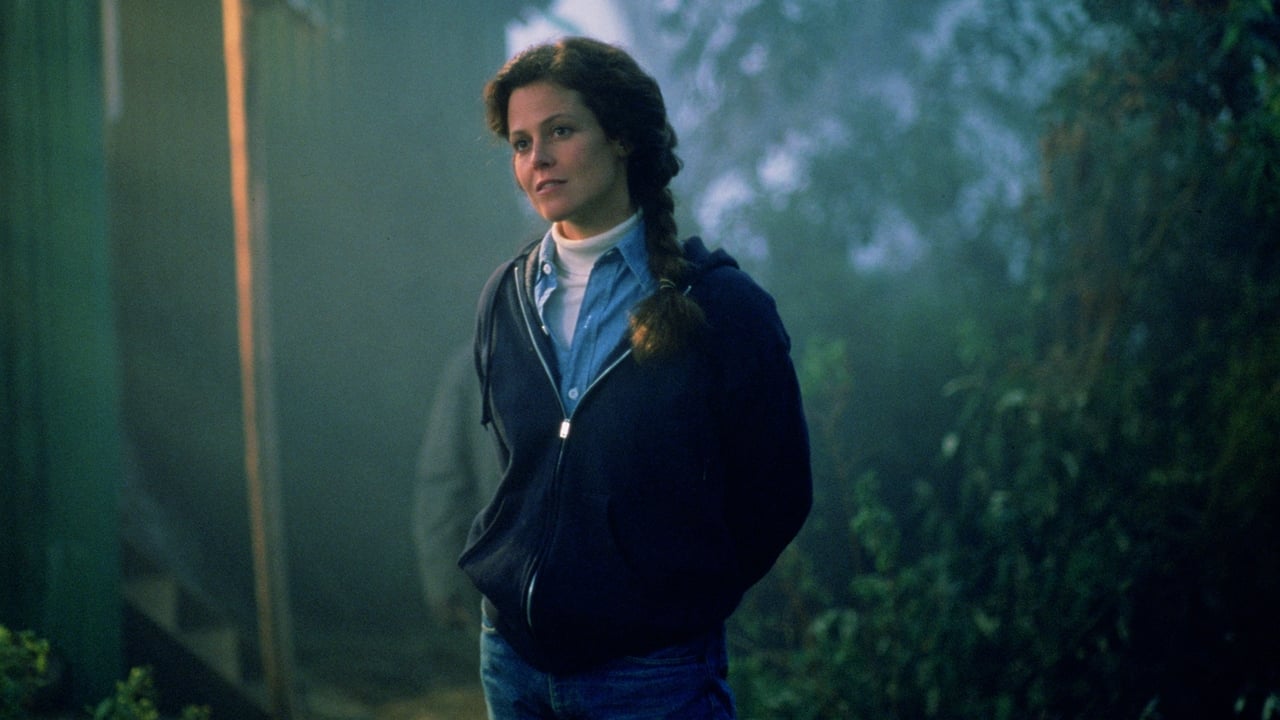
What strikes you first, watching it again after all these years, isn't just the breathtaking scenery of Rwanda's Virunga Mountains – though cinematographers John Seale and Alan Root capture that majestic, primal beauty stunningly. It’s the fierce, almost unsettling focus in Sigourney Weaver's eyes. She doesn't just play Dian Fossey; she seems to channel her singular, consuming passion. This isn't the heroic Ripley of Aliens (1986) or the sophisticated Dana Barrett from Ghostbusters (1984). This is Weaver burrowing deep into a figure both heroic and deeply flawed, a transformation that earned her a thoroughly deserved Oscar nomination.
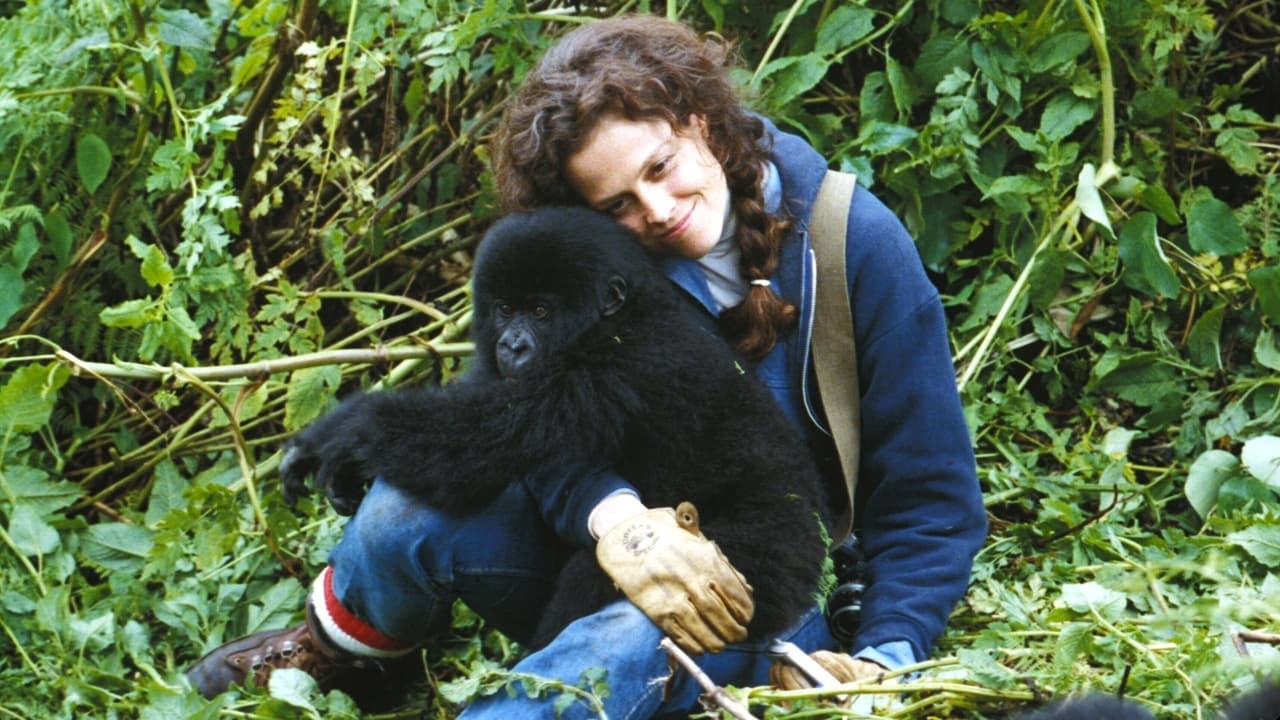
The film, directed by the great Michael Apted – a filmmaker whose roots in documentary with the Up series surely informed the grounded approach here – charts Fossey's journey from occupational therapist fascinated by primates to the world's foremost authority on mountain gorillas, and ultimately, their zealous, uncompromising protector. It’s a narrative that unfolds with a patient, observational quality, mirroring Fossey’s own meticulous study of the gorillas. We see her initial wonder, the slow process of gaining the animals' trust, those moments of interspecies connection that feel utterly authentic and deeply moving.
### The Woman Who Would Be Gorilla
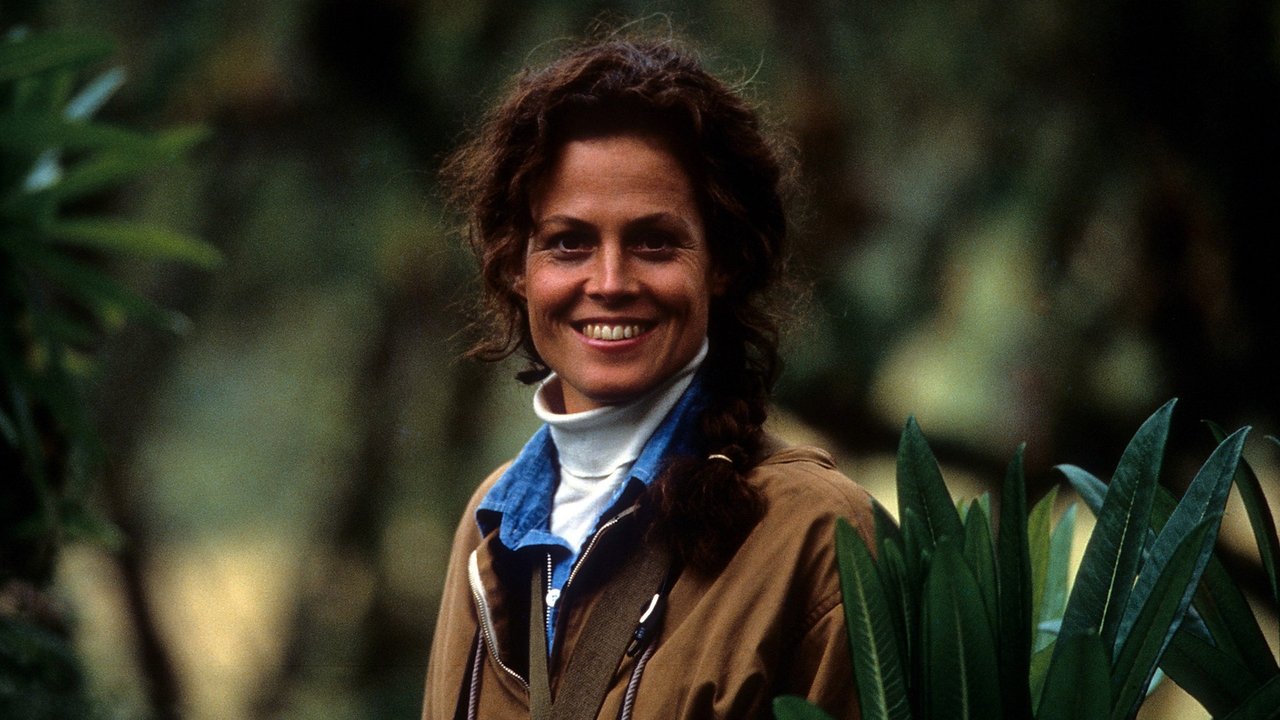
The heart of the film lies in Weaver's portrayal. She captures Fossey’s abruptness, her social awkwardness, her growing intolerance for anyone who doesn't share her absolute dedication. This wasn't a simple conservationist; Fossey was a force of nature, sometimes terrifyingly so. Remember those scenes where she employs "active conservation," confronting poachers with tactics bordering on guerrilla warfare? The film doesn't shy away from her controversial methods or the toll her isolation and single-mindedness took. It asks uncomfortable questions: How far is too far in the name of preservation? Can one person truly stand against systemic threats like poaching and habitat loss without sacrificing parts of their own humanity?
Bryan Brown, as the pragmatic National Geographic photographer Bob Campbell, offers a necessary counterpoint – a link back to the world Fossey increasingly rejects. Their relationship provides moments of warmth but also underscores Fossey’s ultimate allegiance. Her true family becomes the gorillas, particularly her bond with the silverback Digit, a relationship depicted with remarkable sensitivity.

### Bringing the Mountain to the Screen
Getting this film made was no small feat. Filming on location in Rwanda presented immense logistical challenges, working at high altitudes and navigating complex political situations. Apted fought hard for authenticity, resisting studio pressure to shoot elsewhere. A fascinating bit of trivia: while the film uses groundbreaking animatronics and performers in suits designed by the legendary Rick Baker (who himself donned a suit for some scenes!), much of the interaction involved Weaver working incredibly closely with actual mountain gorillas. Reports from the set describe her remarkable ability to connect with the animals, mirroring Fossey's own gift – a dedication that went far beyond typical acting preparation. Weaver became a passionate advocate for gorilla conservation in real life, serving as honorary chair of the Dian Fossey Gorilla Fund, a legacy connection that adds another layer of poignancy to her performance.
The blend between Baker's creations and the real gorillas is often seamless, a testament to both the effects work – cutting edge for 1988 – and the careful direction. It allowed for interactions that would have been impossible otherwise, capturing that unique blend of power and gentleness Fossey saw in her subjects. The film reportedly cost around $22 million, a significant sum back then, but its subsequent box office success (grossing over $61 million worldwide) and cultural impact in raising awareness for the gorillas' plight proved its value beyond mere ticket sales.
### Lingering Echoes in the Jungle
Does Gorillas in the Mist hold up? Absolutely. It’s a powerful biographical drama anchored by one of Sigourney Weaver's finest performances. It avoids easy sentimentality, presenting Dian Fossey as a complex, driven individual whose methods were as debated as her results were vital. The pacing is deliberate, demanding patience, much like Fossey’s work itself. It’s not a film you throw on for light entertainment; it’s one that invites reflection on the human capacity for both profound connection and destructive obsession.
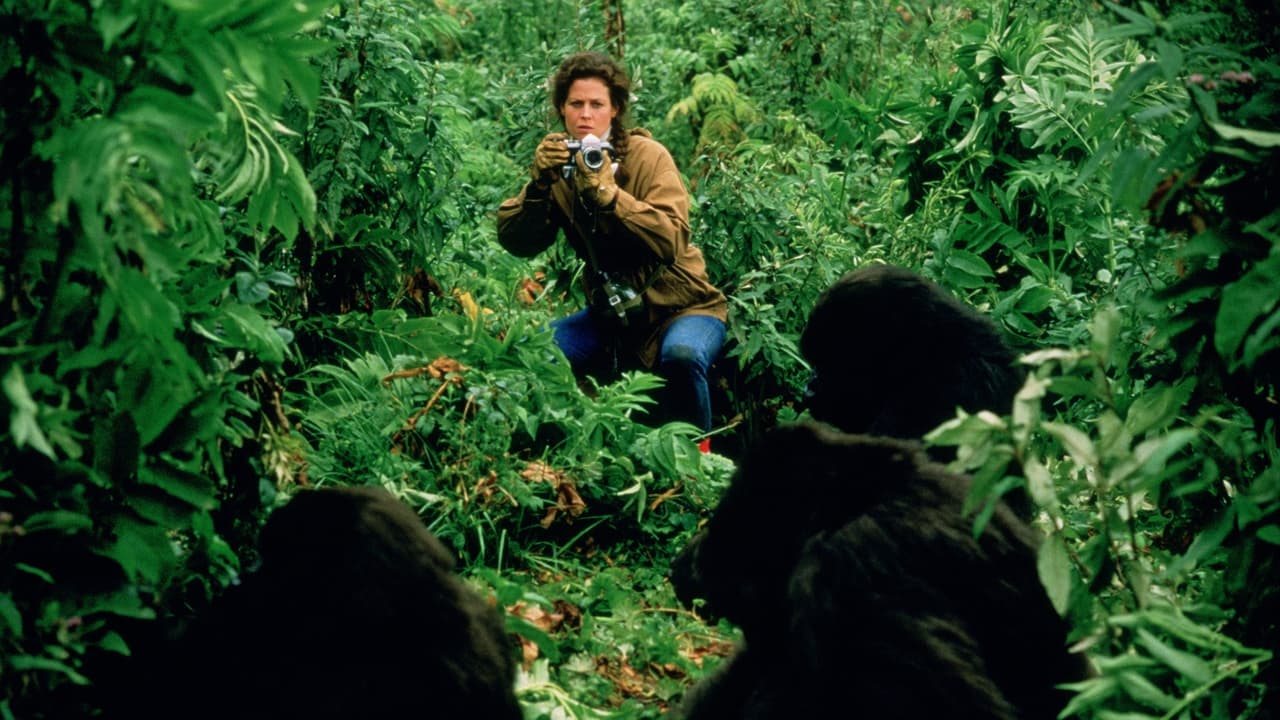
Watching it again on a modern screen lacks that fuzzy, magnetic hum of the old VHS tape sliding into the VCR, but the film’s core message, its emotional weight, and Weaver's astonishing performance remain undiminished. It’s a reminder of a time when mainstream cinema occasionally tackled challenging, real-world stories with adult complexity.
Rating: 8.5/10
This score reflects the film's powerful central performance, its stunning location cinematography, its crucial role in raising conservation awareness, and its unflinching look at a complex figure. While the pacing might test some modern viewers and supporting characters sometimes feel secondary to Fossey's all-consuming presence, the film's achievements far outweigh these minor points. It delivered exactly what that serious-looking VHS box promised: a journey into another world, led by an unforgettable woman. What lingers most is the echo of Fossey's fierce love for the gorillas, a love that ultimately consumed her, leaving us to ponder the true cost of dedication.