There's a peculiar chill that settles in long after the VCR whirs to a stop on Peter Medak's The Krays (1990). It's not just the abrupt, shocking violence, though there's plenty of that. It's something quieter, more insidious – the unnerving suggestion that the monstrousness we witness wasn't forged solely in the brutal streets of London's East End, but perhaps nurtured within the seemingly ordinary confines of the family home, under the unwavering gaze of a doting mother. What does it mean when the hand that rocks the cradle also, in a way, shapes the fist?
More Than Just Gangsters
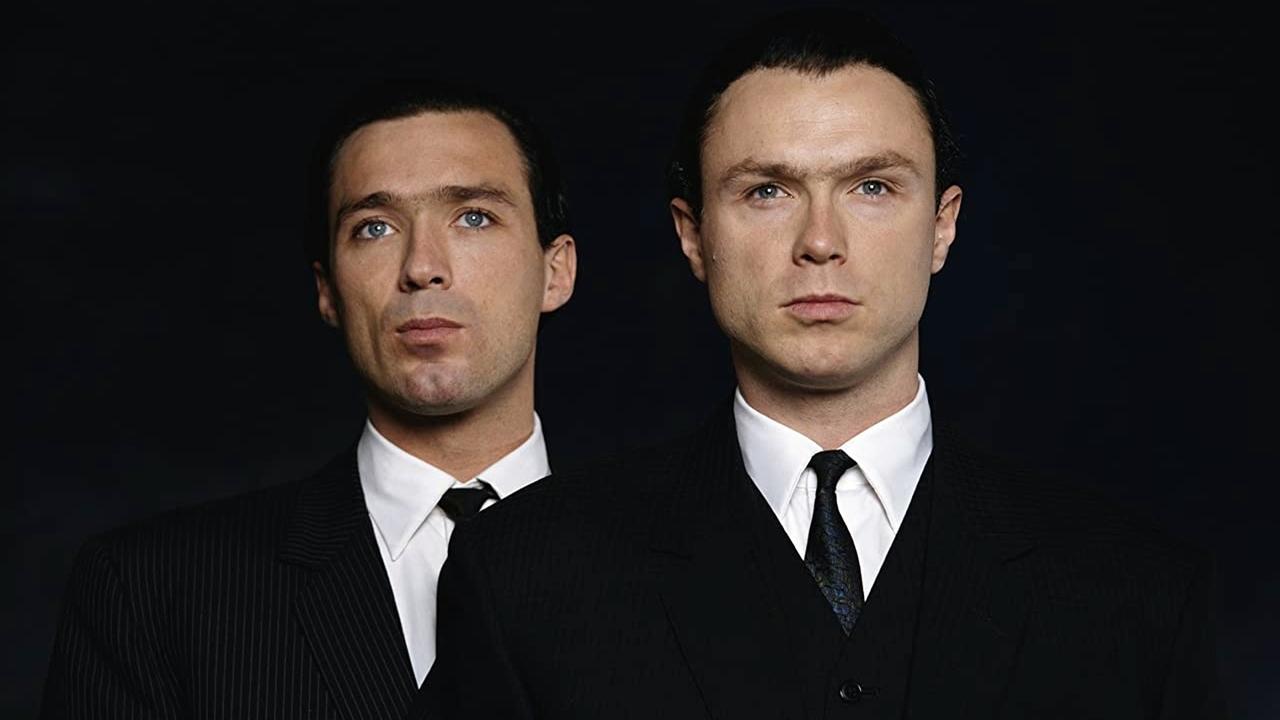
Forget the standard rise-and-fall gangster trajectory for a moment. While The Krays certainly charts the ascent of Ronnie and Reggie Kray, twin terrors of the 1960s London underworld, its heart beats to a different, altogether stranger rhythm. Penned by the distinctively theatrical Philip Ridley (who would later bring us unsettling visions like The Reflecting Skin), this isn't just about Savile Row suits and shotgun diplomacy. It delves into the murky psychological waters of their upbringing, placing their formidable mother, Violet, squarely at the centre of their dark universe. It asks us to consider not just what they did, but why they became capable of it.
The Mother, The Myth, The Matriarch
At the core of the film's unsettling power is a towering performance by the late, great Billie Whitelaw as Violet Kray. This isn't the typical gangster's mum, worrying in the background. Whitelaw portrays Violet as a force of nature – fiercely protective, intensely proud, and seemingly wilfully blind to the true horror of her sons' activities. Her love is suffocating, absolute, and arguably, the fertile ground from which the twins' warped sense of loyalty and untouchability grows. There's a chilling scene where she calmly encourages violence to protect family honour, blurring the lines between maternal care and monstrous enabling. Whitelaw, who reportedly drew on stories from those who knew the real Violet, embodies this complex dynamic with terrifying conviction. She deservedly won awards for this role, capturing a specific kind of matriarchal power that feels both deeply familiar and profoundly disturbing. It’s a performance that lingers, making you question the very nature of unconditional love.
Pop Stars Playing Psychopaths
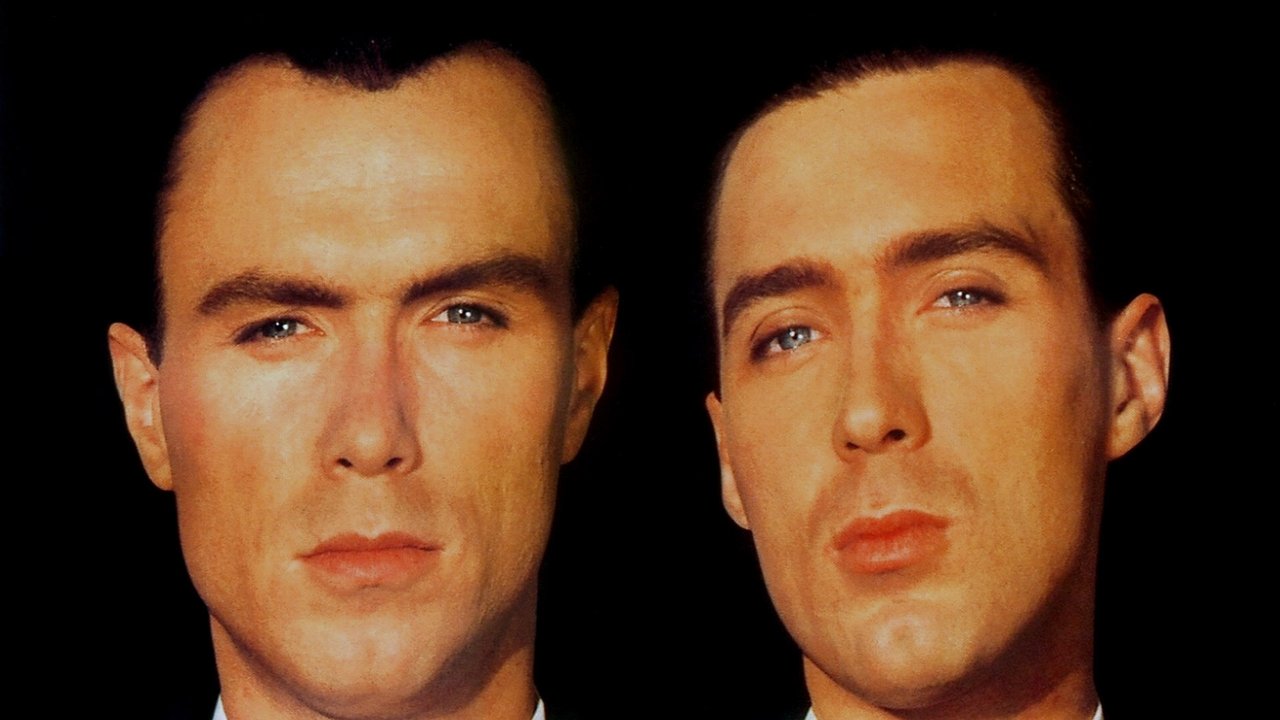
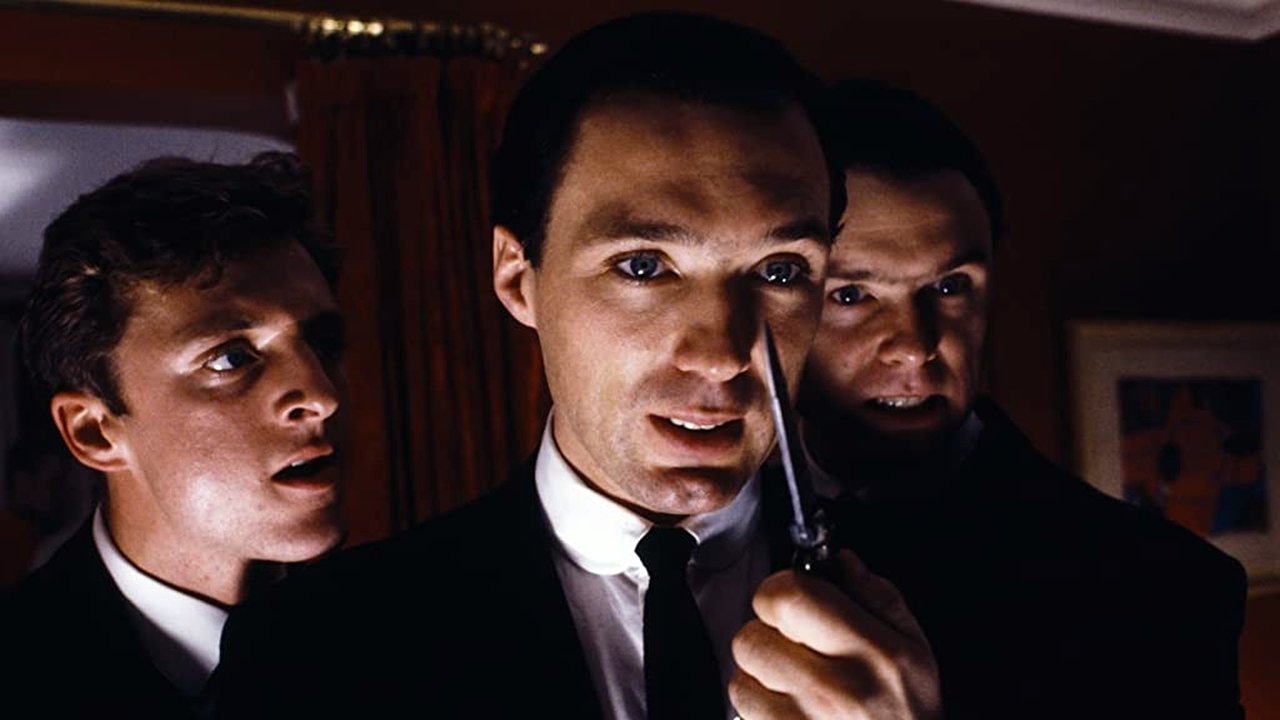
The casting that raised eyebrows back in 1990 remains a fascinating element: Gary Kemp and Martin Kemp, brothers known globally as members of the suave synth-pop band Spandau Ballet, stepping into the blood-soaked shoes of Ronnie and Reggie. It felt audacious, perhaps even risky. Could the guys who sang "True" convincingly portray Britain's most notorious gangsters? The answer, surprisingly, is yes. Martin Kemp brings a simmering, smoother menace to Reggie, the more business-minded twin, increasingly troubled by his brother's instability. But it's Gary Kemp, as the openly homosexual, mentally fragile, and terrifyingly violent Ronnie, who delivers the truly startling transformation. He embodies Ronnie's unpredictable rage and delusions of grandeur with a coiled intensity that’s genuinely unnerving. Apparently, the Kemp brothers grew up near the Krays' territory and even met Ronnie in Broadmoor, who allegedly gave his blessing to their casting – a bizarre footnote adding another layer to this strange intersection of pop culture and true crime. Their shared history as real-life brothers undoubtedly adds a layer of authenticity to their on-screen bond, a mix of fierce loyalty and simmering tension.
Style Over Slashings?
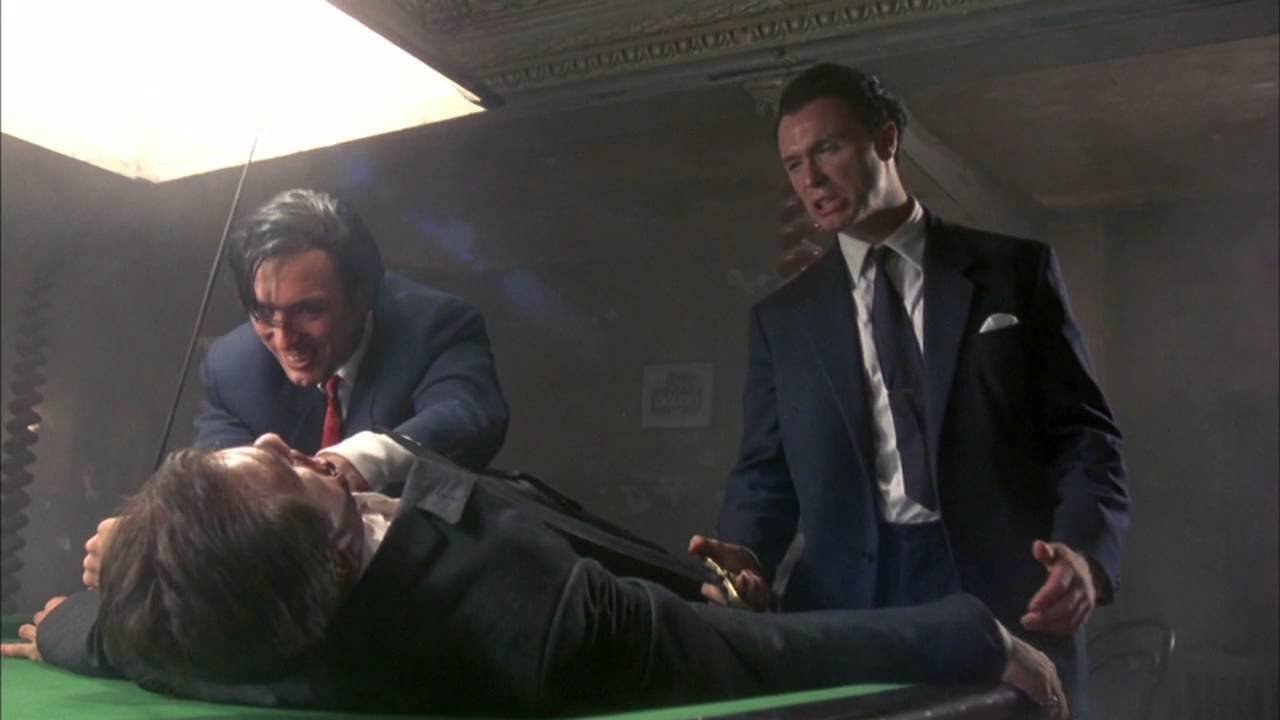
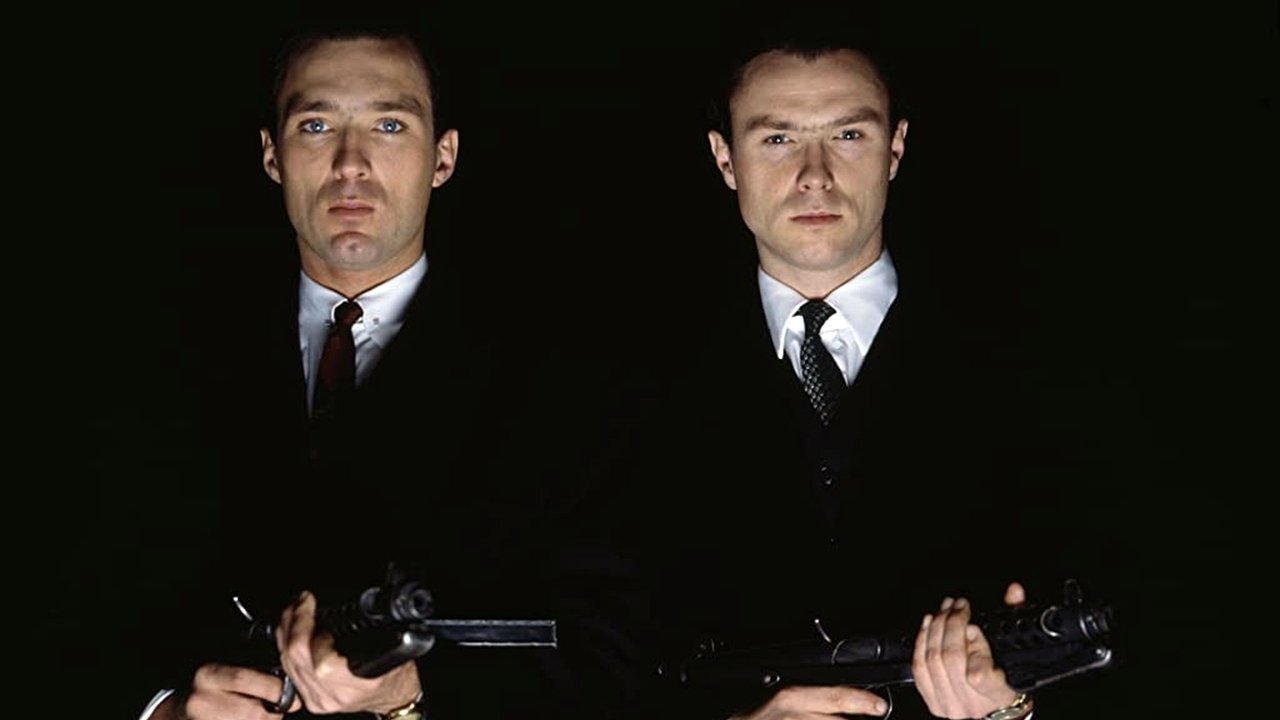
Director Peter Medak, whose previous work included the superb haunted house chiller The Changeling (1980), brings a distinct visual flair. Working with Ridley's almost mythic script, the film balances brutal, visceral violence (the infamous sword fight, the shocking pub encounters) with moments of strange, dreamlike beauty and intense domesticity. The colour palette often feels heightened, the compositions deliberate. This isn't the gritty realism some might expect; it's more akin to a dark fable, exploring the legends surrounding the Krays as much as the facts. Ridley's script, based on interviews focusing heavily on the women in the Krays' circle, gives the film its unique, female-centric perspective, setting it apart from more traditional, male-dominated gangster narratives. This stylized approach, while perhaps alienating viewers seeking a straightforward biopic, gives the film its unique, lasting power. It cost around £3 million to make – a modest sum even then – but Medak crafted a visually rich and atmospheric piece that certainly punched above its weight, finding particular success here in the UK.
Echoes in the Hall of Mirrors
Watching The Krays today, perhaps pulling that well-worn VHS tape off the shelf, it feels less like a standard crime flick and more like a psychological study wrapped in period detail. It doesn't offer easy answers about the twins' brutality. Instead, it presents a complex, disturbing portrait of family dynamics twisted into something dangerous. It stands apart from later interpretations, like the Tom Hardy-starring Legend (2015), precisely because of its willingness to embrace ambiguity and symbolism over straightforward narrative. It uses the Kray story as a canvas to explore darker, more universal themes about influence, power, and the myths we build around ourselves and our families. Doesn't the film subtly suggest that the seeds of violence can be sown in the most unexpected, even loving, environments?
***
VHS Heaven Rating: 8/10
Justification: The Krays earns its strong rating through its unique, psychological approach to the gangster biopic, anchored by a truly phenomenal performance from Billie Whitelaw. The bold casting of the Kemp brothers pays off, and Peter Medak's direction masterfully blends brutal realism with Philip Ridley's theatrical, symbolic script. While its stylization might not be for everyone expecting gritty realism, its willingness to delve into the disturbing influence of the matriarch and the myth surrounding the twins makes it a standout entry in the genre. It's a thoughtful, unsettling film that uses its 1960s setting to explore timeless questions about family, violence, and the stories we tell ourselves.
Final Thought: This isn't just a film about gangsters; it's a chilling look at the incubator of violence, leaving you pondering the shadows that linger behind the polished veneer of family loyalty long after the credits roll.