There are certain VHS tapes that carried a palpable weight, even before you slid them into the VCR. Sitting on the shelf at Blockbuster or the local mom-and-pop rental store, the cover art for Alan Parker’s Mississippi Burning (1988) – often stark, hinting at the fire and fury within – promised something far removed from the usual escapist fare of the late 80s. It felt important, necessary, and unsettling. Watching it then, and revisiting it now, confirms that initial instinct; this is a film that grabs you by the collar and refuses to let go, leaving you shaken and contemplating the deep shadows of American history.
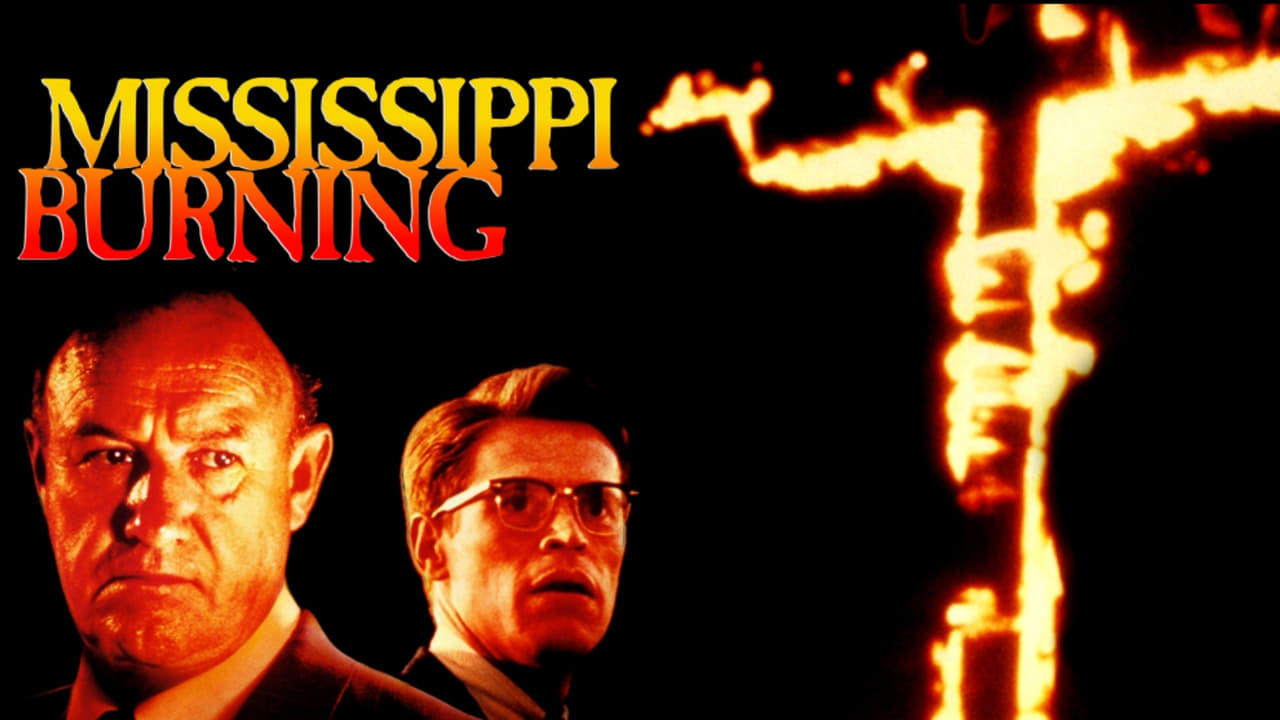
The film plunges us into the oppressive heat and simmering hatred of Jessup County, Mississippi, in 1964. Three civil rights workers – two white, one Black – have vanished, and the federal government dispatches FBI agents Ward (Willem Dafoe) and Anderson (Gene Hackman) to investigate. What unfolds is less a straightforward mystery and more a harrowing descent into a community poisoned by institutionalized racism, fear, and brutal violence, orchestrated largely by the local KKK chapter under the chillingly calm authority of the town's sheriff's department.
A Study in Contrasting Methods
At the heart of Mississippi Burning lies the dynamic between its two leads. Willem Dafoe, fresh off his powerful turn in Platoon (1986), embodies Agent Ward, the quintessential by-the-book Northerner. He’s idealistic, rigid, believing firmly in the procedures and authority of the Bureau. He arrives wanting to conduct interviews, follow protocol, and uphold the letter of the law. Facing him is Gene Hackman's Agent Anderson, a former Mississippi sheriff himself. Anderson is pragmatic, cynical, and understands the ugly realities of the Deep South in a way Ward initially cannot comprehend. He knows the language, the unspoken rules, and the brutal lengths the locals will go to protect their way of life.
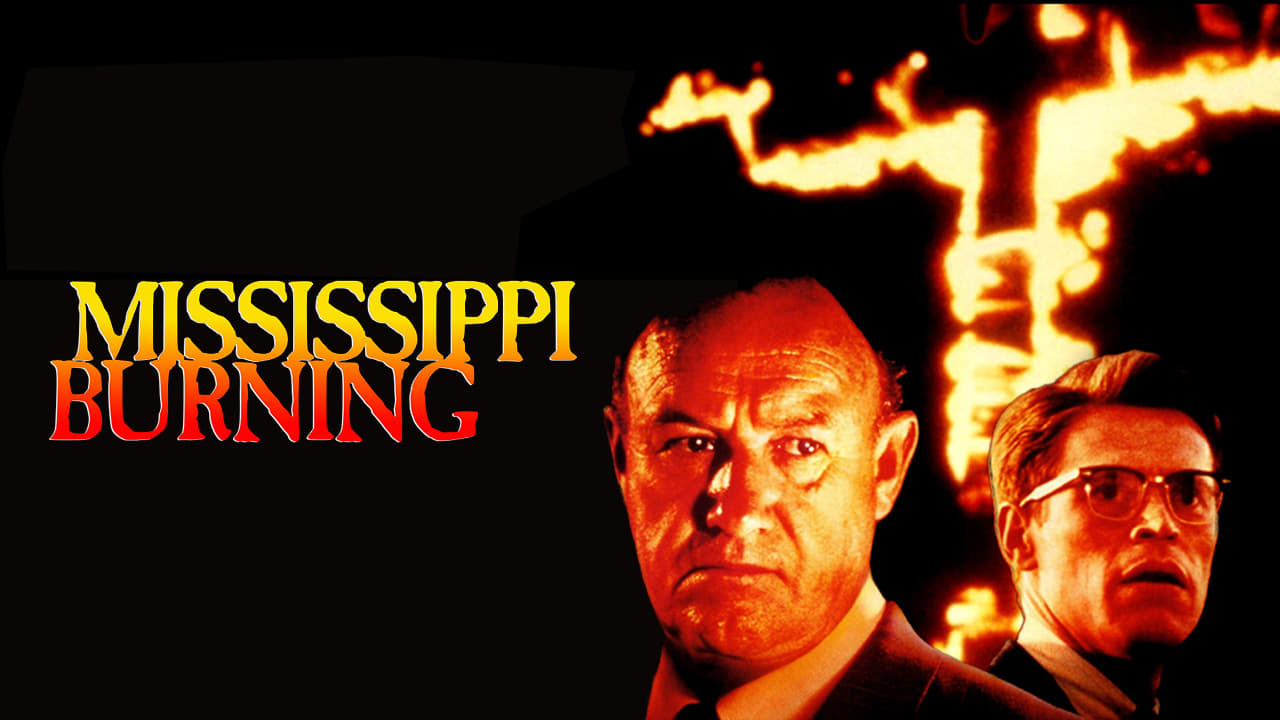
Their clash isn't just procedural; it’s philosophical. Ward represents the hope of federal intervention, the belief that justice can be imposed from the outside. Anderson embodies a more world-weary, perhaps even morally compromised, approach – understanding that sometimes, to fight monsters, you have to get your hands dirty. Hackman is simply masterful here, earning a well-deserved Oscar nomination. He imbues Anderson with a folksy charm that barely conceals a simmering rage and a capacity for ruthlessness that emerges as the investigation stalls against a wall of silence and intimidation. Watching him navigate this treacherous landscape, switching from good-ol'-boy banter to chilling threats, is a masterclass in screen acting.
An Atmosphere You Can Feel
Director Alan Parker, known for visually arresting and often intense films like Midnight Express (1978) and later The Commitments (1991), crafts an atmosphere thick with dread. Working with cinematographer Peter Biziou (who deservedly won the film's sole Academy Award out of seven nominations), Parker immerses the viewer in the stifling Mississippi summer. You feel the humidity, see the sweat bead on brows, sense the ever-present threat lurking beneath the surface of seemingly placid small-town life. The violence, when it erupts, is shocking and brutal, never gratuitous but always impactful, forcing the audience to confront the horrifying reality faced by Black citizens and civil rights activists. Parker doesn't shy away from the ugliness, making the film a visceral, often uncomfortable, viewing experience.

Truth, Fiction, and Lingering Questions
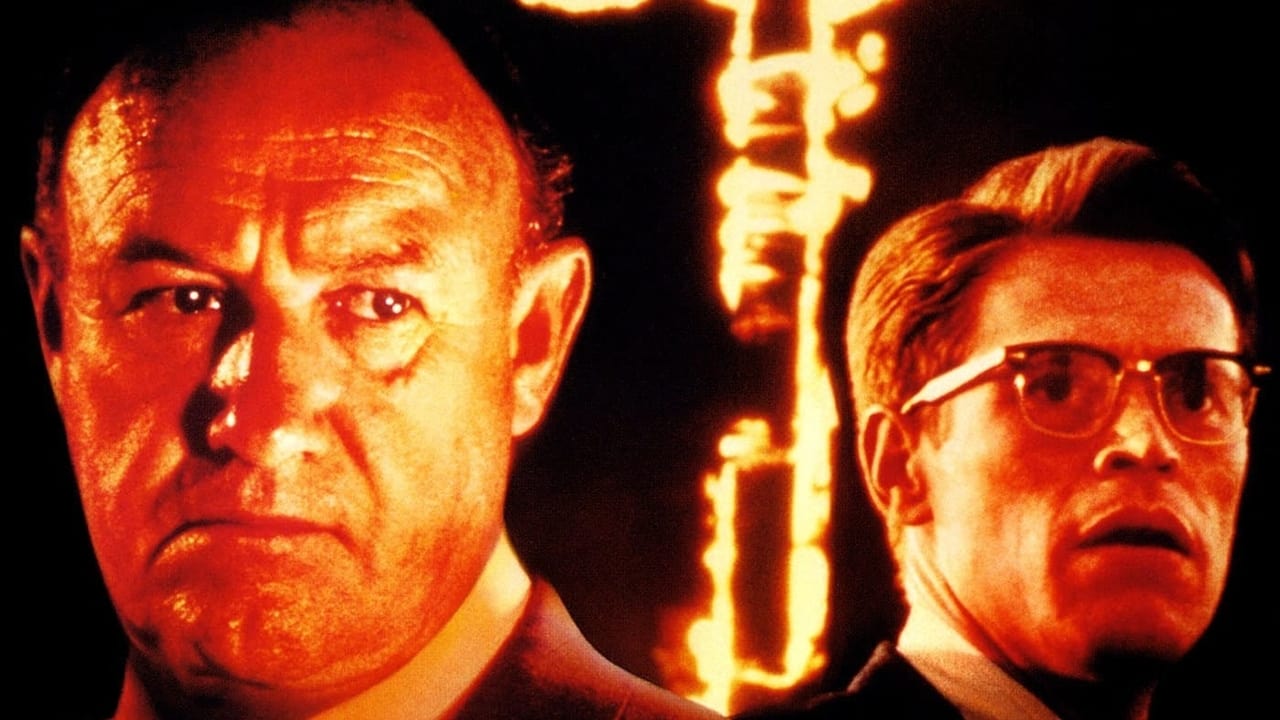
It's impossible to discuss Mississippi Burning without acknowledging the controversy surrounding its historical accuracy. While inspired by the real-life FBI investigation (codenamed MIBURN) into the murders of civil rights workers James Chaney, Andrew Goodman, and Michael Schwerner, Chris Gerolmo's screenplay takes significant liberties. Critics then and now rightly point out that the film largely sidelines the crucial role of Black activists and the local community in the struggle for civil rights, instead framing the narrative primarily through the perspective of the white FBI agents who arrive as saviors. The film depicts the FBI employing legally questionable, even violent, tactics to break the case – methods debated as either necessary evils within the film's context or a potentially dangerous distortion of the historical record.
This fictionalization raises complex questions. Does a film have a responsibility to historical fact when tackling such sensitive real-world events? Can dramatic license serve a greater truth by exposing the horrors of racism to a wider audience, even if the details are altered? I remember wrestling with this even back when I first rented the tape. The film's power felt undeniable, its depiction of raw hatred profoundly affecting. Yet, the nagging awareness of its altered narrative perspective lingered. It’s a tension that remains with the film today, making it both a potent piece of cinema and a subject for critical discussion.
Retro Fun Fact: Despite the heavy subject matter and historical debates, Mississippi Burning proved a significant box office success, grossing over $34 million domestically against its $15 million budget (that's roughly $80 million adjusted for inflation today!). This perhaps speaks to a hunger in the late 80s audience for more challenging, adult-oriented dramas amidst the usual blockbuster landscape. Also, Frances McDormand delivers a pivotal, heart-wrenching performance as the deputy sheriff's wife, Mrs. Pell, a woman trapped in an abusive marriage who holds key information. Her scenes with Hackman crackle with tension and vulnerability, providing some of the film's most memorable and human moments. Her quiet courage feels utterly authentic.
The Verdict
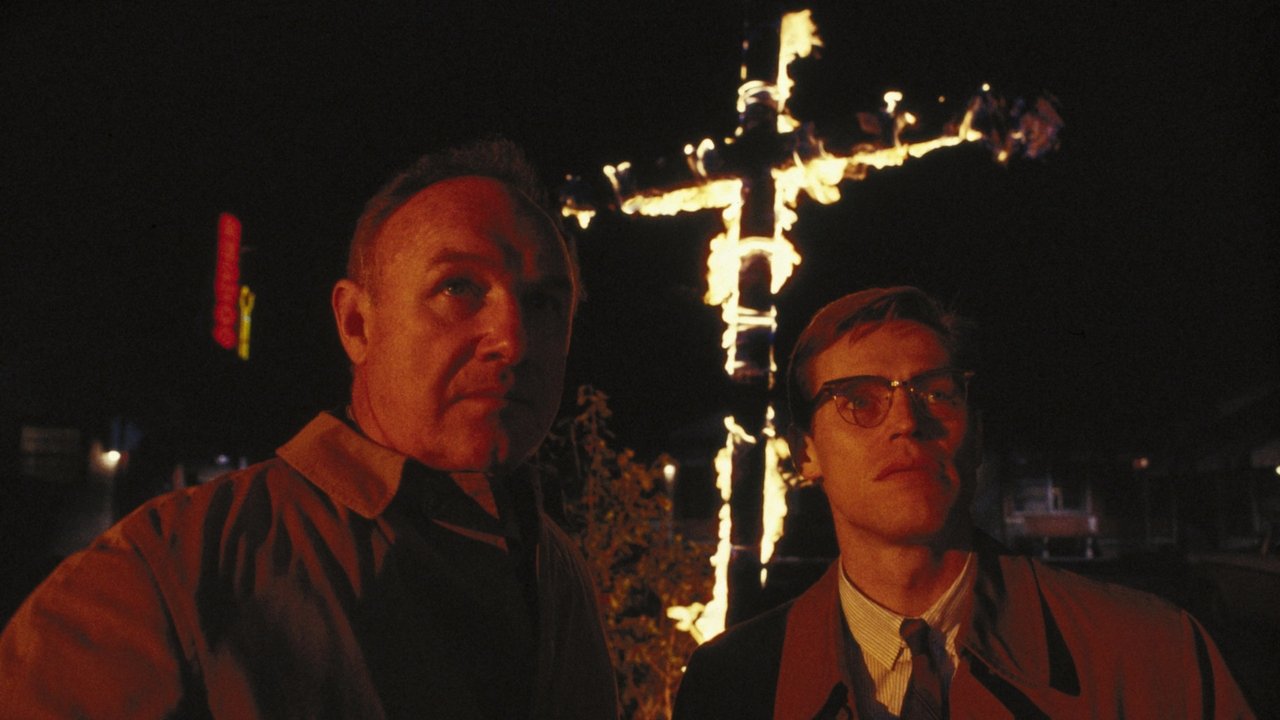
Mississippi Burning remains a powerful, deeply unsettling film. Its unflinching portrayal of racial hatred, bolstered by incredible performances from Hackman, Dafoe, and McDormand, and Parker's evocative direction, ensures its impact hasn't faded much since its initial VHS release. While the valid criticisms regarding historical accuracy must be acknowledged, the film succeeds as a gripping, emotionally charged thriller that forces a confrontation with a dark chapter of American history. It’s the kind of movie that doesn’t just entertain; it disturbs, provokes, and demands reflection long after the credits roll and the VCR ejects the tape.
Rating: 8/10
It’s a film that sparked necessary conversations back then, and perhaps its greatest legacy is that it continues to do so now. What does it truly take to achieve justice in the face of entrenched hatred, and what compromises are made along the way? Mississippi Burning offers no easy answers, leaving those questions echoing in the silence.